In the fast-paced world of warehousing, efficiency is paramount. One innovative solution that has gained traction is Radio Shuttle Storage. This system offers significant advantages in space utilization and retrieval speed. Radio Shuttle Storage allows for automated loading and unloading of goods, which can drastically reduce labor costs and time.
As companies strive for streamlined operations, Radio Shuttle Storage emerges as a key player. It can handle various load sizes and weights, making it versatile for different industries. However, implementing such systems requires careful consideration. Not all layouts may be suitable, and equipment costs can be high.
Reflecting on these challenges is essential. Are the benefits truly worth the investment? Can a business adapt its existing infrastructure to incorporate this technology? Understanding Radio Shuttle Storage's complexities leads to more informed decisions, ensuring that efficiency is not just a goal, but a reality in modern warehousing practices.
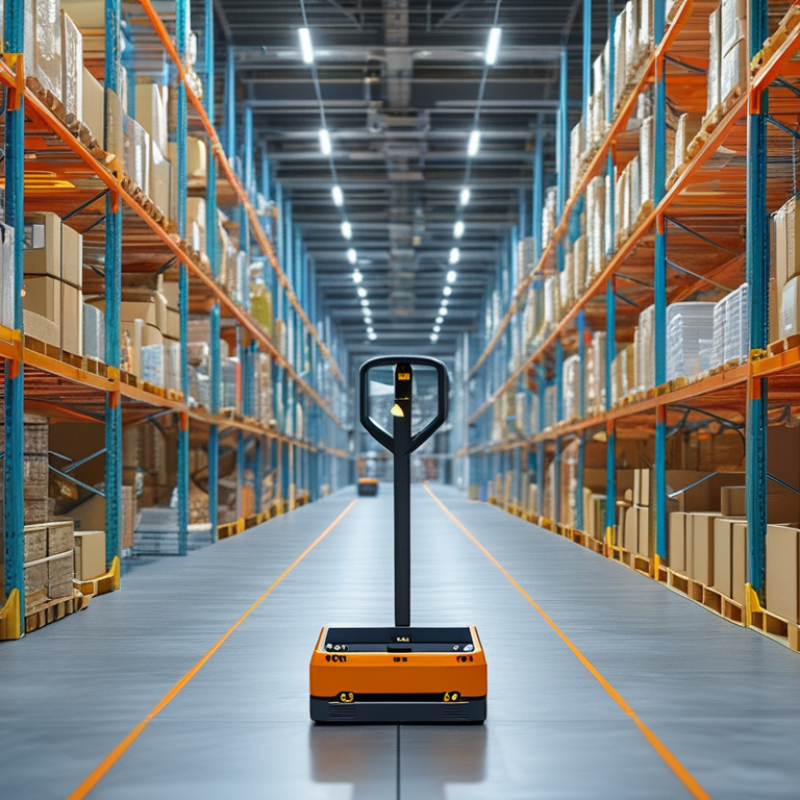
Radio shuttle storage systems are revolutionizing the way warehouses operate. These systems utilize automated shuttles to move pallets within a racking system, allowing for high-density storage. This method enables warehouses to maximize space while minimizing manual labor. The design is simple yet sophisticated, which allows for quick access to goods.
One of the key advantages is efficiency. Automated shuttles operate swiftly and reduce the need for forklift traffic. This leads to improved safety and productivity. It's essential for warehouses to analyze their inventory needs before implementing these systems. Understanding the type and volume of products will aid in determining the right configuration.
Tip: Regular maintenance checks are crucial. Ensure shuttles are properly serviced to avoid downtime. Consider setting a schedule for these checks.
Another crucial factor is staff training. Workers must be equipped to handle both the technology and the processes involved. Familiarizing staff with the system will enhance overall performance.
Tip: Create a feedback loop with your team. Regular input can highlight issues with the system, leading to potential improvements. This practical approach supports a culture of continuous enhancement within the warehouse environment.
This chart displays the efficiency ratings of the top radio shuttle storage systems for 2026. The ratings are based on a comprehensive assessment of various factors such as speed, storage capacity, and reliability, providing insights for warehouses seeking optimal solutions.
The 2026 Radio Shuttle Storage Systems promise significant advancements for warehouses. These systems enhance storage density and offer efficient handling of goods. A recent industry report indicates up to 85% space utilization with radio shuttle technology. This surpasses traditional pallet racking systems, often limited by accessibility.
One key feature is the automated shuttle operation. This allows goods to be stored and retrieved automatically, reducing labor costs. According to data, facilities using automated systems see a 30% increase in turnover rates. Efficiency in warehousing is not just a goal; it’s becoming essential due to rising e-commerce demand.
Tip: Assess the space in your warehouse carefully. Choosing a system that fits your layout is crucial for optimal performance.
Another notable aspect is the flexibility in design. Systems can be customized to fit varying product sizes. This adaptability allows businesses to respond to changing inventory needs. Although the technology is promising, potential challenges must be noted. Integration with existing systems may require investment and training.
Tip: Regularly evaluate emerging technologies and their compatibility with your warehouse operations. Continuous improvement is key to staying competitive in the market.
Radio shuttle storage systems are revolutionizing warehousing by streamlining operations. This system allows high-density storage and improves inventory management. Research indicates that businesses can boost storage capacity by up to 30%. This efficiency results in reduced labor costs and faster retrieval times, making operations more productive.
Implementing a radio shuttle system enhances flexibility. Warehouses can adapt quickly to changing demands. This flexibility is essential for modern supply chains, where speed matters. However, businesses must consider upfront costs and integration challenges. While the benefits are clear, proper planning is crucial to avoid costly mistakes.
The technology behind radio shuttles minimizes downtime. By automating shuttle movements, the system reduces human error. Data shows that automation can cut picking times by up to 60%. Nonetheless, ongoing training and maintenance are vital to maximize these systems' potential. Balancing these elements ensures long-term success in efficient warehousing.
In today's fast-paced logistics environment, choosing the right radio shuttle storage system is crucial for optimizing warehouse efficiency. A comparative analysis reveals key features across leading brands, focusing on storage density, selectivity, and overall cost-effectiveness. According to the latest industry report, companies adopting automated storage solutions have seen a 30% increase in storage efficiency. This statistic highlights the significant advantages of utilizing advanced systems.
When evaluating these systems, consider the design and layout of your warehouse. Some brands excel in maximizing vertical storage space, which can be a game changer for smaller facilities. However, others provide better flexibility and adaptability to changing inventory types. It's important to weigh these aspects against your operational needs. A recent study indicated that integrating an effective shuttle system can reduce picking errors by up to 25%.
Tips: Regular training for staff can enhance system usage. Investing in routine maintenance can prevent unexpected downtimes. Always assess the compatibility of new systems with your existing infrastructure for optimal performance. Delve into reviews and user experiences to understand potential shortcomings that might affect your decision.
| Feature | Option 1 | Option 2 | Option 3 | Option 4 |
|---|---|---|---|---|
| Load Capacity | 1500 kg | 1300 kg | 1600 kg | 1400 kg |
| Maximum Height | 8 m | 7.5 m | 9 m | 8.5 m |
| Width of Aisle | 2.5 m | 2.2 m | 2.7 m | 2.4 m |
| Speed | 1.2 m/s | 1.1 m/s | 1.4 m/s | 1.3 m/s |
| Energy Consumption | 300 W | 280 W | 350 W | 310 W |
The future of warehousing technology continues to evolve rapidly. One significant trend is the integration of radio shuttle systems. These automated solutions enhance storage efficiency and accuracy, transforming conventional warehousing practices. As we approach 2026, large-scale operations are adopting these advanced systems to streamline their processes.
Radio shuttles operate by automatically transporting items within racking systems. This technology increases storage density and reduces the need for manual labor. However, challenges remain. Some companies struggle with the initial investment costs. Efficient training and maintenance are also vital. Without proper implementation, the benefits of radio shuttles may not be fully realized.
Moreover, sustainability is becoming a critical focus. Efficient systems contribute to lower energy consumption and reduced waste. Nevertheless, the balance between automation and human oversight is essential. Adaptation to new technologies requires a thoughtful approach. The future promises improvements, but reflection on current practices is necessary to achieve these goals. Embracing change while addressing these challenges will determine the success of warehousing solutions in the coming years.
: They enhance storage density and improve goods handling with automated operations.
Up to 85% space utilization is possible, surpassing traditional systems.
Automated shuttle operations reduce labor costs and improve turnover rates by 30%.
Yes, they are designed to adapt to varying product dimensions for flexibility.
Integration with existing systems may require investment, training, and planning.
Research suggests a potential increase of up to 30% in storage capacity.
Automation can reduce picking times by up to 60%, improving overall efficiency.
Continuous training helps maximize technology potential and minimize human error.
Yes, being adaptable to changing demands is crucial for speed and efficiency.
They should assess compatibility with operations to avoid costly integration issues.
Radio Shuttle Storage systems have emerged as a pivotal solution for enhancing efficiency in warehousing operations. The 2026 models highlight advanced key features that streamline storage processes, increase warehouse density, and minimize labor costs. These systems allow for automated handling of goods, accelerating inventory turnover and improving overall productivity.
Implementing Radio Shuttle Storage provides several advantages, including reduced operational time and better space utilization. A comparative analysis of leading brands indicates that while several offer robust solutions, the emphasis on innovation and adaptability is vital for meeting future demands. As warehousing technology evolves, we can anticipate a growing integration of automation and smart features within Radio Shuttle systems, further transforming how goods are stored and retrieved in logistics operations.

GuciRack