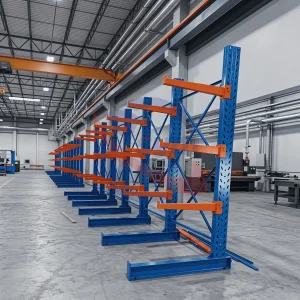
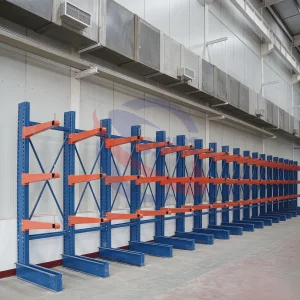
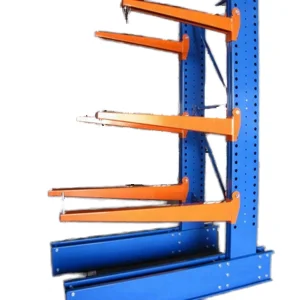
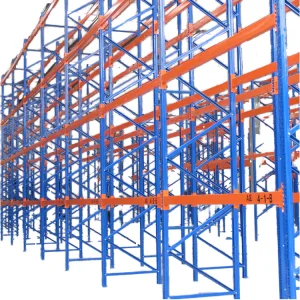
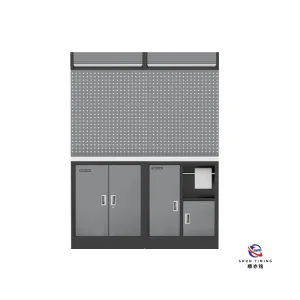
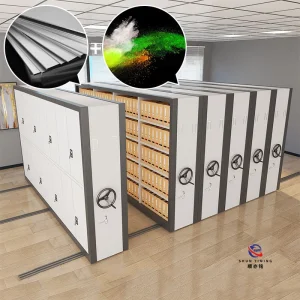
Engineered for long, bulky, and non-standard loads. Select from our high-performance industrial rack assemblies.
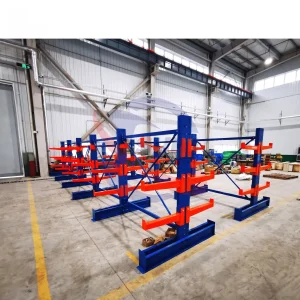
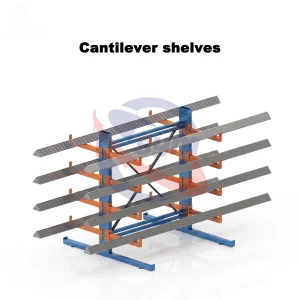
The international logistics landscape is experiencing a structural paradigm shift. Heavy industries, timber processing complexes, and metal service distribution centers are under constant pressure to transition away from inefficient floor storage to optimized vertical footprint storage solutions. Cantilever rack architectures are critical in this macro transition.
Key industry vectors currently driving development include:
According to global logistics hardware intelligence reports, the demand for industrial cantilever systems is projected to achieve a CAGR of 6.2% through 2030, heavily supported by infrastructure developments, expanding distribution networks, and the rapid growth of structural building materials eCommerce.
Understanding the structural factors that differentiate general storage from certified engineering structures.
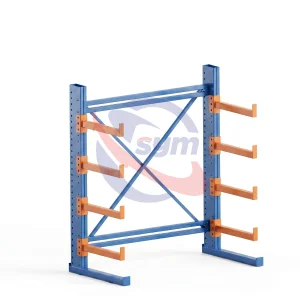
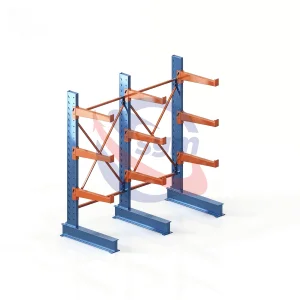
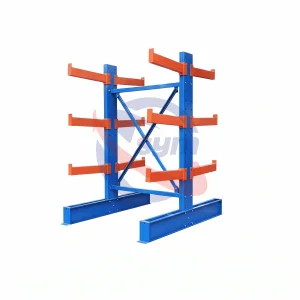
Constructed from high-grade structural steel (ASTM A1011 or Q355B equivalent), these vertical columns are pre-punched with continuous hole patterns to allow seamless structural arm height adjustments. Column selection varies from light-gauge roll-formed sections up to heavy structural I-beams designed to absorb lateral dynamic loads.
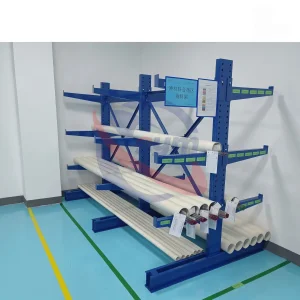
Arms are secured to the columns via high-strength steel pins, minimizing structural deflection. Options include taper designs to compensate for load deflection, with removable retaining pins or welded end-stops to prevent cylindrical materials, like tubing, from rolling off the rack structure.
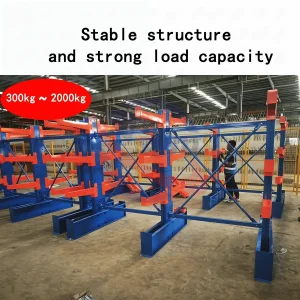
Heavy structural bases transfer vertical forces directly into concrete warehouse slabs. Horizontal and diagonal brace sets form a rigid structural box truss assembly, preventing lateral twist and ensuring reliable seismic resistance across high vertical rack frames.
Our structural engineers use Finite Element Analysis (FEA) to verify load capacity. Dynamic stress calculations ensure cantilever arms maintain a deflection ratio of less than L/180 under full rated capacity, adhering to strict American Rack Manufacturers Institute (RMI) standards.
A strategic framework for procurement directors, 3PL logistics managers, and operations leads looking to verify international suppliers.
When sourcing overseas products, calculations must extend beyond the FOB port price. Buyers should evaluate container packing configurations to prevent shipping damage, verify ease of field assembly to reduce site labor costs, and confirm post-installation parts compatibility for future storage extensions.
Guci Storage's efficient container configurations maximize volume utilization by 22%, saving significant ocean freight costs per unit.
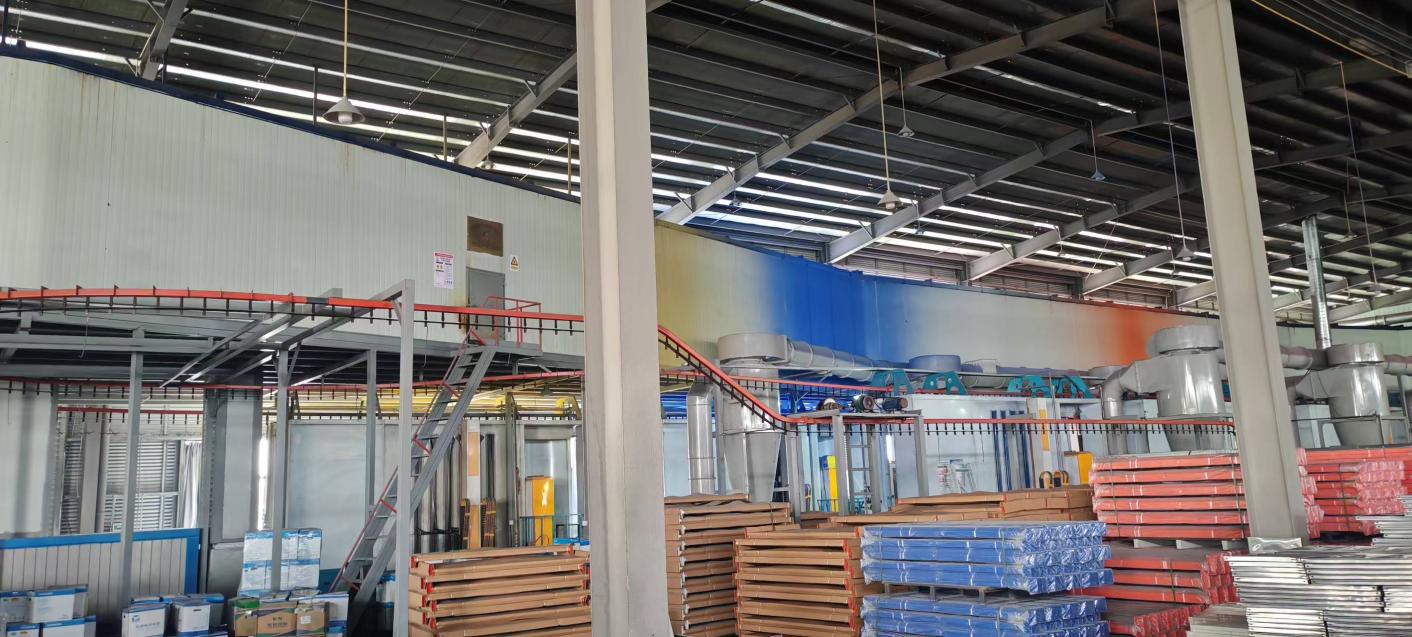
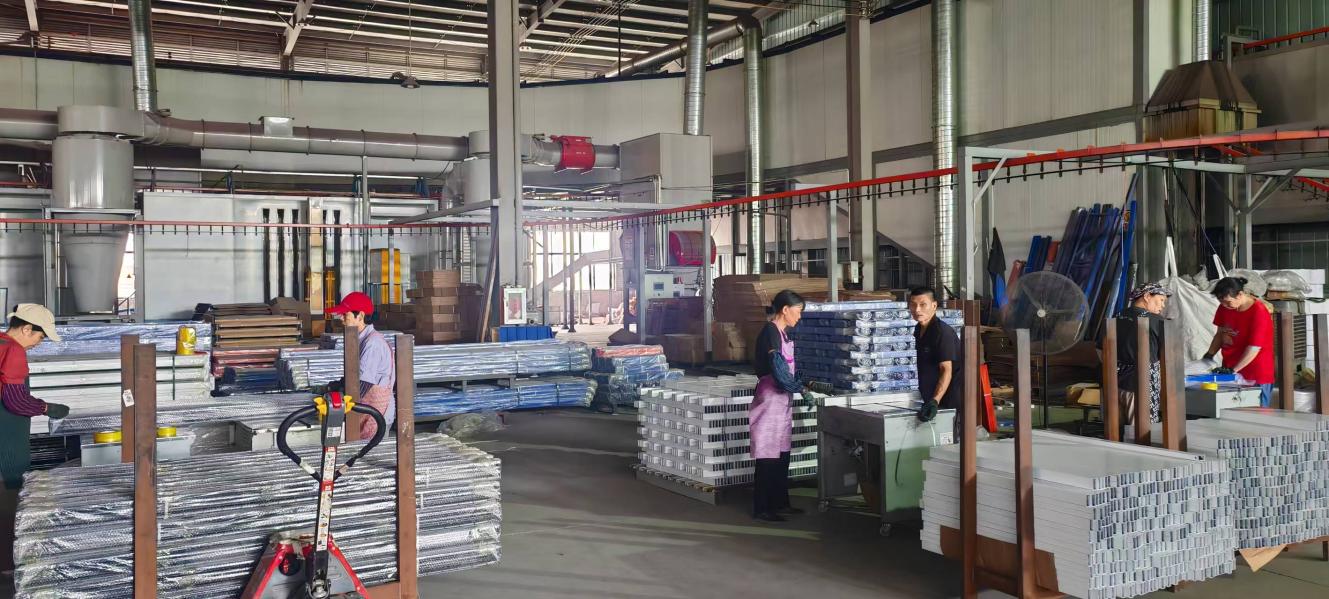
Established in 2015, Guci Storage Equipment (Suzhou) Co., Ltd. is a leading B2B manufacturer specializing in heavy-duty warehouse racking and industrial storage solutions. Spanning a modern manufacturing facility of 35,000 m², the company brings over 11 years of deep industry expertise and 8 years of global trade experience, serving client bases across North America, Europe, and Southeast Asia with an annual export revenue reaching $18 million.
Innovation drives our success. Supported by a skilled team of 18 R&D engineers, Guci Storage offers comprehensive OEM/ODM customization options, tailoring load capacity, dimensions, structural layouts, and surface finishes to meet specific site requirements. In the past year alone, our team successfully launched 45 new product designs to optimize modern high-density warehouse efficiency.
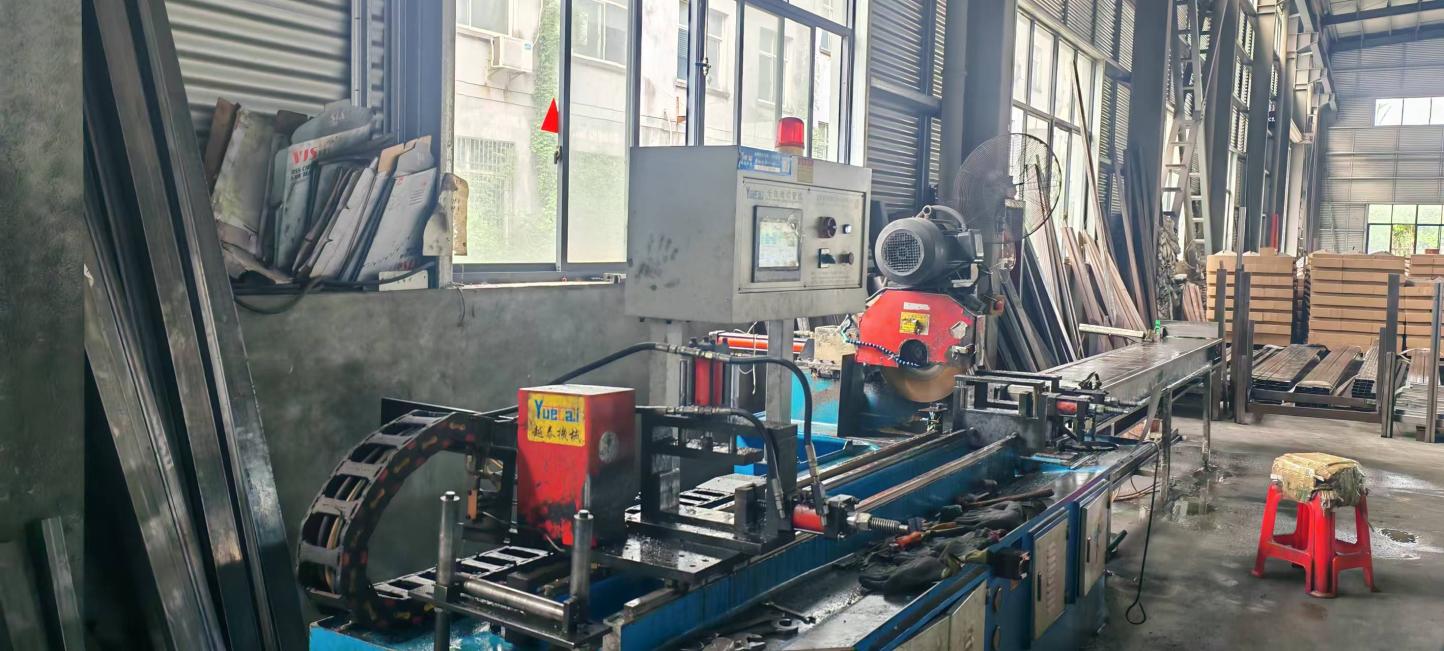
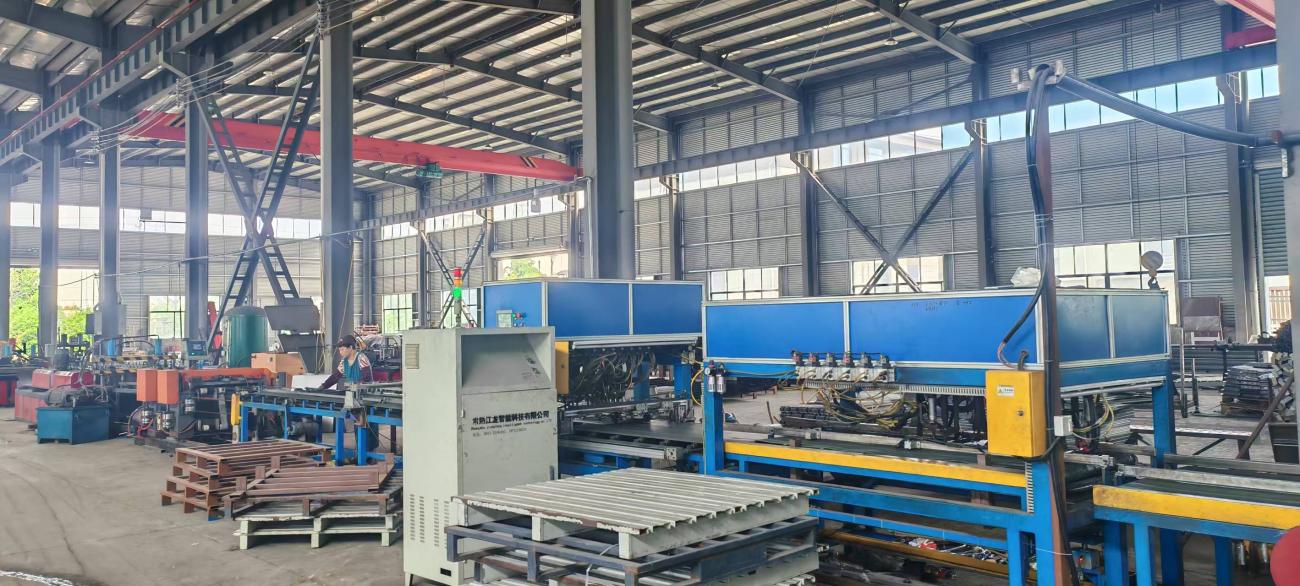
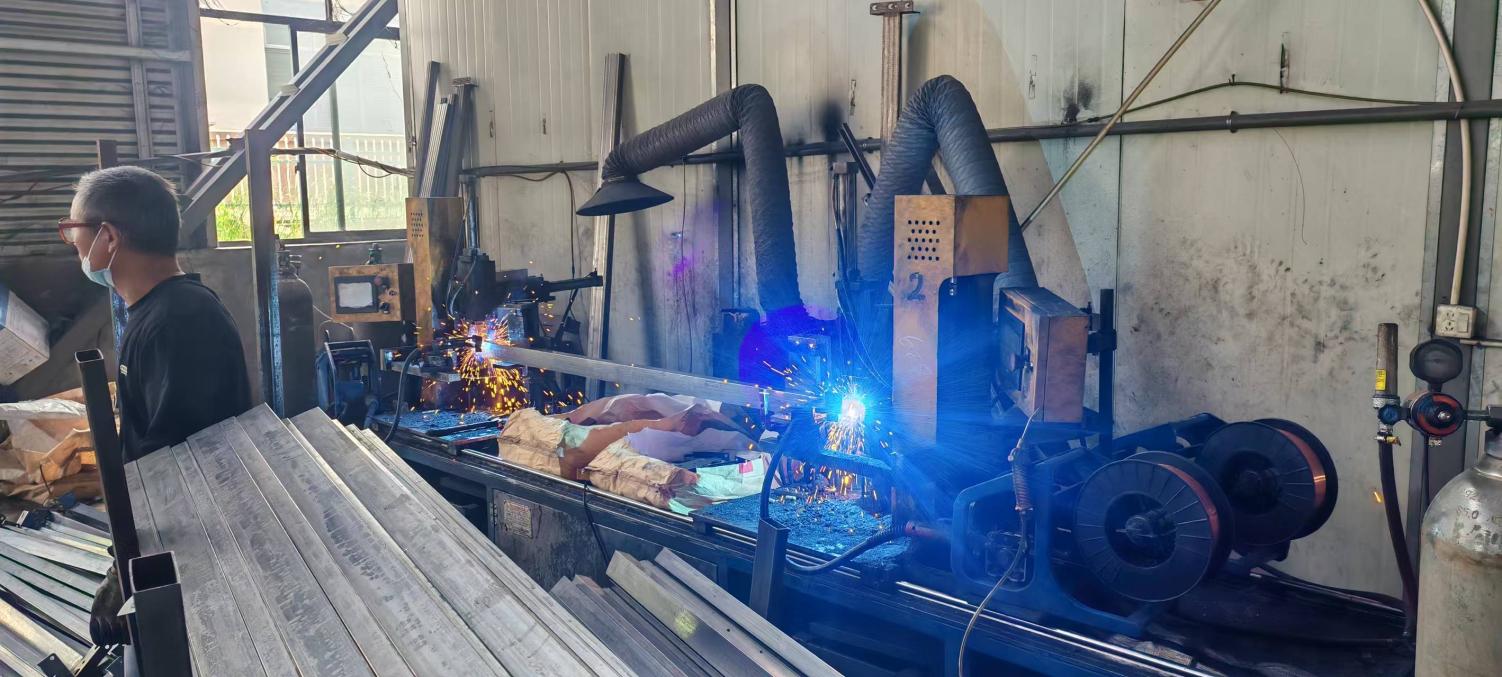
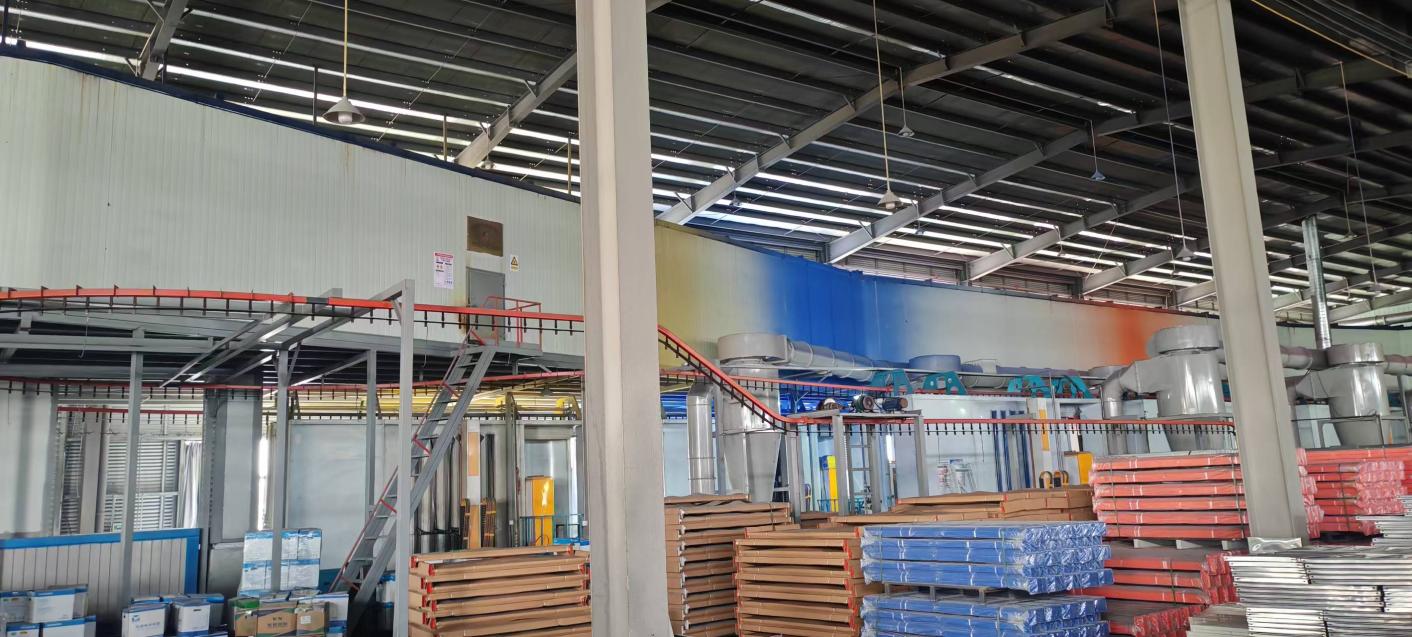
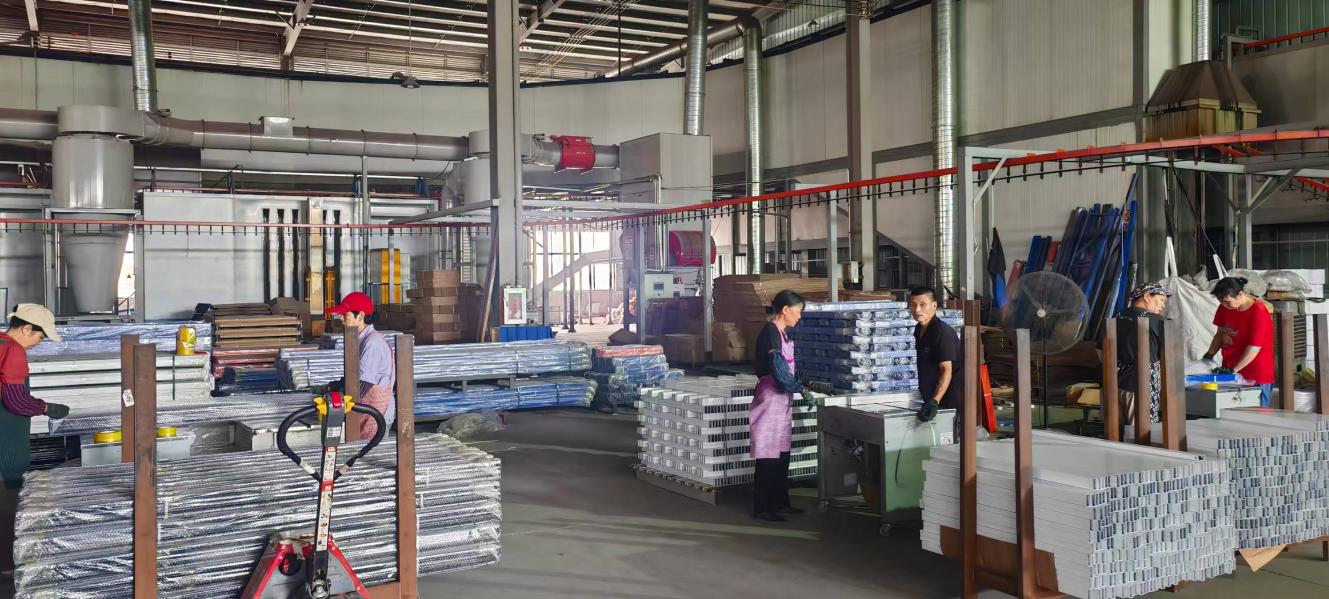
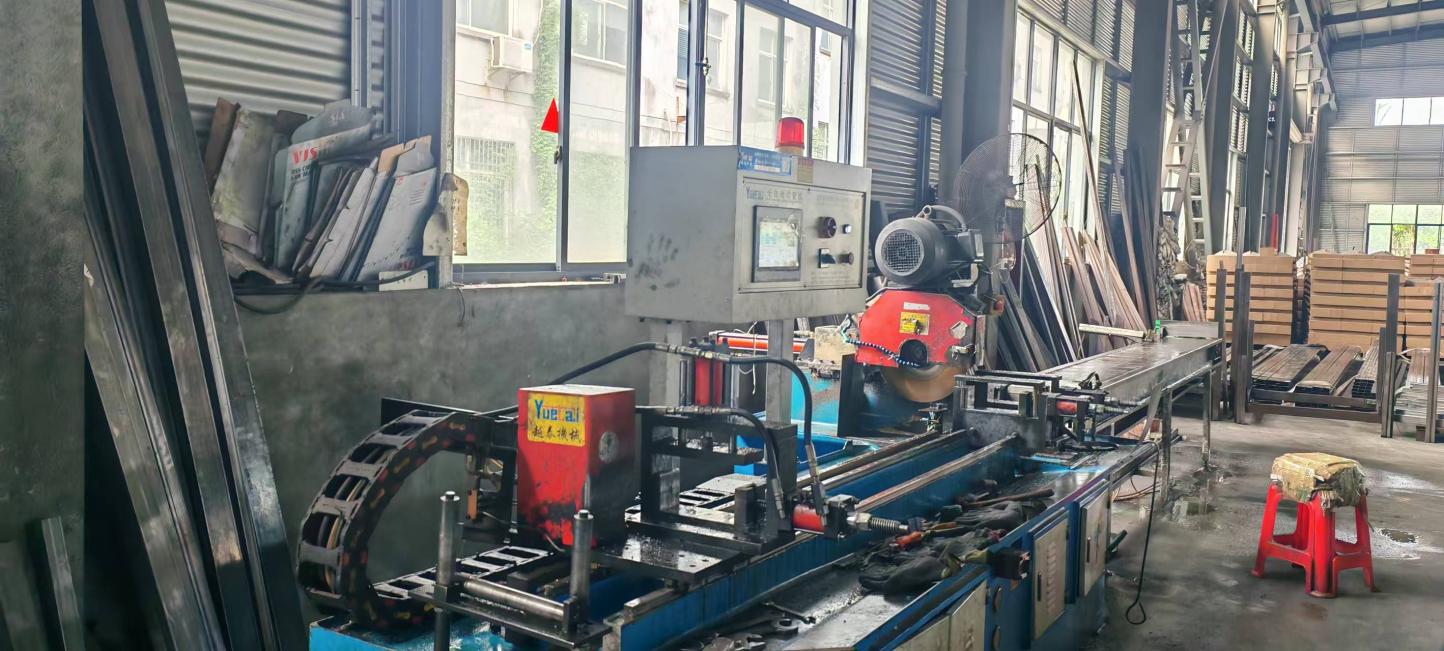
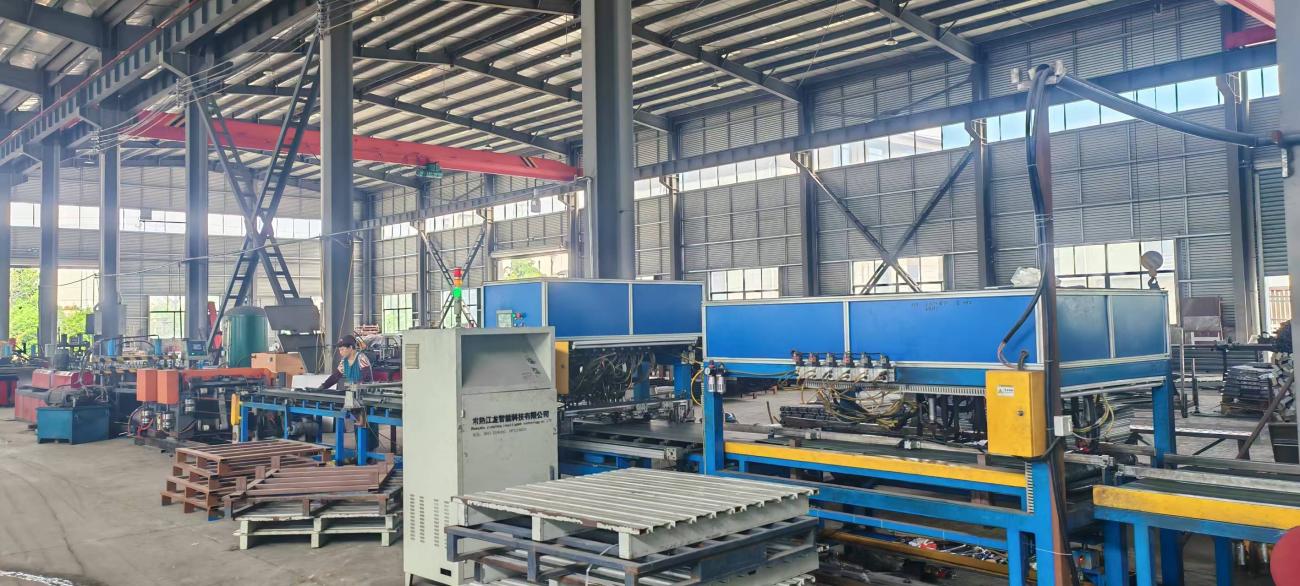
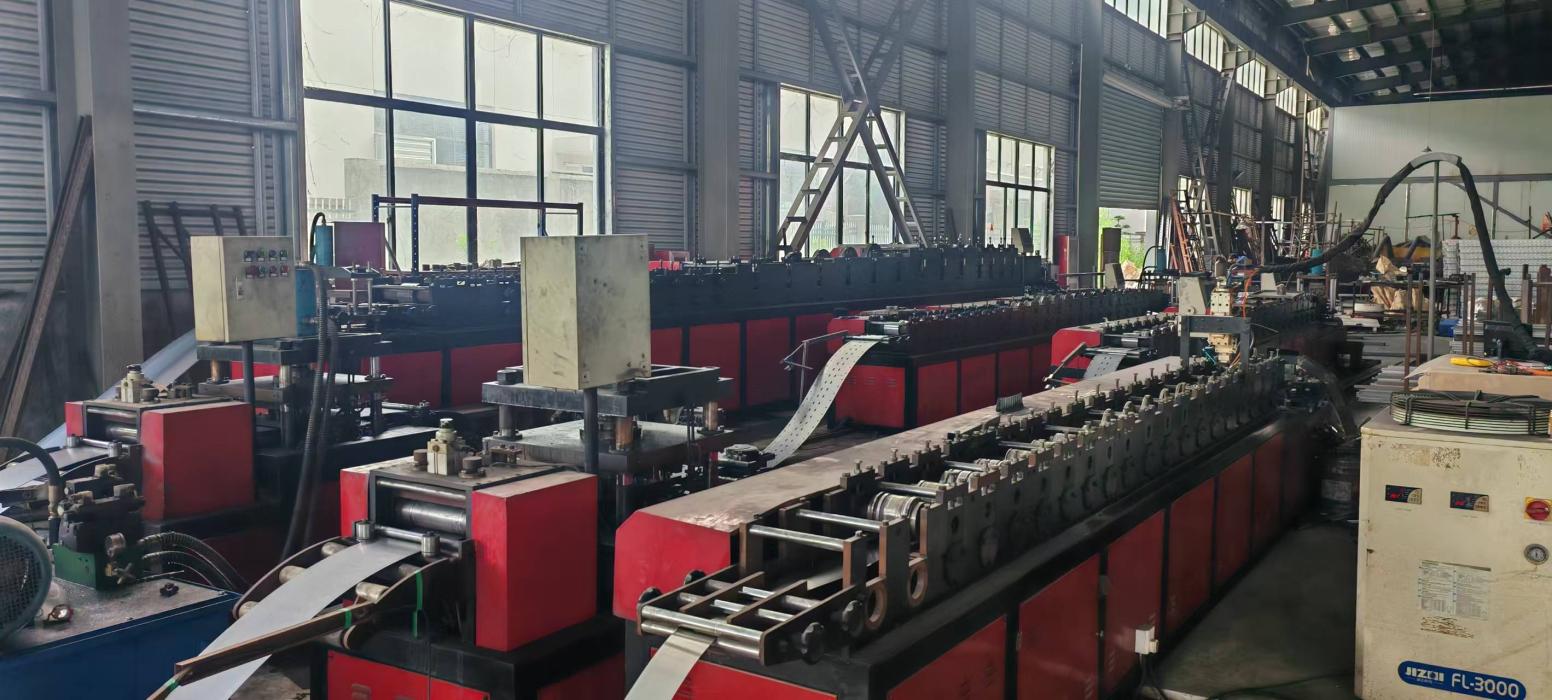
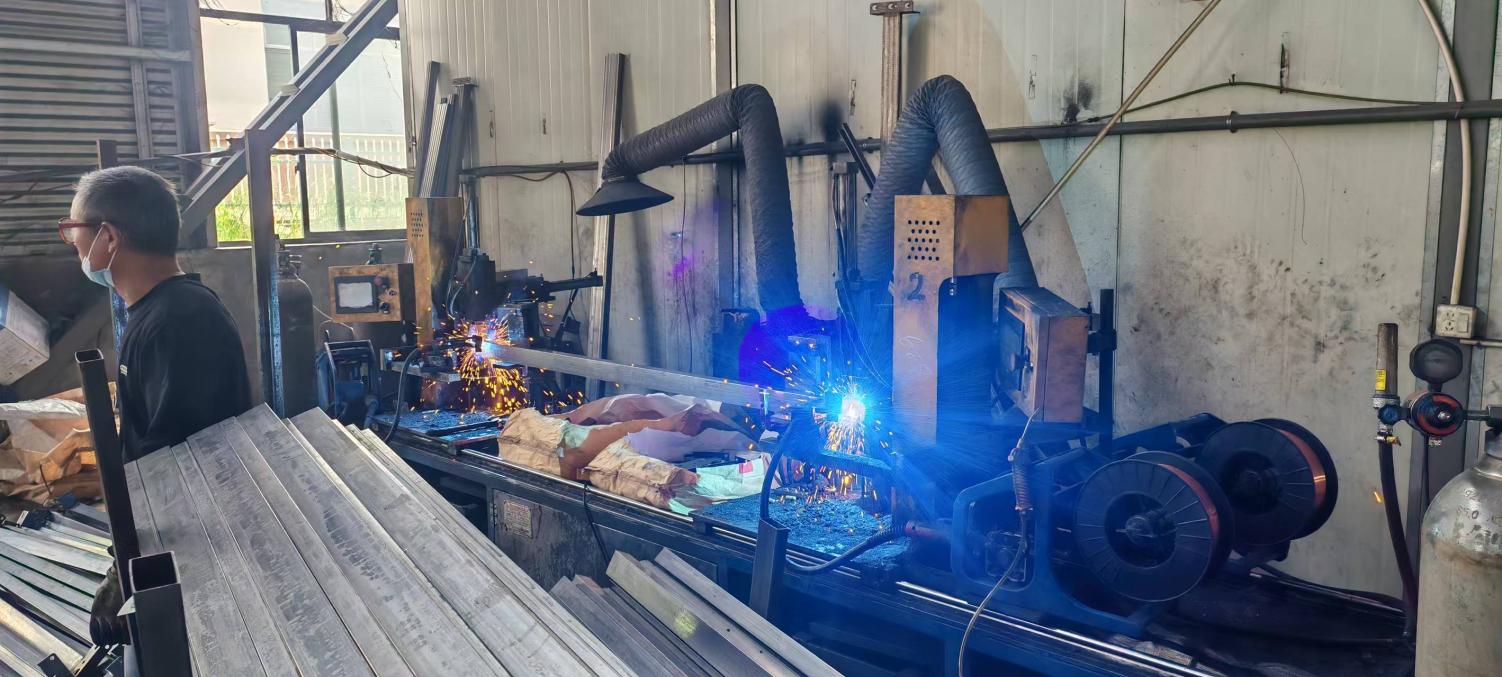
Through advanced engineering, we maintain strict control over our material supply chain and production workflows.
To maintain superior product standards, Guci Storage enforces a rigorous quality management process—combining ultrasonic flaw detection, load-capacity stress testing, and surface coating thickness inspections. Our dedicated quality control team of 25 QA/QC professionals ensures every rack system complies with international safety standards such as ISO9001 and CE.
How our tailored engineering integrates into global sectors to optimize space utilization.
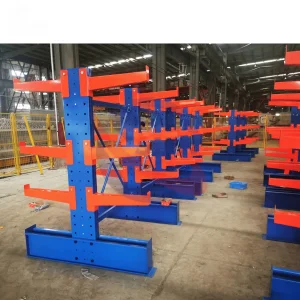
Lumber packages, wood panels, and trim components require continuous, even support to prevent product bending. Guci's wide-spaced double-sided cantilever systems provide open support spacing, protecting timber inventory while maximizing forklift accessibility.
Dense carbon steel bars, industrial tubing, and structural profiles present high concentrated loads. Our heavy structural I-beam systems feature heavy-duty welded end stops and high-capacity columns designed to carry heavy steel products safely.
Delicate aluminum profiles demand storage solutions that protect surface finishes. We design custom cantilever arms equipped with non-marking plastic, rubber, or wood linings, preventing metal-on-metal friction and ensuring component quality.
The technological direction of material handling environments through 2030.
Integration of real-time load sensors into cantilever arms. These strain gauge arrays detect structural overloading and off-center placement, communicating directly with warehouse operations to improve workplace safety.
Replacing traditional zinc baths with zinc-aluminum-magnesium alloy coatings. This alternative provides three times the corrosion resistance of standard hot-dipped galvanization, reducing ecological footprint and ensuring longer outdoor product lifespans.
Using generative algorithms to automatically design warehouse racking configurations. By analyzing seismic datasets, inventory throughput profiles, and material handling dimensions, AI tools generate optimized warehouse layouts within hours.
Understanding localized safety codes, regulatory requirements, and seismic considerations.
Different jurisdictions enforce distinct warehouse safety standards. While European operations follow EN 15635 and FEM configurations, North American facilities require compliance with ANSI/RMI MH16.1. Guci Storage provides regional engineering analysis to ensure every project is designed and approved for local compliance.
We collaborate with local engineering networks to secure PE (Professional Engineer) stamps, confirming installation safety compliance with local municipal building regulations.
Installing racking in seismic areas like California (US) or Shizuoka (Japan) requires specific design adjustments. Standard base plates are enlarged, steel grades are verified, and heavy-duty anchors are specified to withstand seismic forces. Guci Storage calculates dynamic base-moment forces for every project to ensure structural safety.
Professional structural feedback addressing the critical design and layout questions of industrial buyers.
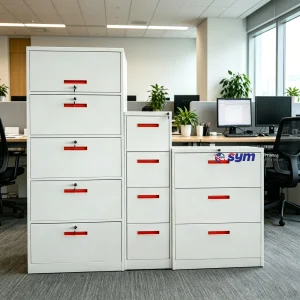
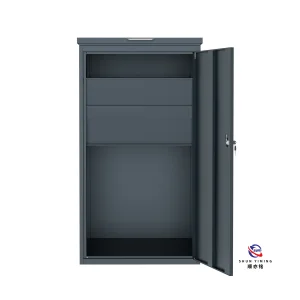
Explore our full line of industrial storage systems, workbench systems, and smart lockers.
 GuciRack