10 Best Longspan Storage Racks for Global Buyers

Time:2026-09-18 Author:Amelia
0%

Warehouse space is becoming more expensive, while product ranges are becoming wider. For global buyers, Longspan Storage offers a practical bridge between shelving and pallet racking. It supports cartons, tools, spare parts, archive boxes, and medium-weight inventory without requiring forklifts for every retrieval.

MHI’s 2024 Annual Industry Report states that 55% of supply chain leaders plan to increase technology and innovation investment. That finding matters because storage equipment must support faster, more visible operations. The right rack can improve picking routes, vertical space usage, and stock organization. The wrong rack creates unstable loads, blocked aisles, and avoidable handling delays.

Capacity is only one measure.

This guide reviews 10 best Longspan Storage racks for global buyers, considering load ratings, beam adjustment, decking choices, corrosion resistance, assembly methods, and supplier documentation. These factors reflect common procurement concerns across warehouses, workshops, retail backrooms, and distribution facilities. The analysis also considers information published by the U.S. Occupational Safety and Health Administration, whose material-handling guidance emphasizes stable storage, clear aisles, and controlled loading practices.

No single rack suits every facility. A compact workshop may need shallow bays and adjustable shelves, while an e-commerce warehouse may require deeper frames and faster access. Regional standards, floor conditions, climate, and installation skills can also change the final choice. Some product specifications appear impressive on paper but remain difficult to verify without independent testing. That weakness deserves attention.

The rankings therefore focus on usable performance, not advertising language. They aim to help buyers compare systems carefully, request reliable technical evidence, and avoid paying for capacity they cannot safely use.
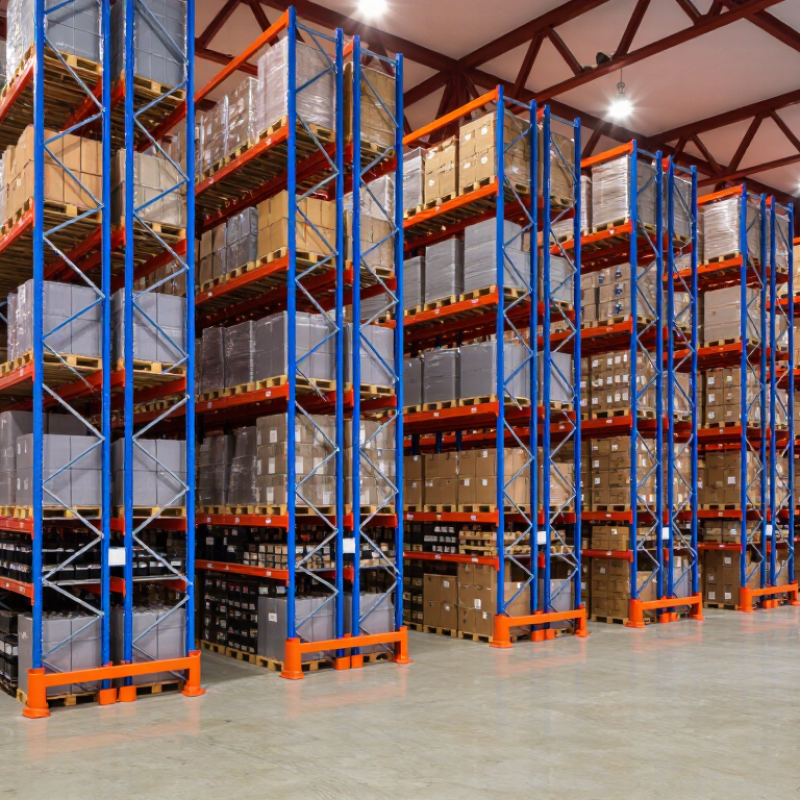
10 Best Longspan Storage Racks for Global Buyers

What Longspan Storage Racks Are and How They Work

10 Best Longspan Storage Racks for Global Buyers

What Longspan Storage Racks Are and How They Work

Longspan storage racks are modular shelving systems for bulky, hand-loaded goods. They bridge the gap between small-bin shelving and pallet racks. Each bay uses vertical uprights, horizontal beams, and adjustable levels. Steel or wood decking creates a stable surface for cartons, tools, and spare parts.

A typical bay may hold several hundred kilograms per level, but capacity is never universal. Beam length, steel thickness, decking, and load distribution all matter. I would not trust a catalog number alone. A practical check involves placing a 20-kilogram carton near the beam center, then reviewing deflection and connector security. That small test can expose weak assumptions.

The system works through clipped or bolted connections. Workers adjust beam heights to match product dimensions, reducing wasted air. This matters as warehouse space becomes more expensive. The 2024 MHI Annual Industry Report identifies labor and talent shortages as major supply-chain pressures. Accessible, manually operated racks can reduce unnecessary handling steps. Still, “easy to assemble” does not mean “safe without inspection.”

OSHA’s general-industry guidance uses four feet as a fall-protection threshold, while EN 15635 emphasizes regular rack inspections in European workplaces. Global buyers should request load plaques, installation drawings, material certificates, and inspection procedures. Local engineering rules may differ. That is the inconvenient part. A rack that fits the floor plan may fail the operating reality.

Key Criteria for Comparing Longspan Storage Racks Worldwide

Comparing longspan storage racks across countries requires more than checking the lowest quoted price. In practical warehouse reviews, the first test is capacity: shelf load, bay width, beam span, and expected handling frequency. A rack holding boxed electronics faces different demands from one storing metal parts. Ask for tested load data, not optimistic estimates. Clear labels matter. So does visible damage guidance. A perfect rack does not exist.

Dimensions must match the building, pallet access, and local workflow. Measure aisle clearance with loaded carts, not empty tape lines. Adjustable levels help when cartons change. Yet excessive adjustment can reduce rigidity if locking points are poorly designed. Check frame thickness, bracing, base plates, and floor anchoring. For humid ports, inspect coating quality and corrosion resistance. For colder sites, ask how materials behave during temperature swings.

Global buyers should review applicable safety standards, installation instructions, inspection schedules, and replacement-part access. Supplier drawings should show tolerances, fastener grades, and maximum bay loads. Independent test reports add credibility, but they do not replace site assessment. Compare packing quality, lead times, customs documents, and technical support in the destination language. A lower price can become expensive after damaged panels or missing hardware. Leave room for revision. Storage needs change faster than forecasts. Pilot one bay, record installation time, and let warehouse staff challenge the specification. Their feedback may expose a flaw that a spreadsheet misses.

Ten Leading Longspan Storage Rack Options for Global Buyers

10 Best Longspan Storage Racks for Global Buyers

Ten Leading Longspan Storage Rack Options for Global Buyers

Global buyers need more than a tall frame and attractive price. The World Bank’s 2023 Logistics Performance Index covered 139 economies and stressed reliability, speed, and supply-chain resilience. Longspan racks support these goals when their dimensions match real inventory. The ten leading options include boltless shelving, adjustable steel racks, clip-in systems, heavy-duty racks, back-to-back rows, mobile units, carton-flow shelves, multi-tier frames, plywood-deck racks, and pallet-compatible longspan systems.

Each option solves a different warehouse problem. Boltless and clip-in designs suit frequent layout changes. Heavy-duty and pallet-compatible models handle dense loads, but only with verified beam capacity. Carton-flow shelves improve picking speed for small cartons. Mobile units save floor space, although rails need accurate installation. Multi-tier systems increase vertical storage, yet poor lighting can create unsafe handling conditions. ISO 8611 pallet testing data reminds buyers that load performance depends on pallet design, support spacing, and deflection limits.

Small details matter.

A 2,400-millimeter beam may fit the room but waste usable aisle width. A 900-millimeter shelf may hold cartons poorly if operators need both hands. Industry market studies, including Grand View Research’s industrial racking analysis, indicate continued growth in warehouse storage demand through this decade. Still, forecasts are not specifications. I would not select a rack from market trends alone. Request load tables, coating information, installation tolerances, inspection guidance, and replacement-part availability. A clean catalogue image can hide weak anchoring, uneven floors, or difficult assembly. Test one bay with actual cartons before approving a global rollout.

10 Best Longspan Storage Racks for Global Buyers

Ten leading longspan storage rack configurations compared by typical rated load per shelf.

The chart presents representative, non-branded longspan rack configurations commonly specified for warehouses, workshops, archives, retail backrooms, and light industrial storage. Rated capacities are typical reference values for evenly distributed loads; actual performance depends on beam design, shelf material, frame height, anchoring, installation quality, and local safety standards.

How to Match Rack Types with Products, Spaces, and Workloads

10 Best Longspan Storage Racks for Global Buyers

Choosing longspan storage racks starts with the product, not the catalog image. Small cartons need adjustable levels and smooth shelf surfaces. Heavy tools require reinforced beams, stable frames, and clear load ratings. Long materials may need wider bays or cantilever-style support. Mixed inventory often benefits from modular shelves, dividers, and labeled zones. Keep frequently picked items between waist and shoulder height. It reduces bending and improves picking speed.

Space changes the right rack design. Measure ceiling height, aisle width, door clearance, and floor condition before ordering. A rack that fits the floor plan may still block sprinklers or handling equipment. In humid areas, corrosion-resistant finishes deserve closer attention. Cold rooms may require materials that remain reliable at low temperatures. Always verify local installation and load requirements. They vary by market.

Workload matters just as much. Manual picking suits accessible shelves and moderate heights. Frequent replenishment needs strong connections and easy beam adjustment. Occasional storage can use deeper levels, but depth may hide slow-moving products. During warehouse reviews, teams often underestimate future inventory growth. I have seen “perfect” layouts become crowded within months. Leave practical expansion space, even when the budget feels tight. Test one loaded bay before approving the full purchase. Small mistakes become expensive across a global shipment.

10 Best Longspan Storage Racks for Global Buyers - How to Match Rack Types with Products, Spaces, and Workloads

Rank Rack Type Typical Bay Size
(W × D × H)
Typical Shelf Load Best Product Match Recommended Space Suitable Workload Key Advantages Main Limitations
1 Adjustable Clip-In Longspan Rack 1,800–2,400 × 450–800 × 1,800–3,000 mm 150–500 kg per shelf Cartons, spare parts, tools, packaged goods Warehouses, stockrooms, distribution areas Frequent picking and changing inventory Tool-free shelf adjustment; flexible configuration; good access from both sides Requires correct beam and shelf locking; capacity varies by span and deck type
2 Heavy-Duty Steel-Deck Longspan Rack 1,800–2,700 × 600–1,200 × 1,800–3,600 mm 300–800 kg per shelf Engines, machine parts, metal components, dense cartons Industrial stores and maintenance rooms Heavy manual handling and moderate picking frequency High rigidity; durable steel decking; suitable for concentrated loads Higher cost and dead weight; often needs floor anchoring at taller heights
3 Wire-Deck Longspan Rack 1,800–2,400 × 450–900 × 1,800–3,000 mm 150–450 kg per shelf Open cartons, bins, containers, packaged food and supplies Clean, ventilated, or sprinkler-protected storage areas High-visibility picking and regular stock rotation Good airflow and visibility; helps prevent dust accumulation; easy inspection Small loose items may require bins or shelf liners; wire mesh can mark delicate goods
4 Particleboard or MDF-Shelf Rack 1,500–2,400 × 400–800 × 1,800–2,400 mm 100–300 kg per shelf Books, light cartons, office supplies, small retail inventory Archives, offices, retail backrooms, dry indoor rooms Light to medium manual picking Flat, continuous shelf surface; economical; suitable for small loose items Less suitable for moisture, fire exposure, or highly concentrated loads
5 Bin-Fitted Longspan Rack 1,200–2,400 × 400–600 × 1,800–2,400 mm 100–350 kg per shelf Fasteners, electrical parts, hardware, small spare parts Parts rooms, repair workshops, assembly areas High-SKU, high-frequency picking Improves item identification; reduces search time; supports organized SKU segregation Bins consume usable volume and add cost; not ideal for oversized products
6 Back-to-Back Longspan Rack Each bay: 1,800–2,400 × 450–800 × 1,800–3,000 mm 150–500 kg per shelf Mixed cartons, bins, parts, and medium-sized products Central warehouse aisles and compact stockrooms High storage density with two-sided access Uses both sides of a rack run; increases storage density without extra height Requires a wider aisle arrangement; back-to-back rows need proper bracing
7 Multi-Tier Longspan Rack 1,800–2,400 × 450–900 × 3,000–6,000 mm 150–400 kg per shelf Light cartons, e-commerce orders, apparel, archive boxes High-ceiling warehouses with limited floor area Very high SKU counts and intensive manual order picking Uses vertical volume; creates multiple accessible picking levels Needs stairs, handrails, access planning, and strict load distribution
8 Mobile Longspan Rack 1,200–2,400 × 400–800 × 1,800–2,400 mm per unit 100–400 kg per shelf Archives, documents, tools, low-turnover spare parts Small rooms where floor space is expensive Low to moderate retrieval frequency Reduces permanent aisles; increases storage capacity in a confined footprint Slower access than open fixed racks; floor strength and levelness are critical
9 Longspan Rack with Dividers 1,500–2,400 × 400–600 × 1,800–2,400 mm 100–350 kg per shelf Profiles, pipes, rolls, sheet goods, long packaged items Workshops, building-material stores, production support areas Mixed-size products requiring separation and quick identification Prevents product mixing; improves vertical organization; supports long-item storage Dividers reduce clear shelf width; long or unstable items may need end stops
10 Modular Expandable Longspan Rack 1,500–2,700 × 450–900 × 1,800–3,000 mm 150–500 kg per shelf Seasonal stock, mixed cartons, project materials, general inventory Growing warehouses and facilities with changing layouts Variable demand and phased warehouse expansion Easy to extend, reconfigure, and combine with different shelf types Mixed components require compatibility checks; expansion should follow the original load design

Note: Load capacities are typical planning ranges for evenly distributed loads under normal indoor conditions. Actual capacity depends on span, shelf material, frame design, beam profile, bracing, floor conditions, installation quality, and local safety requirements. Always confirm the certified load rating before purchase or installation.

Safety, Installation, Maintenance, and International Purchasing Tips

10 Best Longspan Storage Racks for Global Buyers

Longspan storage racks reward careful selection, not attractive catalog photographs. For global buyers, the safest choice matches beam length, deck type, load rating, and local handling equipment. During warehouse audits, I check upright plumbness, beam locking pins, damaged welds, and visible load plaques. A rack can look strong and still hide a dangerous overload.

OSHA 29 CFR 1910.176(b) requires stored materials to remain stable and secure against sliding or collapse. That principle should guide every installation, even where OSHA is not the governing authority.

MHI’s 2024 Annual Industry Report found 83% of supply-chain leaders expect technology investment to increase. That pressure can encourage rushed purchases. Do not let automation plans replace a basic structural review.

Tips: Ask suppliers for certified load calculations, steel specifications, and installation tolerances. Confirm whether seismic design, anchoring, and fire-clearance requirements apply at the destination. Use independent inspection after installation. Photograph each bay before loading. Maintenance needs discipline: inspect monthly, isolate damaged bays, and record repairs.

HSE guidance stresses planned inspections by competent people, but schedules vary by risk. In practice, weekly visual checks are sensible in busy facilities, though not universally sufficient.

International shipping adds uncertainty. Verify corrosion protection, packaging, customs documents, replacement parts, and translation quality before payment.

One uncomfortable lesson remains: the cheapest rack may become the costliest decision after a small impact.

FAQS

What should buyers compare when reviewing longspan storage racks globally?

Compare load capacity, bay width, beam span, dimensions, handling frequency, and tested performance. Price alone is not enough.

Why is tested load data important?

Ask for verified shelf and bay loads. Optimistic estimates can fail when heavy cartons or metal parts are stored.

How should warehouse dimensions be measured?

Measure ceiling height, aisle clearance, door openings, floor condition, and sprinkler space. Use loaded carts, not empty tape lines.

Which rack features support mixed inventory?

Adjustable levels, dividers, modular shelves, and clear labels help manage different carton sizes. Too much adjustment may weaken rigidity.

How should rack design match handling work?

Manual picking suits accessible shelves at moderate heights. Keep frequent items between waist and shoulder level.

What should buyers check in humid or cold locations?

Inspect corrosion-resistant coatings in humid areas. Ask how materials perform during temperature changes and low temperatures.

What documents should an overseas supplier provide?

Request drawings showing tolerances, fastener grades, and maximum bay loads. Installation instructions and inspection schedules also matter.

Why can a low quotation become expensive?

Damaged panels, missing hardware, customs delays, or weak technical support can increase total costs. Cheap is not always cheap.

Should buyers test the complete order before approval?

Test one loaded bay first. Record installation time, then invite warehouse staff to challenge the design.

How much future expansion space should a warehouse leave?

Leave practical room for inventory growth. I have seen perfect layouts become crowded within months. Forecasts can be wrong.

Conclusion

This guide explains what Longspan Storage racks are, how their adjustable beams and sturdy frames support organized, accessible inventory, and why they are widely used in warehouses, workshops, retail backrooms, and industrial facilities. It presents ten leading rack options for global buyers, comparing their load capacity, dimensions, adjustability, materials, durability, accessibility, space efficiency, and suitability for different operating conditions. The focus is on practical selection rather than brand promotion, helping readers understand how each design performs in real storage environments.

The article also shows how to match rack types with product sizes, storage spaces, handling methods, and workload levels. It covers essential considerations for safe use, including stable installation, proper load distribution, routine inspections, maintenance, and clear operating procedures. For international purchasing, buyers will also learn to evaluate specifications, packaging, documentation, delivery arrangements, assembly requirements, and after-sales support so they can choose reliable Longspan Storage solutions that balance performance, safety, flexibility, and long-term value.

Amelia

Amelia

Amelia is a seasoned marketing professional with a wealth of expertise in our company’s core offerings. With an unwavering passion for driving growth and innovation, she plays a pivotal role in shaping our marketing strategies and enhancing brand visibility. A key aspect of her responsibilities......