In today's fast-paced and evolving logistics industry, warehouse efficiency is paramount. Companies seek storage solutions that optimize space and enhance productivity. Cantilever storage stands out as a flexible and effective option. This system allows for the easy storage of various items, especially longer materials such as pipes and lumber.
Cantilever storage systems can maximize vertical space. They reduce the need for heavy lifting equipment. With simple adjustments, users can customize the setup to fit changing inventory needs. However, selecting the right cantilever storage requires careful planning. Understanding the weight limits and dimensional considerations is crucial. Often, inefficiencies arise from miscalculations in these areas.
Moreover, while cantilever storage offers numerous benefits, it is vital to assess your specific needs. This system may not be the best fit for all types of inventory. Analyzing your warehouse's design and workflow can lead to better decisions. Ultimately, choosing cantilever storage can significantly streamline operations when correctly implemented.
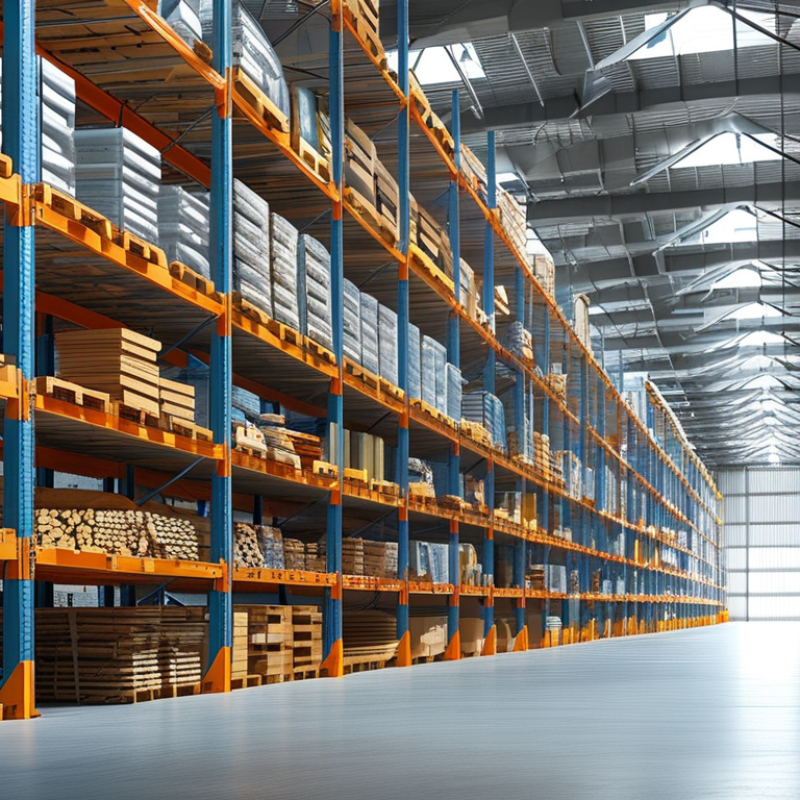
Benefits of Cantilever Storage for Warehouse Efficiency
Cantilever storage is an effective solution for warehouses handling long and bulky items. It provides high-density storage while maximizing floor space.
According to a report by the Material Handling Industry of America, implementing cantilever racks can increase storage efficiency by up to 30%.
This means more products can be stored in the same area, reducing overall operational costs.
The design of cantilever racks allows easy access to stored goods. Items can be loaded and unloaded with minimal obstruction.
This streamlines operations and reduces the risk of accidents.
A study conducted by the Warehousing Education and Research Council found that warehouses using cantilever storage improved picking accuracy by 25%.
This increase directly contributes to enhanced customer satisfaction and reduced returns.
While cantilever storage has many benefits, it's not a one-size-fits-all solution.
It requires careful planning and consideration of specific warehouse needs.
Implementing restocking procedures and training staff can mitigate potential operational inefficiencies.
Ultimately, aligning cantilever storage with your unique requirements is crucial for maximizing its benefits.
Key Features of Cantilever Racking Systems
Cantilever racking systems are designed for efficiency and versatility in warehouse environments. Their open design allows for easy loading and unloading of goods, especially long and bulky items. According to data from the Warehousing Research Institute, cantilever racks optimize space utilization by up to 40%. This is crucial for warehouses dealing with various sizes of inventory.
A key feature of cantilever storage is its adjustable arms. Users can customize the height and spacing of the arms to accommodate different product dimensions. This flexibility supports diverse inventory types, from piping to furniture. Furthermore, the stability of these racks can handle heavy loads, with some systems rated for capacities exceeding 10,000 lbs per arm. However, it's essential to evaluate the warehouse’s layout before installation, as poorly planned spaces may lead to inefficiencies.
Another consideration is the maintenance of cantilever racks. Regular inspections are vital to ensure safety and longevity. Over time, racks may show signs of wear or damage, impacting their structural integrity. Industry standards recommend annual assessments to maintain safety compliance. By being proactive, warehouses can avoid costly downtimes and maintain a productive environment.
Comparative Analysis: Cantilever vs. Traditional Storage Solutions
Cantilever storage offers distinct advantages over traditional storage methods, particularly in warehouse efficiency. According to industry reports, cantilever systems can increase storage capacities by up to 50%. This design accommodates long and awkwardly-shaped items without the constraints of shelves, making it ideal for construction materials, pipes, and lumber.
Conversely, traditional racking systems often limit accessibility for bulkier items. They typically require more aisle space, leading to wasted area. Data shows that warehouses using cantilever storage can reduce their square footage by nearly 30%. This space optimization can translate into significant cost savings. However, maintaining proper inventory control can be a challenge with cantilever systems. Items can become disorganized if not managed correctly.
Another point of consideration is safety. Cantilever racks, when installed properly, can offer enhanced stability. Yet, improper loading can pose risks. Studies indicate that nearly 25% of warehouse accidents result from incorrect storage practices. Having staff trained on best practices is crucial for minimizing these risks. As such, assessing the trade-offs is vital for any warehouse manager seeking to improve operational efficiency.
Factors to Consider When Choosing Cantilever Storage
When considering cantilever storage for your warehouse, several factors come into play. First, assess the types of items you need to store. Cantilever racks are ideal for long and bulky items. Think about pipes, lumber, or furniture. Ensure your warehouse ceiling height accommodates such storage options.
Next, consider the layout of your warehouse. Cantilever storage requires more aisle space than traditional shelving. Determine if your workflow allows for this extra space. It’s crucial to balance efficiency and accessibility. Consider potential obstructions that may hinder movement around the aisles.
Safety is paramount when choosing any storage solution. Check the load capacities of the cantilever racks. Underestimating this can lead to accidents. Regular maintenance should also be part of your planning. Driving equipment around these structures requires training. Staff must be aware of safety protocols to prevent injuries.
Reflect on your current setup and identify areas for improvement in safety and efficiency.
Best Practices for Implementing Cantilever Storage in Warehouses
Cantilever storage systems offer a flexible solution for warehouse needs. They are particularly suited for storing long, bulky items. Implementing this type of storage requires careful planning and best practices.
Select the right cantilever rack height. The rack must match your products’ dimensions. An inappropriate height can lead to inefficiencies. Research shows that optimized rack height can improve storage density by up to 30%.
Ensure the layout maximizes accessibility. An organized layout allows for quicker retrieval times. Consider the flow of movement within the warehouse. Poorly planned layouts can cause bottlenecks. Regularly review and adjust layouts based on inventory changes.
Tip: Train staff on the specific operation of cantilever systems. Staff should be familiar with safety protocols. Knowledgeable personnel can drastically cut down accidents.
Monitor inventory levels closely. Effective inventory management leads to improved turnover rates. Outdated stock can clog up space and resources. Implementing a system for regular audits can ensure inventory is always optimized.
FAQS
: Cantilever storage increases efficiency by up to 30%. It maximizes floor space for long and bulky items.
It allows easy access to goods. This reduces obstruction and streamlines loading and unloading processes.
Assess the types of items to be stored, ceiling height, and aisle space in your warehouse.
A well-thought-out layout maximizes accessibility. It prevents bottlenecks and reduces retrieval times.
Regular maintenance and staff training on load capacities are essential to prevent accidents.
Optimizing rack height can significantly improve storage density. An inappropriate height leads to inefficiencies.
Trained staff can operate the systems safely and efficiently, reducing the risk of accidents.
Monitoring inventory levels closely helps avoid outdated stock, optimizing space and resources.
Regularly review and adjust layouts to adapt to changing inventory needs and improve efficiency.
No, not every warehouse may benefit equally. Consider specific needs before implementation.
Conclusion
Cantilever Storage offers numerous advantages for enhancing warehouse efficiency, making it an ideal choice for various storage needs. Its design allows for easy access and flexibility, accommodating long or bulky items that traditional shelving systems may struggle with. Key features of cantilever racking include adjustable arms and sturdy construction, which provide robust support and adaptability for different inventory types.
When comparing Cantilever Storage to traditional solutions, one can observe significant benefits such as improved space utilization and ease of organization. However, it is crucial to consider factors such as weight capacity, warehouse layout, and the specific items to be stored when selecting a cantilever system. Implementing best practices for Cantilever Storage, such as regular maintenance and proper loading techniques, can further optimize warehouse operations, ultimately leading to a more efficient and organized storage environment.

 GuciRack