Choosing the best Vertical Racks for your business starts with the work happening around them. What products do you store? How often do workers retrieve them? A narrow aisle may save floor space, yet slow a busy picking operation. A tall rack may add capacity, but only if your ceiling, equipment, and access points support it. Small details matter: a carton’s dimensions, a pallet’s weight, even the reach of a lift truck.
Warehouse design authority James A. Tompkins is a useful reference for thinking about storage as part of a complete operation. I can’t verify a direct quotation from him on Vertical Racks, so I won’t invent one. A practical editorial principle for this guide is: “Design storage around the operation.” That means checking load requirements, rack configuration, aisle width, visibility, and room for future changes before comparing prices.
There is no perfect layout. A plan that looks efficient on paper may create awkward turns beside a packing bench. That’s worth admitting. This guide will help you compare rack types, assess your space, and ask suppliers specific questions about capacity, installation, and maintenance. Measure the site. Check the workflow. Then choose a system your team can use safely and consistently.
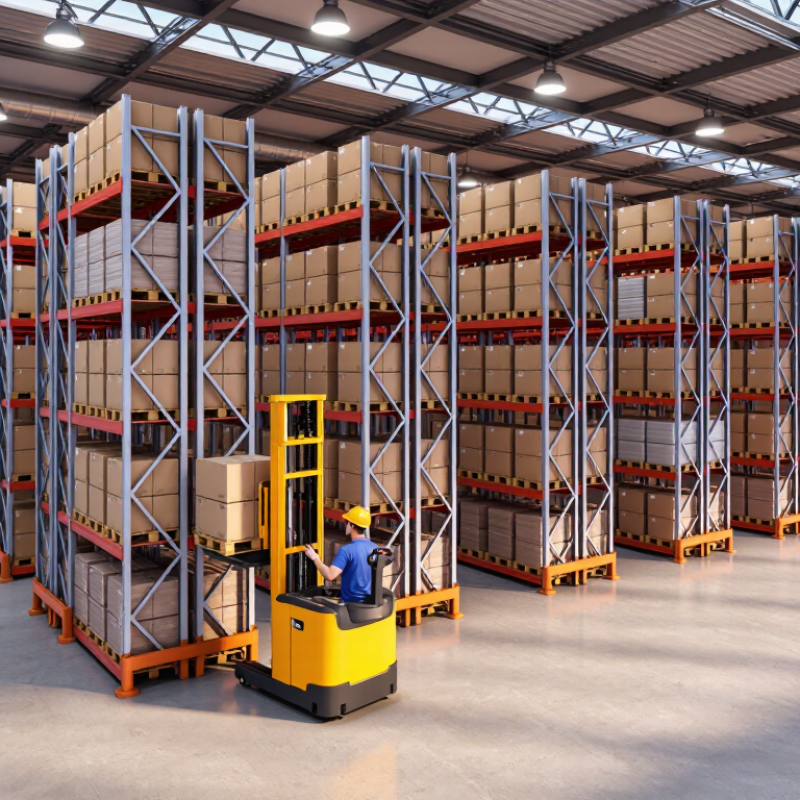
Vertical racks hold long, narrow, or upright materials vertically instead of spreading them across wide shelves. Businesses commonly use them for lumber, pipes, sheet goods, metal bars, and rolled materials. They make stock easier to see and can free valuable floor space. In a busy workshop, a worker may pull one board without moving a stack of others. Not every item fits.
Manufacturers often place vertical racks near cutting or assembly stations, reducing the distance materials travel during a shift. Building suppliers may use them to display boards or trim, while warehouses can store selected lengths beside picking areas. Some designs use dividers to separate sizes; others rely on open bays for quick loading. The right arrangement depends on product dimensions, handling equipment, and how often staff retrieve each item.
Before choosing a rack, measure the longest materials and check the load rating, support spacing, floor condition, and available aisle width. Keep frequently used stock within comfortable reach, and make sure workers can return pieces without awkward lifting. A rack can save space yet create a bottleneck if it blocks a cart route. That part is easy to overlook. Inventory also changes, so a fixed layout may need adjustments later. A simple trial with a few common items can reveal whether the rack works in daily use.
Before choosing a vertical rack, measure what you store and how often staff need it. Record the height, width, and weight of typical items, including bulky cartons or long materials. Then note your busiest stock levels, not just an average week. A rack sized for normal inventory may feel cramped during seasonal peaks. It happens.
Measure the room carefully. Check ceiling height, doorways, columns, lighting, sprinklers, and any equipment that must pass nearby. Leave working space for safe loading and retrieval. Sketch the floor plan and mark obstacles; a tape measure and a quick drawing can reveal awkward corners early. Also check whether the floor is level and suitable for the planned load, and ask a qualified professional if capacity is uncertain.
Tips: Measure twice, including the tallest item and its packaging. Keep frequently used stock within easy reach, and reserve higher levels for lighter, less-used goods. Walk the proposed layout with a cart or pallet jack before installation. One detail is easy to miss: storage needs change. Leave some flexibility, even if that means giving up a little capacity today.
Vertical racks differ in how they support long or flat materials. Cantilever racks suit pipes, timber, and metal bars because open arms allow side loading. A-frame racks keep glass sheets or panels upright, while padded contact points help protect edges. Adjustable arms accommodate changing stock lengths; fixed layouts may work better when inventory stays consistent. Measure twice.
Steel racks are a practical choice for heavy loads and busy warehouse floors. In damp areas, coated or galvanized finishes can help limit corrosion, but inspect surfaces for chips and wear. Aluminum is lighter and resists rust, though its capacity and stiffness may not suit every load. Check the rated capacity for each arm and level, not just the overall rack. The details matter.
Match the rack type to how workers actually move materials. If a forklift needs side access, check aisle width and turning space before choosing cantilever units. For sheet goods, consider how operators will load and remove panels without scraping corners. Floor condition, ceiling height, and stock rotation also affect the layout. A tidy drawing can still miss a daily bottleneck, so observe a real loading cycle before committing. We sometimes overlook that.
Choosing vertical racks begins with the loads your team actually stores. Check each shelf’s rated capacity, not just the rack’s total limit. Compare that rating with the heaviest item and the way weight will be distributed. A pallet placed off-center can create stress that a simple calculation misses. Numbers need context. Confirm whether the stated capacity assumes evenly spread loads, and leave a practical margin for changing inventory.
Safety depends on more than steel thickness. Inspect the floor, rack condition, and anchoring requirements before installation. Keep aisles clear enough for the equipment and people using them. Place frequently handled items at comfortable heights, rather than forcing workers to reach overhead or bend repeatedly. A rack may look sturdy and still be poorly suited to a busy work area. Recheck connections after setup, and review them periodically; small shifts are easy to overlook.
Tips: Measure your tallest items, aisle width, and available floor space before comparing models. Ask for written load ratings and installation guidance. Accessibility matters. If staff need a step stool or must move other goods to reach daily-use items, the layout probably needs another look. Perfect planning is difficult, so test the proposed arrangement with real containers before committing.
| Rack Type | Typical Applications | Load Capacity: What to Compare | Safety Considerations | Accessibility | Space and Handling | Best Fit When... |
|---|---|---|---|---|---|---|
| Vertical sheet or panel rack | Sheet metal, plywood, plastic panels, and other flat materials stored upright in separate bays. | Check the rated capacity for each bay and the total rack, plus permitted panel dimensions and load distribution. Ratings vary by design and configuration. | Confirm that dividers and stops prevent sheets from leaning or sliding. Load and unload within the rack’s stated limits and follow the supplier’s anchoring instructions. | Individual bays can help workers select a material or size without moving an entire stack. | Uses floor space efficiently, but aisle clearance must allow safe removal of large sheets. | You store several sheet sizes and want them separated and easy to identify. |
| A-frame panel rack | Large panels, doors, glass, stone, and other flat or bulky items supported at an angle. | Compare the rated load for each side and the complete frame. Check the allowable load per support point and compatibility with the item’s size and weight. | Use suitable restraints or separators where required. Keep the rack stable, load it as instructed, and avoid uneven loading that could affect balance. | Items are often visible and can be reached from either side, depending on the frame layout. | Provides accessible storage but needs room around the frame for handling long or wide materials. | You need frequent access to bulky panels and have enough clearance for safe handling. |
| Vertical bar and pipe rack | Long stock such as pipe, bar, tube, moulding, and narrow profiles stored upright in compartments. | Check the bay and overall ratings, as well as the maximum item length and the way weight is supported. Confirm whether the rating assumes evenly distributed loads. | Use dividers or retainers suited to the stock. Prevent long items from tipping, protruding into walkways, or being placed in a way that destabilizes the rack. | Compartments make stock easier to sort by material, size, or job, although long pieces may need two-person handling. | Can organize long stock in a compact area; allow adequate room to lift and remove each item. | You handle assorted lengths of pipe, bar, or similar stock and need organized picking. |
| Vertical cantilever rack | Long, narrow items stored vertically against a back structure with supporting arms or dividers. | Verify the rated capacity of the complete assembly and each relevant component, including arms, uprights, and base. Check load placement and item-length limits. | Follow the specified loading pattern and anchoring requirements. Keep items restrained as designed and inspect components for damage or deformation. | Open-front designs can provide straightforward access to individual stock items. | Often useful for long stock, but the stored material and removal path may require substantial vertical and aisle clearance. | You need flexible access to long materials and can meet the rack’s height and clearance requirements. |
| Mobile vertical rack | Panels, sheets, or other materials stored in movable frames or bays to increase storage density. | Check the rated capacity of each bay and the complete mobile unit, including any limits for movement and loading. Confirm the floor requirements with the supplier. | Use the specified brakes, locks, or movement controls. Keep people clear while moving the rack and follow operating instructions for loading and access. | Access may be selective: the rack is moved to open the required bay, which can reduce simultaneous access to multiple locations. | Can reduce the number of fixed aisles, but requires a suitable, level floor and a clear operating area. | Floor space is limited and controlled, sequential access suits your workflow. |
| Fixed multi-bay vertical rack | Frequently accessed sheet goods, panels, or long stock organized across multiple stationary compartments. | Compare both per-bay and total capacity. Ask how the stated ratings apply to your material dimensions, loading method, and intended storage layout. | Ensure the rack is installed and secured as specified. Keep loads within marked limits and maintain clear aisles and access to emergency routes. | Multiple bays allow different products to be stored separately; access depends on bay width, spacing, and the method used to remove stock. | Requires dedicated floor area and access aisles, but supports a consistent fixed layout. | You want predictable storage locations and regular access to a range of materials. |
Capacity and safety note: There is no single load rating that applies to all vertical racks. Before buying, obtain the manufacturer’s or supplier’s rated capacities for the exact rack configuration, verify that your material dimensions and loading method are covered, and follow the installation, anchoring, inspection, and operating instructions. Do not exceed posted limits.
Plan installation around the building, not just the rack drawing. Measure clear height, aisle widths, floor conditions, sprinkler clearance, and forklift turning paths. A rack that fits on paper may obstruct a real picking route. Confirm loads with a qualified storage-system designer, and post clear capacity signs after installation. MHI’s 2024 Annual Industry Report found that 55% of respondents planned to increase supply-chain technology investment within two years. That makes rack-location labels and digital inventory records practical additions, not decoration.
Maintenance needs a written routine. Check uprights, beams, connectors, anchors, and protection barriers for impact damage or looseness. Record findings, repairs, and changes in a simple log. Follow the rack designer’s inspection guidance and remove damaged components from service until assessed. Damage matters. A quick visual check helps, but it cannot replace a competent inspection; this is an easy detail to underestimate during a busy shift.
Plan expansion before every bay is occupied. Keep drawings current, note floor capacity and utility locations, and reserve space for likely aisle or picking changes. Use compatible layouts and documented load ratings when adding sections; do not assume older parts remain suitable. MHI’s survey points to growing technology investment, but software cannot fix a poor layout. A small pilot area can reveal awkward turns and replenishment delays—sometimes the original plan needs rethinking.
Plan installation, maintenance, and future expansion by checking the storage capacity each additional rack level could provide.
Illustrative capacity model: This example assumes 10 rack bays with 2 pallet positions per bay at each storage level. The resulting capacities are calculated estimates, not rack load ratings. Before installation or expansion, verify building clearances, floor capacity, rack specifications, and applicable fire-safety requirements. Inspect racks regularly and after impacts.
They hold lumber, pipes, sheet goods, metal bars, and rolled materials. Not every item fits.
They store long materials upright instead of across wide shelves. Workers can often pull one board without shifting a whole stack.
Measure material height, width, and weight, including packaging. Check peak inventory, not only a typical week. It happens.
Keep frequently used materials within comfortable reach. Reserve higher levels for lighter, less-used stock. Dividers can separate sizes.
Check ceiling height, doorways, columns, lighting, sprinklers, floor condition, and aisle width. Test routes with a cart or pallet jack.
Confirm loads with a qualified storage-system designer. Post capacity signs, and inspect uprights, beams, connectors, anchors, and barriers. Damage matters.
Use a written inspection log for damage, looseness, repairs, and changes. A quick visual check helps, but it may miss problems.
Leave room for future aisle or picking changes. Keep drawings and load ratings current. A neat plan can still be wrong.
Choosing the right Vertical Racks starts with understanding what they are and how they can support your business, from organizing long or bulky materials to making better use of vertical space. Assess the items you need to store, how often they are accessed, and the dimensions and layout of your available area. These details help determine a suitable rack style and material for your working environment and daily operations.
Before deciding, compare each option’s load capacity, stability, safety features, and ease of access. Consider how goods will be placed on and removed from the racks, and make sure the configuration supports safe, efficient handling. Plan installation around your facility’s layout, establish a routine for checking and maintaining the system, and allow room for future changes. A thoughtful choice can improve organization while keeping storage practical as your business needs grow.

GuciRack