In an age where organization meets durability, the demand for Heavy Duty Storage solutions is at an all-time high. Experts like John Hastings, a renowned storage solutions specialist, emphasize the importance of robust options. He once stated, "Heavy Duty Storage is not just about strength; it's about practicality in daily life."
These solutions are vital for both personal and professional spaces. Whether it's for a garage, a workshop, or a commercial setting, the right storage can efficiently handle heavy loads. Quality materials and innovative designs ensure that items remain safe and accessible. This brings peace of mind, knowing that one has not just taken care of immediate needs but also considered future requirements.
However, the landscape of Heavy Duty Storage is vast and sometimes confusing. Many consumers face challenges in choosing the best fit for their needs. How does one balance strength, size, and cost? Reflecting on these considerations often leads to better decisions. After all, the goal is not just to store items, but to enhance efficiency and functionality in any environment.
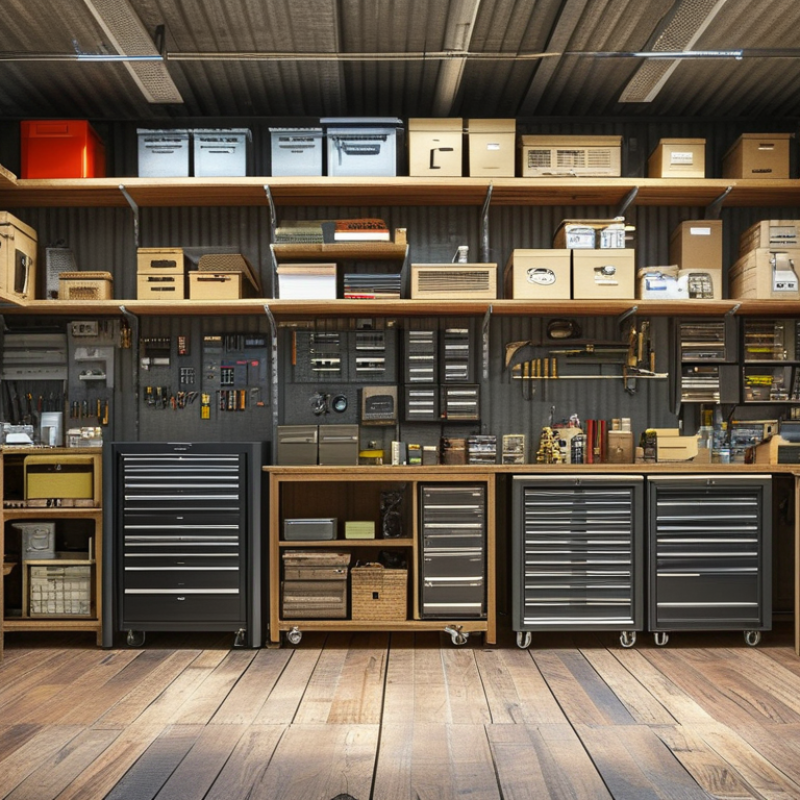
When considering heavy-duty storage solutions, it's crucial to understand the specific needs of your space. Different environments require tailored approaches. In warehouses, the focus is often on maximizing vertical space. Sturdy shelving units can be essential. For garages, mobile storage options allow for flexibility. Tools and equipment can take up significant room, so movable carts become a necessity.
In home settings, heavy-duty solutions should blend functionality with aesthetics. Basements might need waterproof containers for sensitive materials. Conversely, a workshop demands heavy shelves that can support tools. Each space presents unique challenges. Reflecting on what you truly need can prevent future clutter.
Selecting the right storage can feel overwhelming. Often, we underestimate our requirements. Heavy-duty solutions provide organization but can also complicate space flow. Understanding what functionalities your space lacks can help clarify your choices. Balancing practicality and design is key to achieving a well-organized area.
| Storage Solution | Material | Weight Capacity | Ideal Use | Dimensions |
|---|---|---|---|---|
| Heavy Duty Shelving Unit | Steel | 2000 lbs | Warehouse, Garage | 72" x 48" x 24" |
| Industrial Storage Cabinets | Metal | 1000 lbs | Storage Rooms | 72" x 36" x 18" |
| Heavy Duty Rolling Cart | Plastic/Steel | 500 lbs | Workshops, Factories | 36" x 24" x 30" |
| Storage Bins | Plastic | 200 lbs | Garage, Basement | 24" x 18" x 12" |
| Tool Chest | Steel | 800 lbs | Workshops | 42" x 22" x 18" |
| Pallet Racking System | Steel | 3000 lbs | Warehouses | 96" x 48" x 40" |
| Outdoor Storage Box | Resin | 600 lbs | Patios, Gardens | 48" x 24" x 24" |
| Fiberboard Storage Box | Fiberboard | 100 lbs | Offices | 30" x 18" x 18" |
| Vertical Filing Cabinet | Metal | 600 lbs | Offices | 60" x 30" x 18" |
| Garage Overhead Storage Rack | Steel | 400 lbs | Garages | 48" x 24" |
: Identify your specific needs first. Different options serve unique purposes.
They are versatile and can hold various items. Different materials, like metal or wood, cater to different environments.
These systems allow customization for your space. They adapt easily to warehouses or garages.
Regular inspection for wear and tear is crucial. Look for rust or structural damage.
Store heavier items at lower levels. This reduces stress on the unit and improves accessibility.
Dust and debris accumulate over time. Regular cleaning keeps surfaces free of grime and ensures longevity.
Yes, the cost can be a limiting factor for some people. Balance strength and functionality with your budget.
Sometimes, the best solution is the simplest one. Reflecting on needs can lead to better choices.
Absolutely. A poorly assembled unit can lead to safety hazards. Proper installation is essential.
Regular reassessment is necessary. Needs can change, and adjustments may be needed for efficiency and safety.
This article explores the essential aspects of Heavy Duty Storage, adapting to various spaces and needs. It begins with an understanding of how different environments—such as garages, warehouses, and workshops—require specific storage solutions. An overview of various types of heavy-duty storage systems highlights their versatility, from shelving units to racks, catering to diverse organizational needs.
Key features to look for in these systems include durability, load capacity, and ease of assembly and maintenance. The article then presents a well-curated list of the top 10 heavy-duty storage solutions designed for various uses, ensuring readers find the right fit for their requirements. Finally, maintenance tips are offered to help ensure the longevity and effectiveness of these solutions, allowing users to maximize their investments in heavy-duty storage.

 GuciRack