Who Are the Top 10 Impact Rack Suppliers in China?

Time:2026-11-09 Author:Sophia
0%

China’s Impact Racks market deserves careful comparison, not a simple ranking. A rack can look solid in a catalog, yet weld consistency, beam connectors, and load documentation tell a more useful story. These details matter when forklifts turn through narrow aisles and pallets shift during daily handling.

MHI’s 2024 Annual Industry Report surveyed more than 2,000 supply-chain professionals. It reported that 55% of respondents planned to increase supply-chain technology investment. The report does not rank rack suppliers, but it highlights a wider demand for smarter, more dependable operations. For buyers, that makes supplier capability, traceable specifications, and after-sales support worth examining alongside price. Small details count.

W. Edwards Deming, a prominent quality-management expert, is often associated with the line, “In God we trust; all others must bring data.” It is not a rack-specific statement, but it offers a sound way to assess claims. This guide introduces ten Chinese Impact Racks suppliers and considers practical factors such as product range, customization, quality controls, and service. No list can replace site checks or technical review; supplier information can also change. That caveat matters.
Who Are the Top 10 Impact Rack Suppliers in China?

Impact Racks Explained: Components, Load Paths, and Forklift Protection

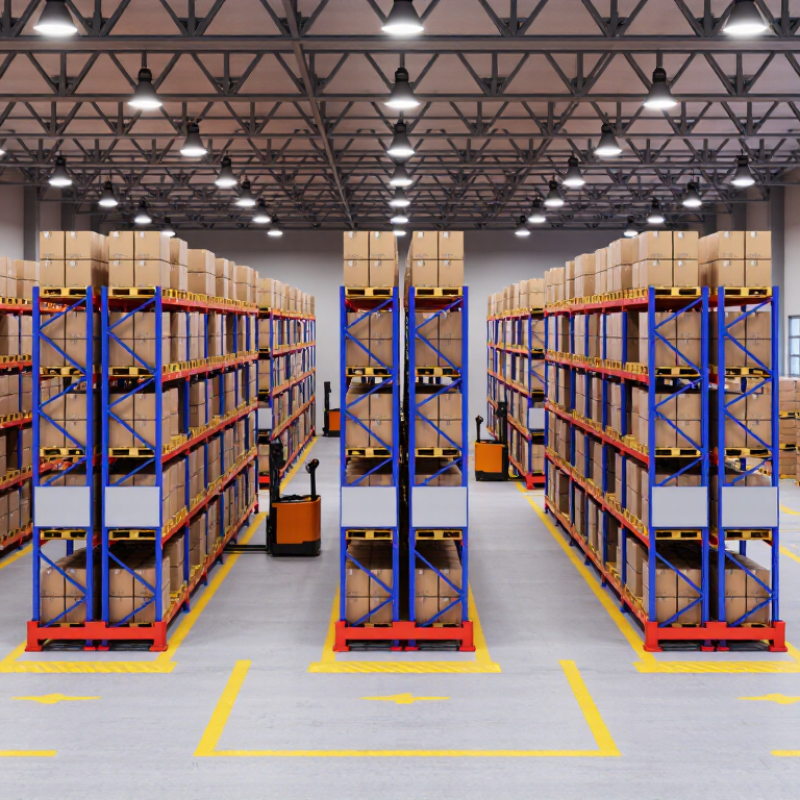
An impact rack is more than steel uprights and beams. Its main components include upright frames, horizontal beams, diagonal bracing, base plates, and floor anchors. Beam locks help keep connections seated, but they do not replace correct assembly or inspection. Under load, pallet weight moves from the beams into the uprights, then through the base plates and anchors into the floor. That is the load path. Simple, but not forgiving. Uneven pallets, damaged connectors, or loose anchors can alter how forces travel through the frame.

Forklift protection starts with aisle layout, not just guards. Clear markings, adequate turning space, and trained operators help reduce collisions. Column guards and end-of-aisle barriers can limit some damage, but they cannot make a bent upright safe.

After an impact, unload the affected bay if you see bending, cracked welds, displaced anchors, or uncertain damage. Ask a qualified rack professional to assess it.

Keep heavier pallets on lower levels when the rack design permits, and stay within posted capacities. Record each impact’s location, severity, and date. Photos help, though they can hide subtle twisting. Check again in person.

China’s Top 10 Impact Rack Suppliers: Company Profiles and Product Ranges

China’s impact-rack market includes manufacturers with different strengths, so a “top ten” list is most useful when it compares capabilities rather than makes unsupported ranking claims. The profiles below describe ten common supplier types and their product ranges. One focuses on selective pallet racks for direct forklift access. Another offers drive-in systems for high-density storage. A third builds push-back racks for last-in, first-out workflows. Details matter. A fourth combines pallet racks with mezzanine floors, while a fifth supplies cantilever racks for long materials. A sixth specializes in shuttle systems and compatible rack structures.

A seventh supplier may provide light-duty shelving alongside heavier pallet racks. An eighth can tailor beam lengths, frame heights, and finishes to a warehouse layout. A ninth may offer automated storage equipment, though buyers should verify software and service support. A tenth may focus on export-ready packaging and installation guidance. Product ranges can overlap, and brochures rarely show the whole picture. Not always.

Ask for load tables, steel specifications, connection details, and drawings based on actual pallet dimensions. Compare quoted capacity with the intended load, and confirm whether inspection or replacement parts are available locally. A polished profile is not proof of performance; request project references and review the technical documents before choosing a supplier.

Comparing Suppliers: Rated Loads, Steel Grades, and Manufacturing Capabilities

Impact rack suppliers should be compared by verified capacity, not headline figures alone. Rated loads may describe a single beam, an upright frame, or an entire installed bay. These are not interchangeable. Ask for load tables that match the proposed beam length, rack height, and storage configuration. A clear drawing helps reveal whether the stated capacity fits your actual pallet positions. Small detail. Big difference.

Steel grade affects strength, consistency, and how reliably components perform under repeated loading. Request material certificates and confirm the grade applies to the main load-bearing parts, not just sample components. Manufacturing capability matters too. Check whether the supplier controls welding, punching, coating, and dimensional inspection in-house or relies on outside workshops. Ask how tolerances are checked; even a slight mismatch can complicate installation. Factory photos are useful, but they do not replace inspection records or a production sample. I would still verify these details independently.

Tips: Compare the same rack layout across suppliers. Request a written rated-load basis, steel specifications, inspection evidence, and a sample connection. If an answer is vague, pause and ask again.

Rack Design Benchmarks: ANSI MH16.1-2023 and OSHA 1910.176(b)

When comparing impact-rack suppliers, ask how their designs address both structural loads and daily forklift contact. ANSI MH16.1-2023 provides engineering criteria for industrial steel storage racks, including design loads and structural performance. It is a design benchmark, not a guarantee that every installed rack suits your building or operating conditions. Request calculations that reflect actual bay widths, beam levels, pallet weights, floor conditions, and seismic requirements where applicable.

OSHA 1910.176(b) requires stored materials to be stacked, blocked, interlocked, and limited in height to prevent sliding or collapse. That makes safe storage a site practice as well as a rack-design question. MHI’s 2024 Annual Industry Report drew responses from more than 700 supply-chain professionals; its survey offers industry context, but it does not replace a project-specific engineering review. A bent upright can change the risk picture quickly. Small detail. Big consequence.

Tips: Ask for a clear load plaque, installation drawings, and written inspection guidance. Check that the proposed layout leaves room for forklift turning and visible damage checks. Compare each supplier’s assumptions with your real pallet dimensions and heaviest loads. If a proposal looks tidy but skips floor or impact conditions, ask again. It is easy to overlook those details.

Buyer Evaluation Metrics: Beam Loads, Aisle Layout, and Impact Protection

Who Are the Top 10 Impact Rack Suppliers in China?

Buyer Evaluation Metrics: Beam Loads, Aisle Layout, and Impact Protection

A shortlist of China’s leading impact rack suppliers is only useful when their designs fit your actual warehouse. Start with beam capacity. Share the pallet’s full loaded weight, dimensions, and number of storage levels, then request documented ratings for the proposed configuration. Capacity can change with beam length and frame spacing, so a single headline load figure is not enough. Check that drawings and load labels match the installation plan. Small mismatches matter.

Aisle layout affects both storage density and daily handling. Ask suppliers to review forklift type, turning radius, pallet overhang, and clearances at rack ends. A layout that looks efficient on paper may slow operators in a busy aisle. Request a dimensioned plan before comparing quotations.

Tips: Send the same pallet and equipment details to every supplier. Compare like for like. Ask where guards, upright protectors, and end-of-row barriers are specified, and how damaged components should be inspected or replaced.

Impact protection deserves its own review, not just a line on a quotation. Look for clearly identified protection locations and compatible rack components. Ask how the design addresses likely contact points, such as aisle ends and exposed uprights. Protective devices can reduce damage, but they do not make collisions harmless. I would still verify the final layout against site conditions; drawings rarely capture every awkward corner or operator habit.

FAQS

What are the main components of an impact rack?

Common parts include upright frames, horizontal beams, diagonal bracing, base plates, floor anchors, and beam locks. Small parts matter.

How does weight travel through a rack?

Pallet weight moves from the beams into the uprights, then through base plates and anchors into the floor. The path is simple, but damage can change it.

What should I do after a forklift impact?

Unload the affected bay if you find a bent upright, cracked weld, displaced anchor, or uncertain damage. Have a qualified rack professional assess it.

Do guards prevent all rack damage?

No. Column guards and aisle-end barriers can limit some impacts, but they cannot make a bent upright safe. Check the rack itself.

How can a warehouse reduce forklift collisions?

Use clear aisle markings, allow enough turning space, and train operators. Guards help, but layout matters too.

How should pallets be placed on rack levels?

Keep heavier pallets on lower levels when the rack design permits. Follow posted capacities and account for actual pallet weights.

What details should I request when comparing suppliers?

Ask for load tables, steel specifications, connection details, and drawings based on your pallet dimensions. Also check local inspection and replacement-part support.

What should a project-specific rack review consider?

Request calculations reflecting bay widths, beam levels, pallet weights, floor conditions, and applicable seismic requirements. A neat proposal can still miss key details.

How should rack impacts be documented?

Record each impact’s location, severity, and date. Photos help, but they can hide subtle twisting. Check in person, too.

Conclusion

This article explains how Impact Racks are built to protect warehouse storage systems from forklift collisions while supporting safely distributed loads. It outlines the main rack components, how forces travel through the structure, and how protective features can help reduce damage in busy aisles. Readers will also find an overview of ten leading supplier profiles in China, including the product ranges and manufacturing capabilities used to serve different storage needs.

The article compares suppliers by rated capacity, steel grade, and production capabilities, then introduces practical design benchmarks drawn from ANSI MH16.1-2023 and OSHA 1910.176(b). It also provides a buyer-focused framework for assessing beam loads, aisle layouts, and impact protection. Together, these topics help businesses ask informed questions, compare system specifications, and select a rack configuration suited to their facility, inventory, and forklift traffic.

Sophia

Sophia

Sophia is a dedicated marketing professional with an exceptional depth of knowledge about her company's products and services. With a keen understanding of market trends and customer needs, she crafts insightful blog posts that not only inform but also engage readers, enriching the company’s online......