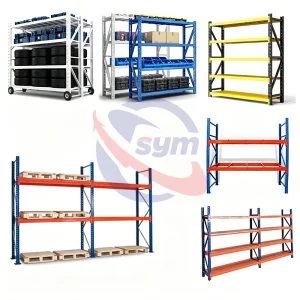
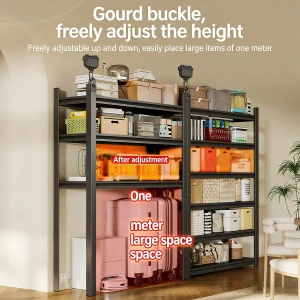
CE Certified FIFO Racking Manufacturer & Supplier

Maximize Warehouse Density, Ensure Regulatory Compliance, and Optimize Dynamic Inventory Flow with Custom Industrial Storage Engineering.

1. Technical Architecture of Gravity-Fed FIFO Pallet Flow Systems

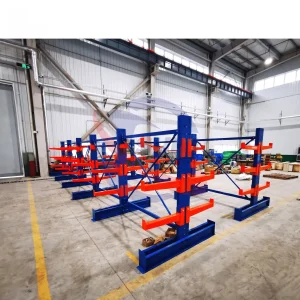
First-In, First-Out (FIFO) racking systems utilize gravity to drive efficiency in modern distribution centers. Constructed on a subtle decline—typically set at an optimized 3% to 4% gradient—FIFO pallet flow configurations ensure that pallets loaded at the feeding aisle seamlessly roll down to the discharge face. This passive mechanics approach reduces reliance on fossil-fuel-powered forklifts, significantly lowering energy consumption in multi-tier facilities.

The core structural elements are built using heavy-gauge structural steel to withstand rigorous daily loading cycles. Key parts include:

  • Flow Tracks & Heavy-Duty Rollers: Crafted from structural carbon steel, treated with protective coatings to prevent premature wear. Rollers are spaced precisely based on pallet weights and dimensions.
  • Centrifugal Speed Braking Rollers: These specialized safety features limit pallet speed to below 0.3 meters per second. This prevents runaway pallets, protecting structural integrity and staff safety.
  • Pallet Separator Assemblies: Located at the pick face, these systems isolate the target pallet from the following line of products. By neutralizing line pressure, they allow forklift operators to extract loads without structural binding or mechanical stress.

By keeping product lanes independent, FIFO systems minimize structural interference. This makes them ideal for environments requiring strict expiration date tracking, such as pharmaceutical storage and food processing facilities.

SEO Value Analysis: FIFO (First-In, First-Out) architectures deliver high volumetric efficiency, maximizing density up to 85% compared to standard selective racking. This makes them essential for high-throughput 3PL fulfillment terminals.

2. Rigorous CE Certification & Global Compliance Framework

We supply structural safety products that meet international regulatory and quality benchmarks. Every FIFO racking system from our facility is CE certified, proving it conforms to the strict safety requirements of the European Economic Area (EEA).

Our structures comply with standard certifications, including:

  • EN 15512 (European Standard for Steel Static Storage Systems): Outlines calculations for structural stability, load-bearing tolerances, deflection testing, and seismic risk margins.
  • FEM 10.2.02: Validates safety standards for pallet racking and gravity flow lanes under dynamic load conditions.
  • ISO 9001:2015 Quality Management Protocols: Governs our entire production line, tracking raw materials from procurement to dispatch.

Our quality assurance process uses advanced validation equipment. Our team of 25 QA/QC professionals performs non-destructive testing (NDT), ultrasonic weld inspections, and coating thickness checks (ensuring 80-120 microns) on every batch. This guarantees structural stability, load reliability, and rust prevention even in humid or cold-chain environments.

Industrial Footprint & Technical Capabilities

Guci Storage Equipment (Suzhou) Co., Ltd. delivers global-scale production, raw material traceability, and advanced engineering customization.

35,000m²
Modern Facility
11+ Yrs
Industry Expertise
$18M
Annual Exports
25 QA
QC Engineers
800+
Supply Partners
18
R&D Engineers

Established in 2015, Guci Storage Equipment (Suzhou) Co., Ltd. is a leading B2B manufacturer specializing in heavy-duty warehouse racking and industrial storage solutions. Spanning a modern manufacturing facility of 35,000 m², the company brings over 11 years of deep industry expertise and 8 years of global trade experience, serving client bases across North America, Europe, and Southeast Asia with an annual export revenue reaching $18 million.

Innovation drives our success. Supported by a skilled team of 18 R&D engineers, Guci Storage offers comprehensive OEM/ODM customization options, tailoring load capacity, dimensions, structural layouts, and surface finishes to meet specific site requirements. In the past year alone, our team successfully launched 45 new product designs to optimize modern high-density warehouse efficiency. To maintain superior product standards, Guci Storage enforces a rigorous quality management process—combining ultrasonic flaw detection, load-capacity stress testing, and surface coating thickness inspections. Our dedicated quality control team of 25 QA/QC professionals ensures every rack system complies with international safety standards such as ISO9001 and CE.
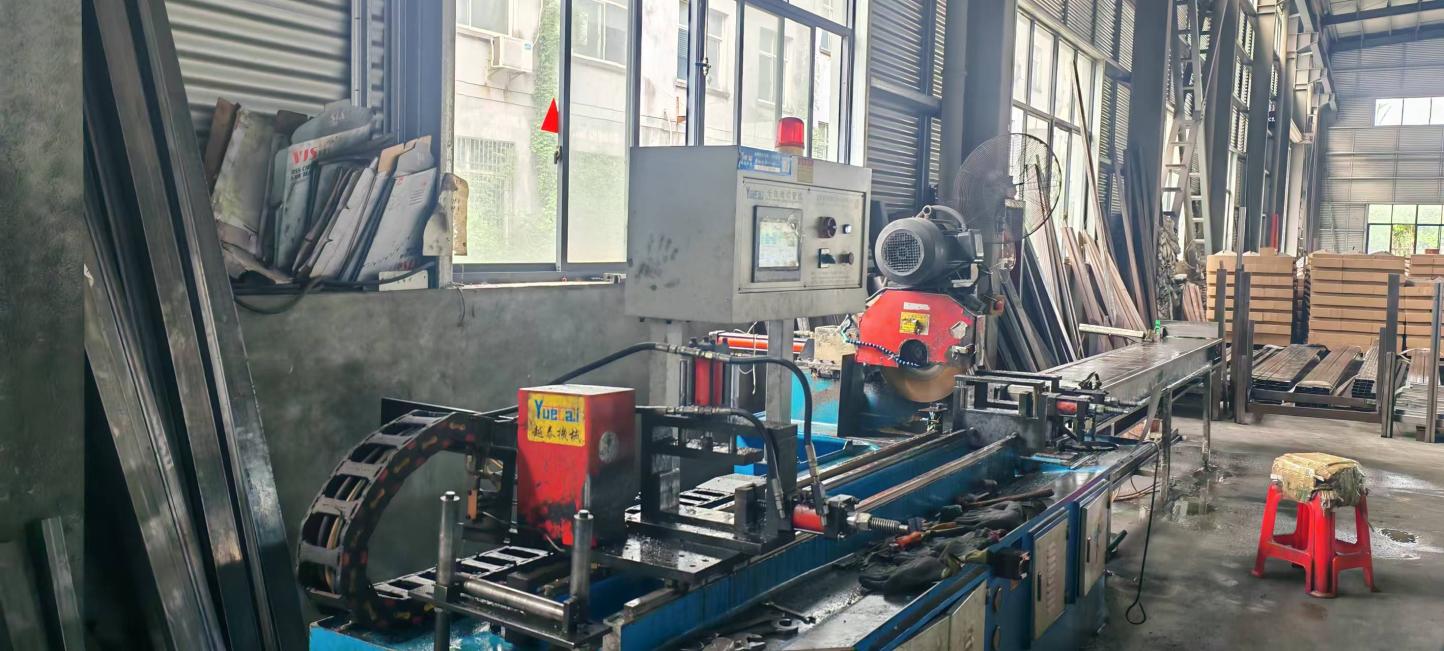
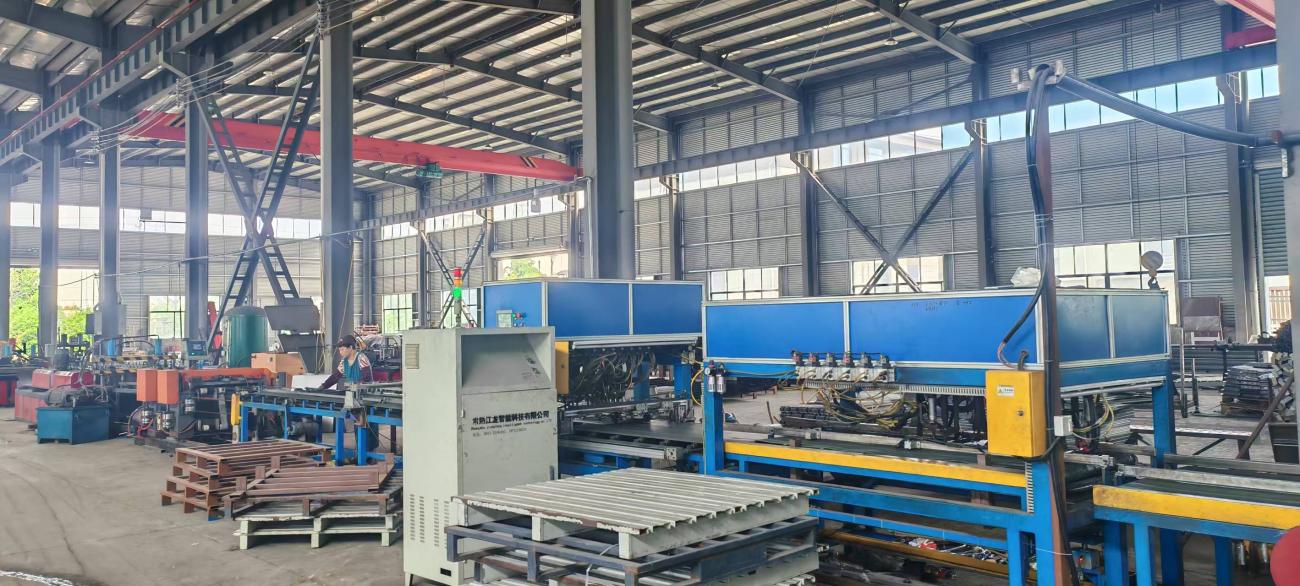
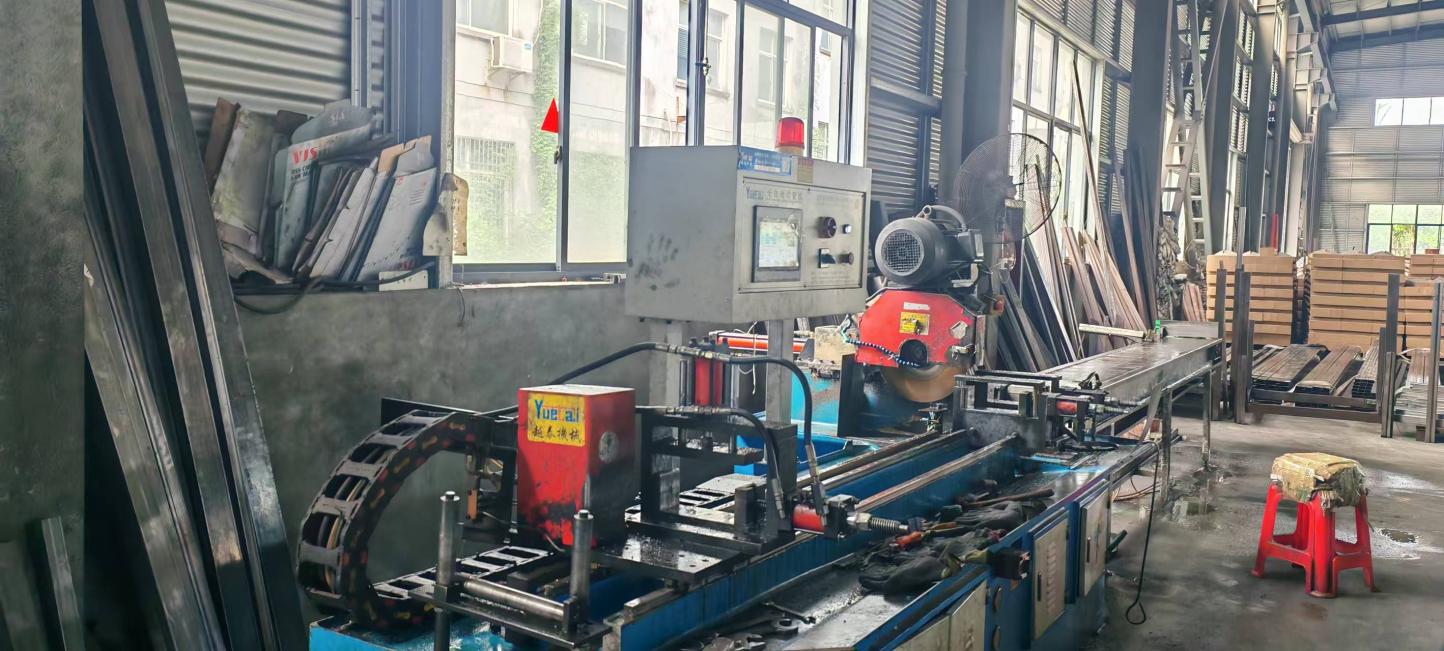
Cutting
Precision Metal Cutting
Forming
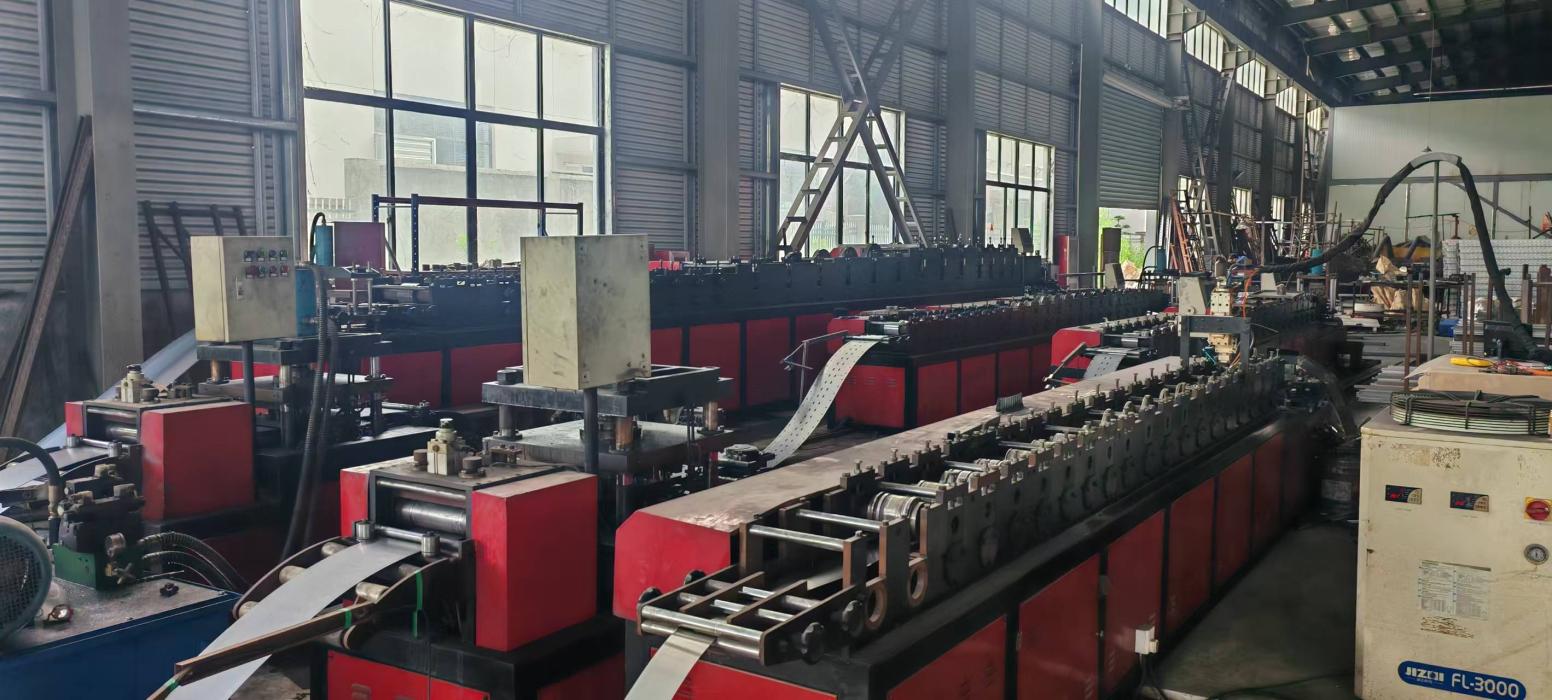
Roll Forming Line
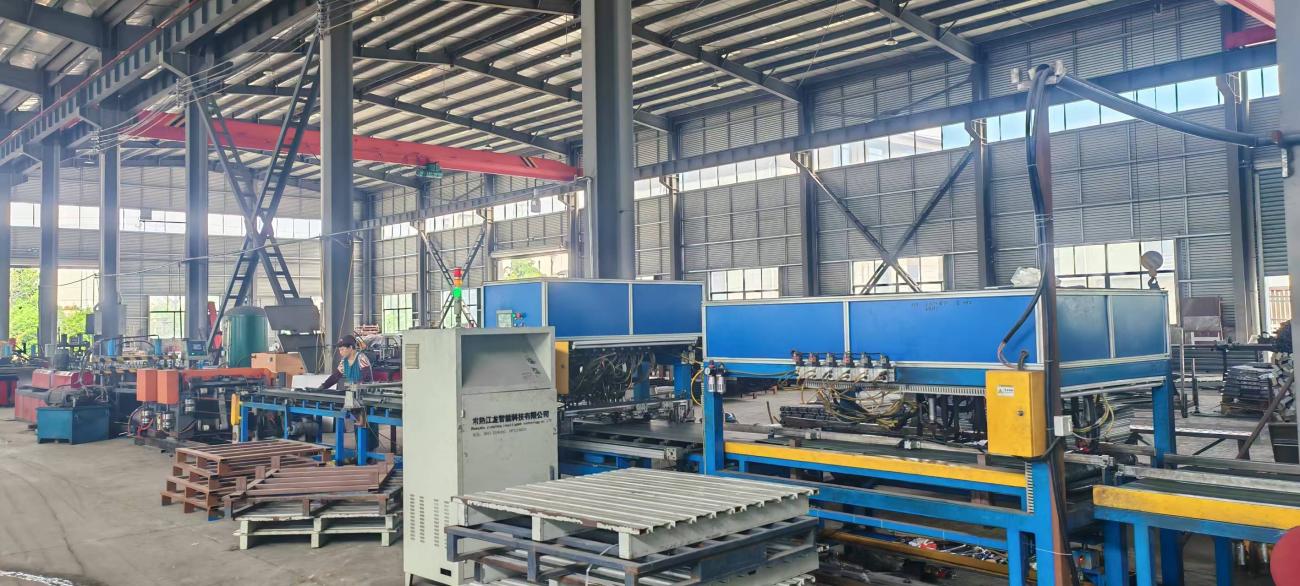
Welding
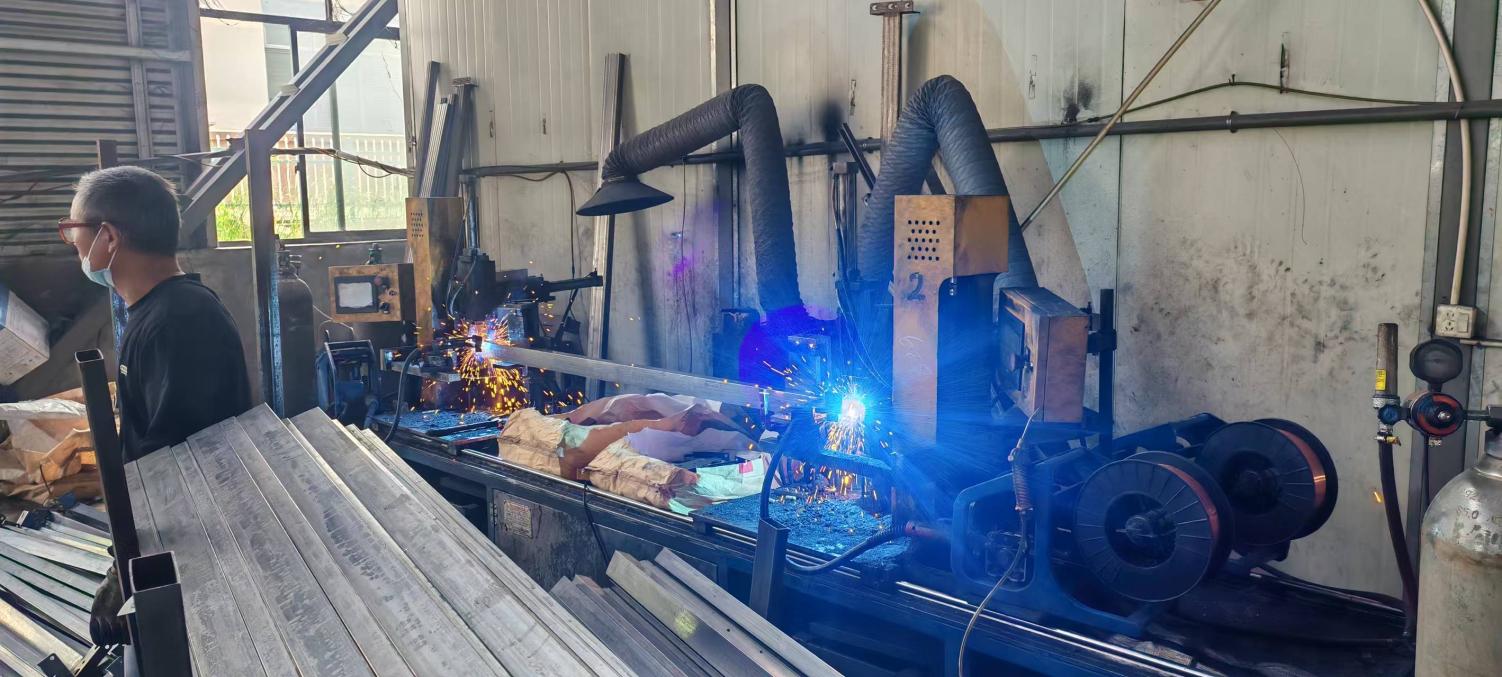
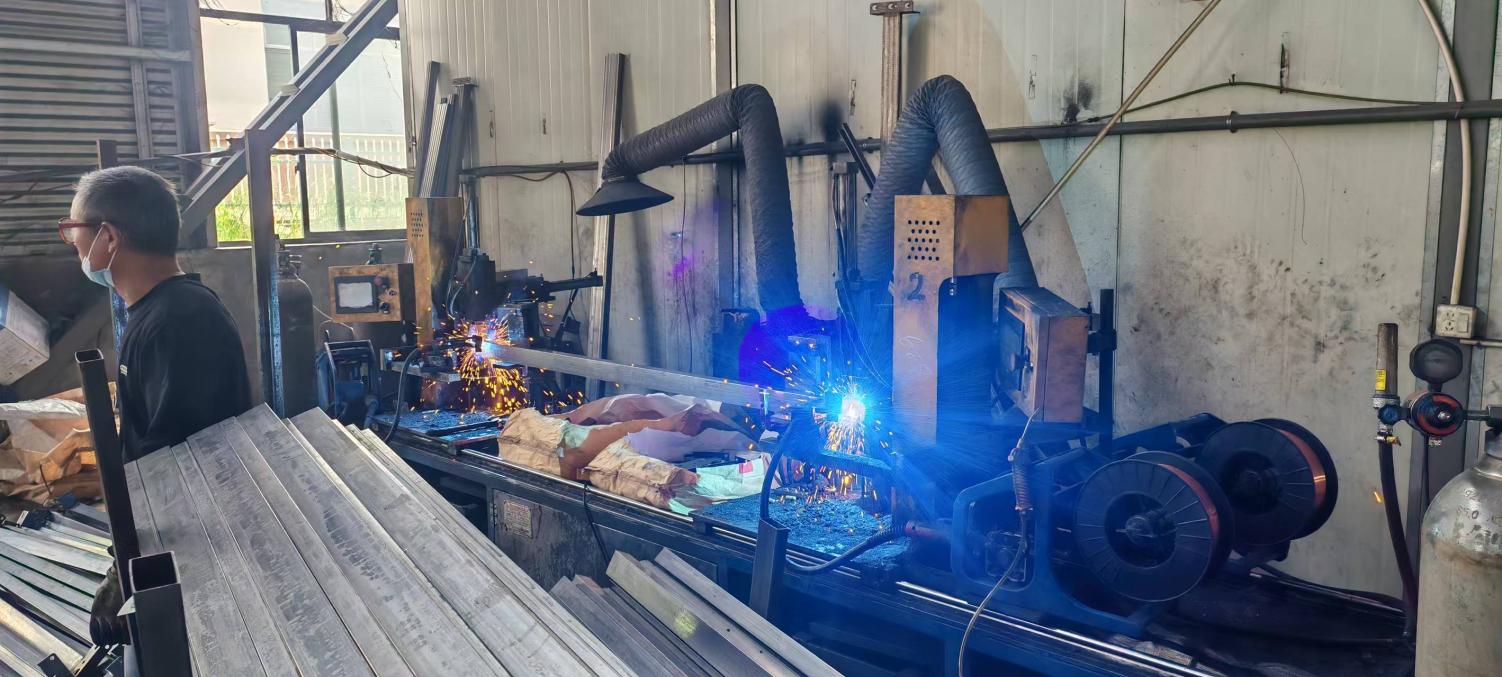
Robotic Structural Welding
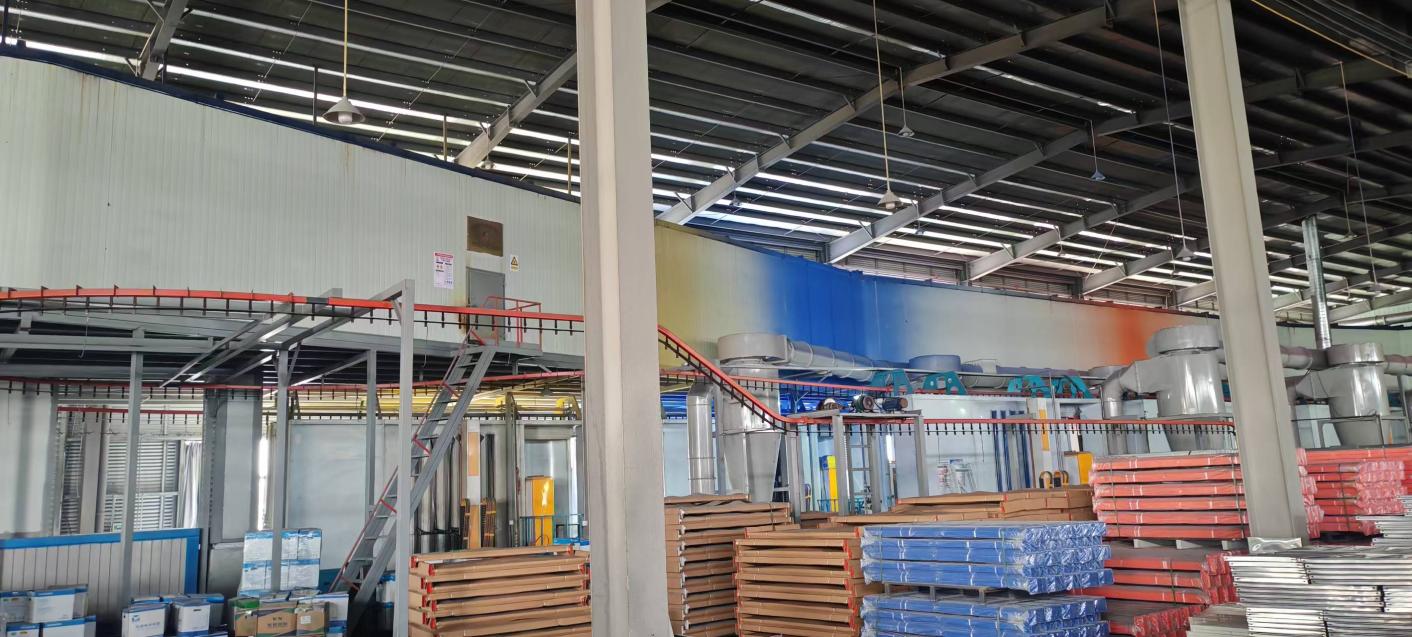
Spraying
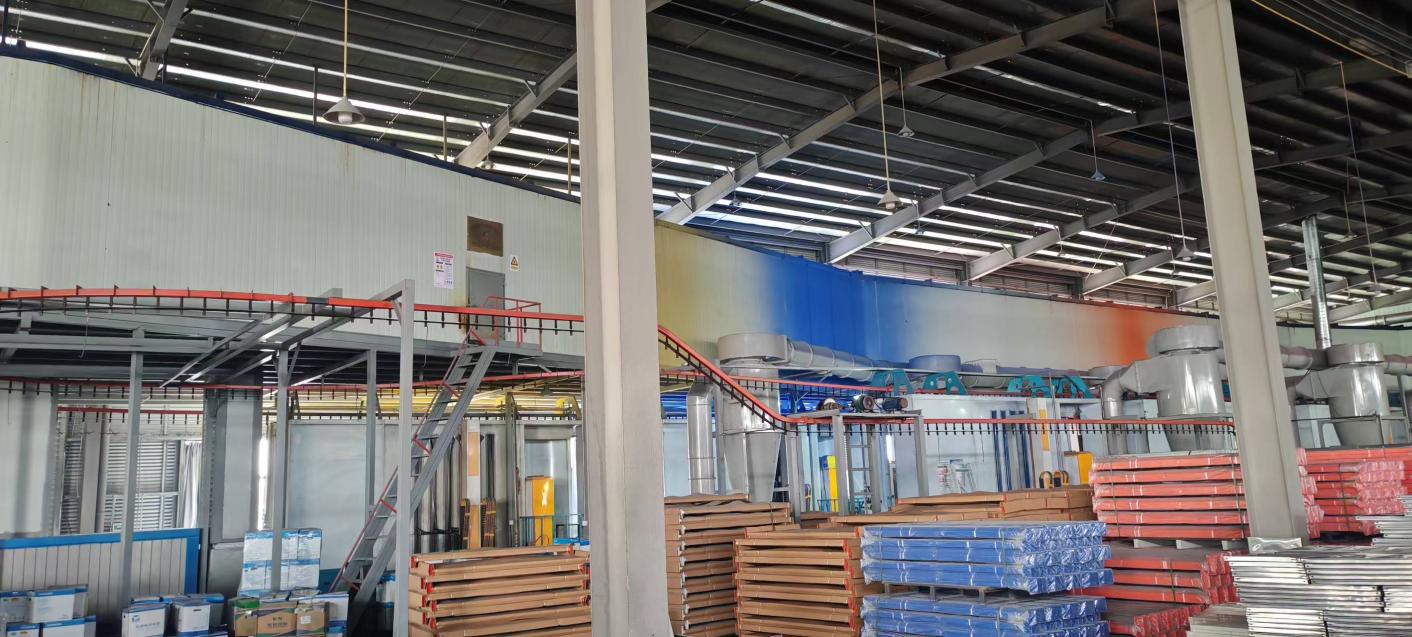
Electrostatic Powder Spraying
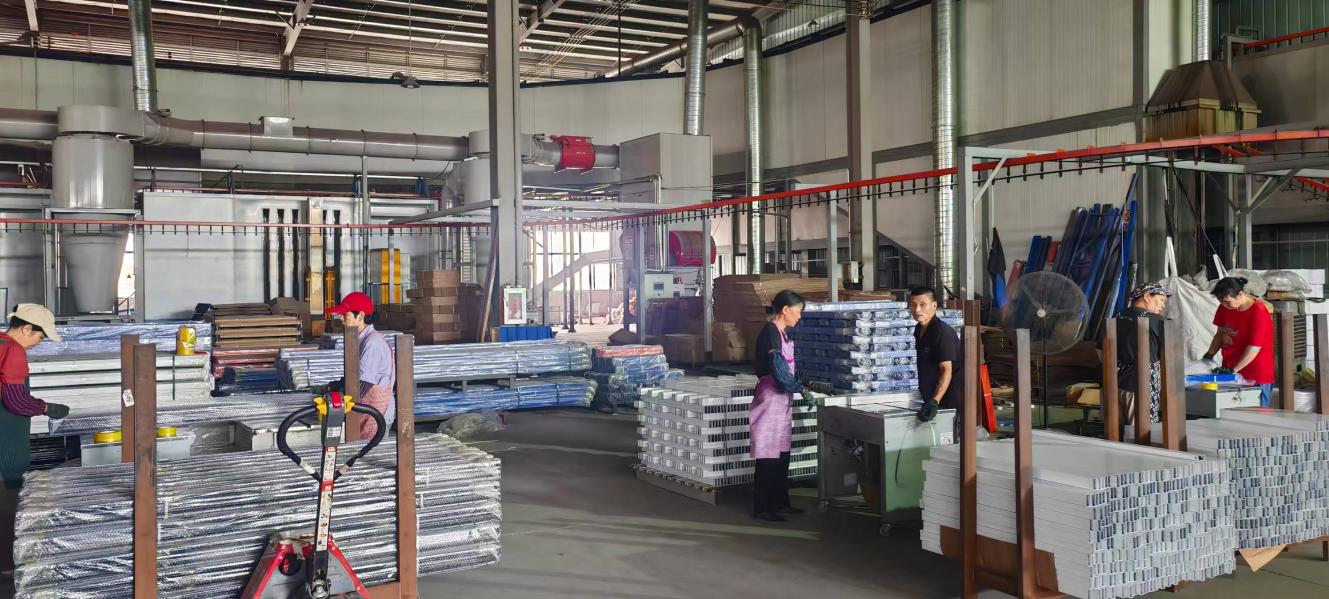
Packing
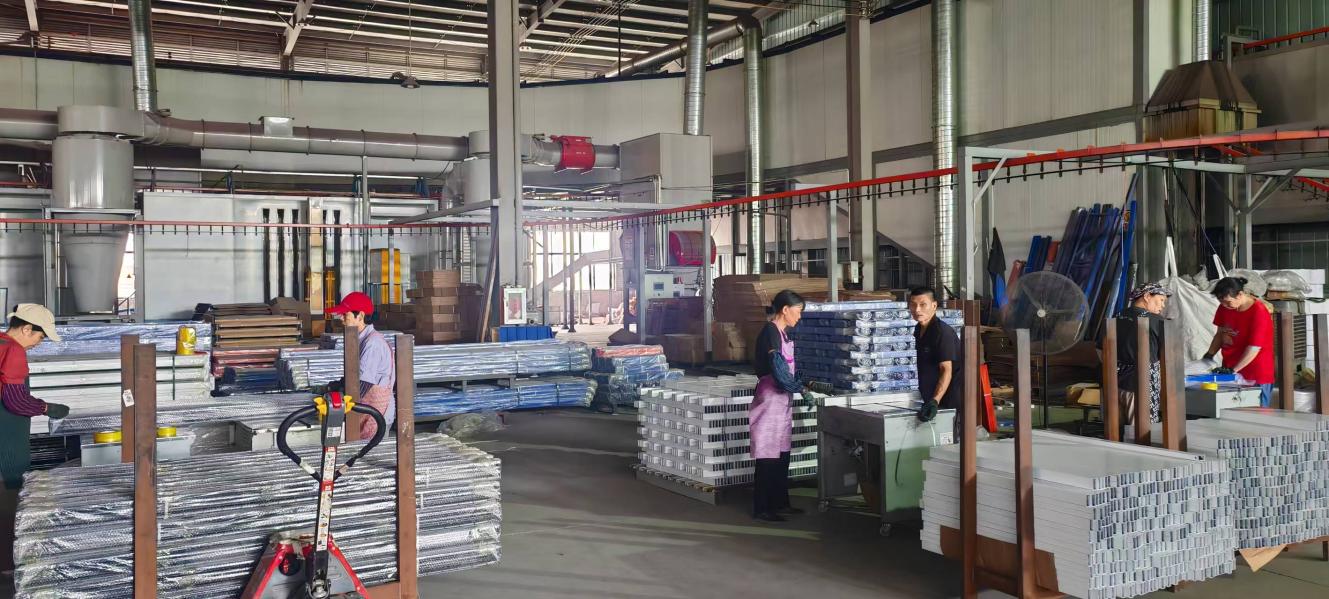
Secure Structural Packing
Cutting Machine
Laser Tube Cutting Machine
Forming Line 1
Upright Beam Forming Line 1
Forming Line 2
Structural Bracing Forming Line 2
Welding Machine
Automated Welding Jig
Spraying Line
Continuous Thermal Spraying Line
Packing Line
Standardized Export Packing Line

3. China Supply Chain Advantages: High-Grade Materials and Production Scale

Our headquarters in Suzhou, China, sits at the heart of the Yangtze River Delta manufacturing cluster. This provides significant advantages for global buyers, starting with direct access to high-grade domestic structural steel, primarily Q235B and Q355B. This structural carbon steel balances yield strength and ductility, making it ideal for the cold-forming processes used to make upright frames and load-carrying beams.

We source raw materials directly from leading domestic steel mills like Baosteel and Ansteel. This gives us clear material traceability and shields our customers from major raw material cost swings. Our automated roll-forming and laser-cutting machinery operates 24/7, maintaining tight tolerances within ±0.5mm across production runs.

Additionally, our close proximity to Shanghai Port (the world’s busiest container gateway) lowers inland logistics costs and shortens transit times. Working with an extensive network of over 800 supply chain partners, we secure high-performance accessories, dynamic roller components, and customized fasteners, helping us maintain a reliable delivery schedule even during peak shipping seasons.

4. Global Localization Support & Compliance Frameworks

We understand that purchasing industrial equipment from overseas requires local coordination and regulatory compliance. Our project management workflow addresses this through localized support from planning to execution.

Seismic Engineering and Local Design Compliance
Our engineering team designs structural profiles tailored to regional seismic codes, including USGS seismic maps for North America and EN 1998 Eurocode 8 designs for Europe.
End-to-End Installation and Supervised Assembly
We provide detailed 3D CAD/BIM models, assembly instructions, and video walkthroughs. We also partner with local installation crews in key markets to handle construction, permit validation, and safety testing.
Customized Finishing for Extreme Cold Storage
For cold storage facilities (down to -30°C), we offer specific epoxy-polyester coatings to prevent dynamic cracking and peel-back, keeping structures clean and functional in harsh conditions.
3PL and E-Commerce Integration Consulting
We optimize your storage configuration for SKU count, turnover rates, and pallet weights to design layouts that match your daily workflow, boosting picker efficiency.

5. Emerging Trends: AS/RS Integration, AMRs, and ESG Green Initiatives

Modern distribution warehouses are moving away from completely manual, static setups. Automated Storage and Retrieval Systems (AS/RS) are changing the role of traditional gravity flow lanes, converting passive storage into active inventory hubs. High-precision manufacturing ensures that our FIFO roller tracks align perfectly with cranes, shuttles, and Autonomous Mobile Robots (AMRs) to prevent transfer errors.

Additionally, today's green building standards (like LEED certification) prioritize sustainable supply chains. The gravity-powered design of FIFO racking reduces energy use, helping facilities lower their carbon footprint. Since these systems rely on physics rather than motorized conveyors, they provide a reliable, low-carbon option for distribution centers aiming to cut operating costs and meet environmental goals.

Technical Procurement & Operational FAQ

Get answers to common technical, structural, and procurement questions about CE-certified FIFO pallet flow setups.

Q1: What structural differences separate CE-certified racking from standard alternatives?
CE-certified racking systems undergo independent testing to confirm compliance with European safety standards, including EN 15512. This requires verified structural analysis of deflection limits under load, reliable weld designs, and load capacities that include safety margins. Standard racking often lacks this level of independent testing, making CE systems the preferred option for enterprise facilities prioritizing workplace safety.
Q2: How do you determine the optimal incline angle for a gravity-fed FIFO rack?
The optimal incline typically ranges between 3.0% and 4.0%. The exact angle depends on pallet configuration, total weight (ranging from 300kg to 1500kg), and the type of rollers used. Standard wood pallets run best at a 3.5% incline, while plastic pallets with smooth runners often require slightly different slopes or specialized roller designs. We run test trials in our facility using mock-ups of your pallets to determine the correct layout before manufacturing.
Q3: What are the maintenance protocols for the brake rollers in pallet flow lanes?
Brake rollers are critical for warehouse safety, controlling pallet descent to prevent structural damage. We recommend checking brake rollers every six months for debris, wear, or fluid leaks. In dusty or high-throughput facilities, we advise quarterly cleanings. Our double-shielded bearings reduce maintenance needs, but worn rollers should be replaced promptly to keep the system running safely.
Q4: Can these FIFO racking systems be used in cold storage and deep-freeze environments?
Yes, our racking systems are designed to operate reliably in cold storage and blast freezer spaces down to -30°C. We use specific structural steel grades, low-temperature lubricants, and specialized powder finishes to prevent metal brittleness and paint peeling. It is important to confirm your temperature range during the design phase so we can select the correct materials.
Q5: What is the typical lead time for custom OEM/ODM production runs?
Standard custom production runs typically take 25 to 35 days from layout approval to container loading. This includes engineering design, raw material testing, forming, welding, powder coating, and final quality checks. We work with our clients to align production timelines with ocean freight schedules, helping to minimize delays at delivery.
Q6: How do you handle freight, customs clearance, and delivery for global orders?
We offer FOB, CIF, DDU, and DDP shipping terms to suit different customer requirements. Our logistics team coordinates container loading, secures documentation for export clearance in China, and coordinates with your freight forwarders. For DDP orders, we manage import customs clearance and deliver the components directly to your facility.
Q7: What options are available for surface finishes?
We provide electrostatic powder coating (with customizable RAL colors) and hot-dip galvanizing. Epoxy powder finishes work well for dry storage, while hot-dip galvanizing (complying with ISO 1461) is best for outdoor structures, humid areas, and washdown environments.
Q8: How do you verify structural stability for seismic zones?
We use finite element analysis (FEA) software to model local seismic requirements, analyzing soil conditions and ground acceleration values. Based on these calculations, we adjust structural parameters, such as thicker columns, wider baseplates, or extra bracing, to ensure safety and code compliance.