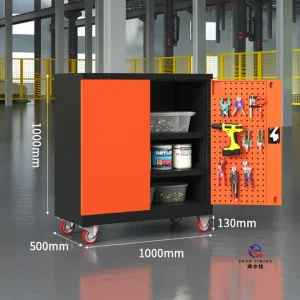
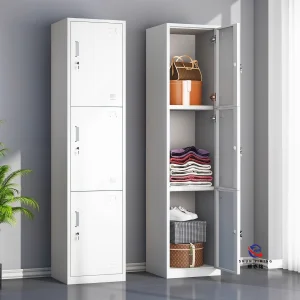
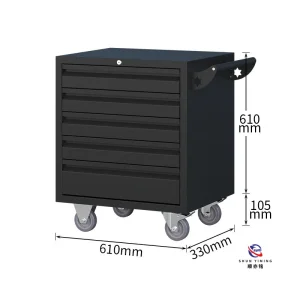
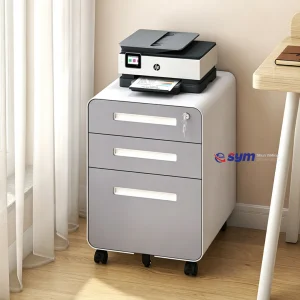
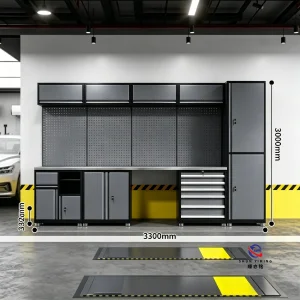
Explore our premium catalog of high-capacity steel storage lockers, workspace workstations, heavy-duty display units, and tool cabinets engineered for industrial performance.
As industrial floor space costs escalate globally, logistics hubs, e-commerce fulfillment centers, and manufacturing plants face structural pressure to maximize volumetric utilization. Multi-level steel mezzanine systems represent the gold standard for vertical facility expansion. By doubling or tripling usable square footage without altering the building’s external envelope, mezzanines present a highly cost-efficient, fast-to-implement structural solution.
However, engineering a mezzanine system requires strict structural compliance. A failure in design, fabrication, or load assessment can result in catastrophic site failures, regulatory shut-downs, and critical liabilities. This is why CE Certification (specifically EN 1090-1 / EN 1090-2) has transitioned from a localized European regulation to a global benchmark of mechanical integrity, safety, and supply chain reliability.
CE marking indicates that a structural steel product conforms to the relevant EU health, safety, and environmental protection standards. For structural steel structures, such as mezzanine floors, the primary applicable standard is EN 1090 (Execution of steel structures and aluminium structures). Under the Construction Products Regulation (CPR), compliance with this standard is legally mandatory for any structural steel component installed in the European Economic Area.
For operations managers and procurement directors globally, CE certification guarantees critical qualitative safeguards:
"A certified mezzanine is not just a layout change; it is an engineered foundation. By using CE-marked structures, enterprises mitigate third-party liability, facilitate smooth building permit acquisitions, and guarantee worker safety under extreme load conditions."
An industrial mezzanine system is an intricate framework of interlocking steel components. The structural design must balance material efficiency with robust safety thresholds. Below is an engineering overview of a typical Guci mezzanine system:
| Structural Element | Common Materials / Profiles | Standard Dimension Range | Functional Role |
|---|---|---|---|
| Primary Columns | H-Beam, SHS (Square Hollow Section), RHS | 150mm to 300mm section dimensions | Transfers vertical dead and live loads safely to the concrete slab. |
| Main Girders / Beams | I-Beams, Universal Beams, C-Profiles | Depth custom calculated (e.g., 200–450mm) | Spans column to column to establish primary platform grid. |
| Secondary Joists / Purlins | Cold-rolled Sigma, C, or Z sections | 100mm to 250mm depth; gauge 1.5–3.0mm | Directly supports the decking layer; spacing optimized for deflection. |
| Decking Substrate | Plywood, Steel Grating, Profiled Steel Deck | 25mm–38mm thickness range | Provides the walking, operational, or storage surface interface. |
| Safety Railings & Gates | Mild Steel Circular/Square Tubing | 1100mm height with integrated kickplate | Protects personnel from falls; self-closing loading gates. |
To design these systems, our 18 R&D engineers utilize advanced Finite Element Analysis (FEA) software. The structural simulation allows us to analyze deflection thresholds, ensuring they comply with the L/200 (for general storage) and L/300 (for automated offices or heavy machinery) limits defined by international safety codes.
Custom calculated beam connection nodes designed to withstand seismic shear forces, compliant with US ASCE 7 and European Eurocode 8 standards.
Reinforced floor decking designed for dynamic localized point loads, keeping deflection minimal under modern robotic automated warehouse systems.
Custom column spans up to 10+ meters, maximizing floor clearances beneath the platform for manufacturing lines and heavy equipment routing.
Step inside the manufacturing floor of Guci Storage Equipment (Suzhou) Co., Ltd. Our 35,000 m² factory integrates advanced engineering with automated lines to guarantee high precision, quality, and output capacity.
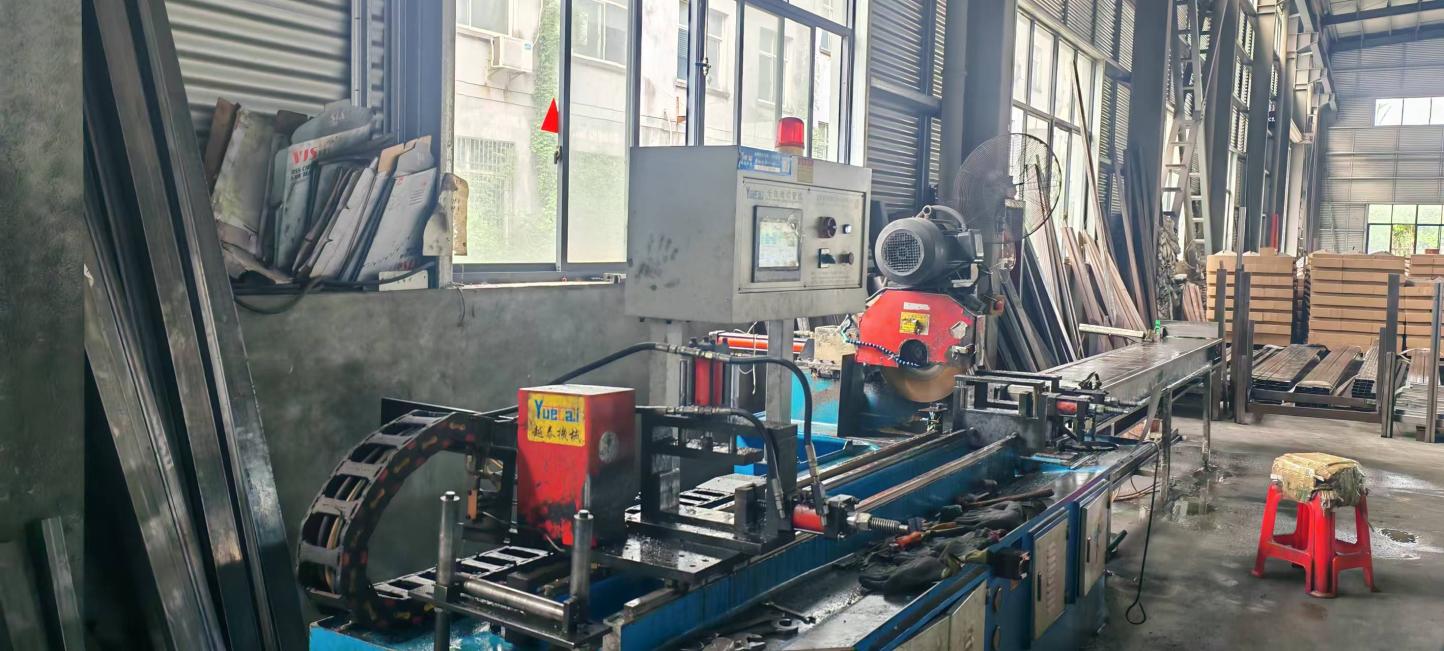
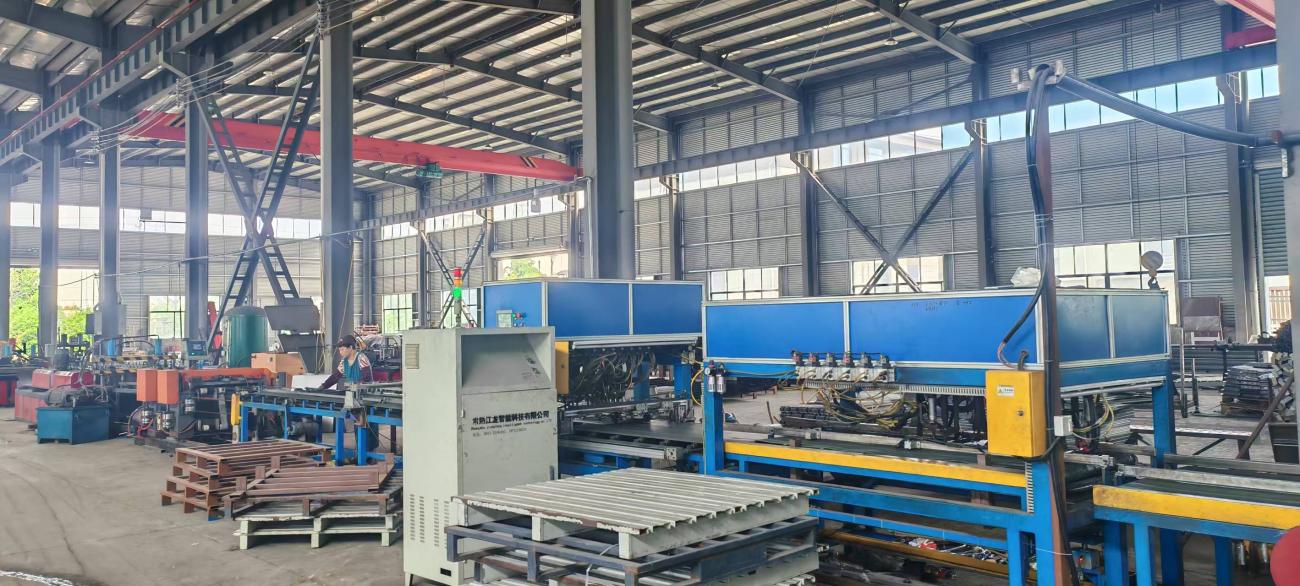
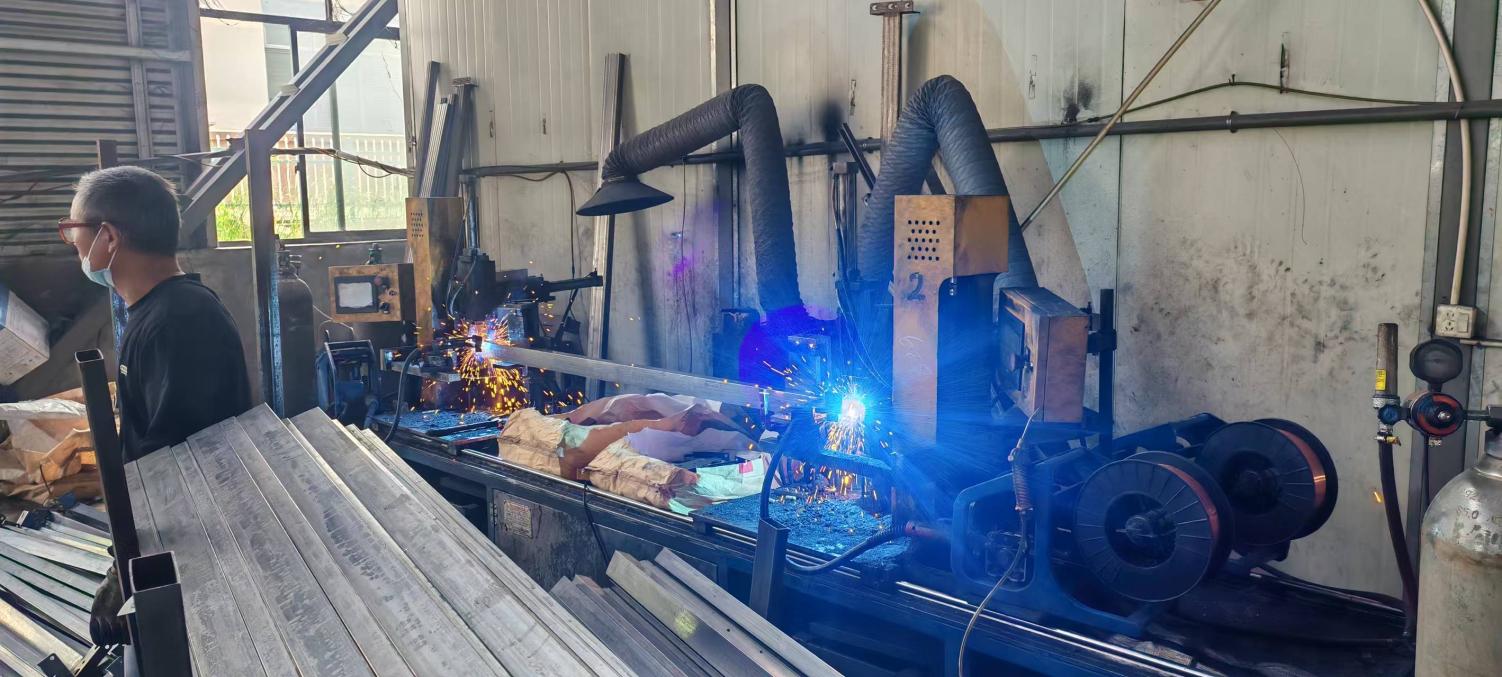
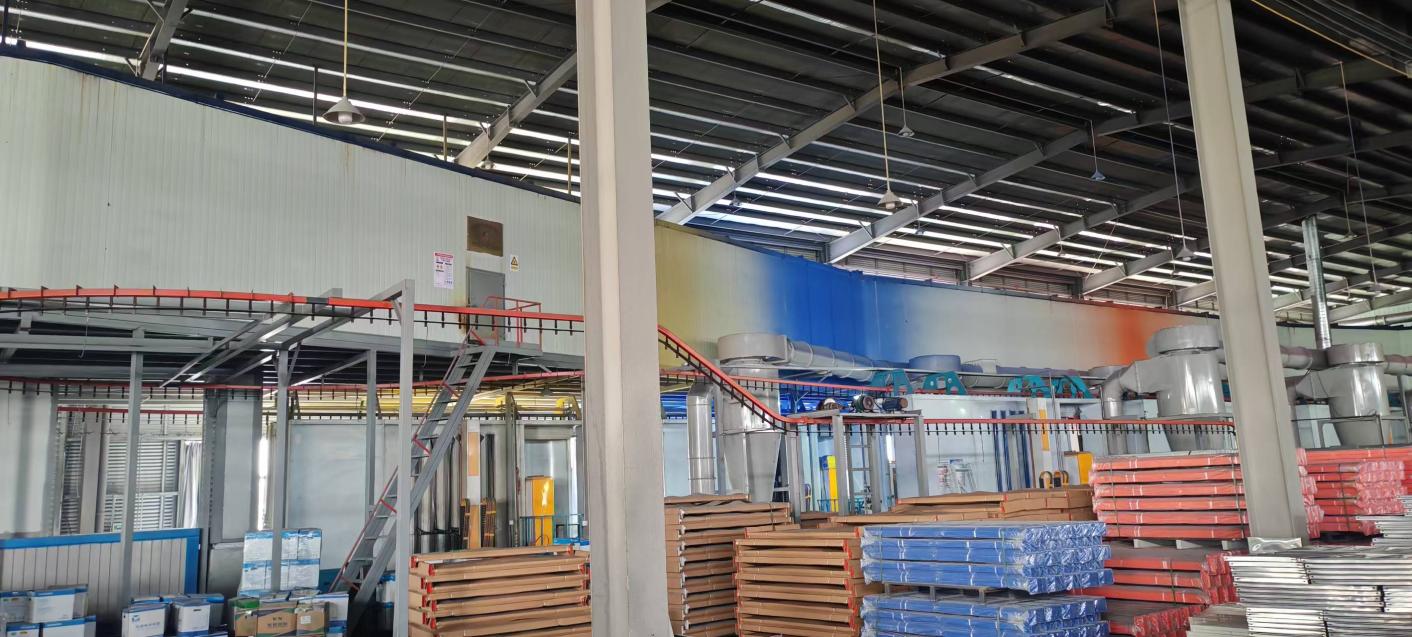
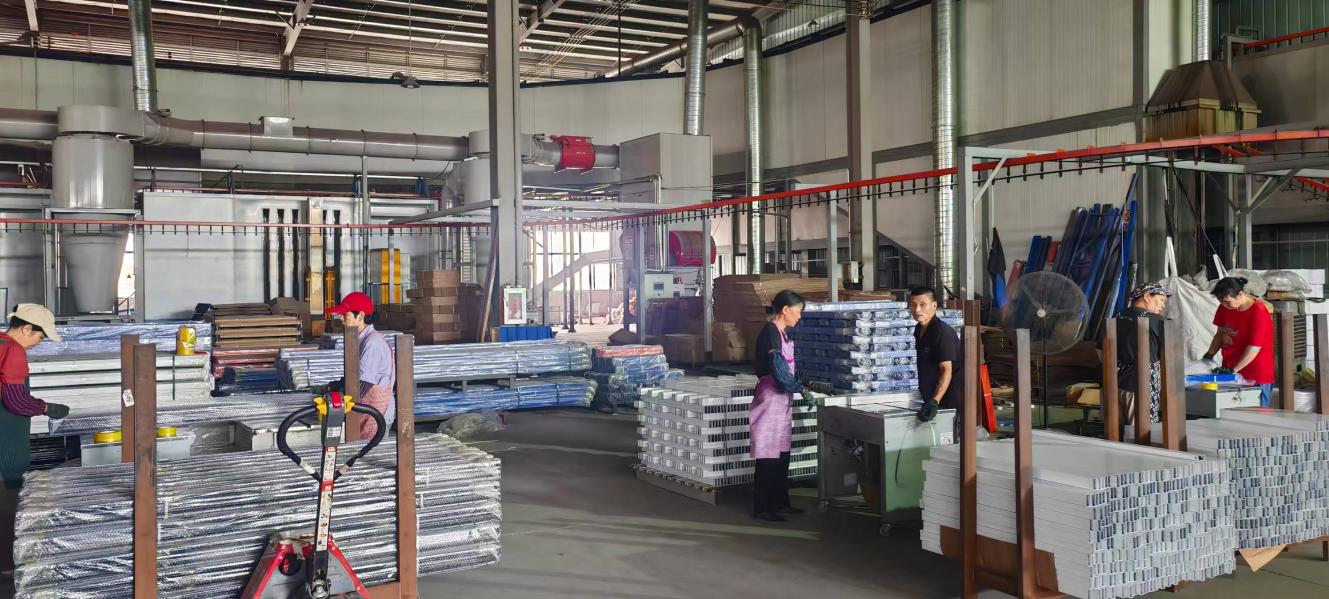
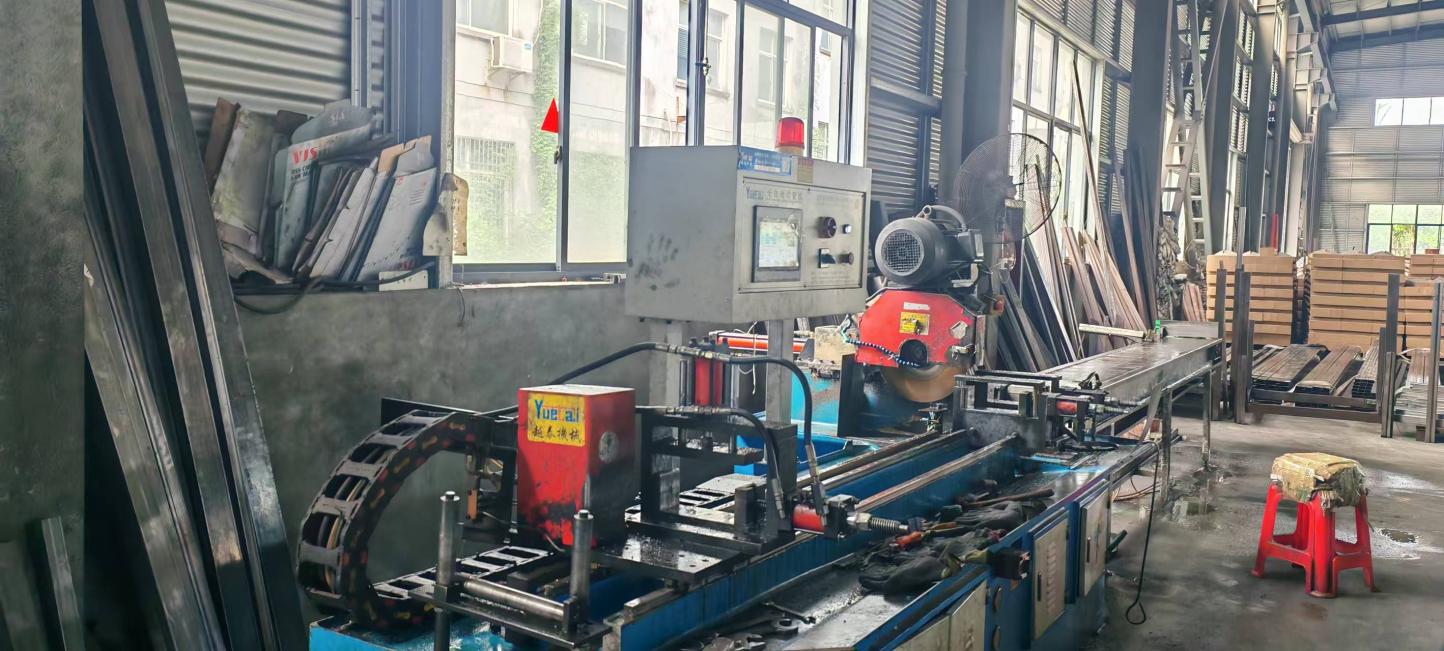
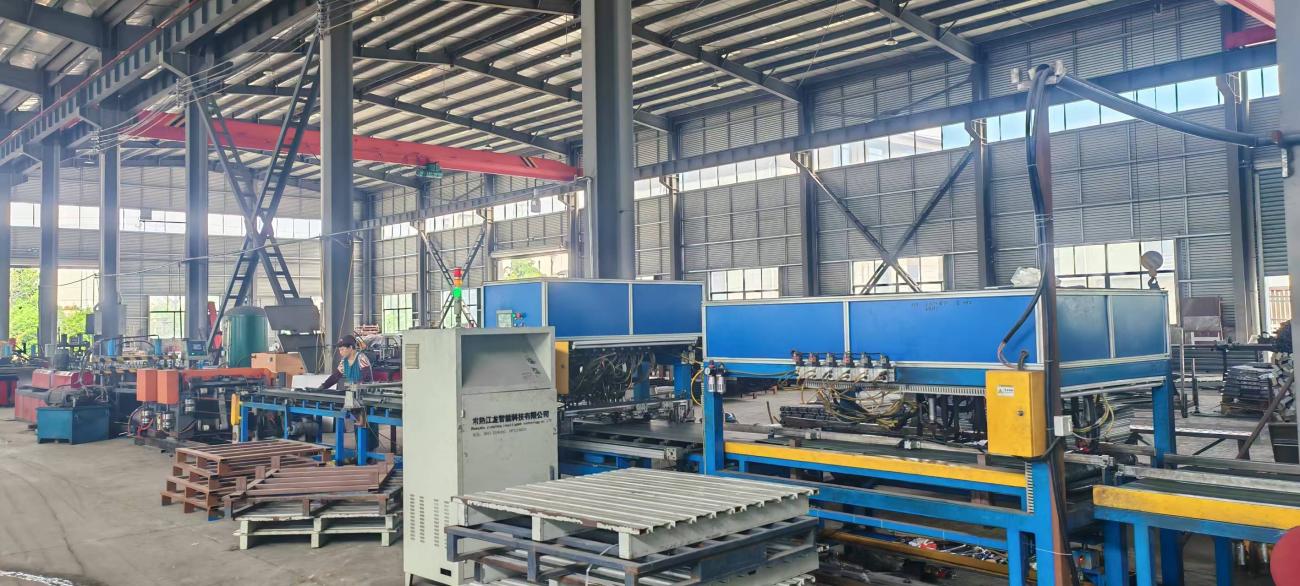
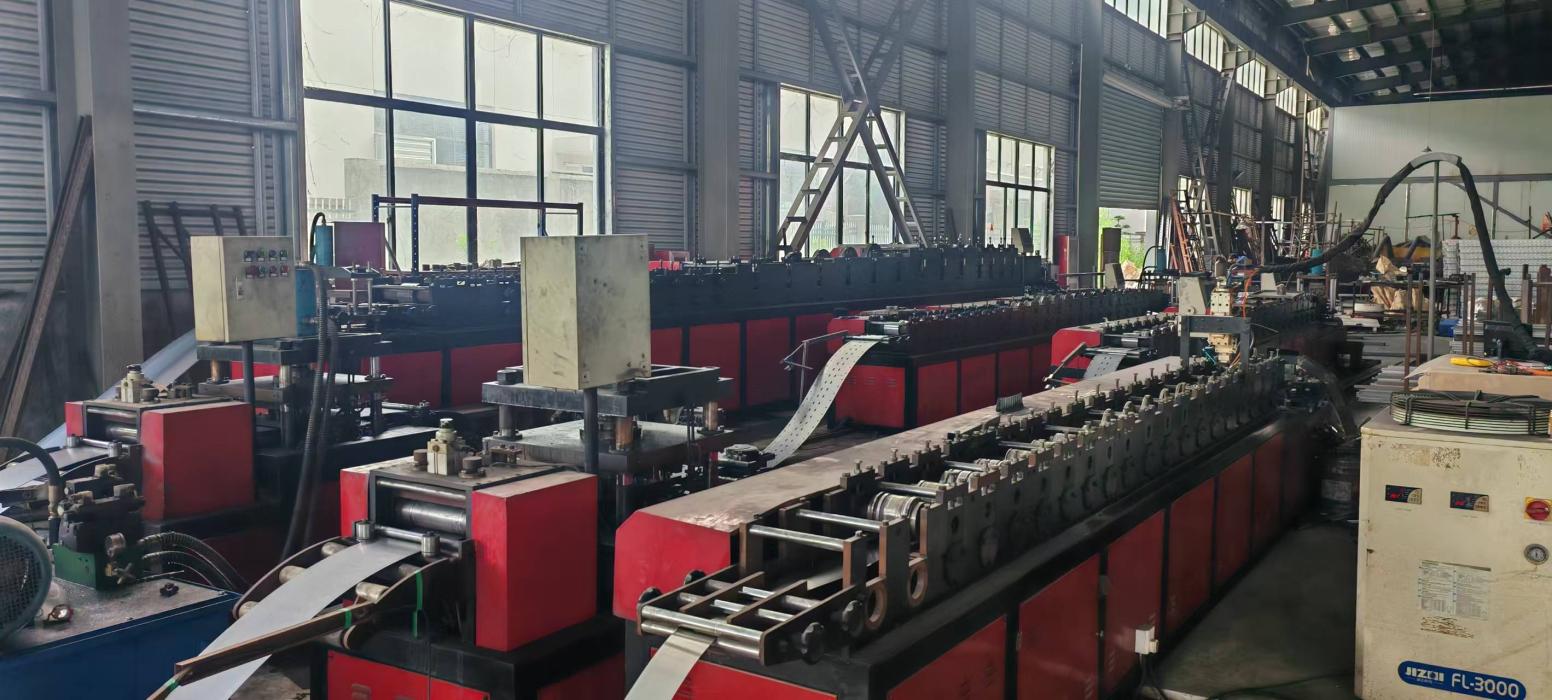
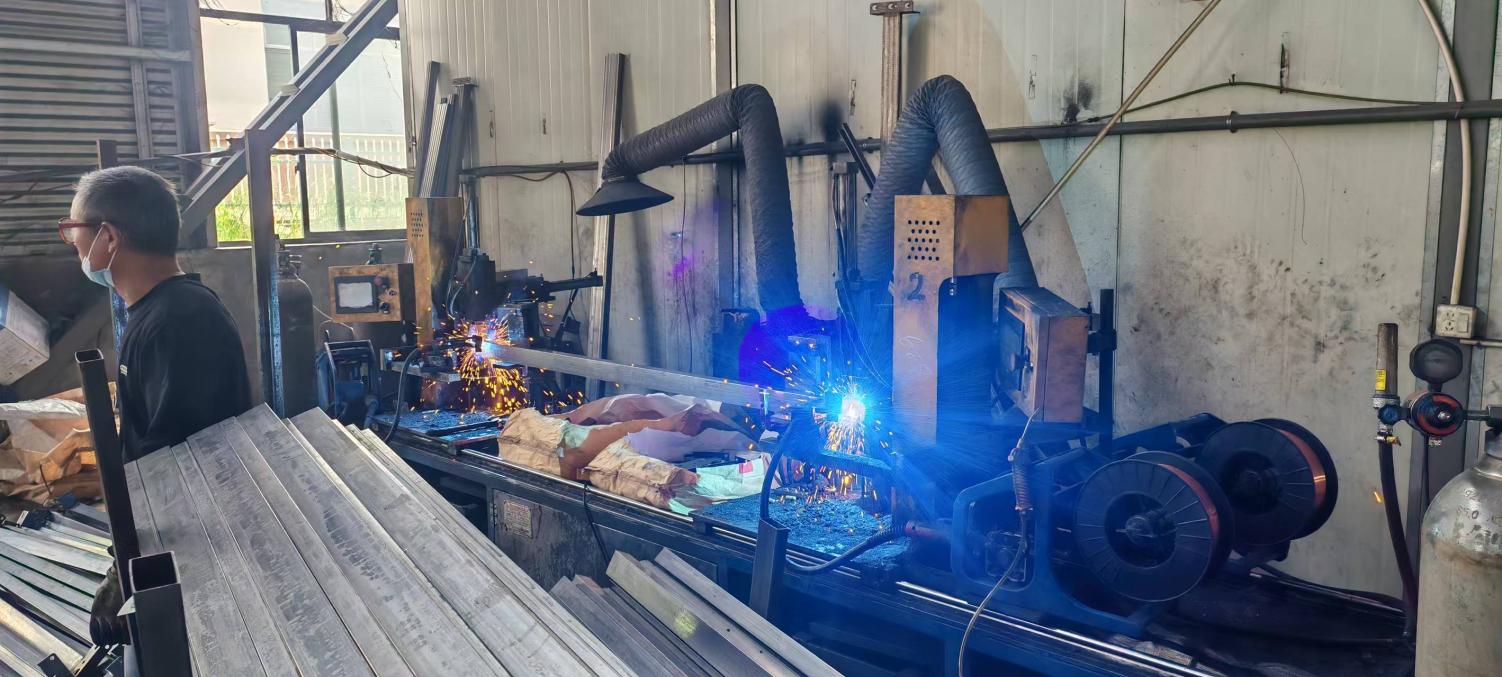
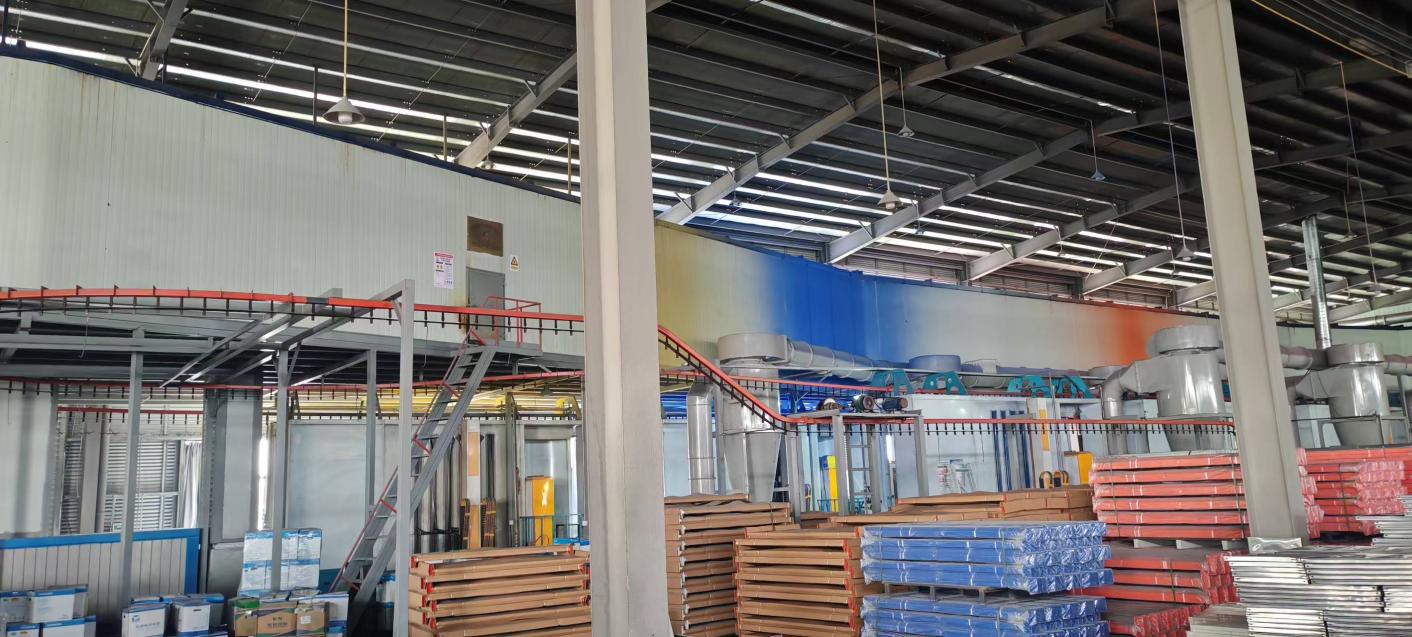
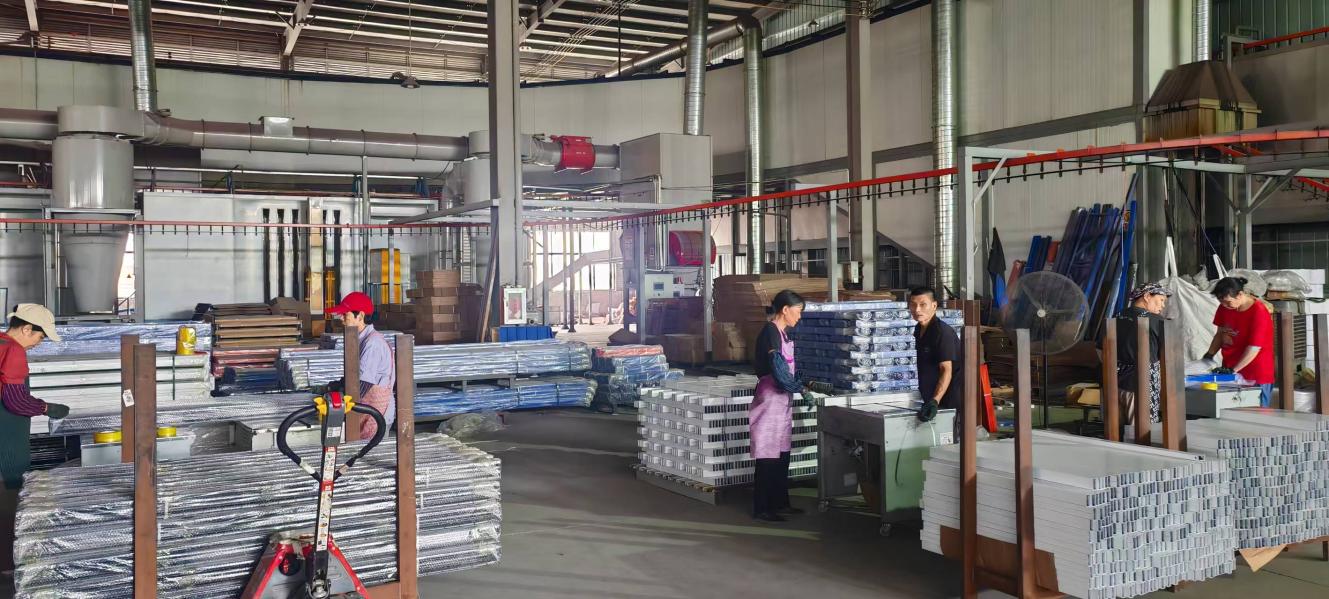
Established in 2015, Guci Storage Equipment (Suzhou) Co., Ltd. has established a highly refined workflow that integrates material preparation, high-accuracy forming, automated robot welding, and specialized surface coatings. Because our operations are scaled to export over $18 million annually, we implement rigorous automation to achieve dimensional consistency and cost efficiencies.
To comply with ISO9001 and CE standards, Guci Storage maintains a dedicated group of 25 QA/QC professionals. Our testing protocol operates at three distinct checkpoints:
Critical structural load-bearing welding joints undergo non-destructive ultrasonic testing. This process detects interior micro-voids, slag inclusions, or incomplete fusion that visual inspections cannot identify, ensuring reliable performance under dynamic loading conditions.
Using hydraulic load test rigs, our lab conducts destructive and non-destructive load tests on finished columns and beams. This verifies that our steel assemblies can support designated loads while maintaining safety factors compliant with international standards.
We use electronic dry-film thickness gauges to check that the paint coating measures between 60 to 90 microns. This thickness protects the steel from environmental moisture, preventing long-term corrosion and maintaining structural integrity over time.
| Test Type | Industry Standard Method | Guci Internal Benchmark | Pass / Fail Threshold |
|---|---|---|---|
| Weld Integrity | EN ISO 17640 (Ultrasonic) | Zero defect internal tolerance | Class B compliance (Structural) |
| Steel Grade Verification | Spectrochemical Analysis | Q235B / Q355B validation | Yield strength verify min 235/355 MPa |
| Coating Adhesion | ISO 2409 Cross-Cut Testing | GT0 Rating (No peeling) | Must exceed GT1 minimum standard |
| Deflection Test | Full-scale structural mock load | Under maximum design load limit | Deflection ≤ L / 200 span distance |
Operating across North America, Europe, and Southeast Asia, Guci Storage adapts its designs to meet regional building codes and compliance requirements. Every project is designed to align with localized regulations:
Mezzanines shipped to the United States comply with the Racking Manufacturers Institute (RMI) MH16.1 specifications and the International Building Code (IBC). In seismic zones, such as California, we optimize structural profiles and baseplates to withstand dynamic lateral forces, helping clients secure local building permits.
Our European installations comply with Eurocode 3 for structural calculations, EN 15635 for the safe operation of storage systems, and safety-conscious edge protections. Our structural columns, primary beams, and handrails are designed with CE execution class 2 (EXC2) ratings to meet local requirements.
High-humidity environments require robust anti-corrosion protection. For these areas, we offer hot-dip galvanized finishes and zinc-rich coatings that resist moisture and salt exposure, helping to extend the system's operational life.
Operating a facility in Suzhou, China allows Guci Storage to offer structural and logistical advantages that help optimize procurement budgets:
The warehouse sector is moving toward automation, which requires mezzanine design to adapt. Our research and development focuses on three primary developments:
Modern mezzanines are engineered to handle the concentrated wheel loads of mobile robots. We calculate fatigue limits and deflection rates under moving loads to ensure smooth, safe robot travel across the platform.
We design bolt-together beam connections that minimize on-site welding during installation. This helps reduce installation times, lowering labor costs and field safety risks.
We are testing smart sensors that monitor strain and deflection. These sensors provide real-time data to operations teams, tracking structural loads to help prevent overload conditions.
Find technical answers regarding structural engineering, compliance certifications, shipping logistics, and manufacturing processes.
Q235B and Q355B are standard carbon steels used in Chinese manufacturing. Q235B has a yield strength of 235 MPa and is suitable for standard structural columns and light to medium-duty beams. Q355B is a low-alloy, high-strength steel with a yield strength of 355 MPa. We use Q355B for long spans, heavy-duty primary beams, and high-load columns where structural efficiency is critical.
Yes, we provide engineering calculation books for structural projects. Our engineering team prepares documentation including stress analysis, deflection values, and column load ratings, ensuring designs comply with Eurocode 3 standards to support local permit applications.
We pack structural steel profiles using steel strapping, corner protectors, and heavy plastic wrap to protect against seawater and humidity. Items are bundled in dense, square packages designed to remain stable inside shipping containers during sea transit.
Lead times depend on design complexity and current order volume. Typically, the engineering design and drawing approval process takes 1 to 2 weeks, followed by a manufacturing cycle of 4 to 6 weeks. Total delivery time depends on shipping transit schedules to the final destination.
Yes, we provide electrostatic powder coating services with colors from the standard RAL chart. Customers can select specific colors to match corporate branding or indicate safety zones on the mezzanine floor.
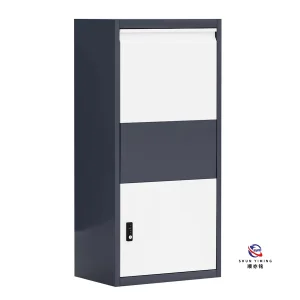
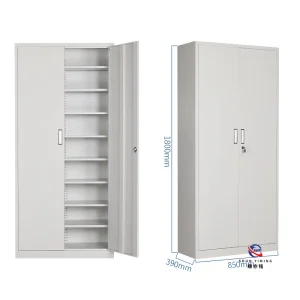
Browse our full range of heavy-duty steel mobile pedestals, locker systems, utility tool trolleys, modular workbenches, and secure logistics parcel lockers.
 GuciRack