Direct access to our engineered line of high-capacity storage racks, industrial tool workstations, and heavy-duty steel lock systems built for international distribution.
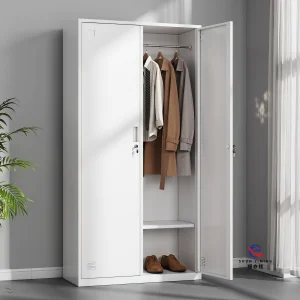
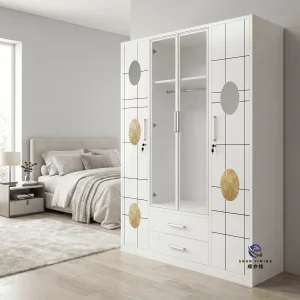
As supply chain operations globally expand and face increasing demands for real-time throughput, the importance of structural integrity in storage solutions has grown exponentially. China’s industrial shelving sector, centered around advanced industrial zones like Suzhou, Jiangsu, represents the global state of the art in high-capacity metal fabrication. Global procurement managers choose Chinese manufacturers for their integration of structural engineering expertise, metallurgical quality control, and scalable high-volume production capacities.
Our structures utilize premium high-tensile cold-rolled steel grades, including Q235B and Q355B. These materials undergo rigorous testing for yield strength, tensile resilience, and elongation capacity to support massive static loads without structural deformation.
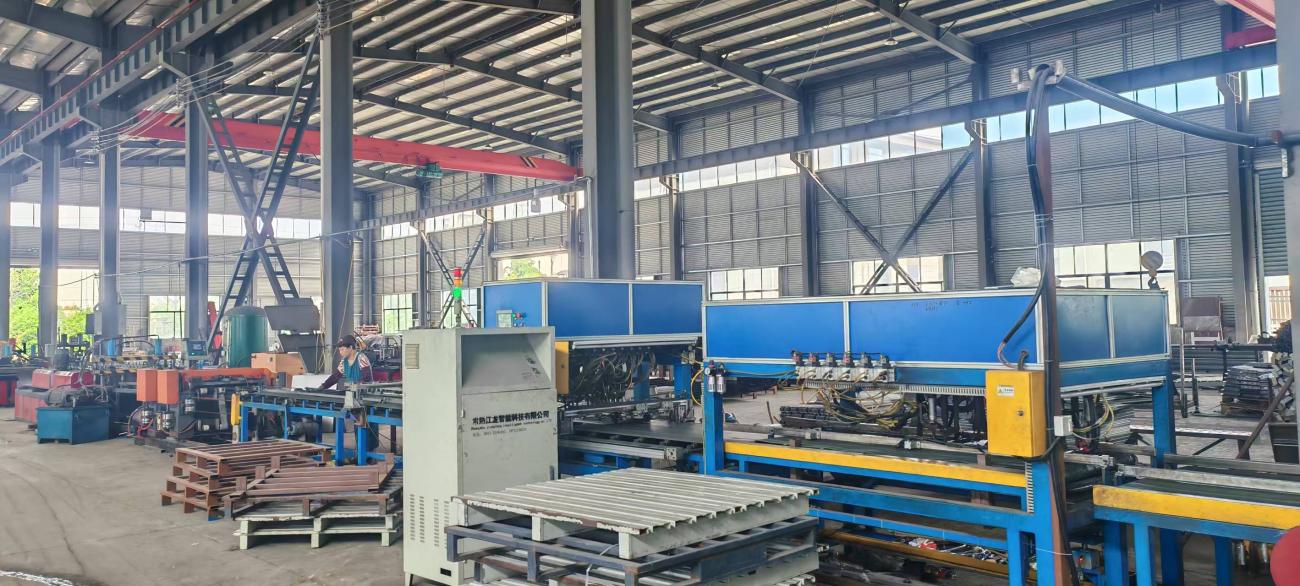
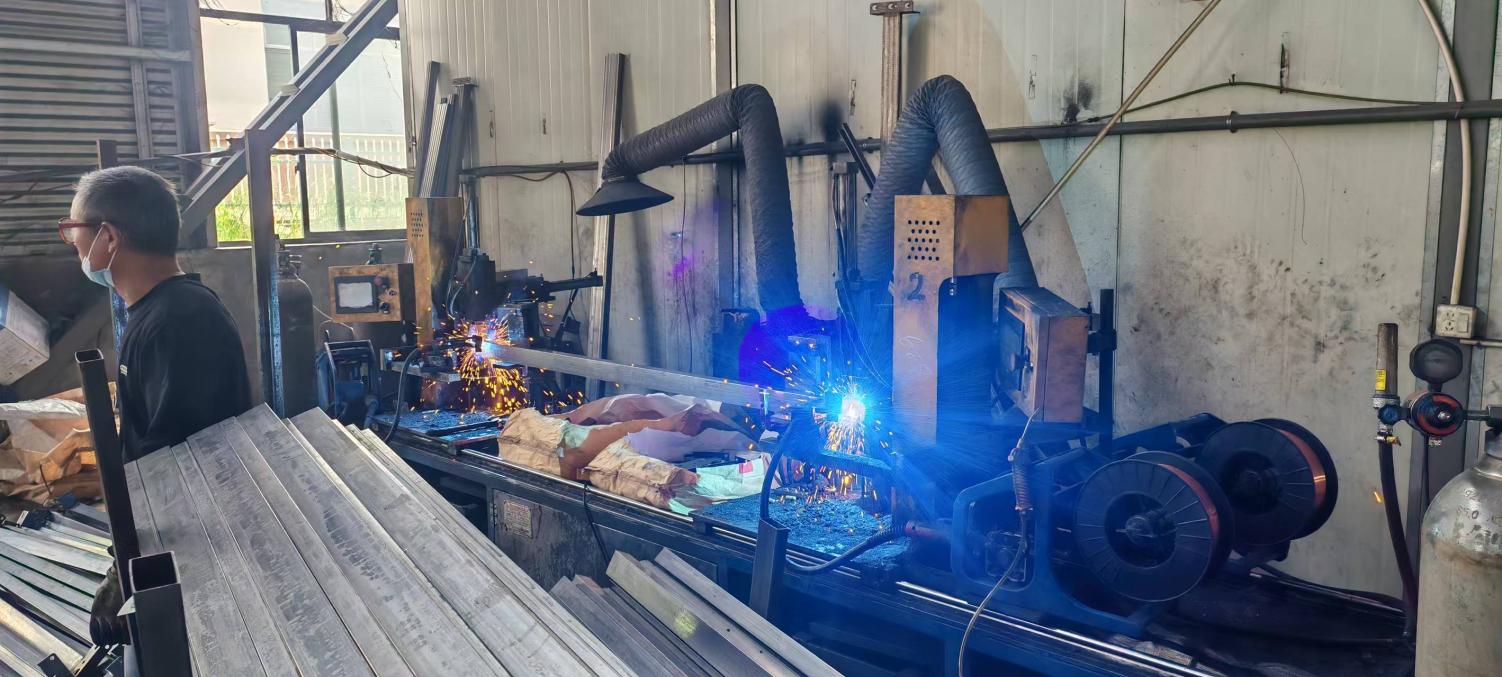
Through modern automated roll-forming lines, laser cutting systems, and robotic welding stations, manufacturing precision is maintained down to sub-millimeter tolerances. This ensures perfect structural alignment during assembly, reducing localized stress points.
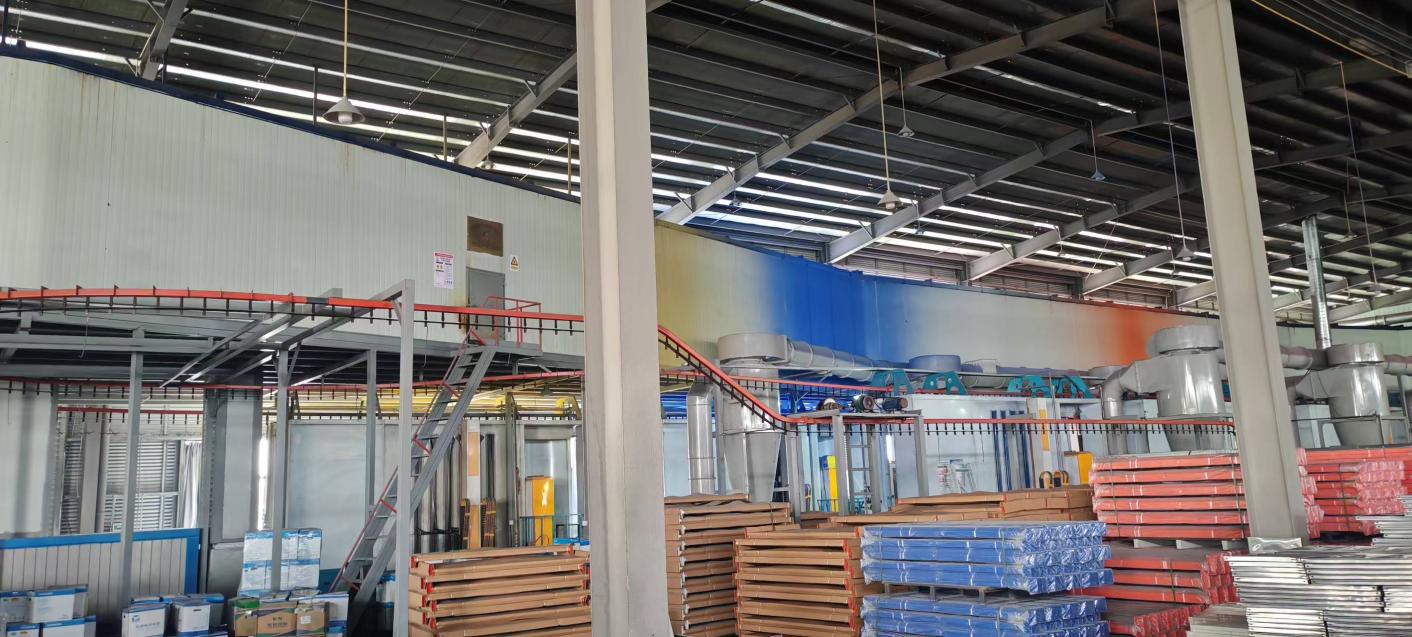
Electrostatic thermosetting powder coating processes protect all components against oxidation, moisture, and chemical exposure. Pre-treatment chemical washes guarantee paint adhesion and rust prevention even in demanding humid environments.
Modern industrial shelving is no longer viewed as simple steel shelving; it forms the physical foundation of intelligent, semi-automated, and fully automated storage systems. As globally integrated supply chains shift toward high-velocity inventory management, key technology trends are reshaping the engineering standards of China's racking factories:
Modern high-bay racking systems must interface with Automated Storage and Retrieval Systems (AS/RS). This requires extremely tight vertical tolerances, precise deflection-to-span ratios, and integration with guide-rails for automated cranes or Autonomous Mobile Robots (AMRs).
Logistics facilities demand modular components that can be configured, expanded, and relocated quickly. The global shift toward green building credentials (such as LEED) requires manufacturers to utilize eco-friendly powder coatings and recyclable steels while maintaining carbon-neutral production practices.
Furthermore, seismic engineering has become a standard requirement for high-density warehouse designs. Leading Chinese manufacturers now conduct advanced finite element analysis (FEA) to simulate earthquake loads, dynamic forces from high-speed forklifts, and complex weight distributions, ensuring structural compliance under seismic conditions worldwide.
Different industrial sectors face unique warehouse storage challenges. Industrial shelving must be designed and tailored to meet the specific requirements of various operating environments.
Challenge: Maximum space utilization and fast throughput in environments with temperatures down to -30°C.
Solution: High-density mobile shelving systems and drive-in racks utilizing special low-temperature-resistant steel alloys and corrosion-resistant hot-dip galvanized finishes.
Challenge: Multi-SKU pick-and-pack operations requiring highly flexible pick faces and rapid layout reconfiguration.
Solution: Multi-tier mezzanine flooring systems paired with carton-flow racking and smart-lock modular steel platform integrations.
Challenge: Storing heavy, long, or irregularly shaped components like steel tubes, automotive dies, and industrial engine parts.
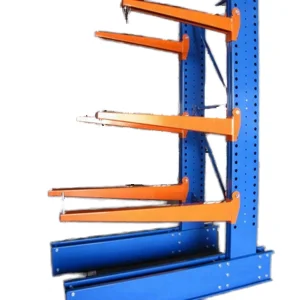
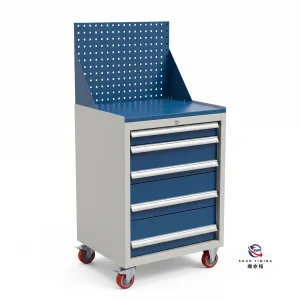
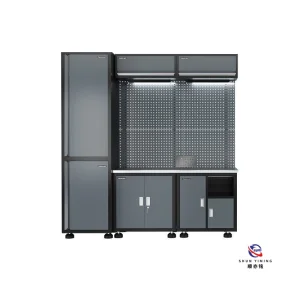
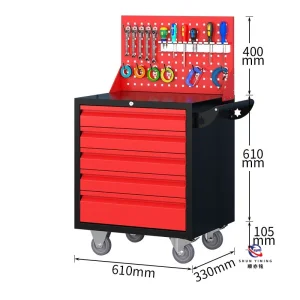
Solution: Heavy-duty cantilever racking, combined workbenches, and reinforced rolling tool trolleys capable of supporting loads exceeding 4,000 kg per bay.
Established in 2015, Guci Storage Equipment (Suzhou) Co., Ltd. is a leading B2B manufacturer specializing in heavy-duty warehouse racking and industrial storage solutions. Spanning a modern manufacturing facility of 35,000 m², the company brings over 11 years of deep industry expertise and 8 years of global trade experience, serving client bases across North America, Europe, and Southeast Asia with an annual export revenue reaching $18 million.
To maintain superior product standards, Guci Storage enforces a rigorous quality management process—combining ultrasonic flaw detection, load-capacity stress testing, and surface coating thickness inspections. Our dedicated quality control team of 25 QA/QC professionals ensures every rack system complies with international safety standards such as ISO9001 and CE.
Backed by a strong trade background and an extensive network of over 800 supply chain partners, we primarily serve enterprise clients, including third-party logistics (3PL) providers, global distributors, mega e-commerce fulfillment centers, and large-scale industrial plants.
Innovation drives our success. Supported by a skilled team of 18 R&D engineers, Guci Storage offers comprehensive OEM/ODM customization options, tailoring load capacity, dimensions, structural layouts, and surface finishes to meet specific site requirements. In the past year alone, our team successfully launched 45 new product designs to optimize modern high-density warehouse efficiency.
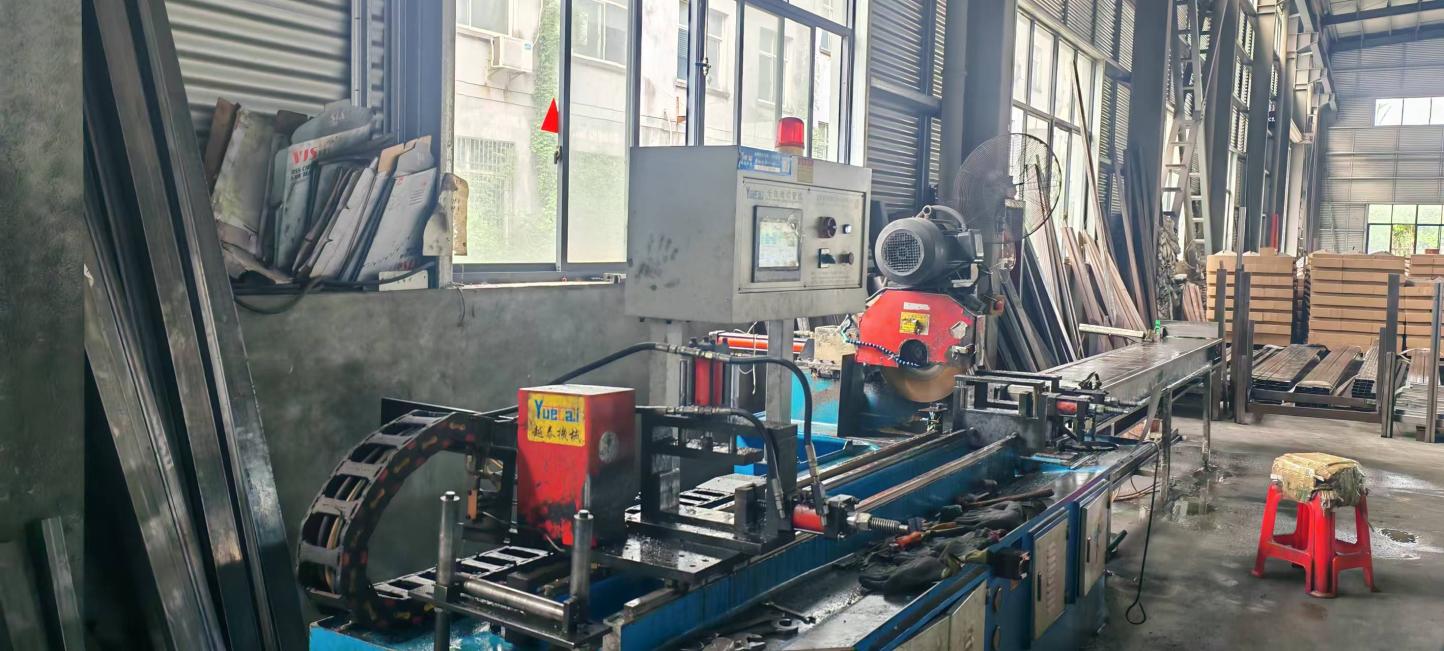
Steel coils and raw sheets are sheared and laser-cut to exact design dimensions.
Precision roll-forming machines shape the profiles of vertical uprights and horizontal load-bearing beams.
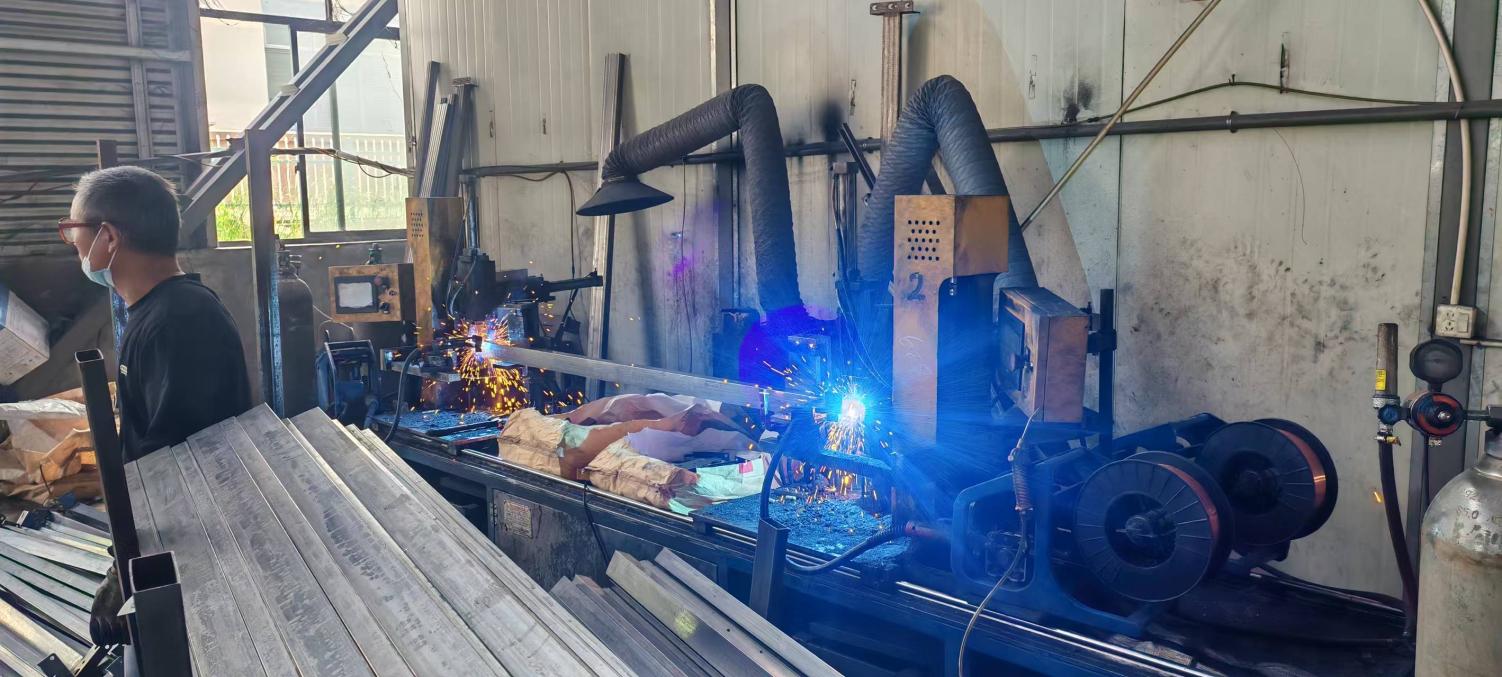
Structural components, base plates, and beam end connectors are welded with heavy penetration joints.
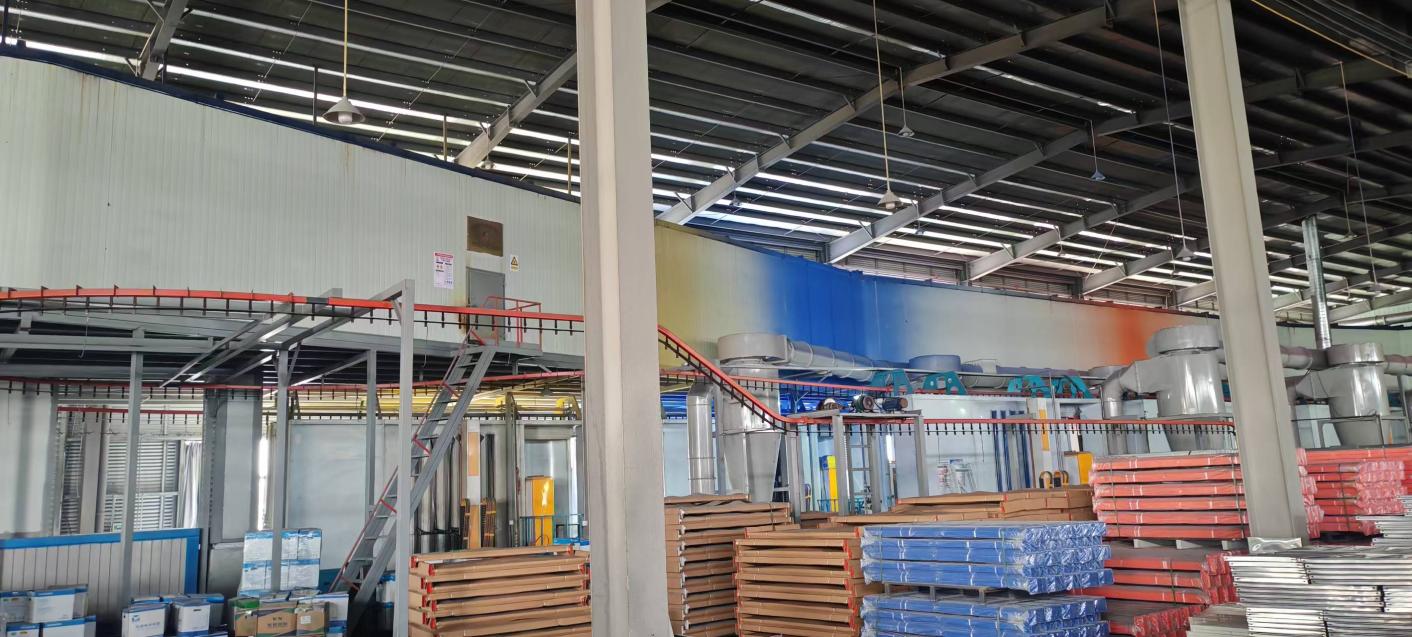
A multi-stage chemical wash prepares the steel for electrostatic powder coating and high-temperature curing.
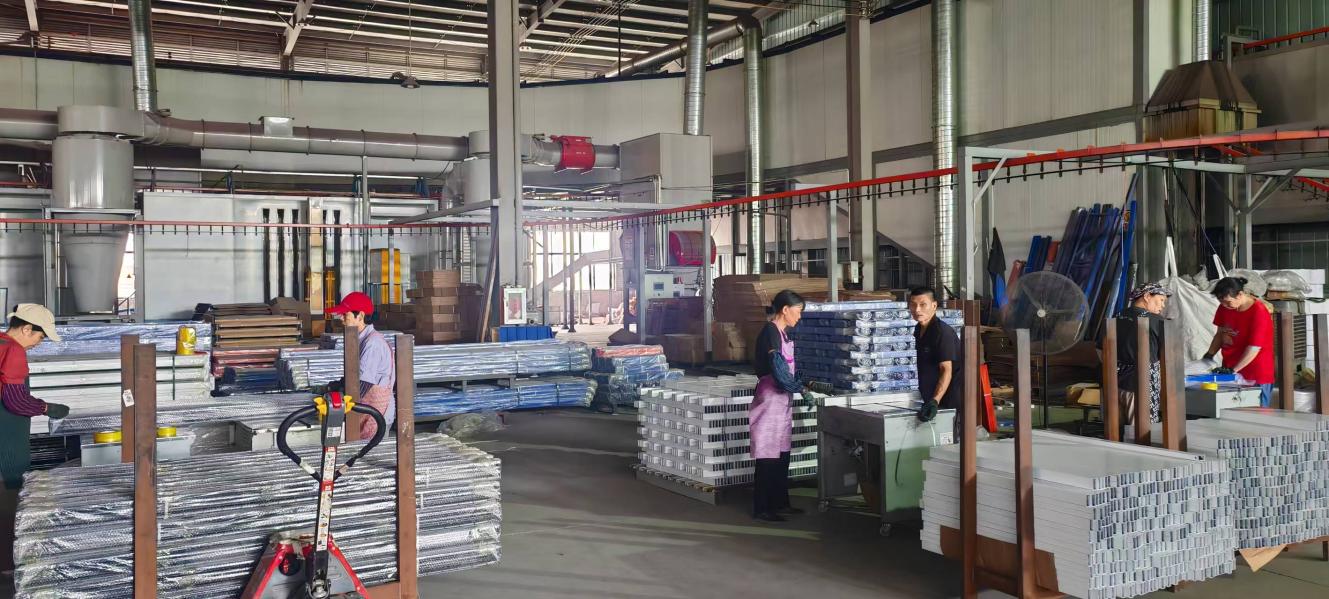
Racking elements are securely bundled with protective wrap and steel strapping to survive ocean transit.
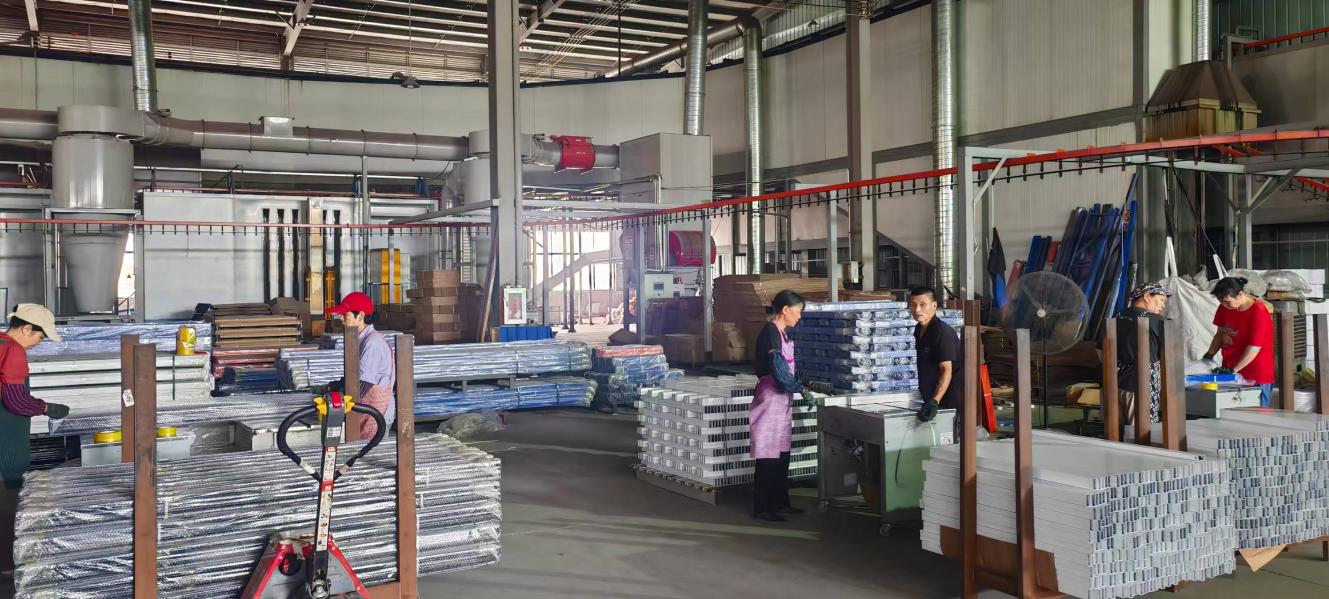
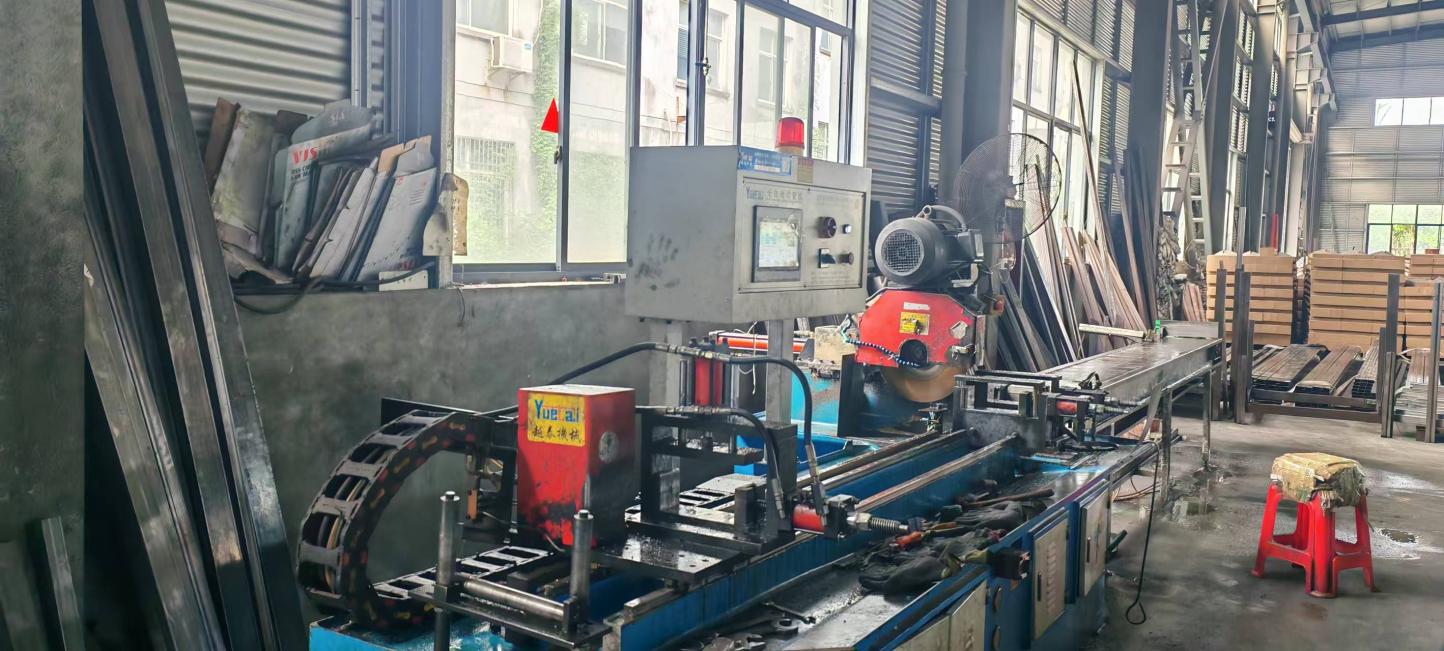
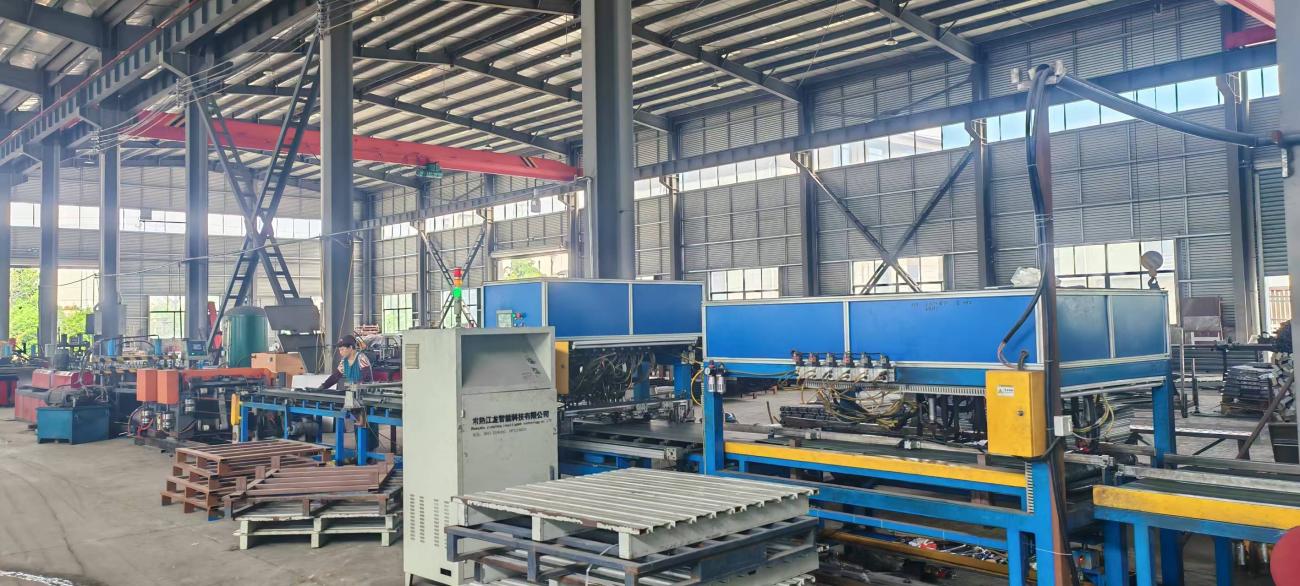
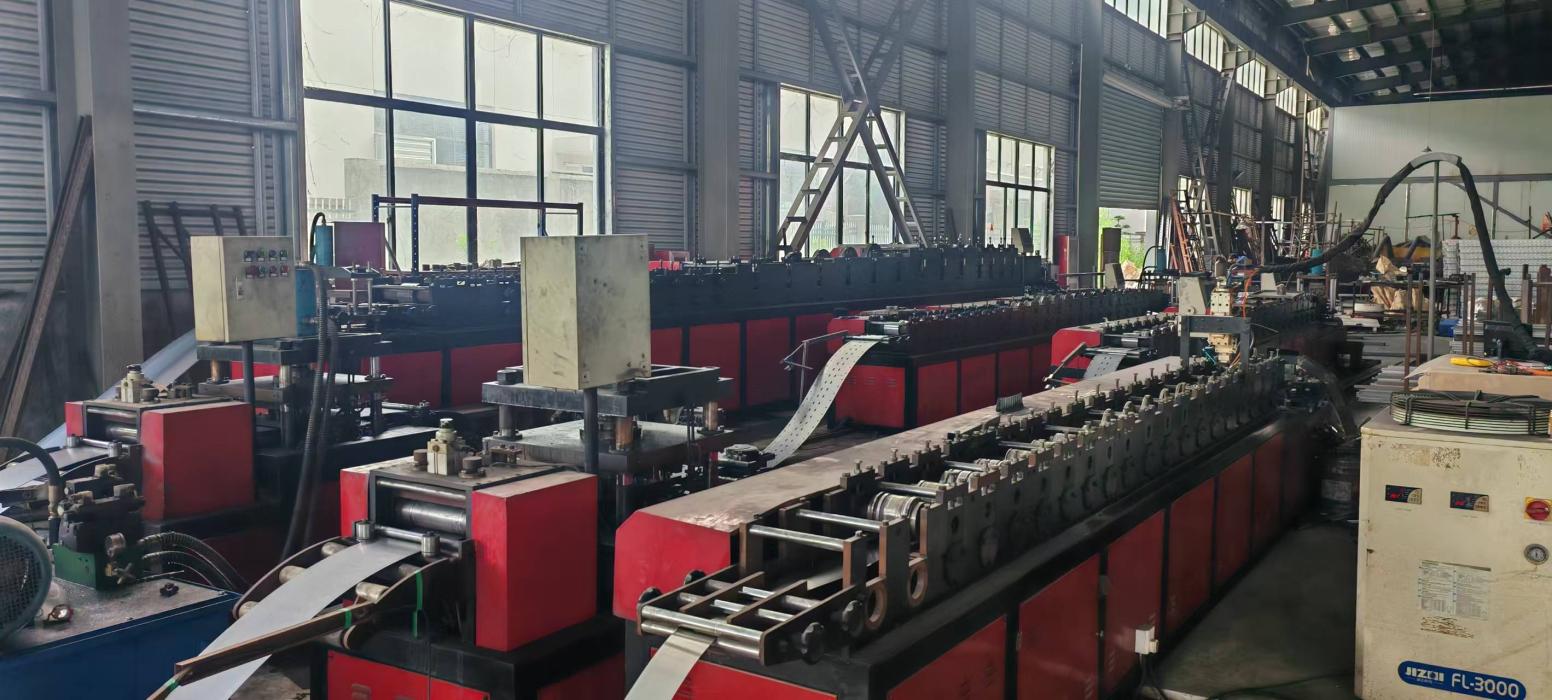
Sourcing large-scale steel racking solutions requires attention to international trade logistics, compliance standards, and raw material validation. Procurement officers must evaluate several operational criteria during the RFP (Request for Proposal) stage to mitigate risk:
Ensure your supplier manufactures components in compliance with local structural codes. For the USA, designs must meet the Rack Manufacturers Institute (RMI) MH16.1 standard. For Europe, EN 15512 / FEM 10.2.02 is required, and for Australia, AS 4084 applies. Ask the manufacturer to provide structural calculation sheets certified by third-party engineering firms.
Heavy steel products can incur high ocean freight rates if the volumetric efficiency of the shipping container is poor. Specify KD (Knocked-Down) boltless configurations. Upright frames should be designed to pack nested together, and beam connectors must pack flat to maximize shipping weight capacities within standard 40-foot HQ shipping containers.
Furthermore, verify the raw material supply chain. A quality factory should provide Mill Test Certificates (MTC) for all steel batches, proving compliance with chemical compositions and yield strengths. They should also carry out in-house quality testing, including Charpy V-notch impact tests for products destined for cold-temperature warehouses, and salt spray testing for corrosion resistance.
Critical answers to the most common engineering and procurement questions raised by global supply chain managers.
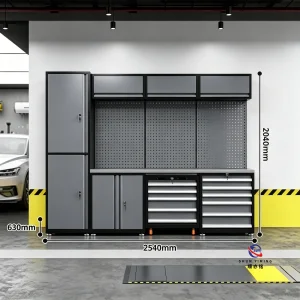
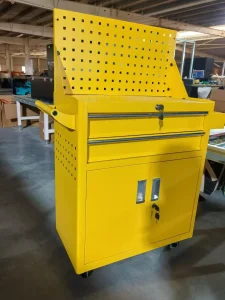
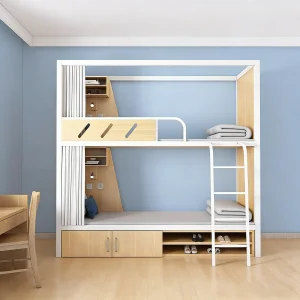
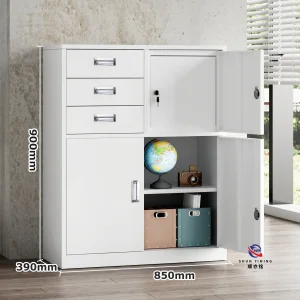
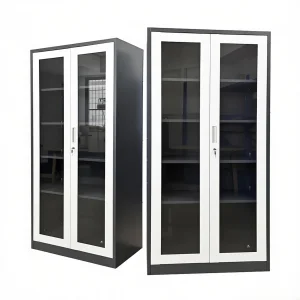
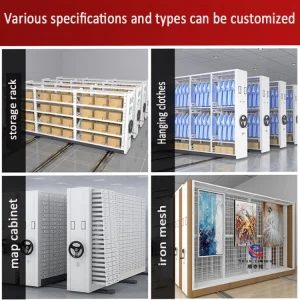
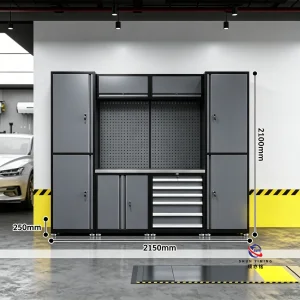
Expand your facility's operations with our mobile tool storage cabinets, customized workstations, heavy-load trolleys, and high-density mobile archiving systems.
 GuciRack