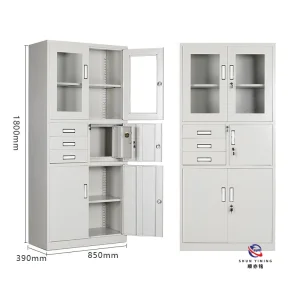
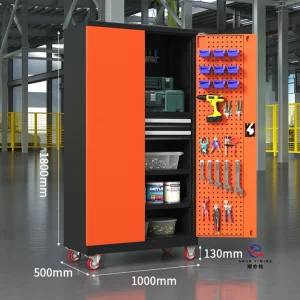
High-capacity structural steel equipment engineering for modern logistics hubs, institutional archiving, commercial offices, and advanced manufacturing sites.
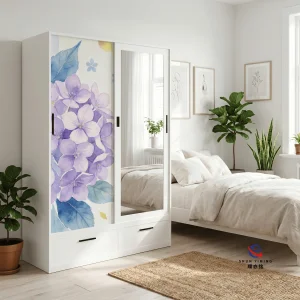
In the rapidly changing landscape of global supply chain management, high-density warehousing, and modern industrial fabrication, physical space is no longer just a structural container. It is a core asset. Guci Storage Equipment (Suzhou) Co., Ltd. (established in 2015) has emerged as a premier force in heavy-duty warehousing systems design and high-tolerance steel manufacturing.
Spanning a modern 35,000 m² manufacturing facility, our organization leverages over 11 years of structural engineering expertise alongside 8 years of cross-border trade optimization. Currently serving multi-national operators across North America, Europe, and Southeast Asia, Guci Storage generates an annual export revenue exceeding $18 million. We function as a strategic partner to structural system builders, 3PL logistics networks, e-commerce conglomerates, and global manufacturing plants.
Industrial shelving is shifting from static steel frames to dynamic storage platforms. The structural safety parameters, spatial flexibility, and integration readiness of warehouse racks now determine overall warehouse performance.
Modern distribution centers are rapidly integrating AS/RS to replace manual storage systems. Racking structures must now achieve tolerances within tight margins of 1.0mm to 1.5mm. Standard structural deviation is no longer acceptable when high-speed automated shuttles travel down racking bays.
By utilizing cold-rolled steel (such as Q235B and Q355B), modern structural engineers can construct shelving with thinner profiles that still deliver higher structural capacities. Using Finite Element Analysis (FEA), designers can simulate seismic events, dynamic load shifts, and warehouse conditions to prevent structural failures before they occur.
Electrostatic thermosetting powder coatings have replaced standard wet paint finishes. This shift ensures resistance to corrosion, moisture, and chemical spills while eliminating Volatile Organic Compounds (VOCs) during the manufacturing process.
Our surface finishes are formulated with thermosetting epoxy-polyester coatings. These materials are tested using standard ASTM cross-cut tape adhesion testing to prevent surface wear and paint peeling, even under heavy forklift impacts.
International buyers often encounter challenges with logistics compliance, inconsistent product quality, and misaligned engineering designs. At Guci Storage, our operational processes are engineered to address and resolve these specific challenges.
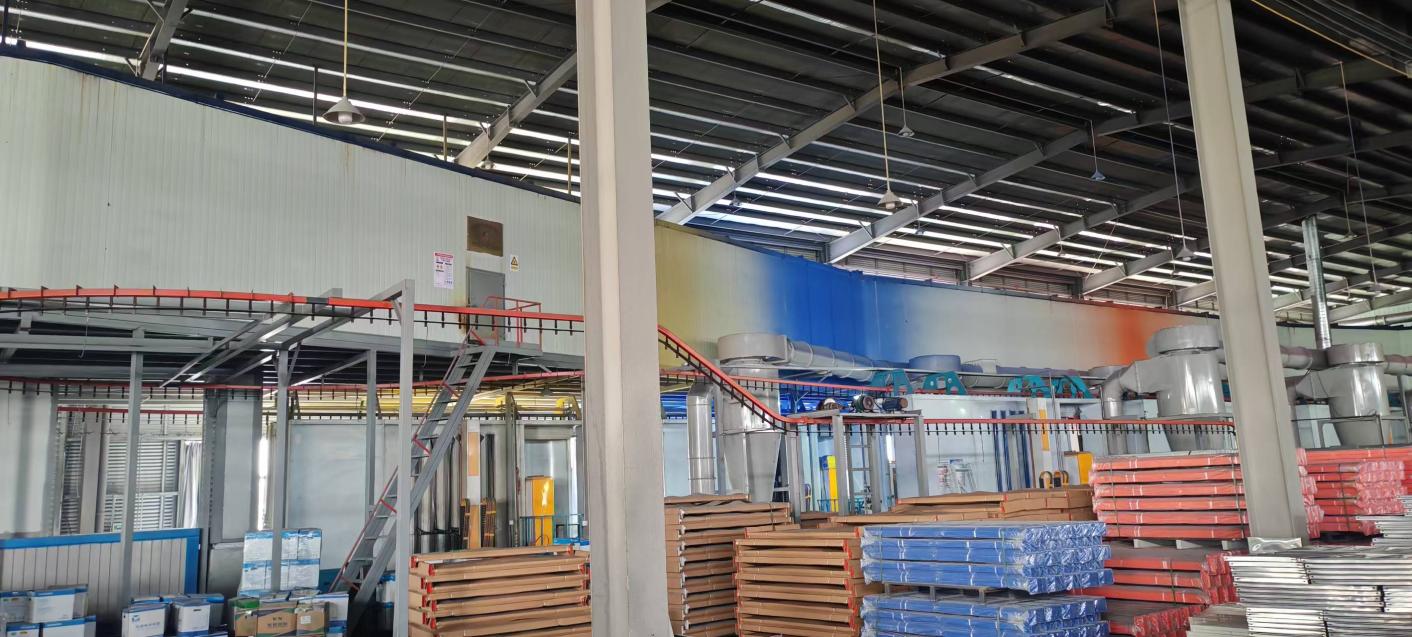
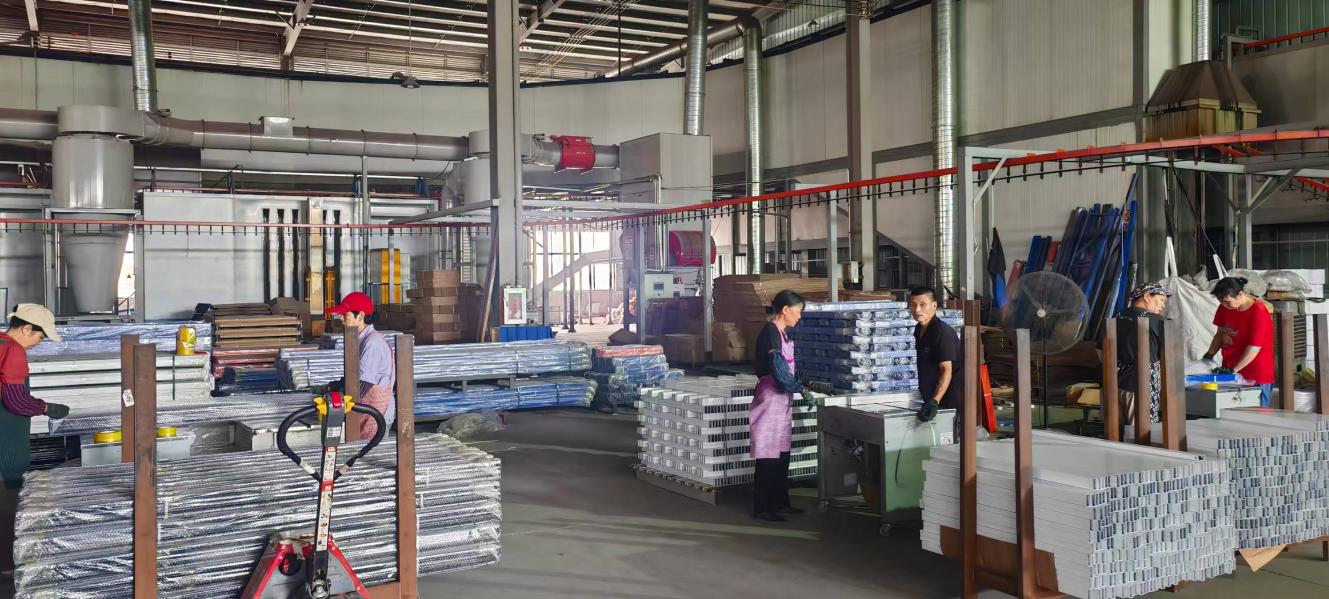
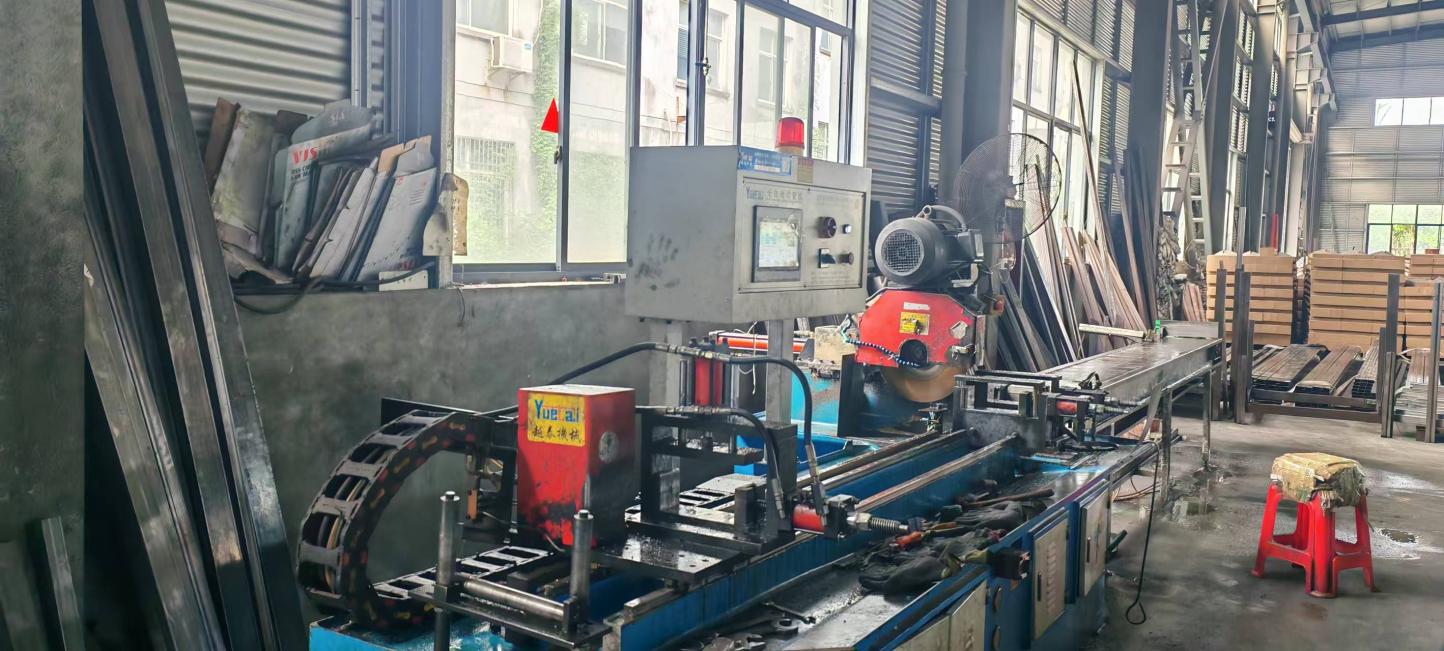
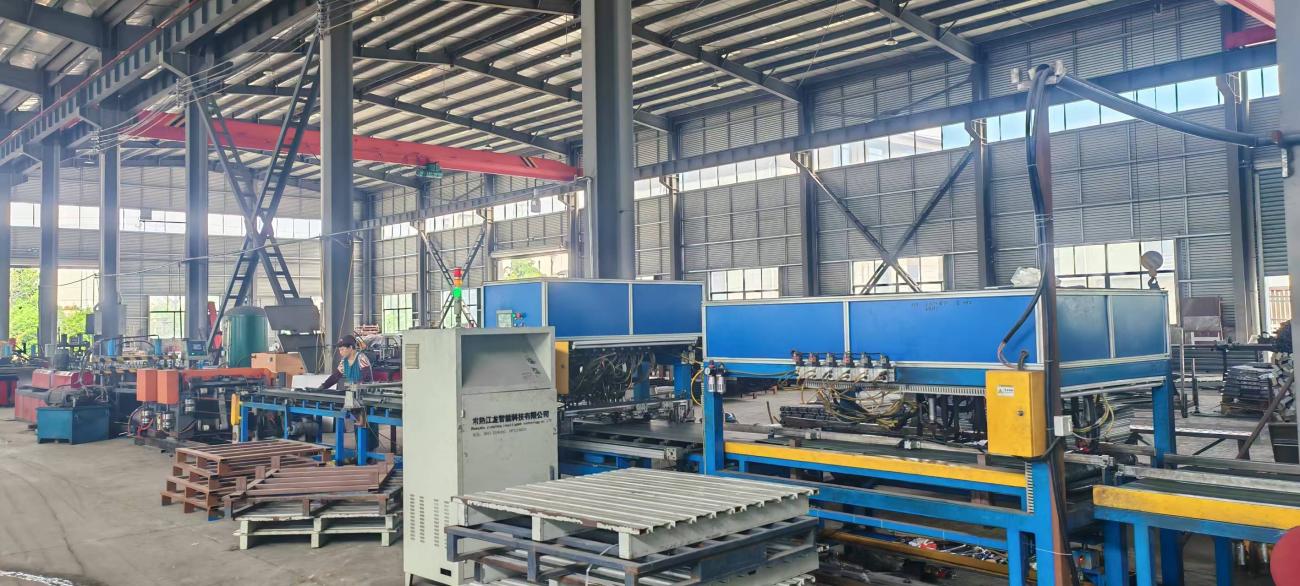
A look into our production facilities showing our metal processing, automatic forming, welding, and surface treatment capabilities.
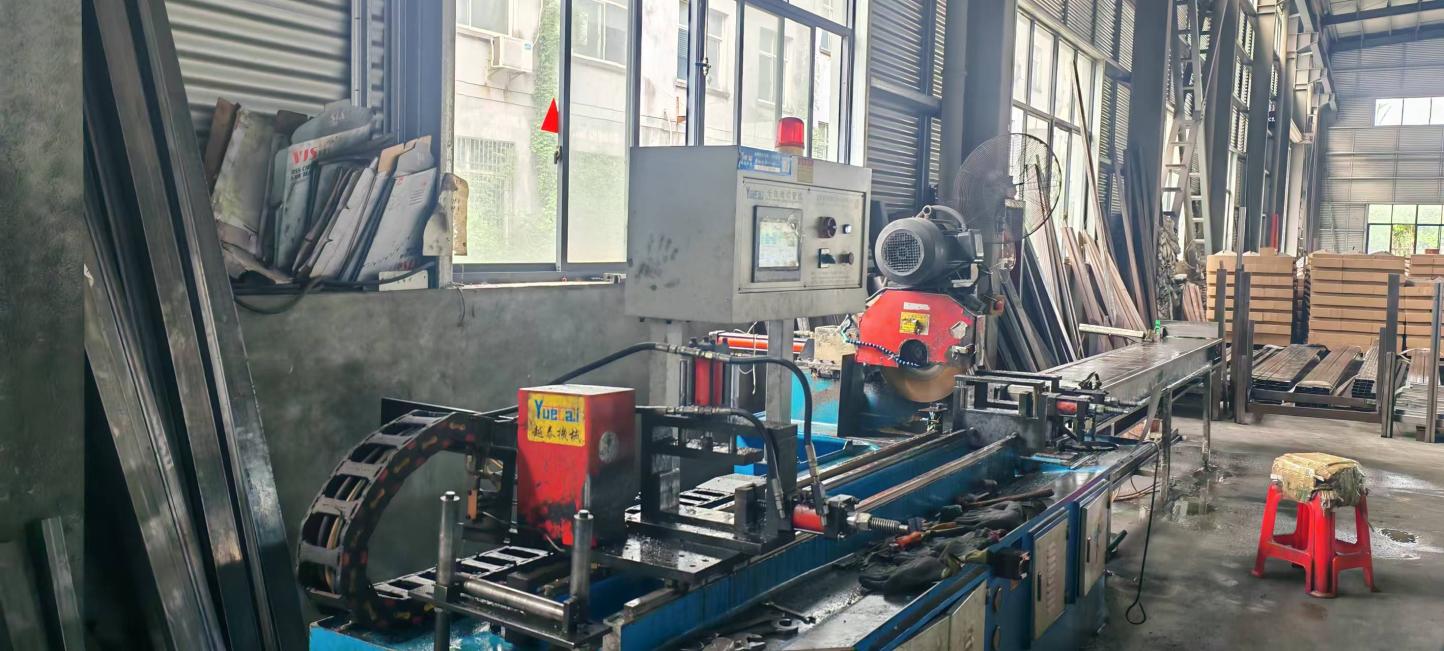
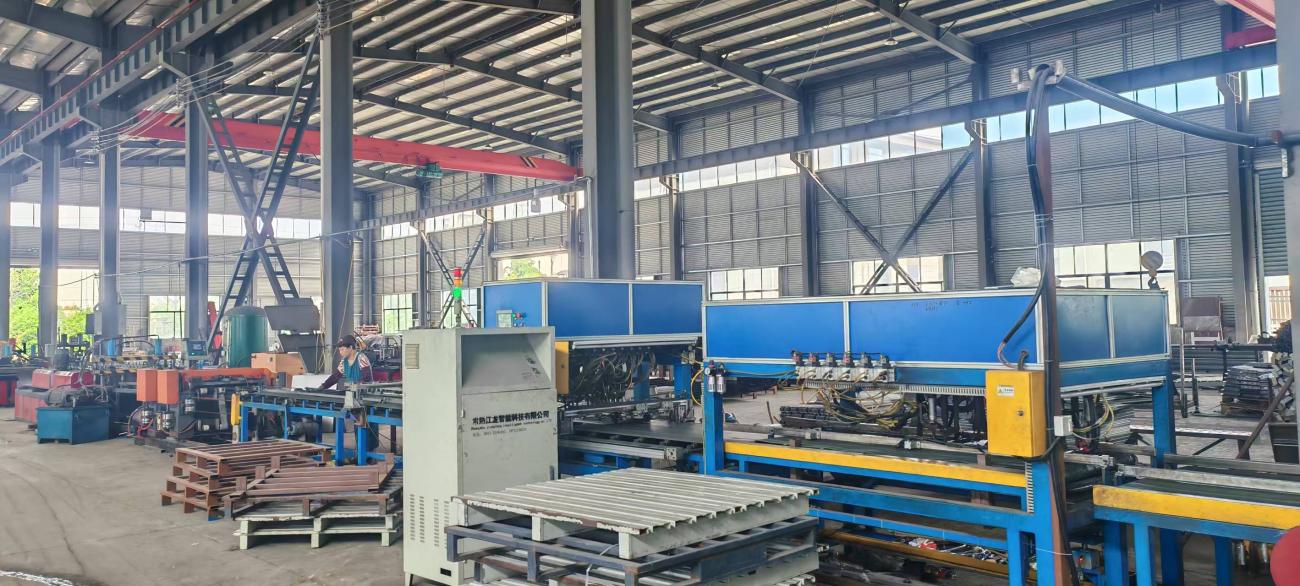
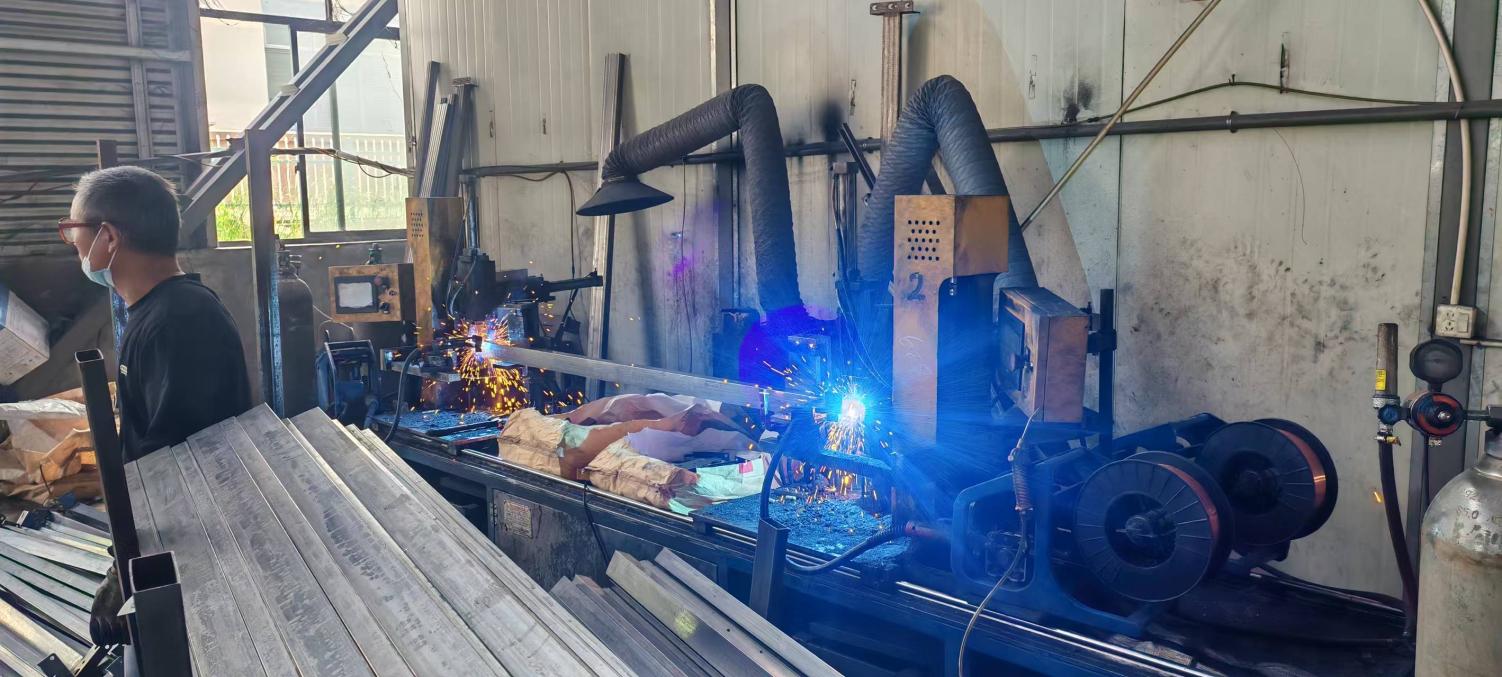
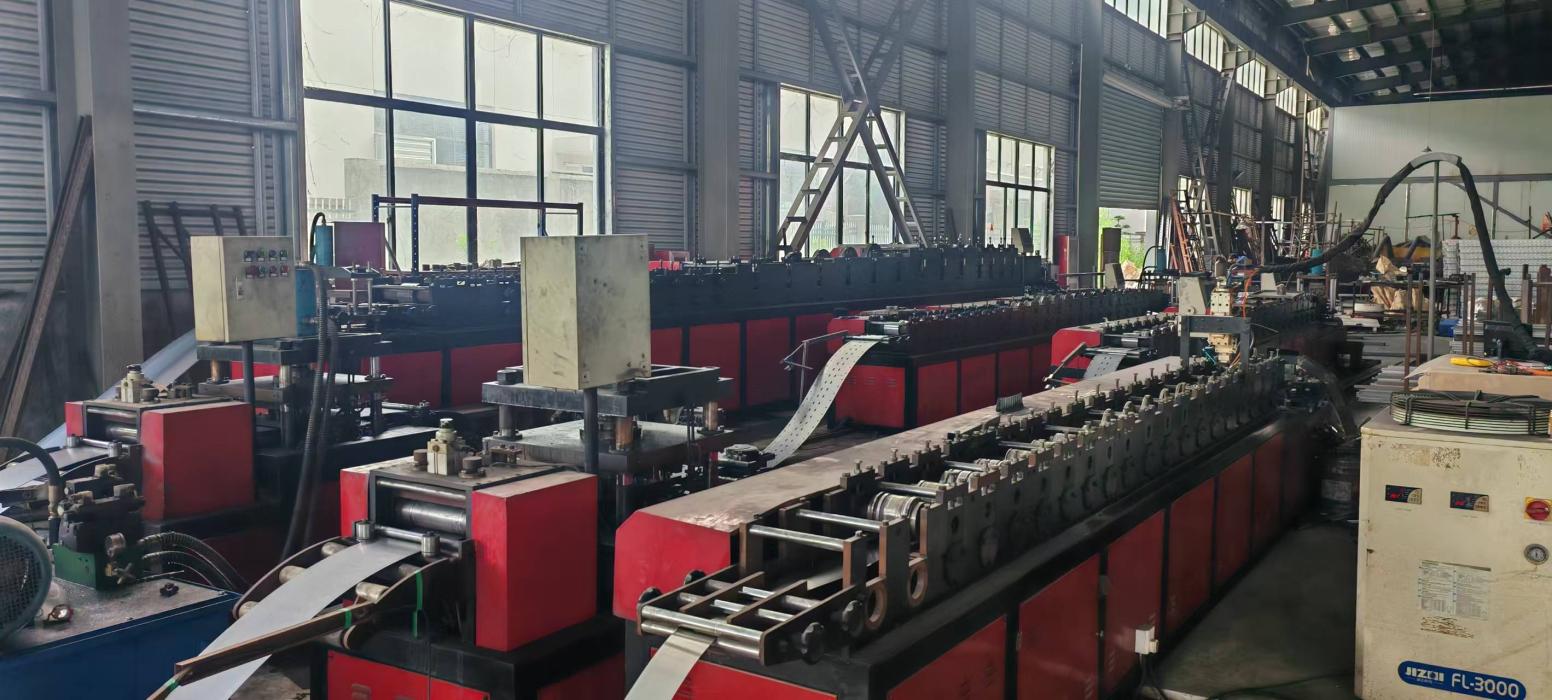
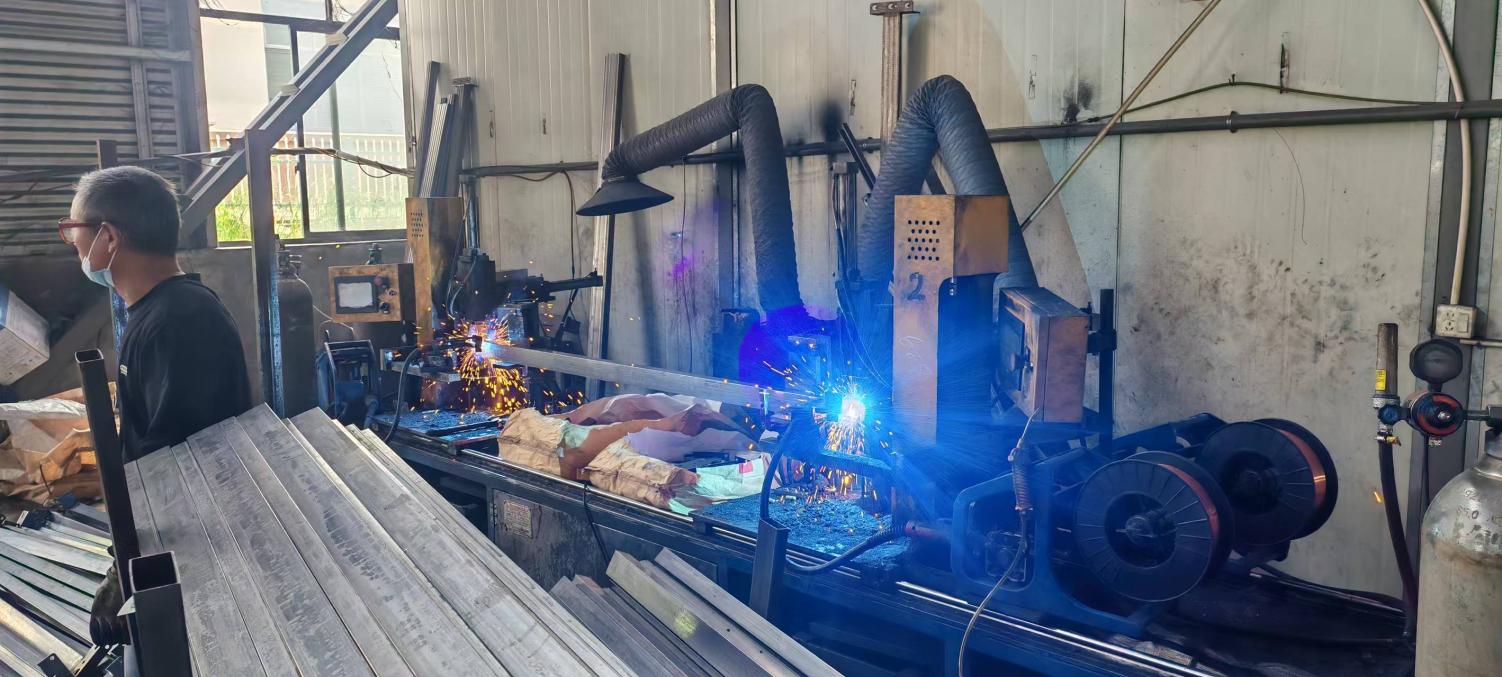
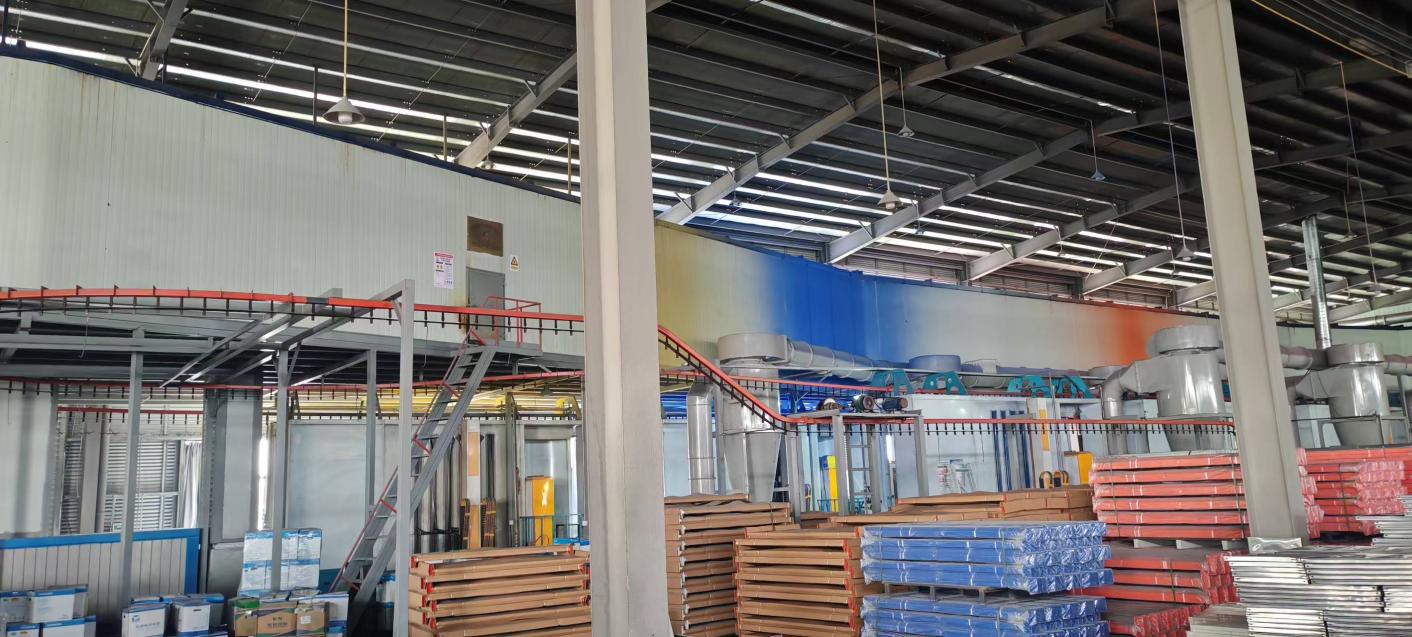
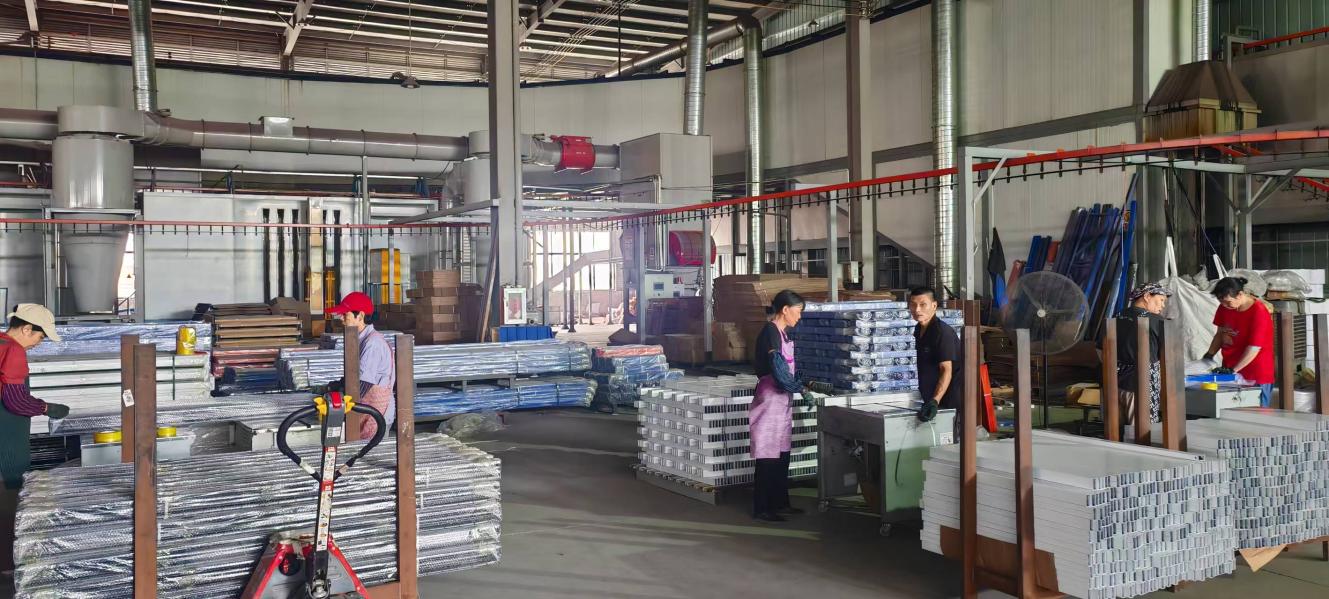
Different business sectors face unique storage challenges. Rather than offering a single generic system, Guci designs application-specific solutions tailored to your operational needs.
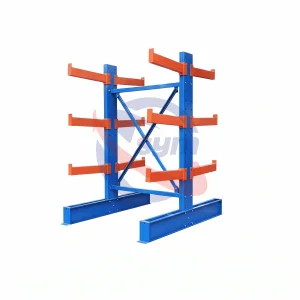
Logistics centers require high capacity, durability, and layout flexibility. Guci designs structural solutions with adjustable beam pitches to accommodate changes in packaging types. By using heavy-duty cantilever racks and wide-span pallet shelving, we help operators maximize vertical cube space.
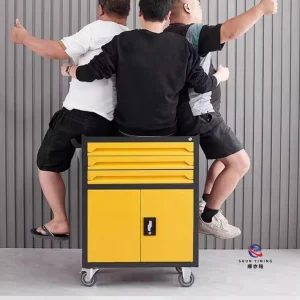
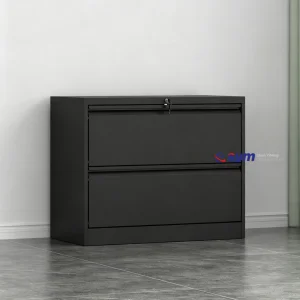
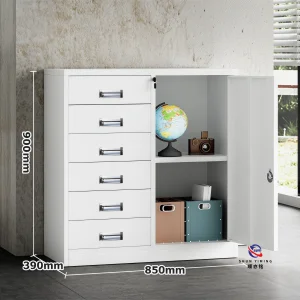
Storage structures in heavy industrial environments must handle heavy, uneven loads. Our specialized heavy-duty cabinets and rack systems are engineered with reinforced steel ribs and dual-locking connections, providing stability under load.
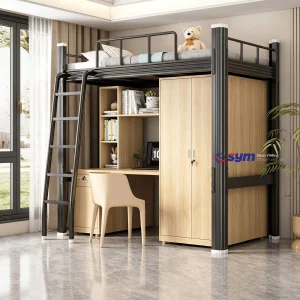
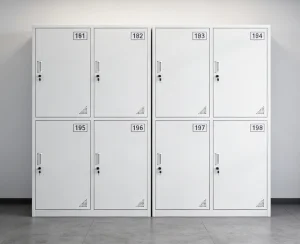
High-throughput distribution relies on fast, error-free order picking. Our multi-level mezzanine floors and integrated metal storage lockers optimize pick-path efficiency while keeping your inventory organized.
Product reliability is central to safety. Guci employs a 25-person QA/QC team that inspects every production run from raw steel plate arrival to final packaging.
With an engineering group comprising 18 R&D structural engineers, we translate client requirements into physical installations. In the past fiscal year alone, Guci designed and introduced 45 new products, supporting custom dimensions, layout requirements, dynamic capacities, and specialty powder-coat colors.
Our standard OEM/ODM workflow is structured to ensure design accuracy and efficiency:
Answers to common structural engineering, procurement, and shipping questions for industrial shelving systems.
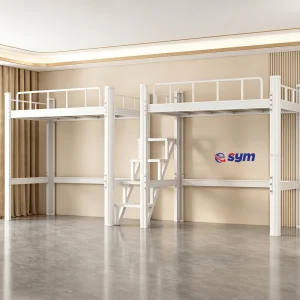
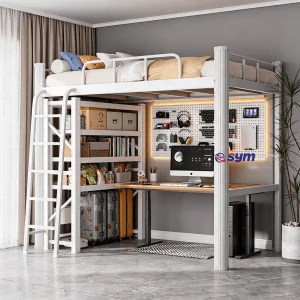
High-capacity structural steel options for bulk warehousing, safe industrial storage, and high-density room layouts.
 GuciRack