Engineered for extreme stress limits, precision tolerances, and streamlined high-capacity storage operations.
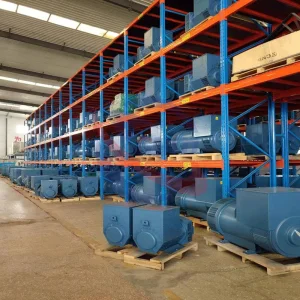
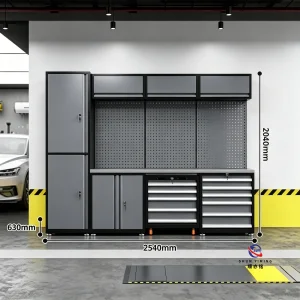
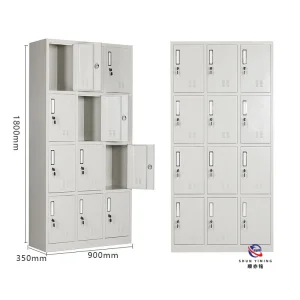
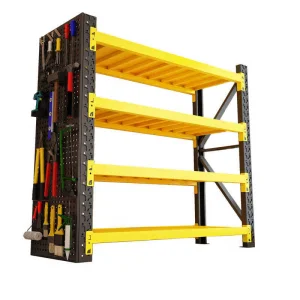
An authoritative deep dive into space savings, throughput speed, and automation integration for high-density warehouse storage systems.
Maximize unused overhead height and reduce footprint storage area by up to 85% compared to traditional static steel shelving, freeing floor space for production lines.
Utilizing automated internal logistics lift mechanisms, parts are brought directly to operators, eliminating long walks, minimizing search time, and increasing pick accuracy.
Enclosed structures coupled with integrated user login options (PIN, card readers, or biometric scanning) keep valuable industrial parts safe from contamination, dust, and unauthorized access.
In modern industrial facilities, floor space translates directly to operational cost. Traditional warehouse structures rely on static racking, which demands wide service aisles for forklifts and leaves massive overhead voids unused. A Vertical Lift Storage system, commonly known as a Vertical Lift Module (VLM), solves this inefficiency by utilizing a dual-shaft design with a central inserter/extractor mechanism that delivers stored inventory directly to an ergonomically designed access port.
By shifting storage from a horizontal layout to a dynamic vertical structure, companies can recover up to 85% of their floor area. This efficiency is critical for facilities handling heavy machine parts, micro-electronics, pharmaceutical products, and expensive tools where rapid retrieval and precise inventory tracking are vital.
"Guci Storage Equipment (Suzhou) Co., Ltd. builds vertical storage solutions designed to withstand extreme load conditions, combining precision structural engineering with advanced metal forming tech. Our solutions allow smart integration with existing WMS/ERP databases, paving the way for seamless warehouse digitalization."
How our Suzhou facility delivers premium storage systems combining advanced automation, robust safety margins, and cost efficiency.
Sourcing vertical lift systems and warehouse automation components from China is no longer just about cost control; it is a strategic decision to leverage integrated supply chains and precision mechanical engineering. At Guci Storage, based in the Suzhou industrial corridor, we combine decades of local manufacturing expertise with high-grade carbon steel formulations (such as Q235B and Q355B), ensuring our rack structures support high load capacities without structural compromise.
| Performance Characteristic | Guci Storage Standards | Traditional Static Racking | Industrial Value Impact |
|---|---|---|---|
| Vertical Footprint Savings | Up to 85% Reduction | 0% (Requires Wide Aisles) | Unlocks floor space for manufacturing |
| Steel Grade & Durability | Cold-Rolled Q235B / Q355B Steel | Standard Hot-Rolled Sheets | High yield strength, prevents structural sag |
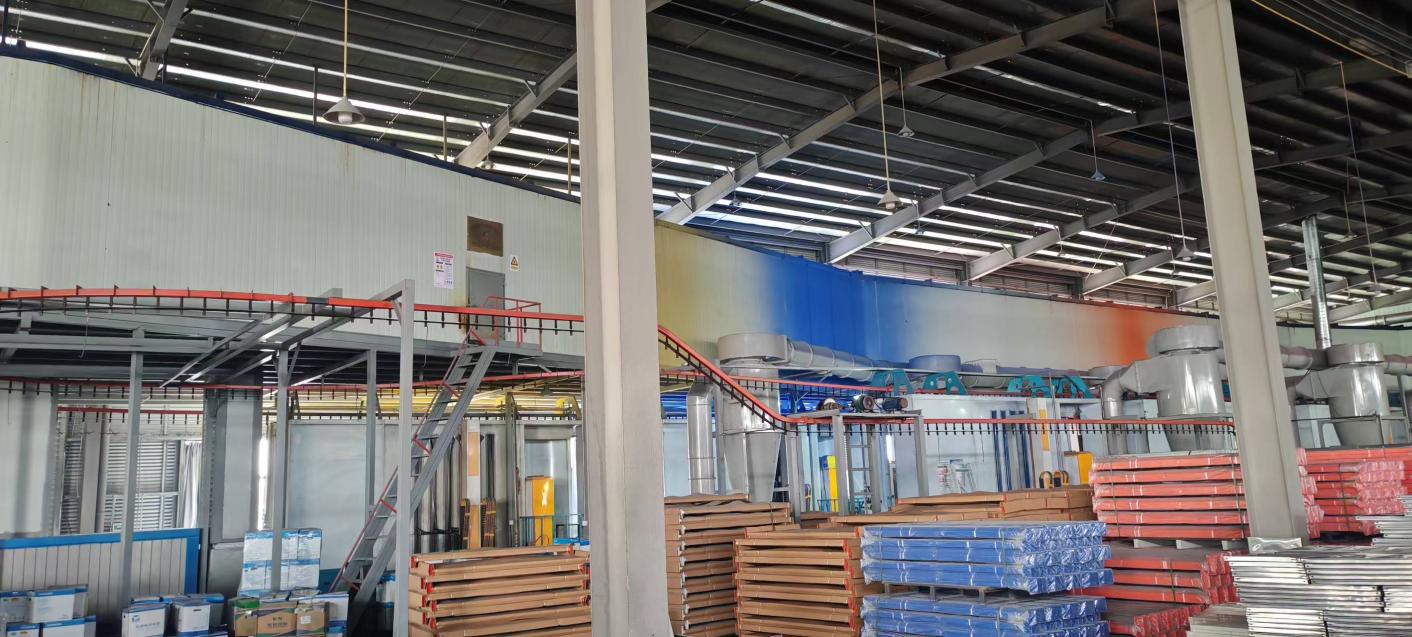
| Corrosion Protection | Automated electrostatic powder coat | Basic wet painting / simple coating | Long-lasting durability in damp environments |
| OEM/ODM Integration | Custom structural dimensions / layouts | Fixed sizes, limited modification | Tailors fits perfectly to specific warehouse dimensions |
| Safety Verification | Ultrasonic testing & stress simulations | Visual-only inspection methods | Ensures full compliance with international safety codes |
Our facility is supported by an extensive network of over 800 supply chain partners. This strong logistical and material ecosystem enables us to source raw elements and components quickly, execute rapid prototyping, and keep lead times short for large-scale enterprise projects. Working with our team of 18 R&D engineers, clients can customize load capacities, frame dimensions, tray structures, and powder coat options to match unique environmental challenges—such as high-humidity cleanrooms or heavy-duty industrial assembly zones.
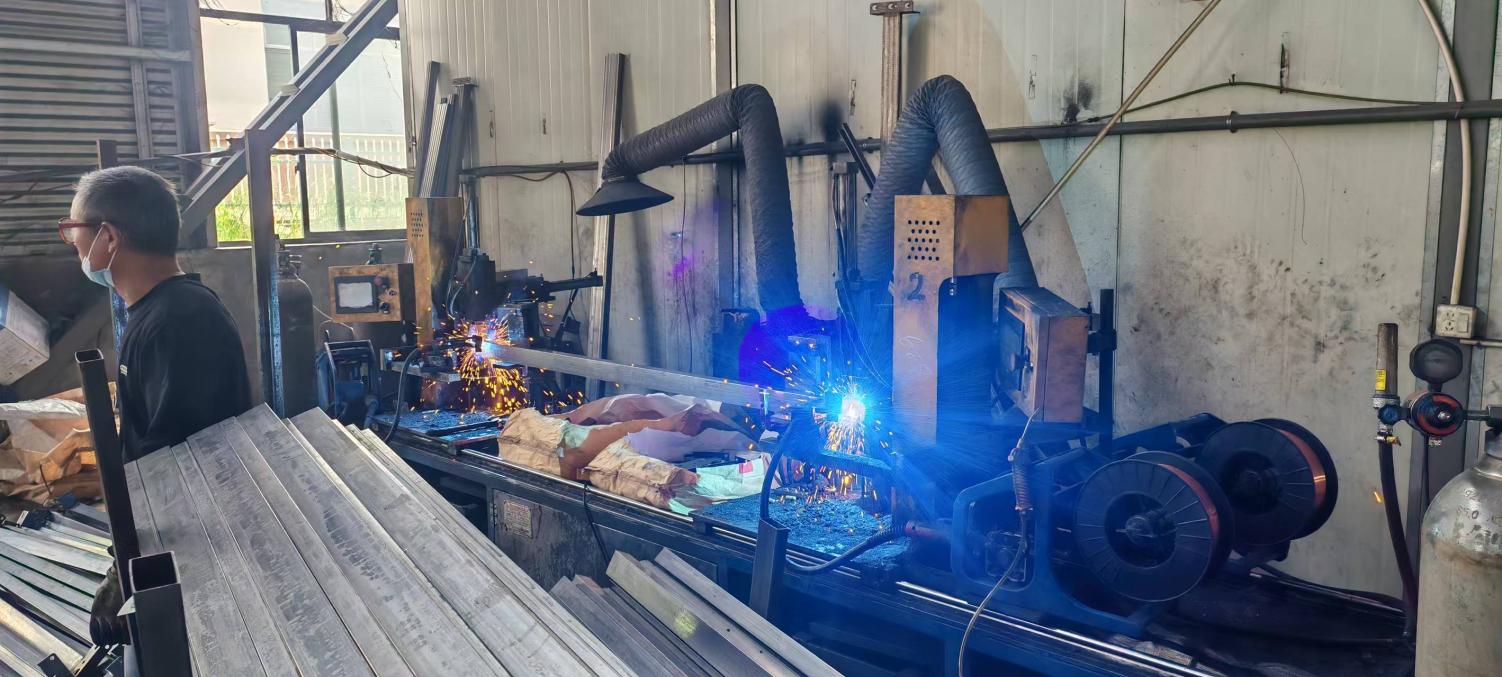
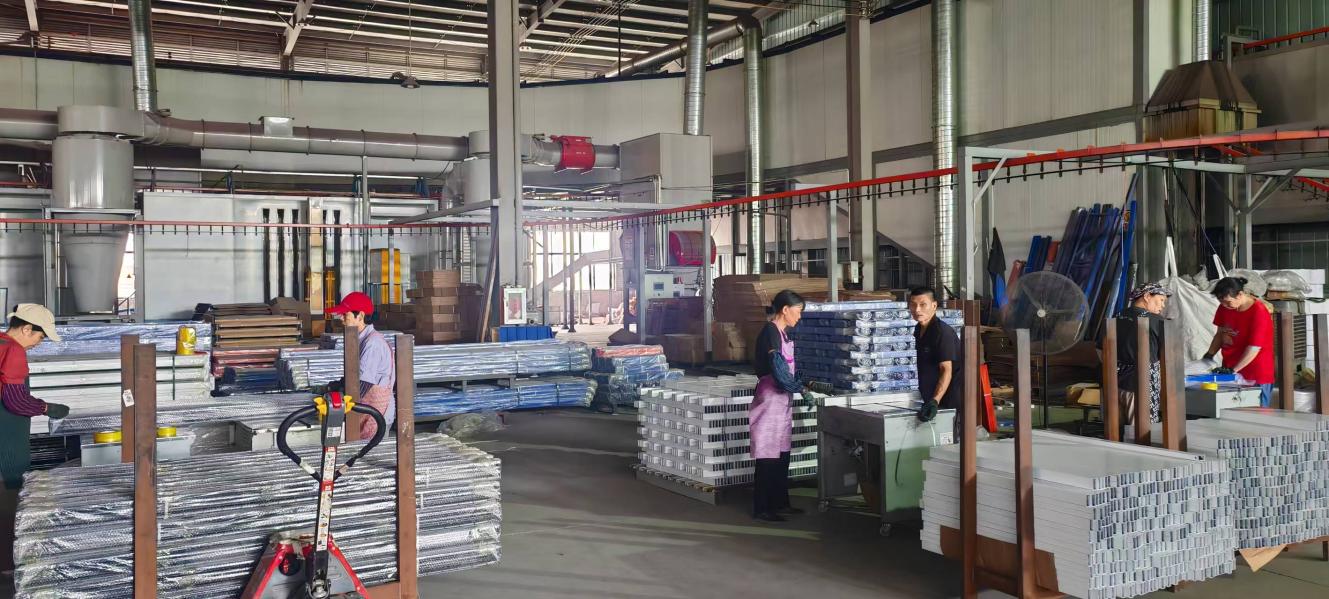
Inside our 35,000 m² manufacturing plant, where every storage component undergoes high-precision fabrication and quality testing.
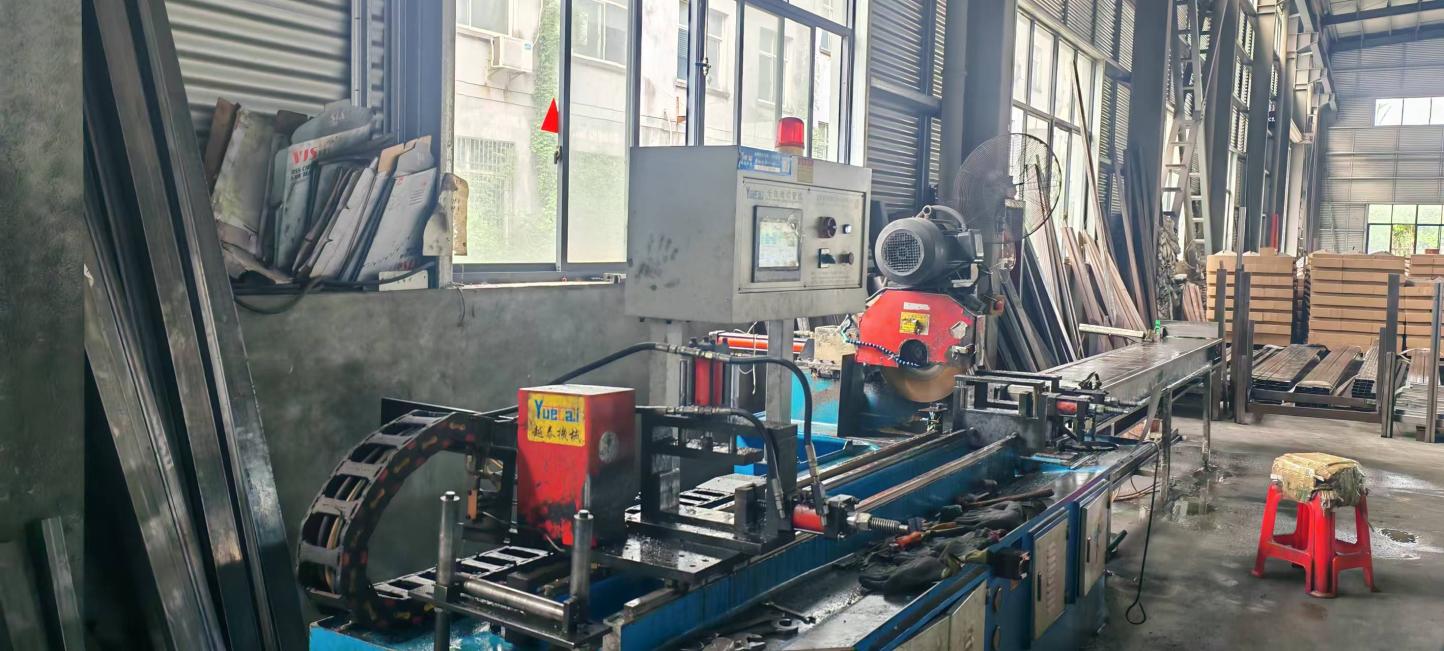
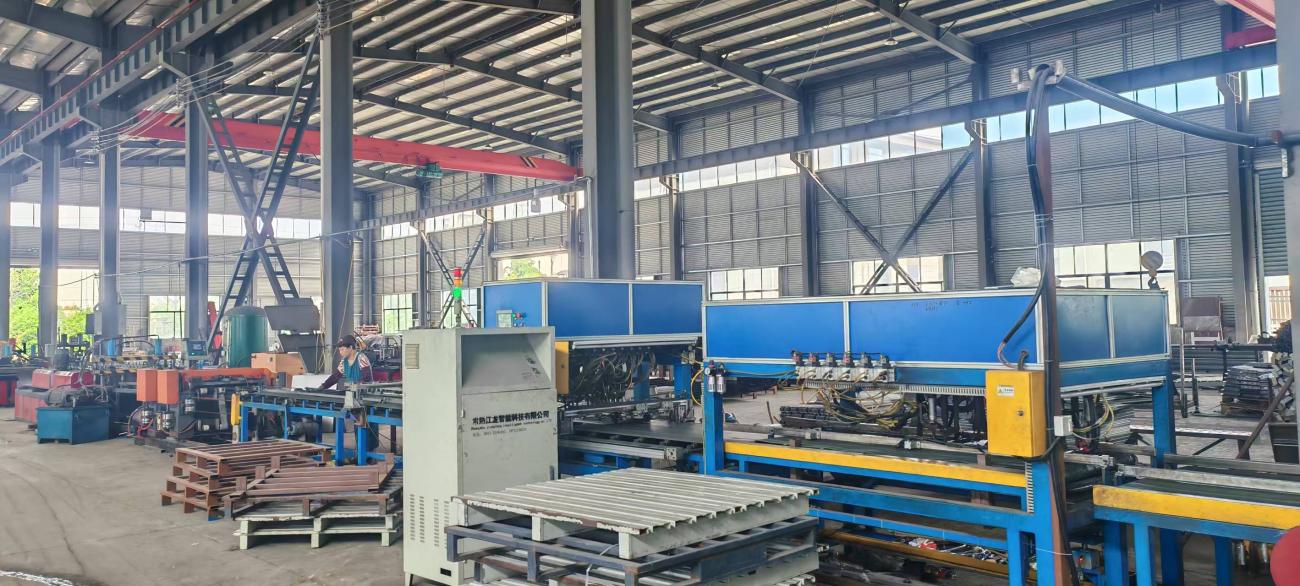
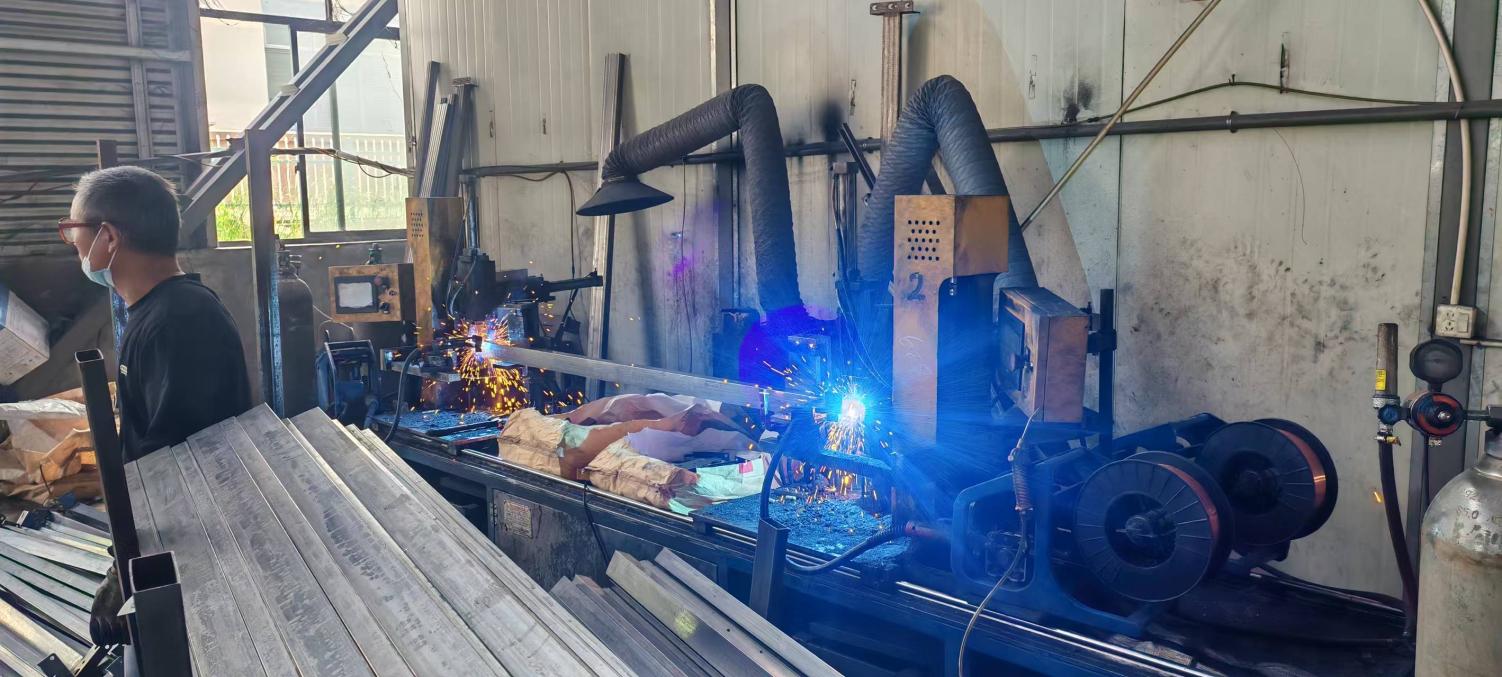
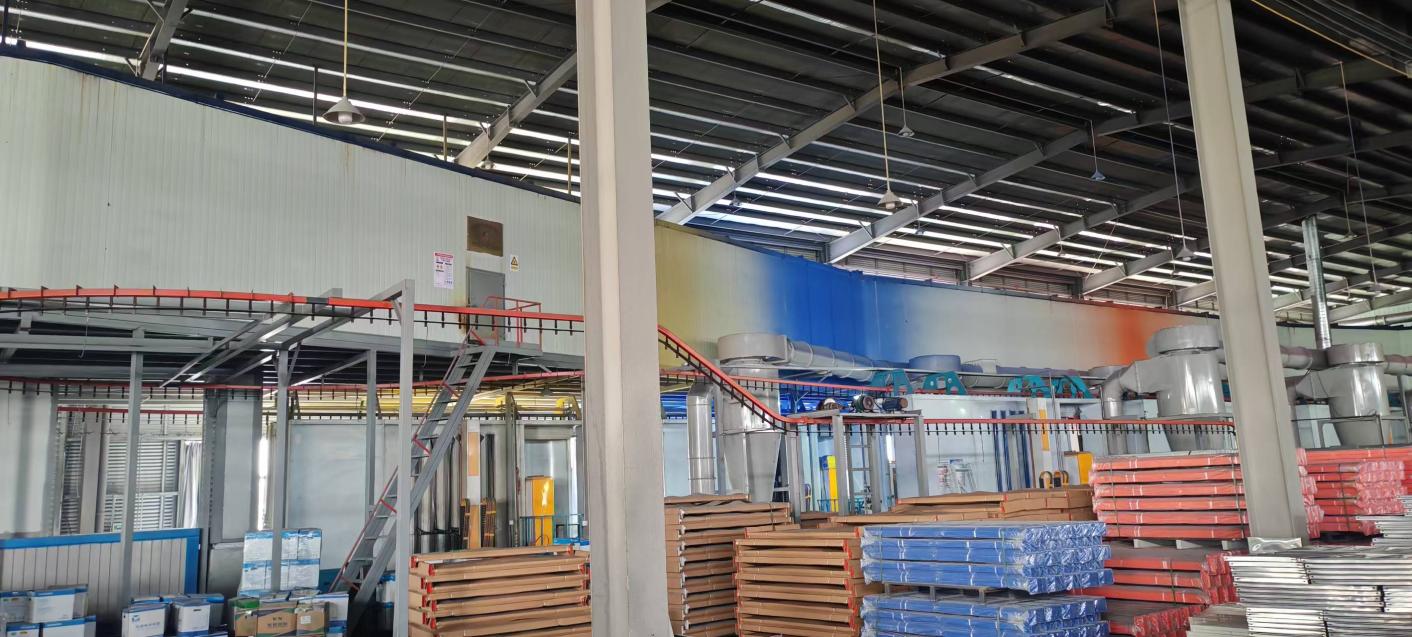
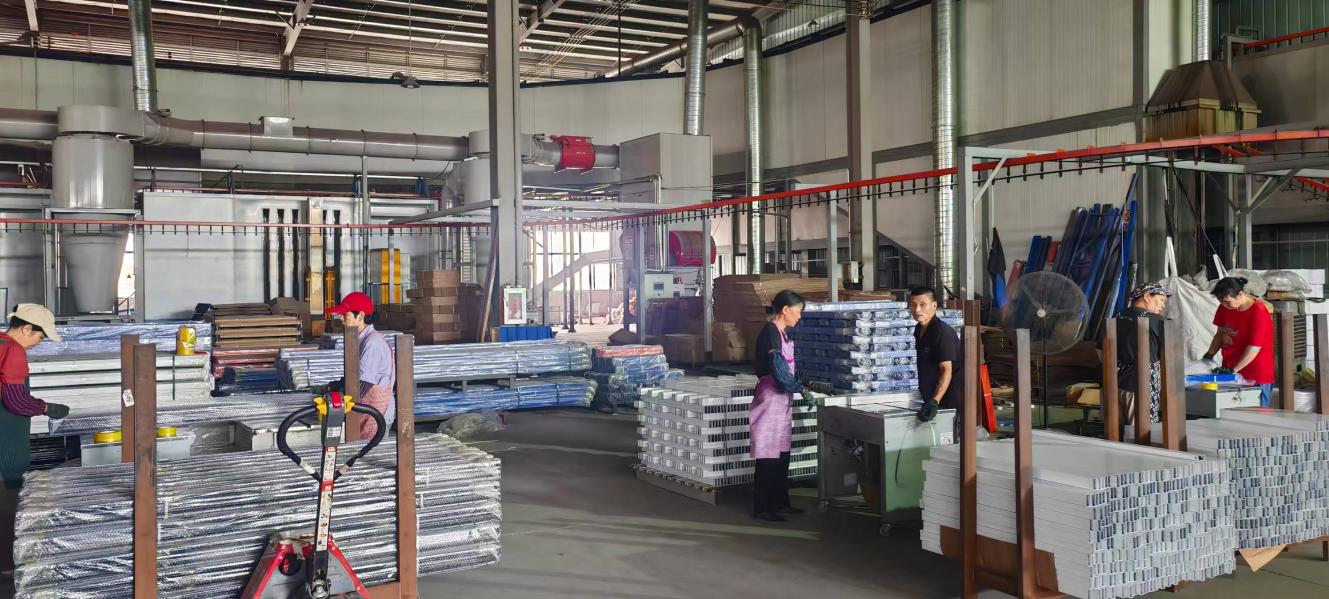
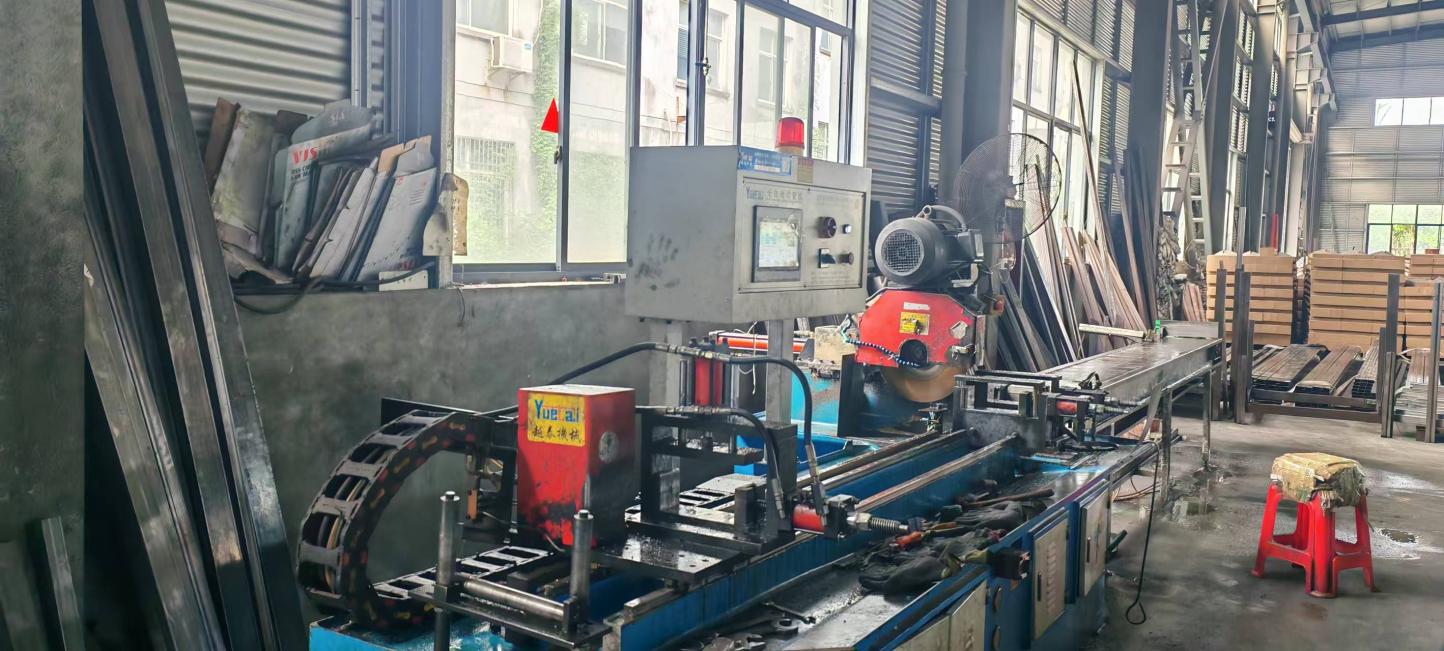
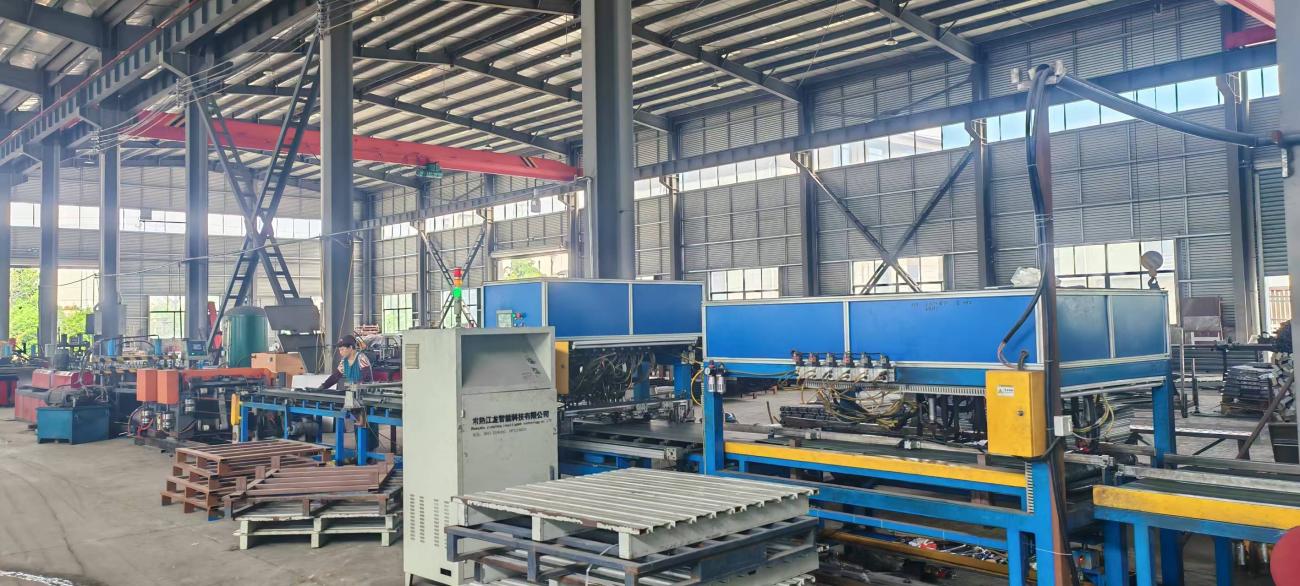
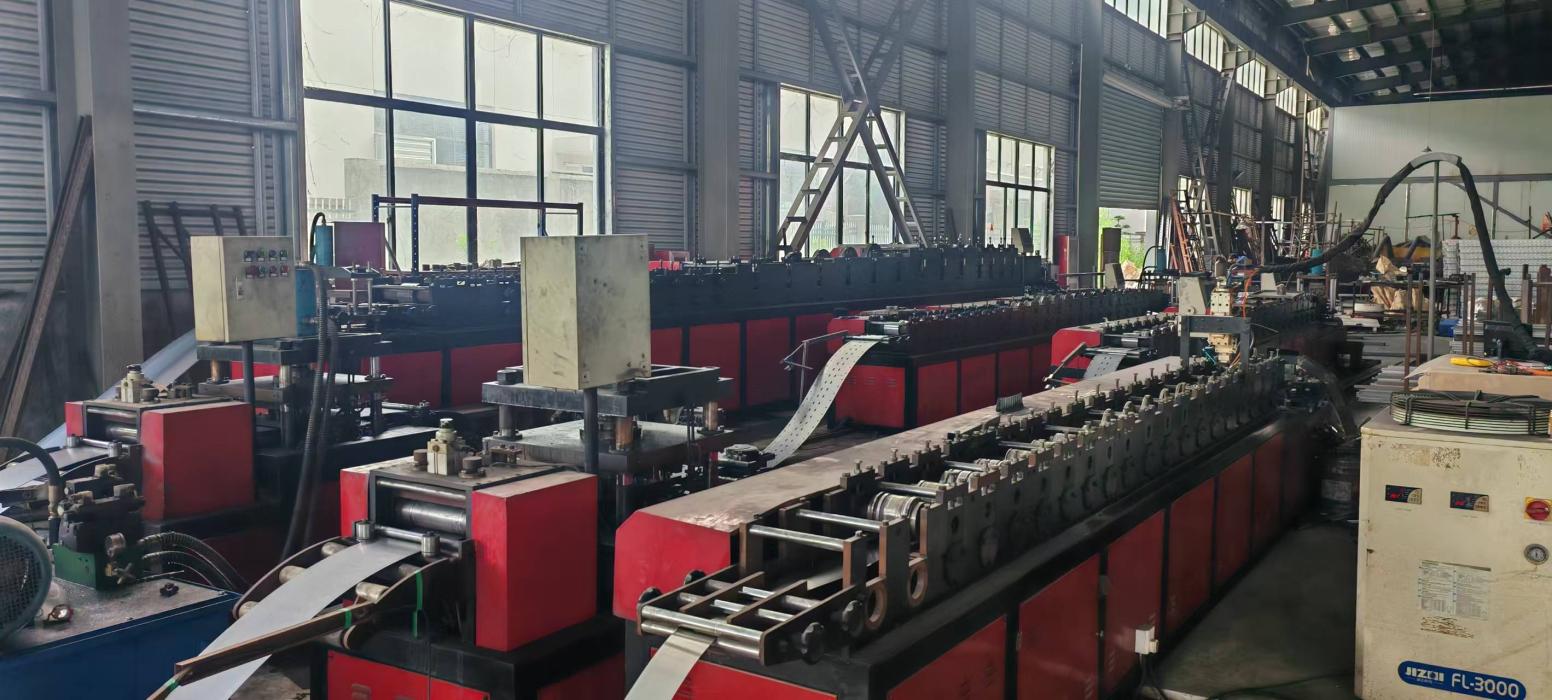
Tailoring vertical storage frameworks to match the demands of diverse sectors worldwide.
Optimized storage setups for rapid-turnover items. Simplifies dynamic slotting processes, shortens shipping cycles, and interfaces with main ERP networks to maximize hourly processing rates.
Designed for heavy component storage, including engines, tooling dies, and machinery assemblies. Trays are engineered to prevent deflection, even under maximum static loads.
Features ESD-safe paint options and sealed vertical modules to protect delicate microchips, medical instruments, and aerospace electronics from static discharge and airborne dust.
To ensure long-term stability and structural safety, our QC department (consisting of 25 QA/QC professionals) implements rigorous testing protocols. This process includes ultrasonic flaw detection to identify weld irregularities, load-capacity stress tests under 1.5x nominal load limits, and surface coating thickness inspections using digital instruments to ensure high corrosion resistance.
Whether you require standard pallet racking, heavy-duty shelving, or automated vertical storage modules, our products are engineered to comply with ISO9001 and CE standards, keeping your workplace safe and compliant.
Key design considerations, structural safety standards, and engineering metrics for procurement managers.
When purchasing automated storage equipment, buying on price alone can lead to issues with structural stability, safety violations, or software compatibility. Large-scale procurement teams should evaluate suppliers based on key engineering details:
Guci Storage offers comprehensive engineering support, from initial CAD site layout planning through final installation and validation. This thorough design process ensures each storage solution matches the precise requirements of your facility.
How IoT monitoring, predictive maintenance, and AI-driven sorting are shaping modern industrial storage.
The industrial storage industry is shifting from passive racking to active, automated systems. As warehouses integrate more technology, we are seeing three major trends shape the future of vertical storage:
Modern vertical lifts use built-in sensors to monitor motor currents, chain tension, and gear wear. By tracking these metrics in real-time, systems can flag maintenance needs before a component fails, avoiding unscheduled downtime on the factory floor.
Rather than assigning parts to fixed positions, smart control software measures the height of each incoming tray and places it in the most compact slot available. AI algorithms track picking frequency, automatically moving popular items closer to the access port to speed up retrieval cycles.
As green energy standards become more common, newer vertical systems use regenerative drive setups. These systems capture braking energy as the heavy lift carriage descends and feed it back into the facility's power grid, reducing overall energy use.
Answers to common technical, logistics, and customization questions from B2B buyers.
Built for reliability, space savings, and secure inventory management in demanding commercial spaces.
 GuciRack