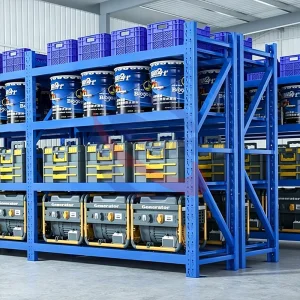
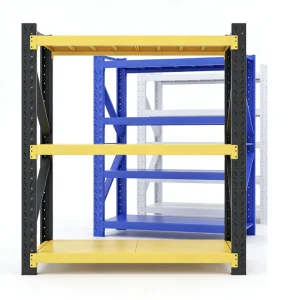
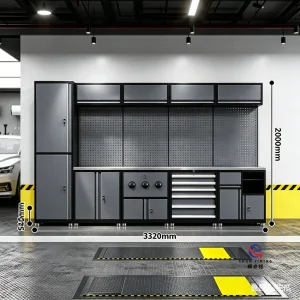
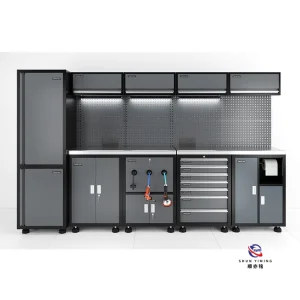
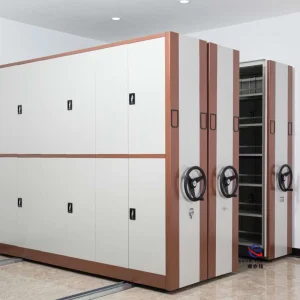
Engineered to handle extreme loads, maximize warehouse capacity, and withstand demanding industrial environments.
In the current landscape of global logistics, space is one of the most expensive assets. The logistics and supply chain sectors are seeing an unprecedented push toward space optimization, safety compliance, and system flexibility. Standard structural design paradigms are shifting from static, floor-bound storage to dynamic, highly engineered stacking systems.
"True scalability in modern supply chains is determined not just by square footage, but by cubic volumetric optimization. Stacking systems represent the intersection of structural safety, mechanical engineering, and physical storage configuration."
Historically, industrial warehouses treated stacking as a passive storage requirement. Today, it is an active variable in throughput optimization. Modern modular racking must interface with AGVs (Automated Guided Vehicles), high-clearance forklifts, and complex 3PL warehousing software. Selecting correct carbon steel grades (like Q235B or Q355), optimizing structural weld load profiles, and ensuring tight tolerances on upright verticality are non-negotiable parameters for risk mitigation and peak system operation.
For international enterprise buyers—including industrial procurement leads, multi-site distributors, and 3PL project managers—the primary goal is a balance between raw load capacities and localized regulatory certifications. Importing stacking systems requires strict alignment with structural standards such as RMI (Rack Manufacturers Institute) in North America, and FEM compliance in Europe. Procurement is no longer just a transaction; it is a collaborative engineering vetting process.
How the combination of materials science and software automation is redefining industrial storage capabilities.
Modern configurations are designed with physical structural tolerances under ±2mm, ensuring precise sensor and crane alignment for automated shuttle networks.
Engineered base plate structures and upright beam connections are calculated using local seismic acceleration metrics to guarantee warehouse structural stability.
Electrostatic powder coatings and hot-dip galvanization processes protect integrity in humid environments, pharmaceutical distribution centers, and sub-zero cold chains.
Operating a 35,000 m² factory equipped with precision automated cold-forming lines, advanced robotic welding cells, and QA laboratories.
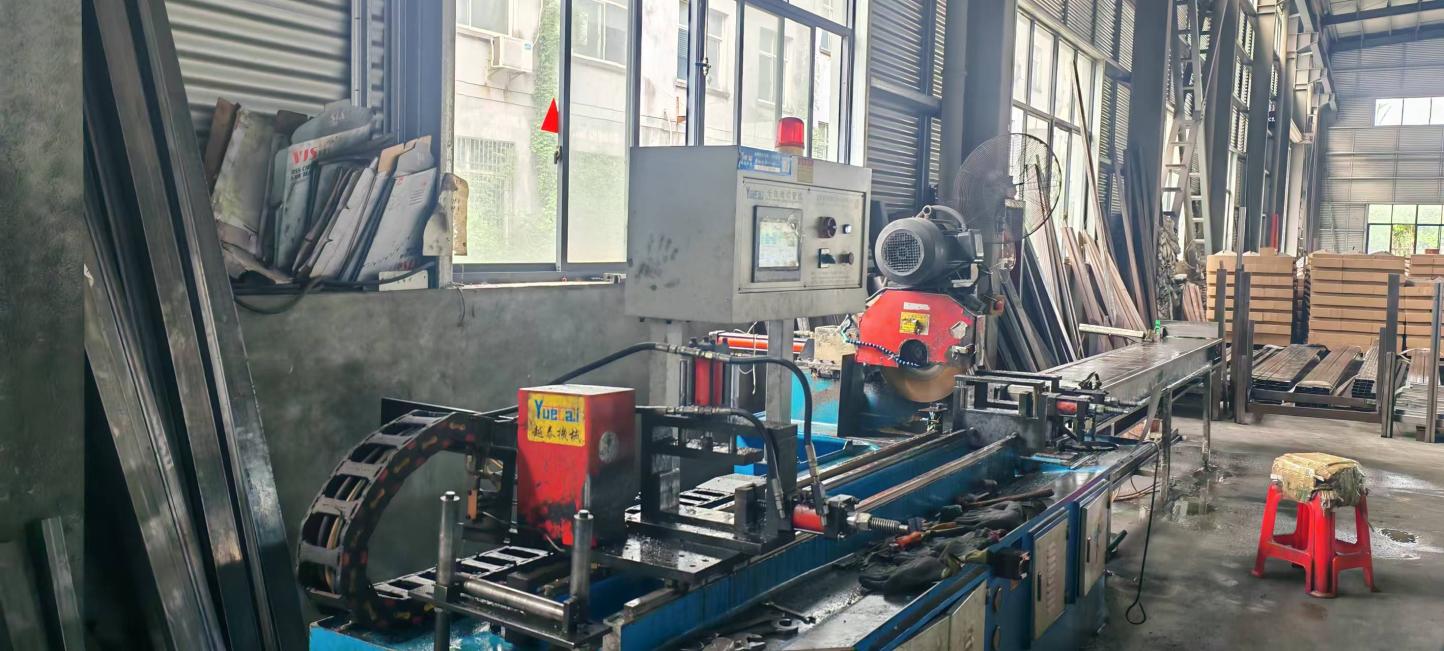
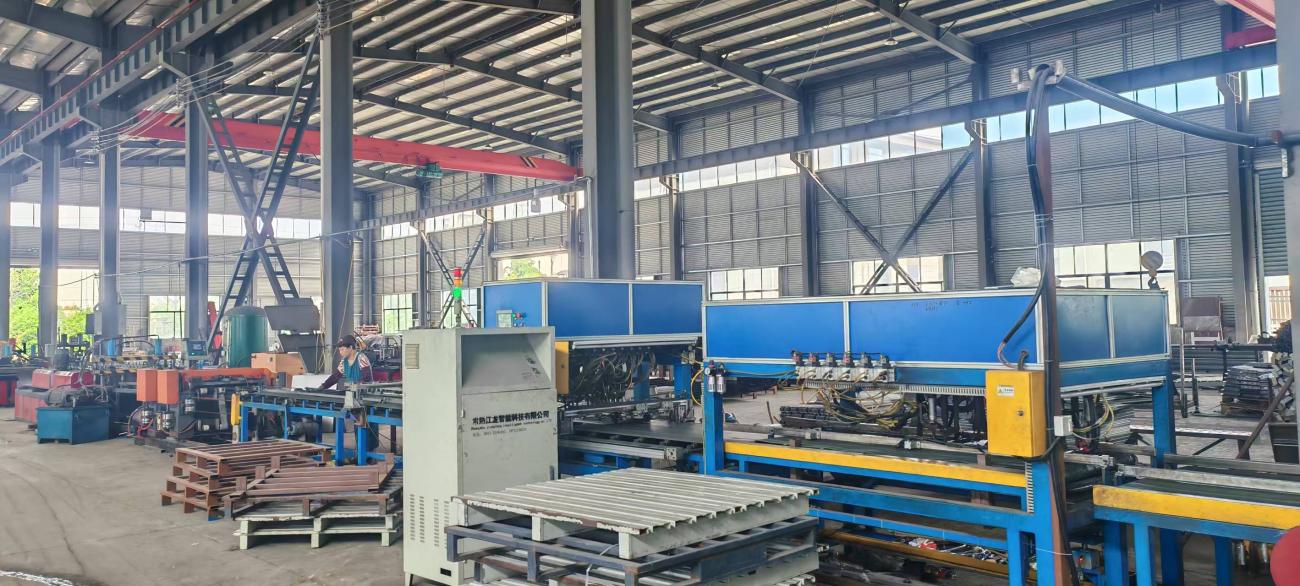
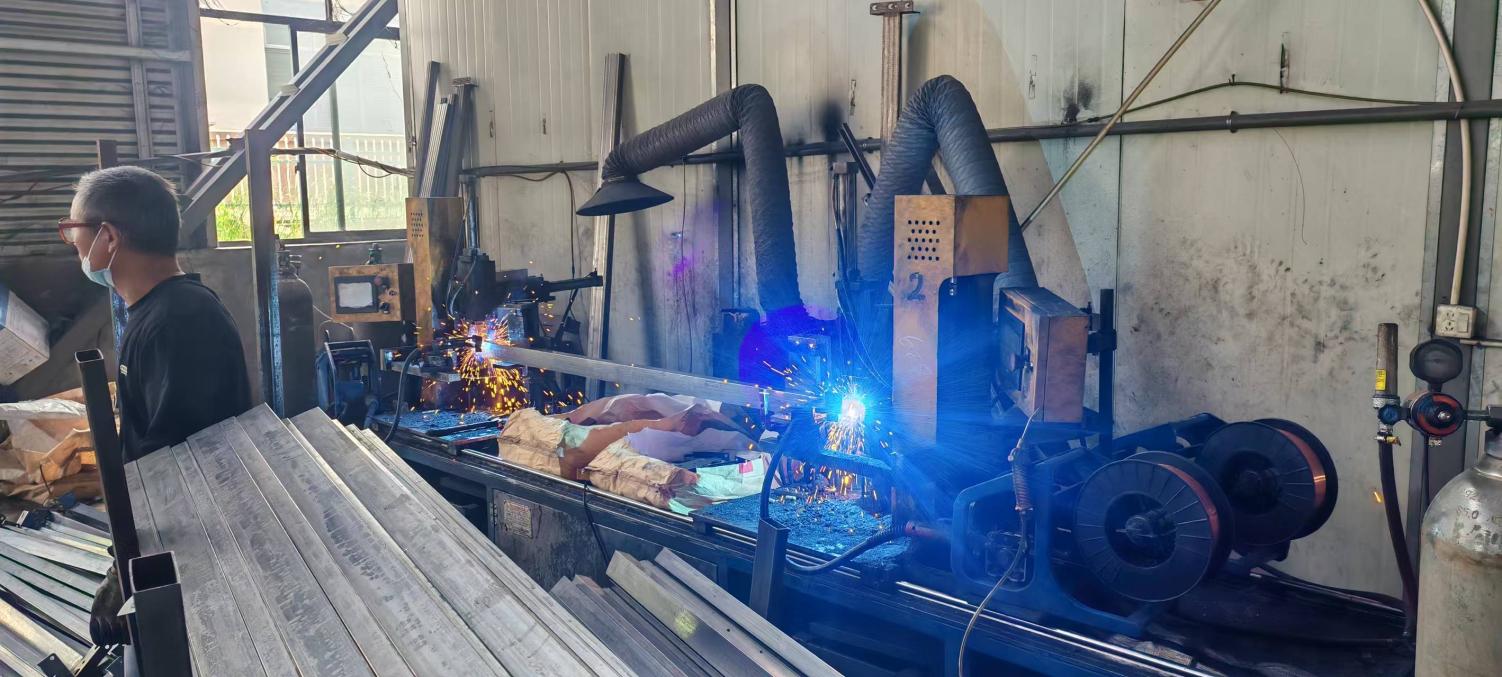
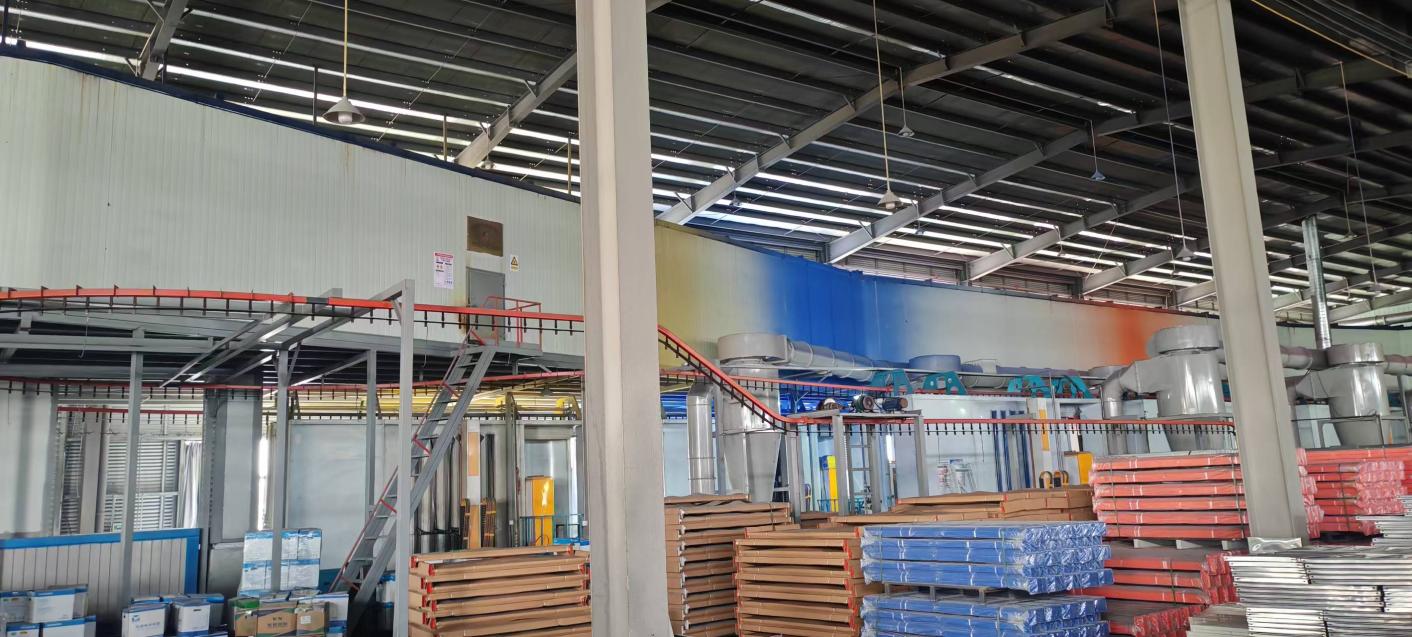
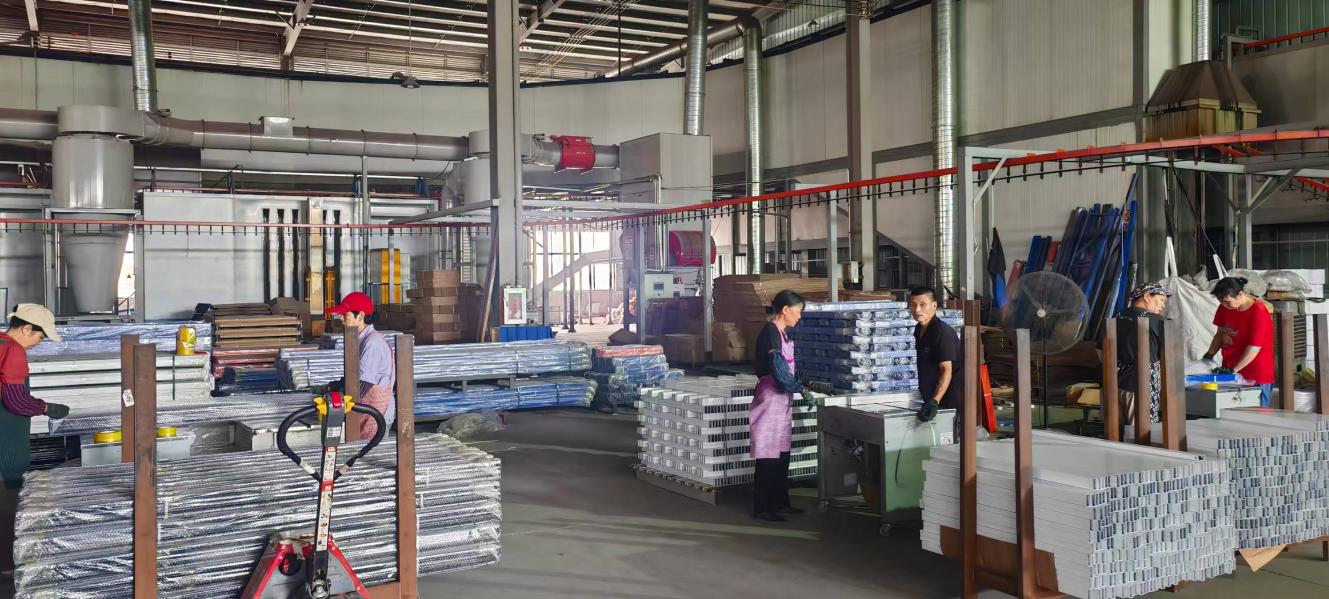
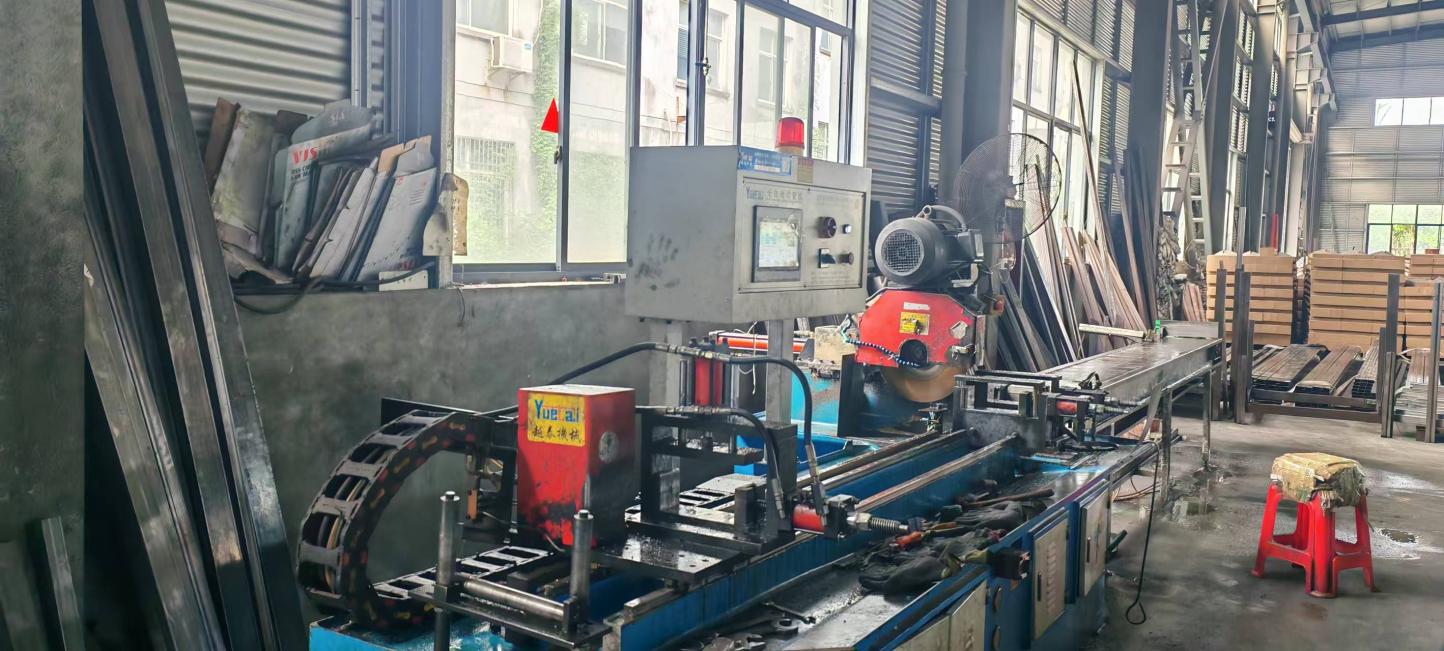
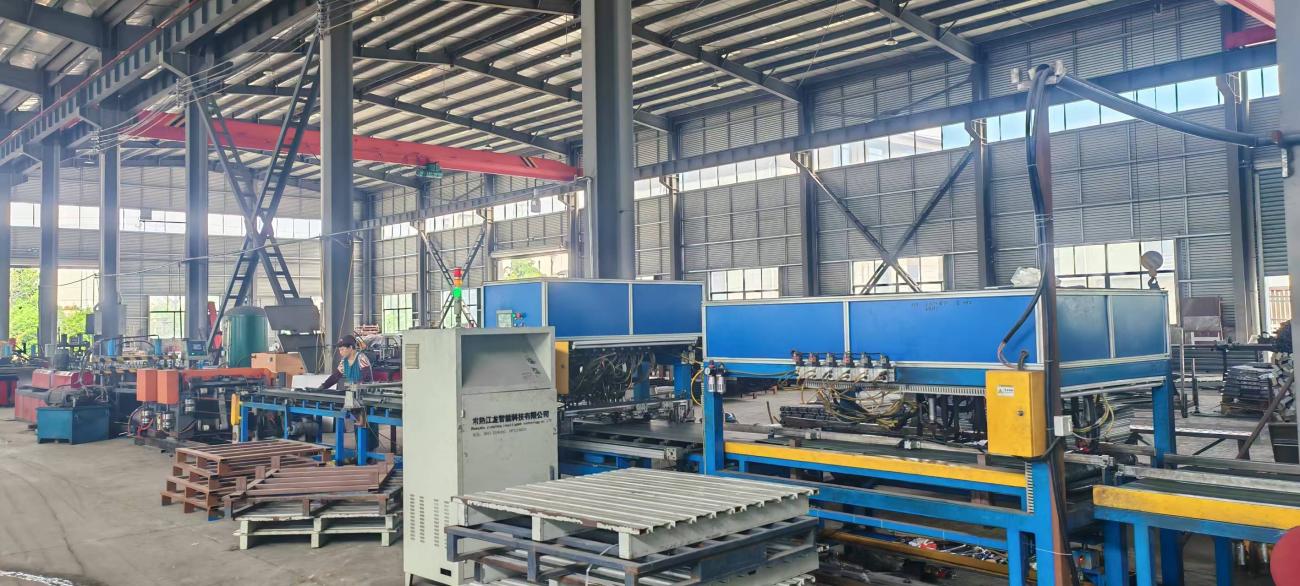
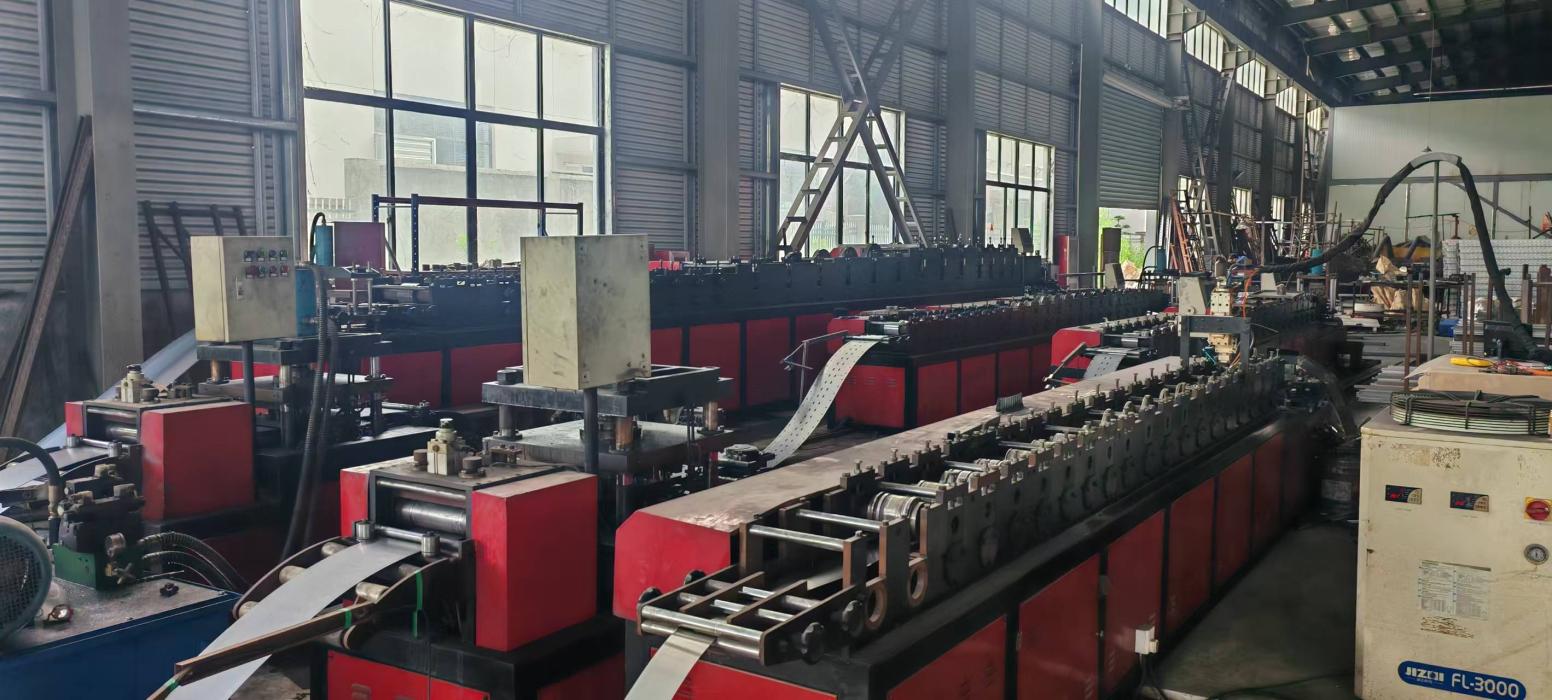
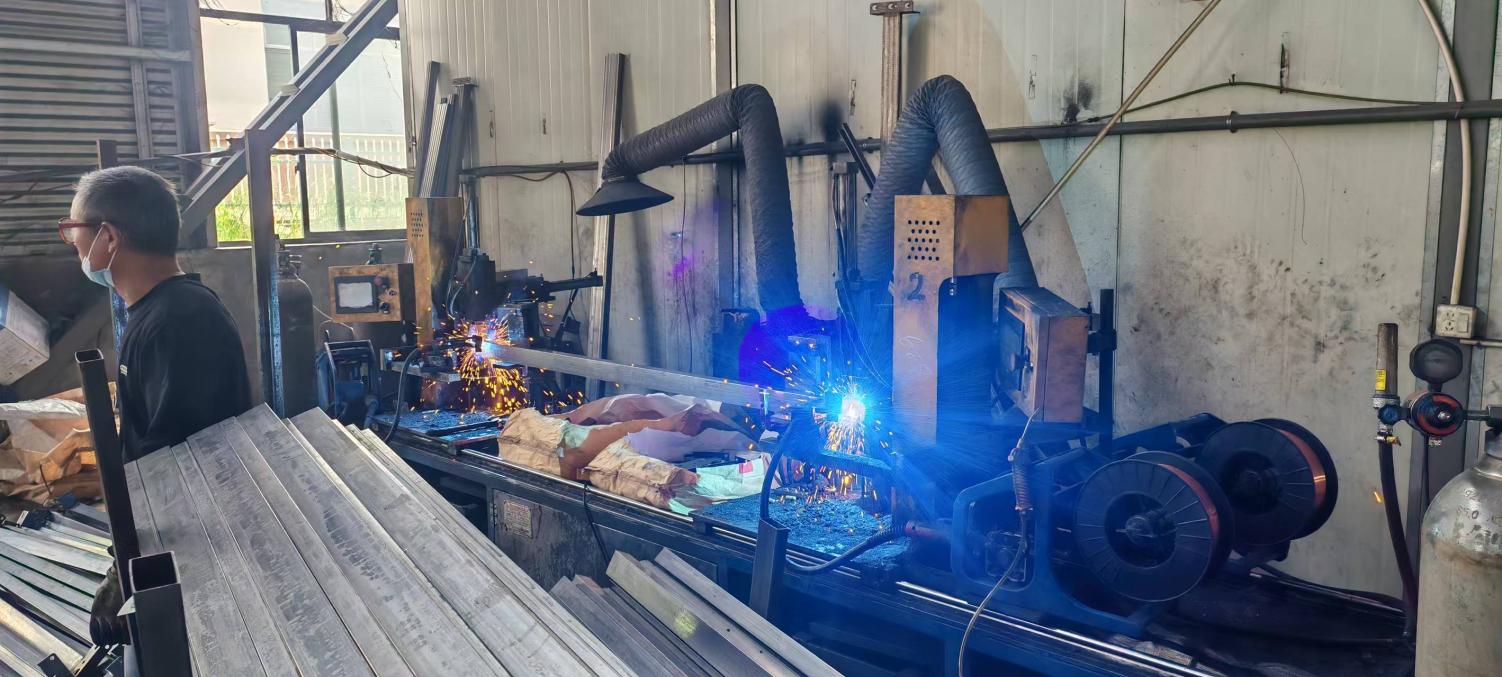
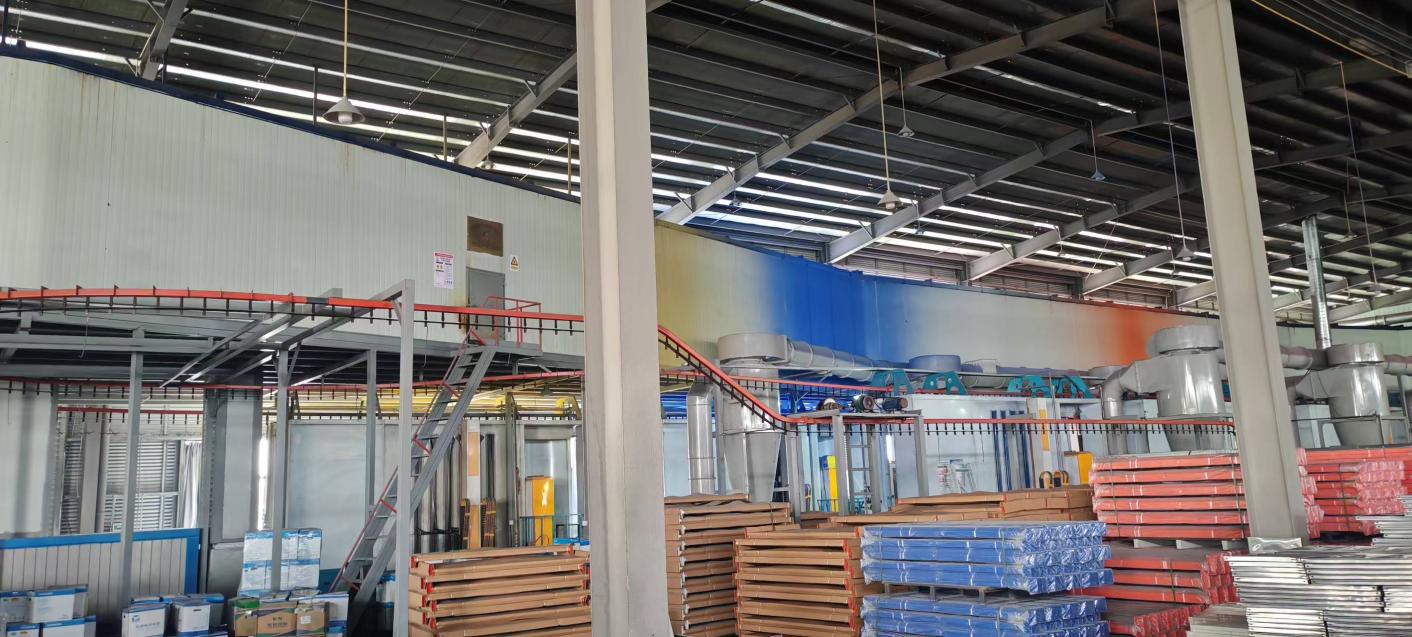
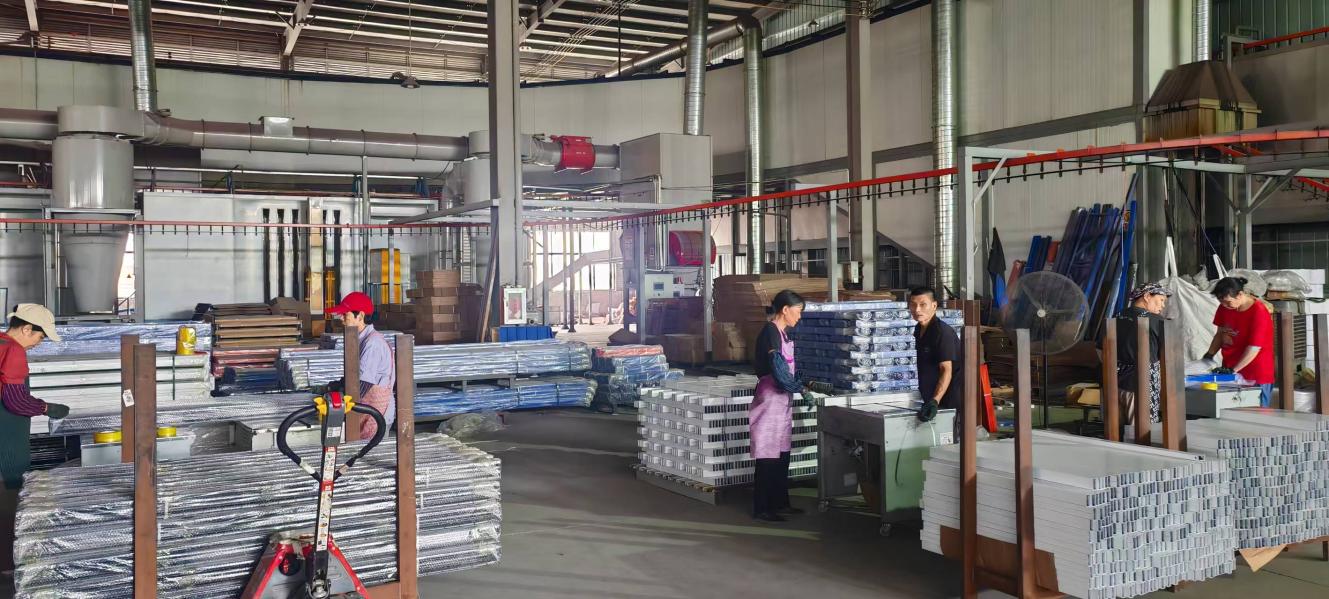
Since 2015, engineering heavy-duty storage racks and industrial workplace optimization structures.
Established in 2015, Guci Storage Equipment (Suzhou) Co., Ltd. is a leading B2B manufacturer specializing in heavy-duty warehouse racking and industrial storage solutions. Spanning a modern manufacturing facility of 35,000 m², the company brings over 11 years of deep industry expertise and 8 years of global trade experience, serving enterprise clients across North America, Europe, and Southeast Asia with an annual export revenue reaching $18 million.
To maintain superior product standards, Guci Storage enforces a rigorous quality management process—combining ultrasonic flaw detection, load-capacity stress testing, and surface coating thickness inspections. Our dedicated quality control team of 25 QA/QC professionals ensures every rack system complies with international safety standards such as ISO9001 and CE.
Backbone by a strong trade background and an extensive network of over 800 supply chain partners, we primarily serve enterprise clients, including third-party logistics (3PL) providers, global distributors, mega e-commerce fulfillment centers, and large-scale industrial plants.
Innovation drives our success. Supported by a skilled team of 18 R&D engineers, Guci Storage offers comprehensive OEM/ODM customization options, tailoring load capacity, dimensions, structural layouts, and surface finishes to meet specific site requirements. In the past year alone, our team successfully launched 45 new product designs to optimize modern high-density warehouse efficiency.
We implement localized engineering standards to guarantee cross-border performance and regulatory clearance.
We run internal testing on high-stress weld junctions, preventing mechanical fractures before products leave the production floor.
Physical loading bays verify deformation rates, confirming that specified load capacities (e.g., 300 kg to over 4,000 kg per level) maintain a safety margin of at least 1.5.
Production processes conform directly to CE and ISO9001 quality systems, simplifying the clearance and local inspection processes for international logistics projects.
Detailed engineering and procurement insights to assist in your next racking project.
We predominantly use structural-grade carbon steel, specifically Q235B and Q355 (equivalent to S235JR and S355JR under European EN standards). These grades offer tensile strength and elongation properties suitable for sustaining high static loads and resisting dynamic forces during forklift loading cycles.
Yes. Supported by our 18 in-house R&D engineers, we provide comprehensive OEM/ODM structural customization. We calculate profiles based on your warehouse layout, material handling equipment clearances, and target capacity requirements (ranging from 300 kg to custom heavy loads exceeding 4,000 kg per bay).
Our quality control process combines automated welding robotic consistency with manual ultrasonic flaw detection. Ultrasonic testing checks for interior structural voids, incomplete weld penetration, or micro-fractures, ensuring weld points meet safety requirements.
Our manufacturing facility is ISO9001 certified, and our products carry CE markings. We also design racking configurations in alignment with international standards like the Rack Manufacturers Institute (RMI) guidelines for the Americas and FEM guidelines for Europe, providing documentation packages to support site engineering approvals.
Our 35,000 m² facility and 11 production lines enable high output capacity. Standard structural configurations ship within 25–35 days after drawing confirmation. For complex custom configurations, design-to-shipment timelines range from 40–50 days, depending on project scale and surface finish parameters.
We use a multi-layer anti-scratch packaging process. Upright frames and beams are bundled with structural steel banding, separated by thick cardboard protection buffers, and wrapped in heavy-duty polyethylene stretch film. This prevents shifting and moisture exposure during transit.
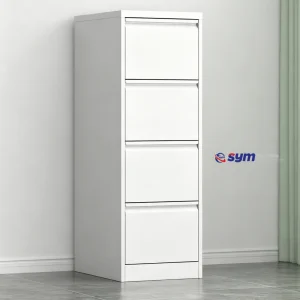
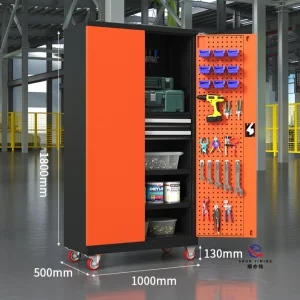
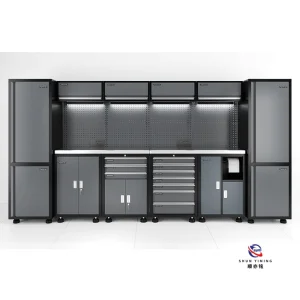
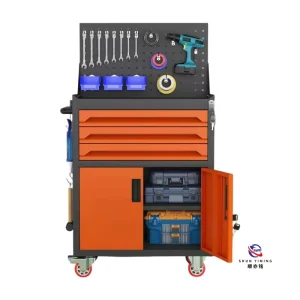
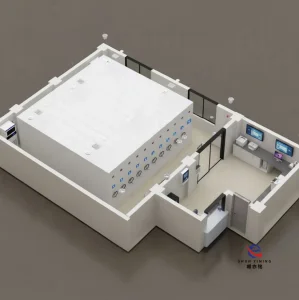
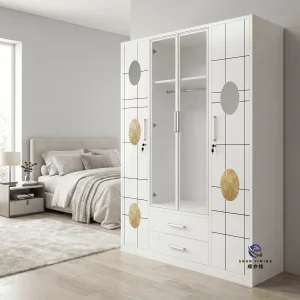
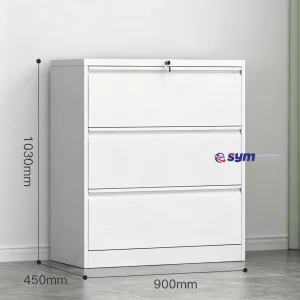
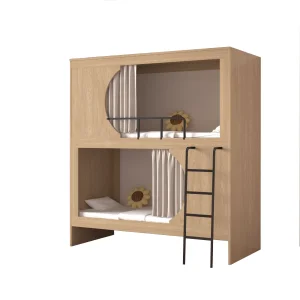
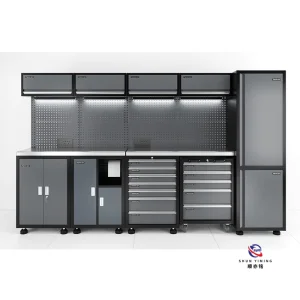
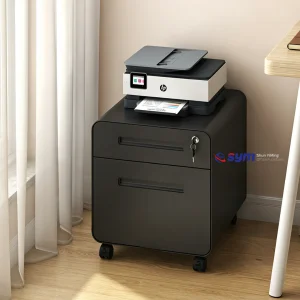
High-density rolling files, commercial bunking, and integrated heavy-duty workshop workstations.
 GuciRack