Browse our top structural racking engineering and industrial storage units optimized for global logistics operations.
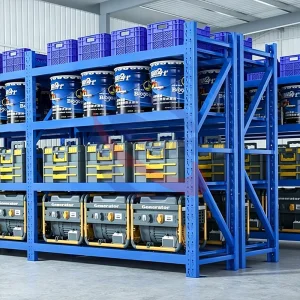
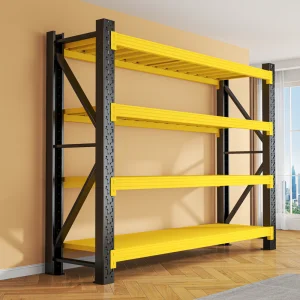
The global logistics infrastructure is undergoing a fundamental structural transition. Driven by the rapid expansion of cross-border e-commerce, third-party logistics (3PL) scaling, and automated material handling configurations, warehouse operations can no longer depend on traditional static storage frameworks. Real estate costs per square meter are climbing consistently, motivating operators to prioritize vertical density, modular scalability, and dynamic adaptability. This is where the engineering paradigm of Custom OEM Adjustable Racking Systems establishes its crucial value.
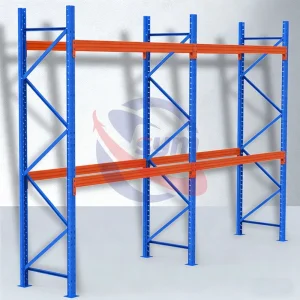
Modern adjustable racking systems represent an advanced synthesis of mechanical stability and spatial flexibility. By utilizing high-tensile cold-rolled steel profiles integrated with customizable hook-in connection arrays, these setups enable facility managers to adjust vertical spacing rapidly without requiring structural re-welding or extensive downtime. Current global designs incorporate specialized powder coat technologies, seismic load dampeners, and tight tolerances compatible with Automated Guided Vehicles (AGVs) and stacker crane interfaces. As intelligent warehousing continues to dictate efficiency parameters, the racking itself has evolved from simple passive metal configurations into highly engineered structural assets.
When purchasing agents, plant managers, and regional logistics administrators source storage racking configurations at a commercial scale, the procurement protocol shifts from basic cost evaluation to comprehensive risk mitigation. Global corporate supply chains require components that strictly conform to local load ratings, environmental safety profiles, and life-cycle durability guarantees. This requires strict adherence to international safety metrics, including ISO 9001:2015 quality management operations, CE markings for European markets, and structural safety parameters outlined by RMI (Rack Manufacturers Institute) and FEM guidelines.
Furthermore, enterprise-level procurement teams prioritize manufacturers capable of showing complete structural calculation calculations under various load parameters—such as static pallet placement, dynamic forklift docking forces, and geographic seismic vectors. In response to these strict requirements, leading OEM manufacturers provide certified load-capacity stress validation, chemical compound composition certifications, and surface treatment integrity documents, ensuring the long-term protection of personnel and inventory.
Deep structural analysis of our operational scale, manufacturing reliability, and innovative engineering teams.
Established in 2015, Guci Storage Equipment (Suzhou) Co., Ltd. runs a highly automated 35,000 m² factory dedicated to manufacturing premium industrial racks and heavy-duty steel shelving. Supported by 11 years of deep engineering experience, we deliver robust solutions globally.
We deploy 25 dedicated QA/QC professionals who manage multi-stage validations. Every batch undergoes non-destructive ultrasonic weld examinations, structural deflection trials under overload stress, and dry-film coating thickness analysis.
Our division of 18 seasoned R&D engineers supports versatile custom specifications, launching over 45 new structural configuration patterns annually. We customize column profiles, beam dimensions, and seismic footings to fit your facility's spatial requirements.
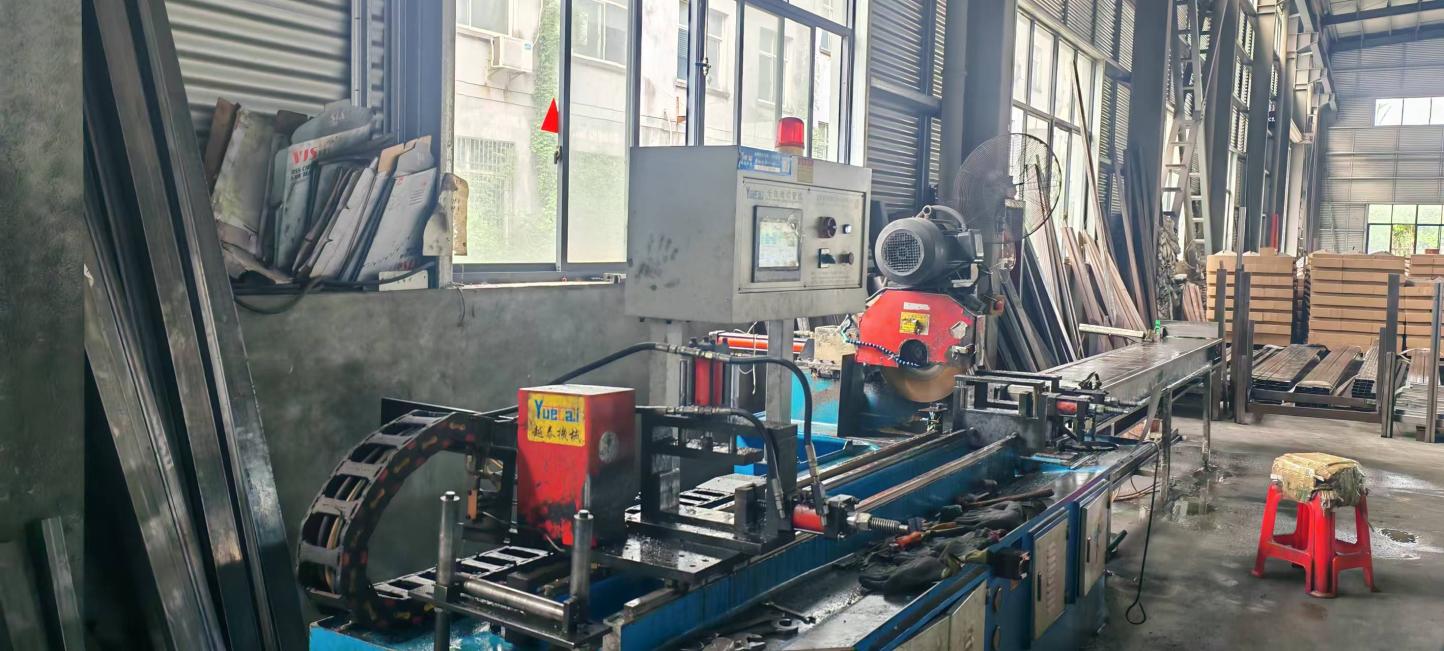
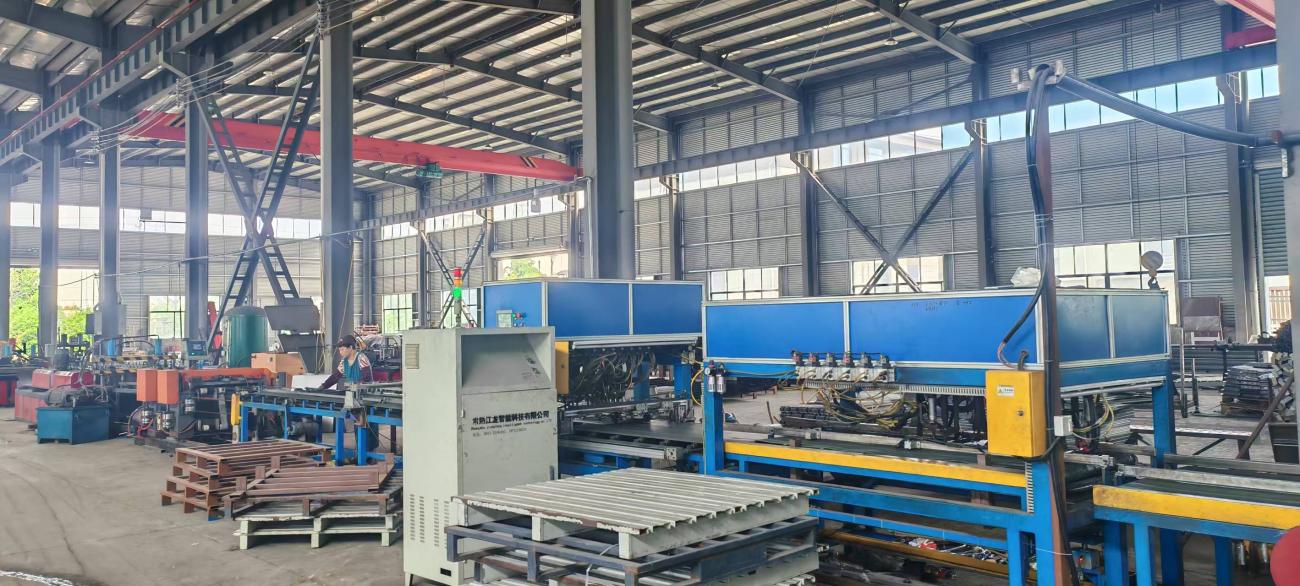
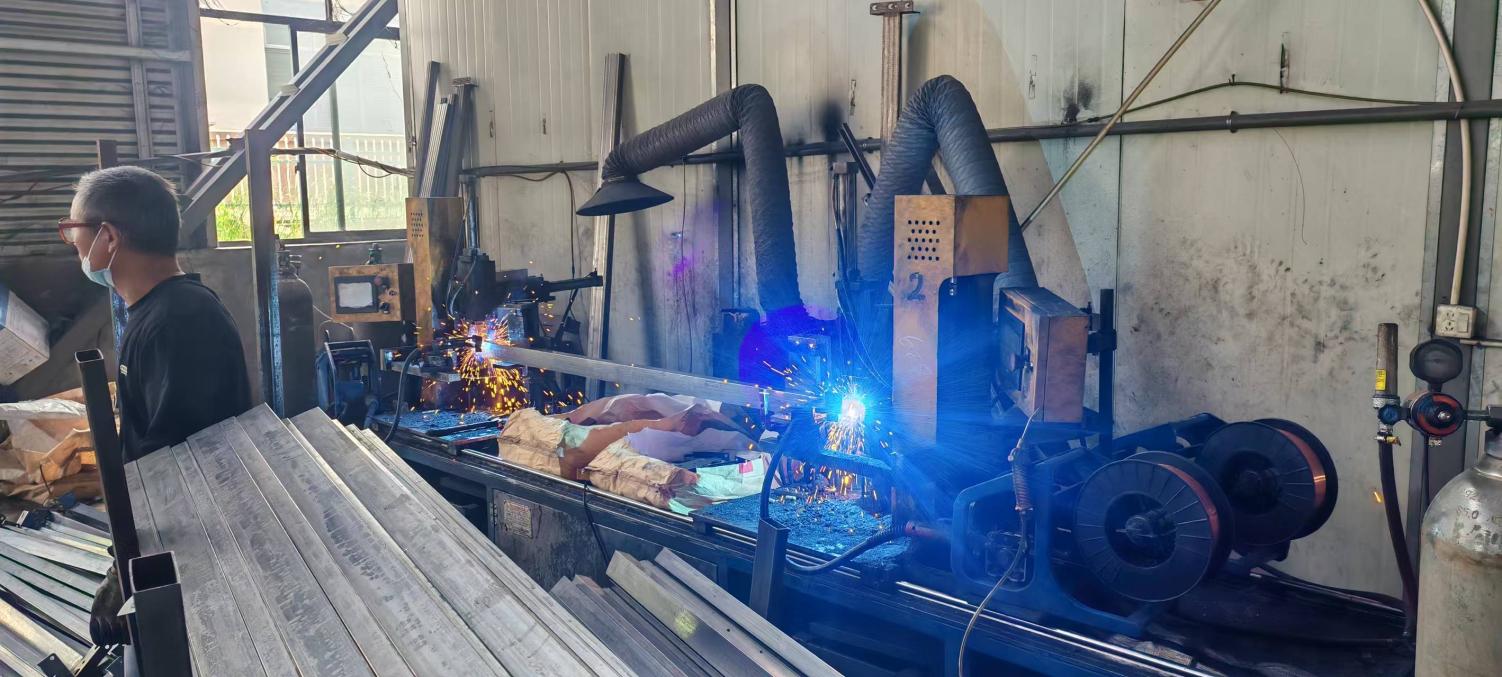
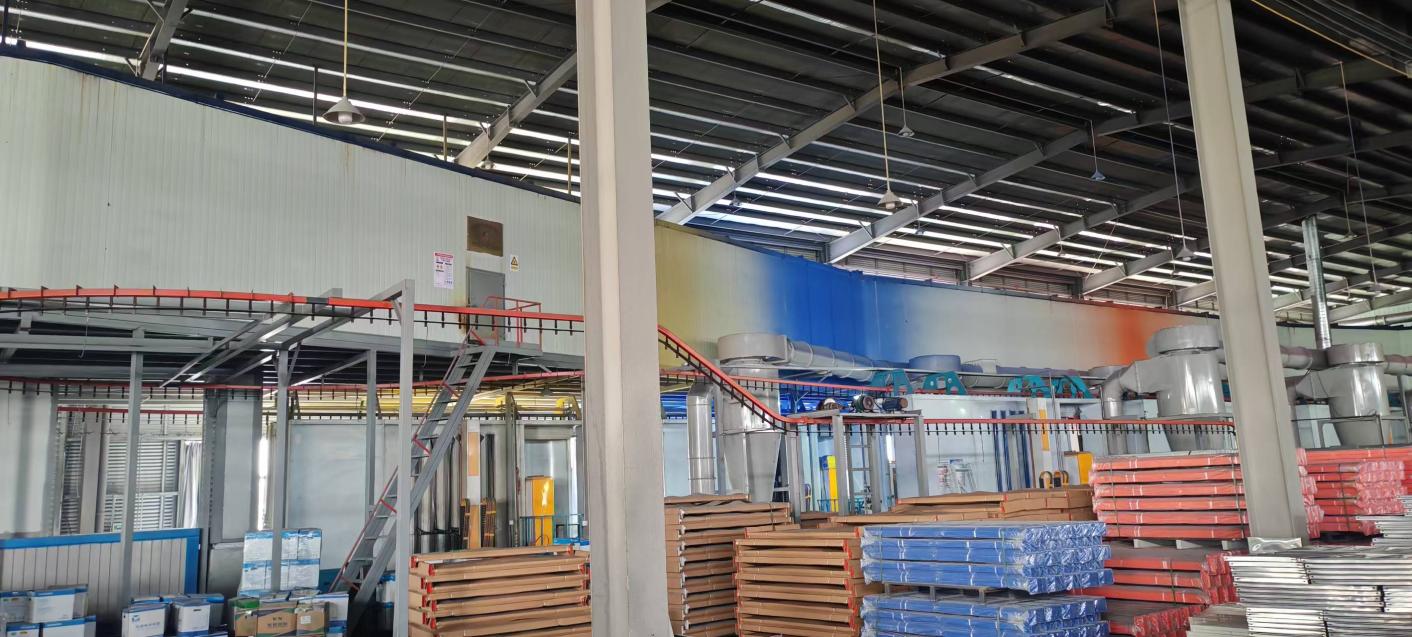
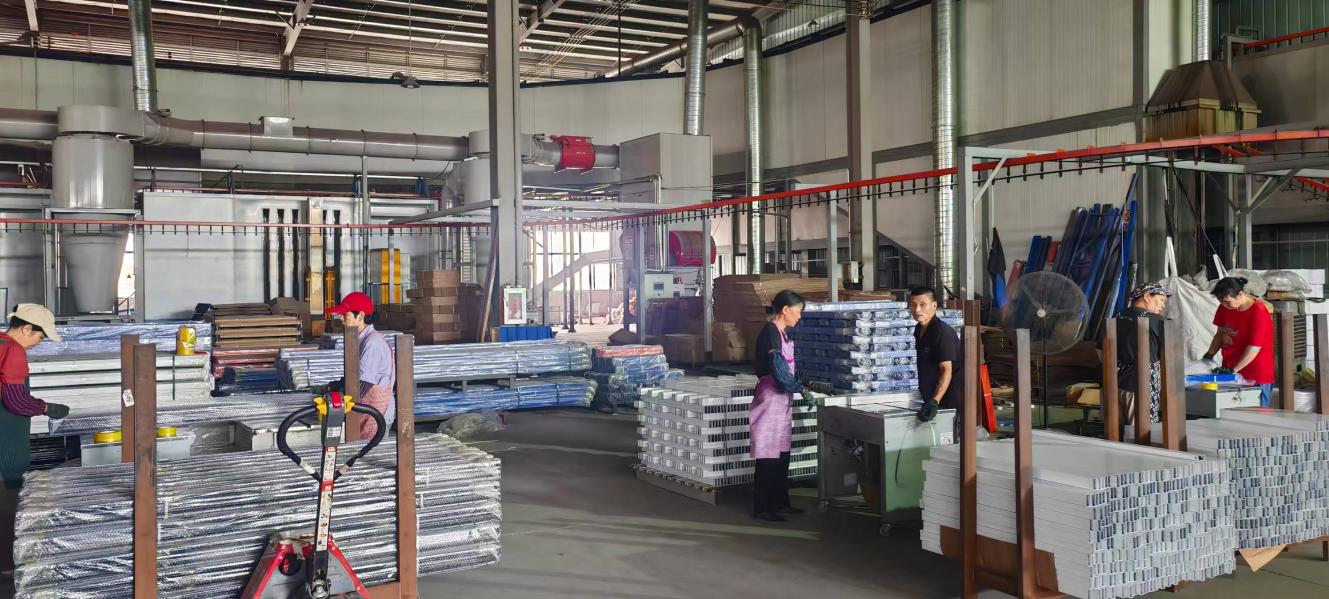
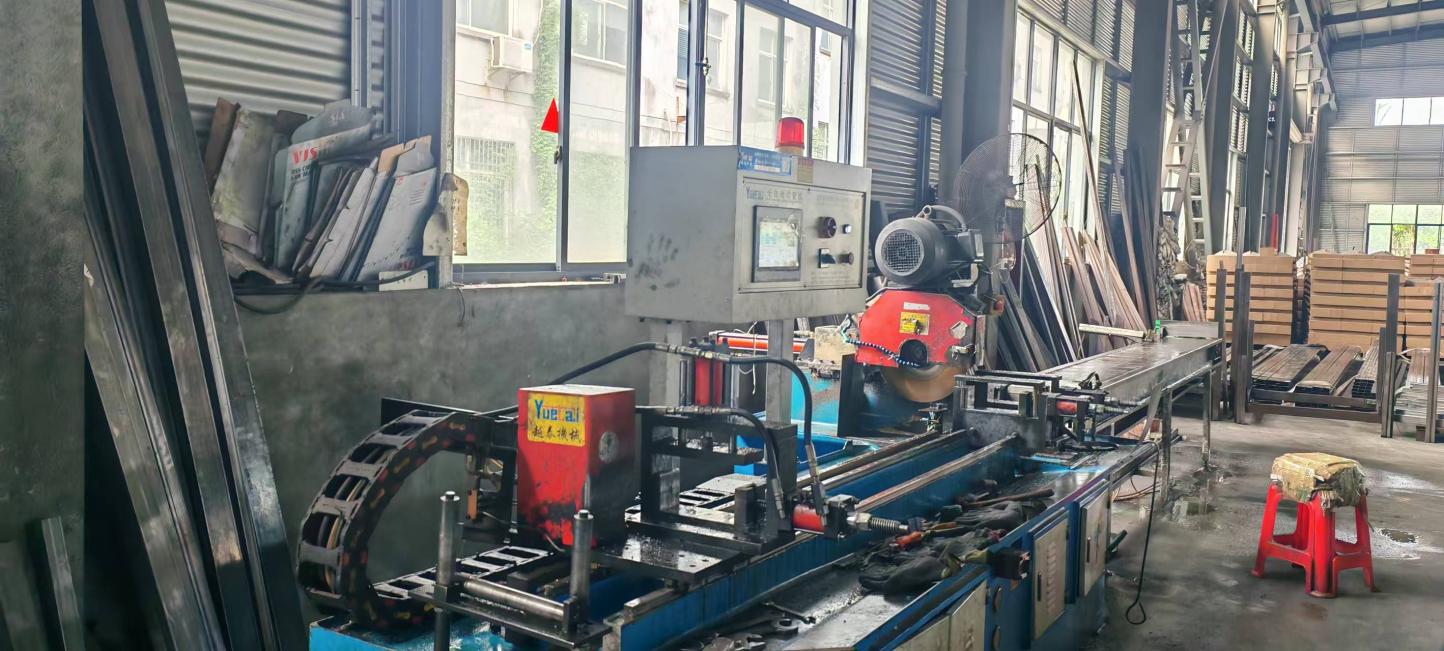
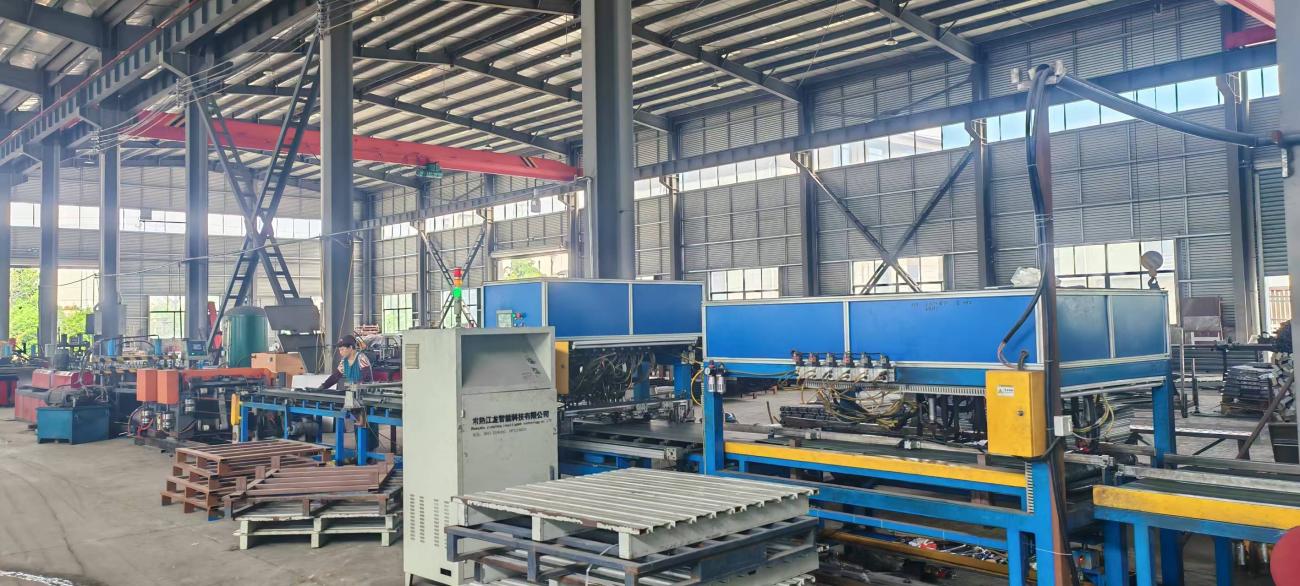
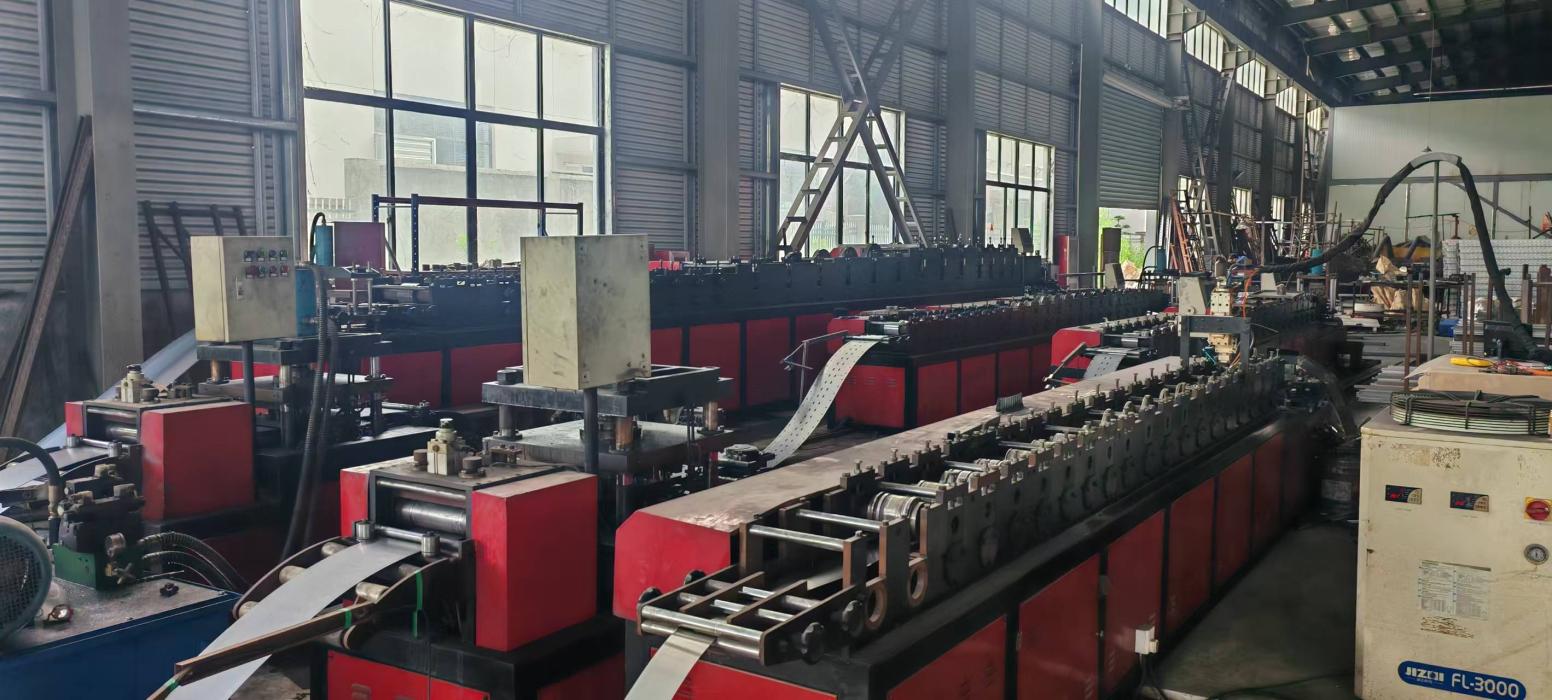
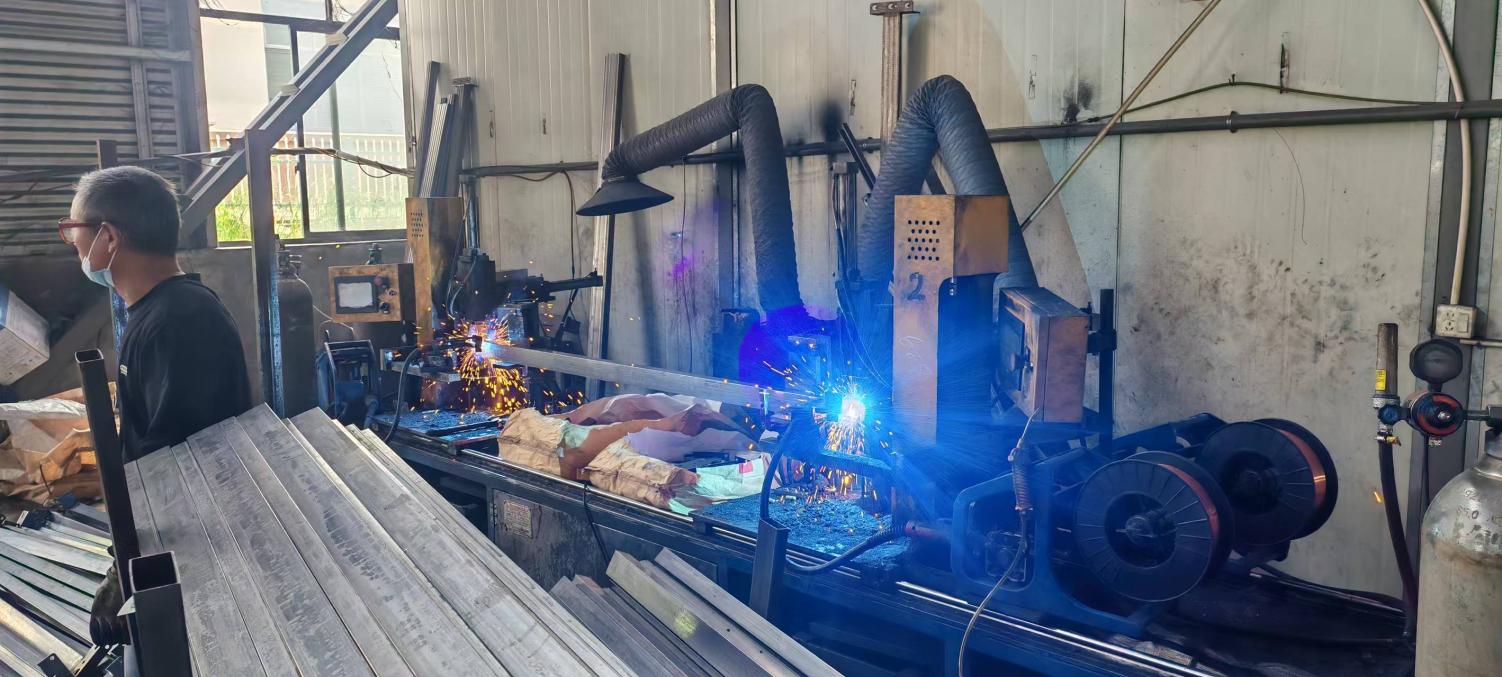
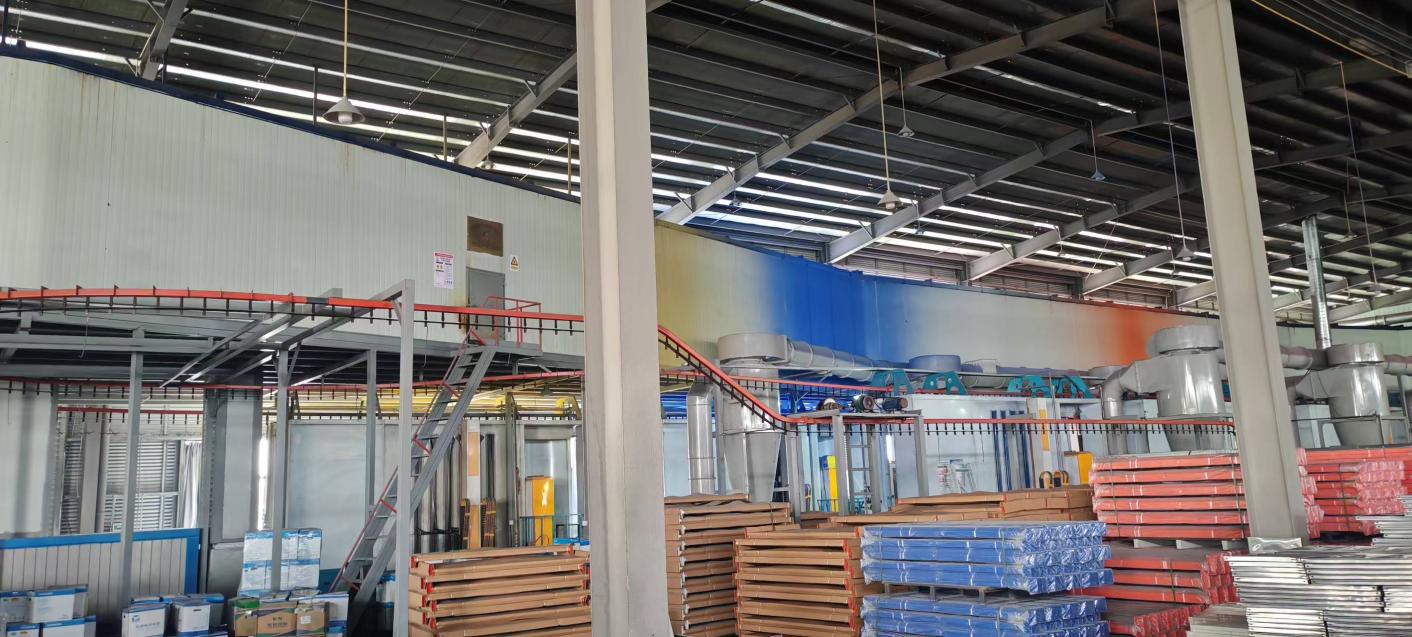
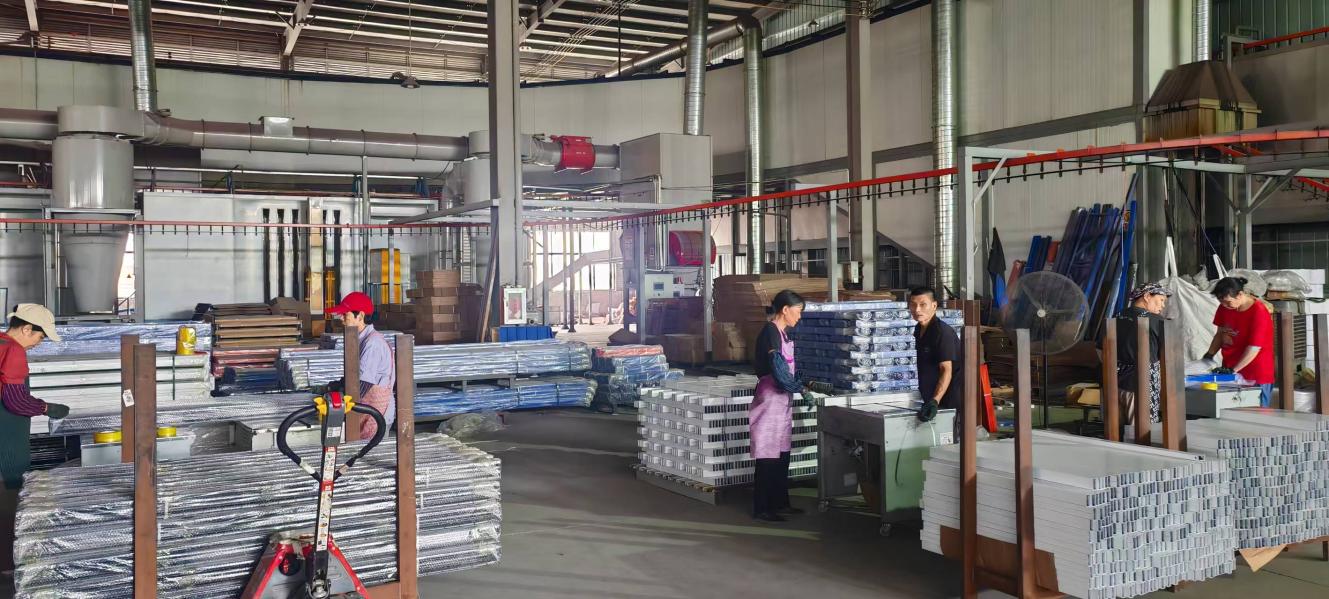
Real-world visual insight into our vertical manufacturing loop, covering precise cold-rolling, automatic welding, and high-durability powder coating lines.
Industrial warehouse operations vary widely by sector, and standard off-the-shelf racking rarely meets the requirements of complex operations. For instance, in e-commerce fulfillment centers, where SKU diversity is extremely high and fast order turnover is the core operational metric, racking systems must be engineered with integrated pick stations, carton flow lanes, and dynamic protection guards to support high worker traffic. These systems must support multi-tier mezzanine connections, maximizing floor space vertically without compromising structural rigidity.
Conversely, in cold chain storage facilities, steel chemistry is key. Standard structural steel becomes brittle when subjected to sustained freezing temperatures, making it vulnerable to impact failure. Our custom cold-room racking configurations use specialized low-temperature carbon steels combined with advanced anti-corrosive powder applications. These materials are engineered to maintain high impact resistance and load performance down to -30°C, providing long-term structural reliability.
For third-party logistics (3PL) operations, versatility is key. 3PL warehouses manage changing cargo dimensions and weight matrices as clients cycle through. Our custom adjustable racking configurations feature high-precision beam-adjusting slots spaced at 50mm and 75mm increments. This layout allows operators to change beam elevations quickly without specialized tools, enabling seamless adaptability to changing cargo formats.
At Guci Storage, structural reliability is verified through a structured testing regimen. Using premium high-strength structural steel as our raw material, we track each batch back to its original steel mill batch certification. Our testing program starts before production, verifying tensile yields, raw steel chemistry, and gauge consistency.
During production, our robotic welding line maintains uniform, smooth weld seams across all column-to-base plate connections and beam-end connectors. After welding, the structural components are checked using non-destructive ultrasonic flaw detection, ensuring no internal cracks, air pockets, or joint voids exist.
Finally, we conduct destructive load trials on selected configurations to confirm vertical load tolerances. In these tests, structural frames are loaded past their maximum capacities to establish exact safety margins. Completed structures are treated with electrostatic powder coatings, which are cross-cut and salt-spray tested to confirm reliable corrosion resistance in humid, high-salinity industrial settings.
As companies adopt automated material handling systems, traditional static racking is evolving to integrate with automated warehouse technologies. Guci Storage is actively developing system improvements to align with AS/RS (Automated Storage and Retrieval Systems), shuttle racking integrations, and AGV/AMR pathways.
Future racking platforms must support closer dimensional tolerances. While conventional human-operated lift systems can function with standard spatial clearances, automated crane forks require structural alignments within millimeter-level tolerances over tall heights. Our current engineering designs use heavy-duty bolted connections, precision-milled locking mechanisms, and integrated wire guidance paths. This enables the structural framework to support heavy weight loads while providing the precise positioning required by sensor-driven robotic equipment.
Technical insights on structural capacity, compliance standards, and lead times to assist your procurement process.
We primarily utilize high-tensile structural steel alloys (such as Q235B and Q345B, corresponding to ASTM A36 and Grade 50 steel) to guarantee high yield strength under heavy structural loads. All material batches are fully verified with mill test certifications.
Our heavy-duty pallet racking systems can support up to 4,000 kg (approx. 8,800 lbs) per beam level under a uniformly distributed load (UDL). We custom-engineer upright profiles and horizontal beam depths to meet your specific weight parameters.
We use a specialized dual-coat epoxy electrostatic powder coating, cured under precise temperature controls, or a hot-dip galvanization process. This protective layer prevents rust, moisture ingress, and paint chipping at temperatures as low as -30°C.
Yes. Our R&D team performs finite element analysis (FEA) based on localized seismic activity zones. We customize structural components with wider seismic base plates, heavy-duty anchors, and additional horizontal bracing configurations to comply with international seismic codes.
Generally, manufacturing takes 25 to 35 days from the final engineering drawing approval. This timeline covers precision tooling, metal fabrication, powder coating, and seaworthy packing stages.
Our operations comply with the ISO 9001:2015 quality management standard, and our products carry the CE certification, conforming to European safety guidelines and global logistics requirements.
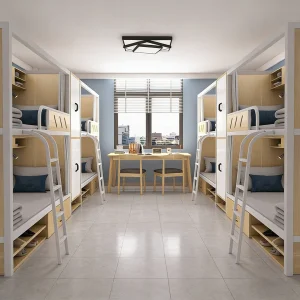
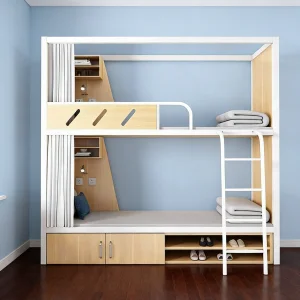
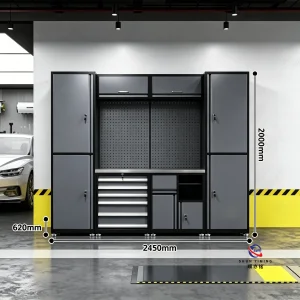
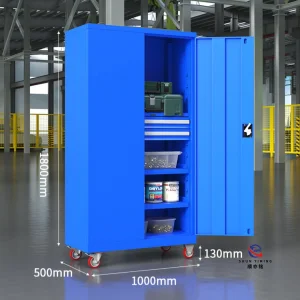
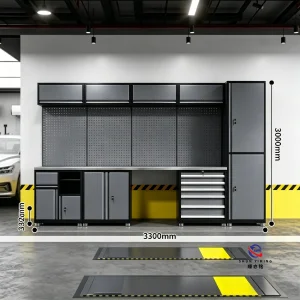
Explore our range of heavy-duty workbenches, tool organization systems, and modern apartment bunk beds built for long service life.
 GuciRack