Engineered to maximize warehouse performance, office organization, and heavy-duty load parameters.
Deep-dive research on how custom OEM flexible shelving systems are reshaping modern logistics, supply chains, and manufacturing facilities.
In the contemporary landscape of global logistics, third-party warehousing (3PL), and dynamic industrial hubs, the demand for space optimization has transcended static metal shelving. Today’s industrial developers and global procurement officers require structural versatility. Custom OEM Flexible Shelving addresses this crucial imperative. By utilizing highly adjustable upright configurations, variable beam profiles, and modular decking materials, modern enterprises can scale their operational capacities in real-time, matching rapid shifts in product configuration and SKU flow.
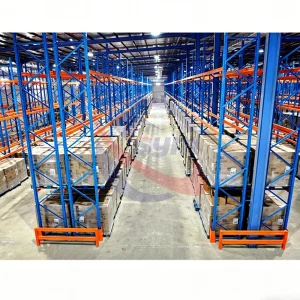
As logistics complexes shift toward high-velocity automation, the structural core—the warehouse racking itself—must match this adaptability. Rigid, standard shelving designs often lead to under-utilized vertical spaces, increased structural wear from incorrect loading configurations, and high replacement costs when product storage geometries change. Partnering with a specialized OEM manufacturer ensures that structural specifications meet both immediate loading demands and future integration needs.
Guci Storage Equipment (Suzhou) Co., Ltd., established in 2015, stands at the intersection of structural engineering and global logistics optimization. Backed by 11 years of design expertise and an active $18 million export portfolio, we supply engineered warehouse solutions globally, adhering to rigorous safety codes (CE & ISO9001).
Tailored shelving configurations engineered specifically for specialized enterprise sectors.
Engineered for maximum picking velocity. Multi-tier shelving and mezzanine systems allow logistics nodes to store smaller, high-frequency SKUs safely with rapid access, integrating seamlessly with automated conveyors.
Third-party logistics providers operate under constantly changing tenant demands. Our adjustable pallet racking and heavy-duty shelving frameworks adapt to shifting payload profiles without requiring structural overhauls.
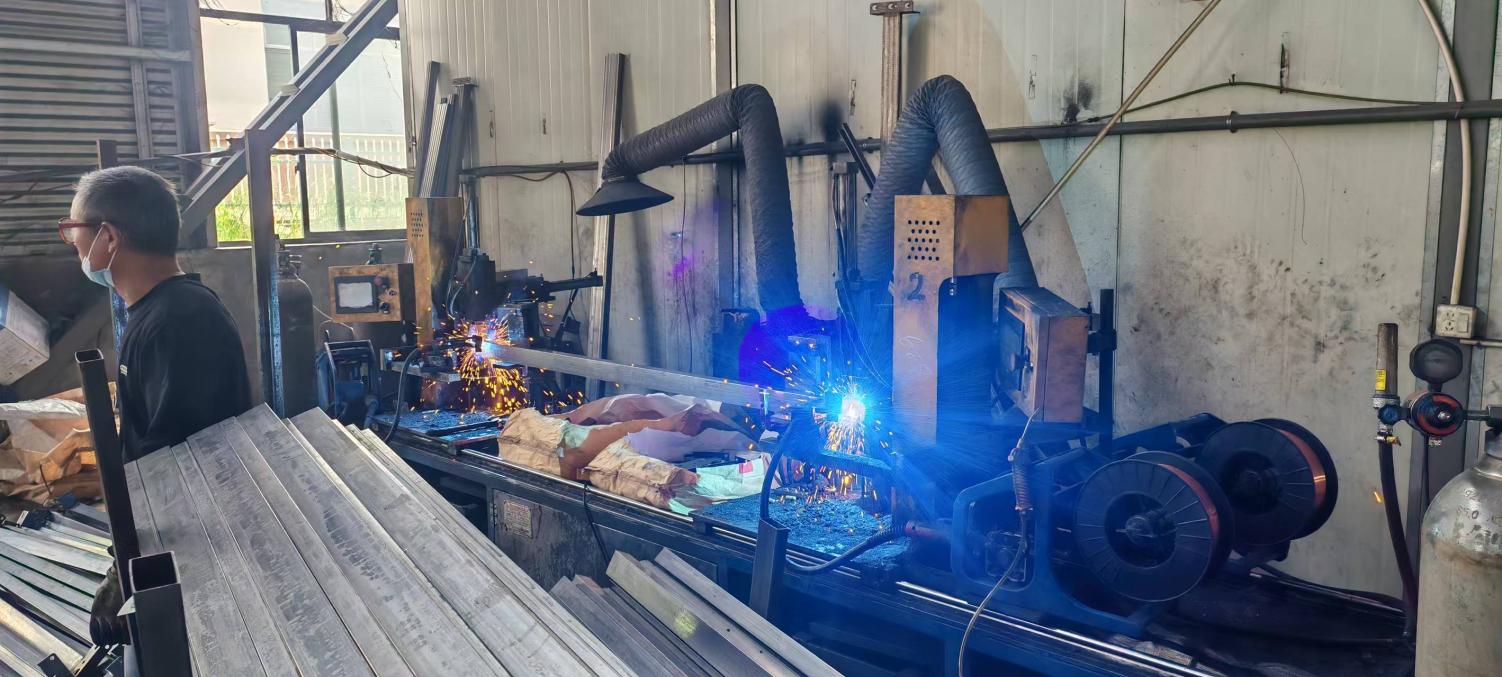
Designed to support immense static weights, including heavy tooling, dies, and raw cast parts. Using high-yield steel and robotic continuous seam welding, our shelving configurations handle extreme point loads without structural deflection.
Precision execution from raw stress simulation to tailored industrial deployment.
Our R&D team of 18 engineers analyzes structural loads, slab capacity, and local seismic parameters (SDC). We utilize Finite Element Analysis (FEA) to simulate real-world static and dynamic pressure levels prior to production tooling.
Depending on the operating environment (e.g., standard ambient warehouse, high-humidity, or sub-zero cold chain facilities), we select optimal steel grades, including Q235B, Q355B, or heavy-duty galvanized structural steels.
From custom upright punch patterns (allowing height adjustment increments of 50mm or 75mm) to complex multi-tier mezzanine steel grids, we tailor the dimensions, shelving depth, and surface treatments to match specialized material handling equipment (MHE).
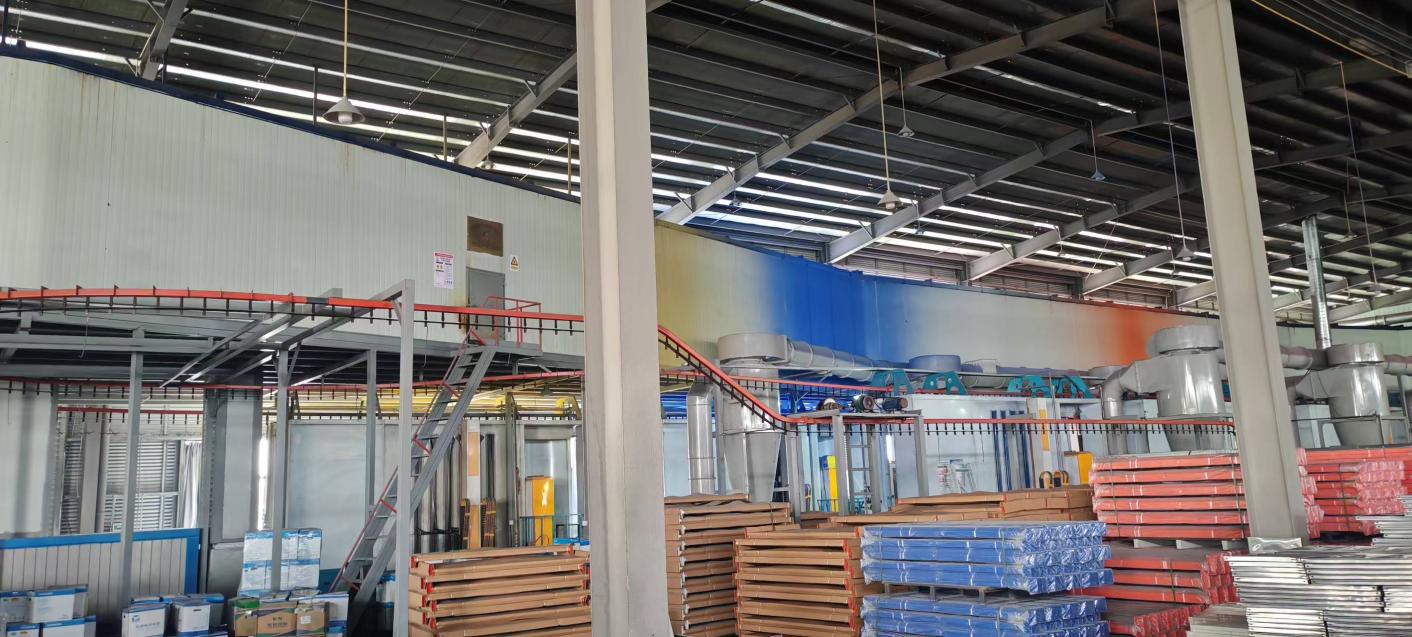
Applying electrostatic dry-powder coatings or hot-dip galvanization to ensure chemical, wear, and rust resistance. Customized color-coding matches corporate safety standards, maintaining visual clarity across sprawling facilities.
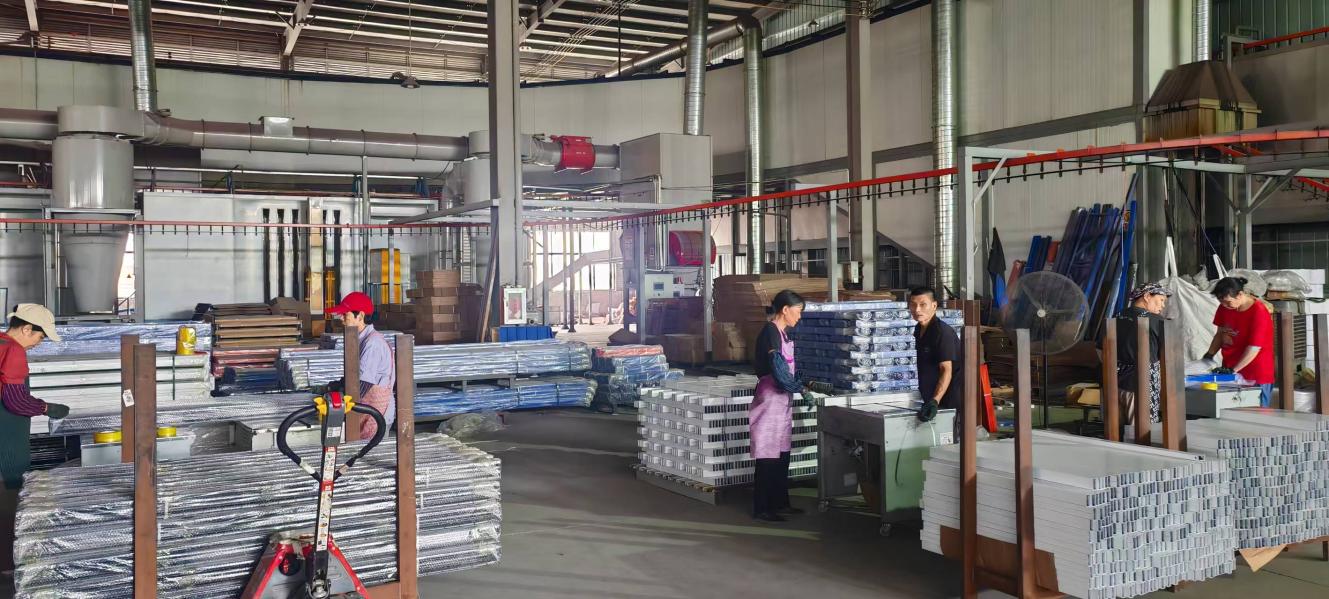
Operating a modern 35,000 m² factory equipped with precision machinery to ensure consistent tolerances and structural integrity.
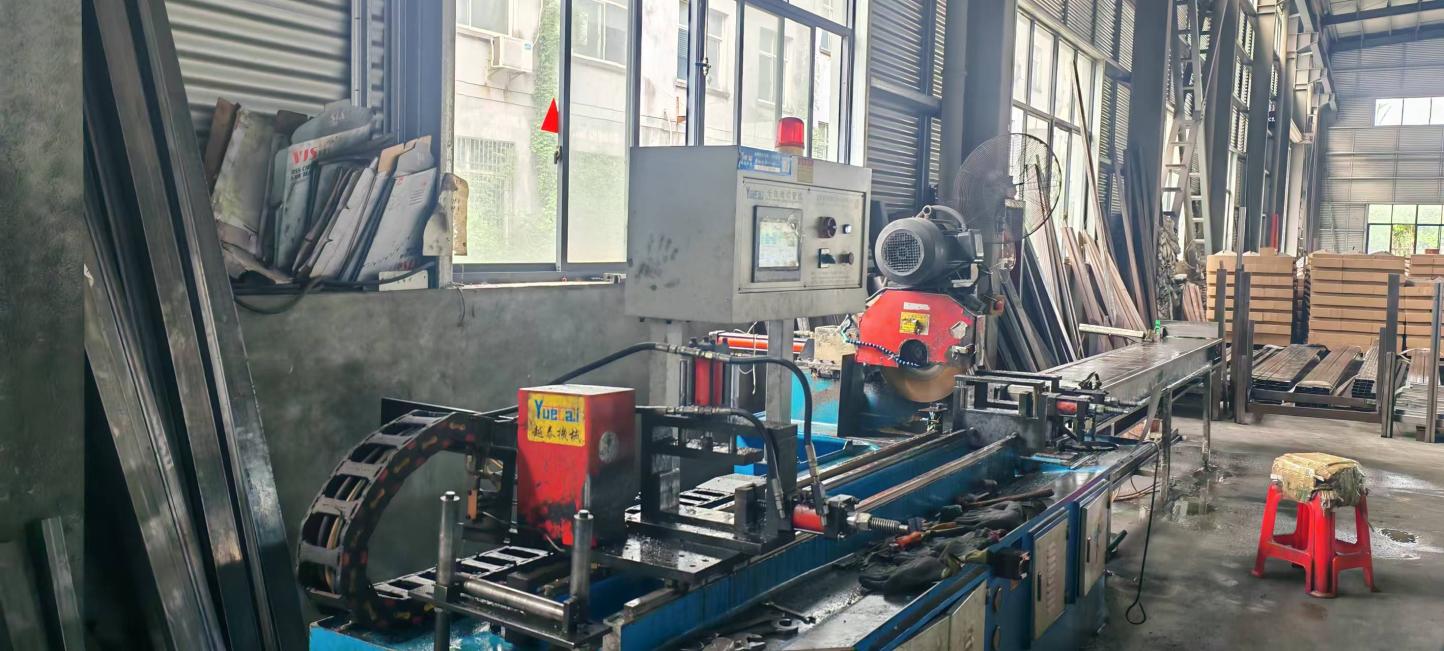
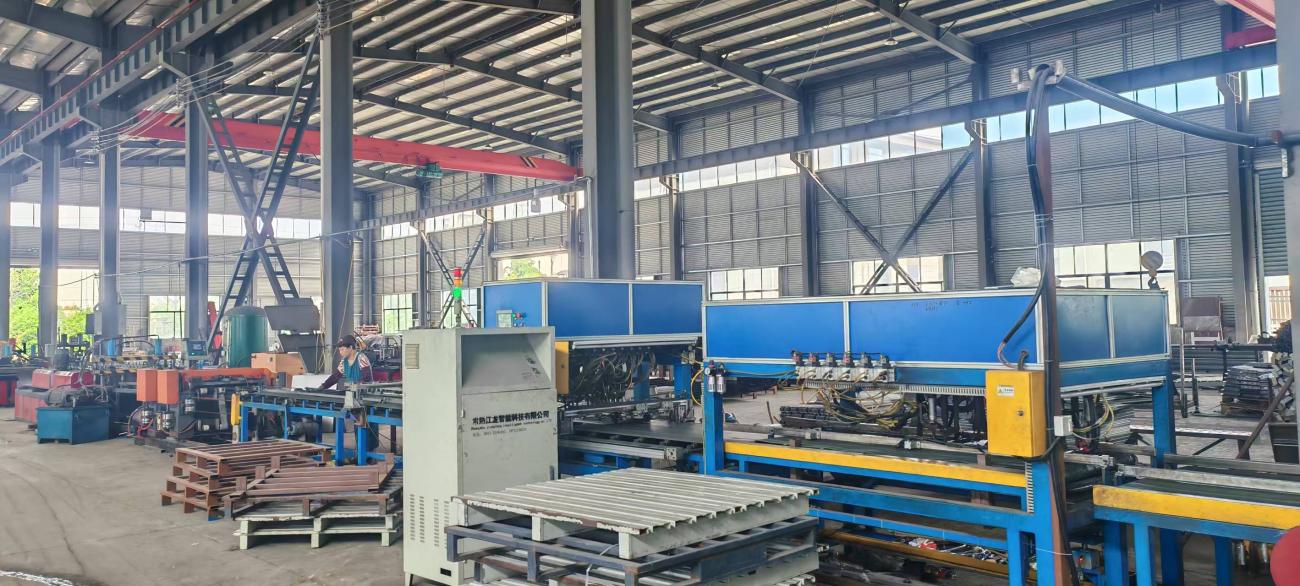
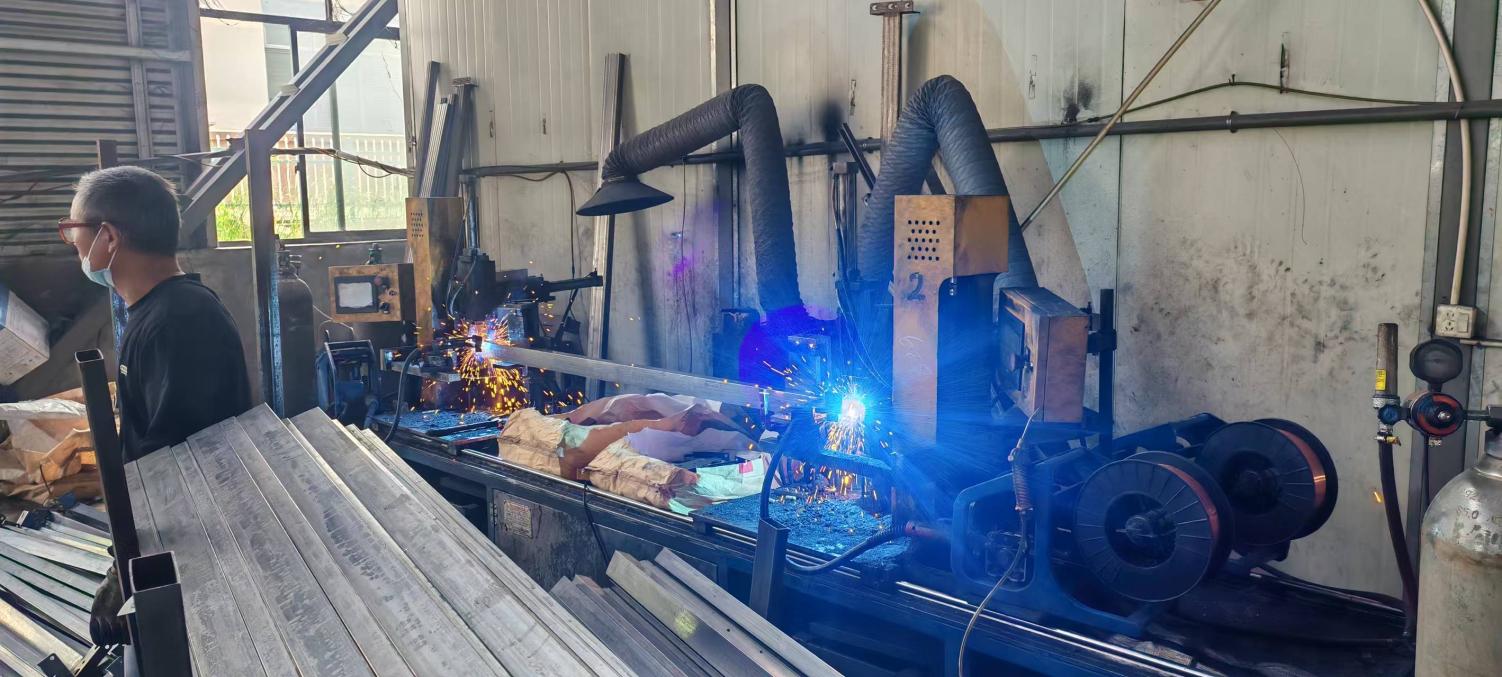
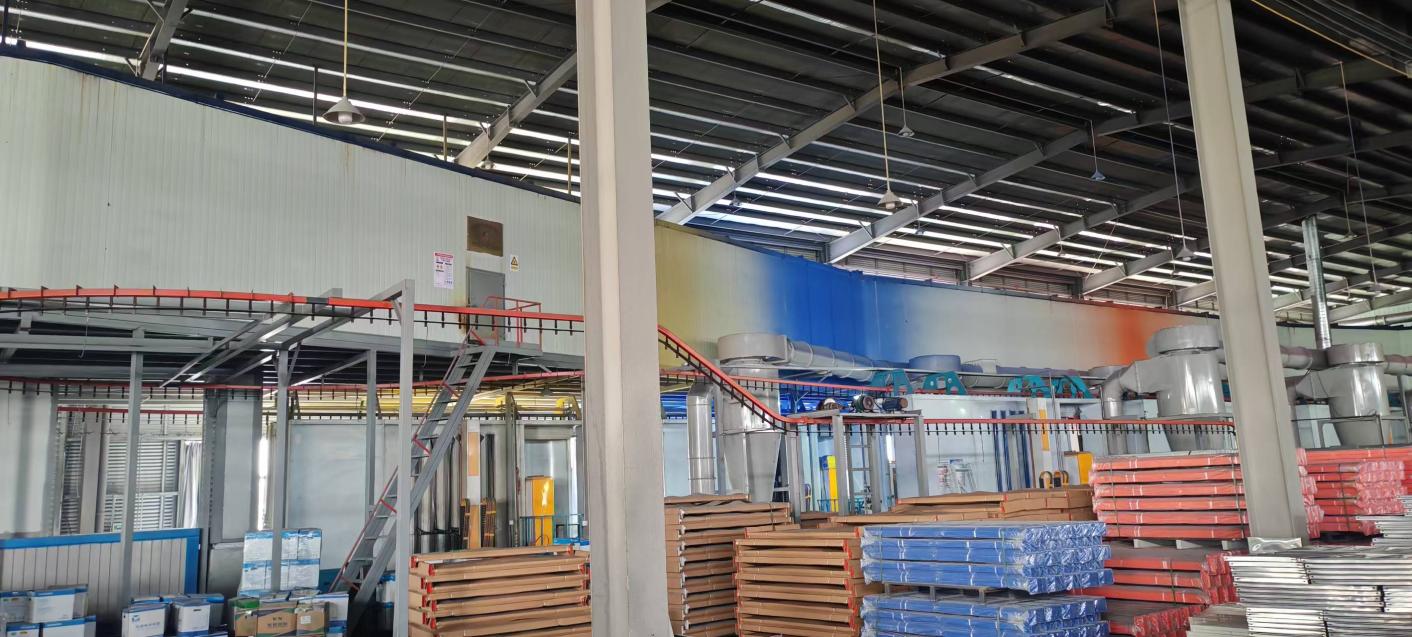
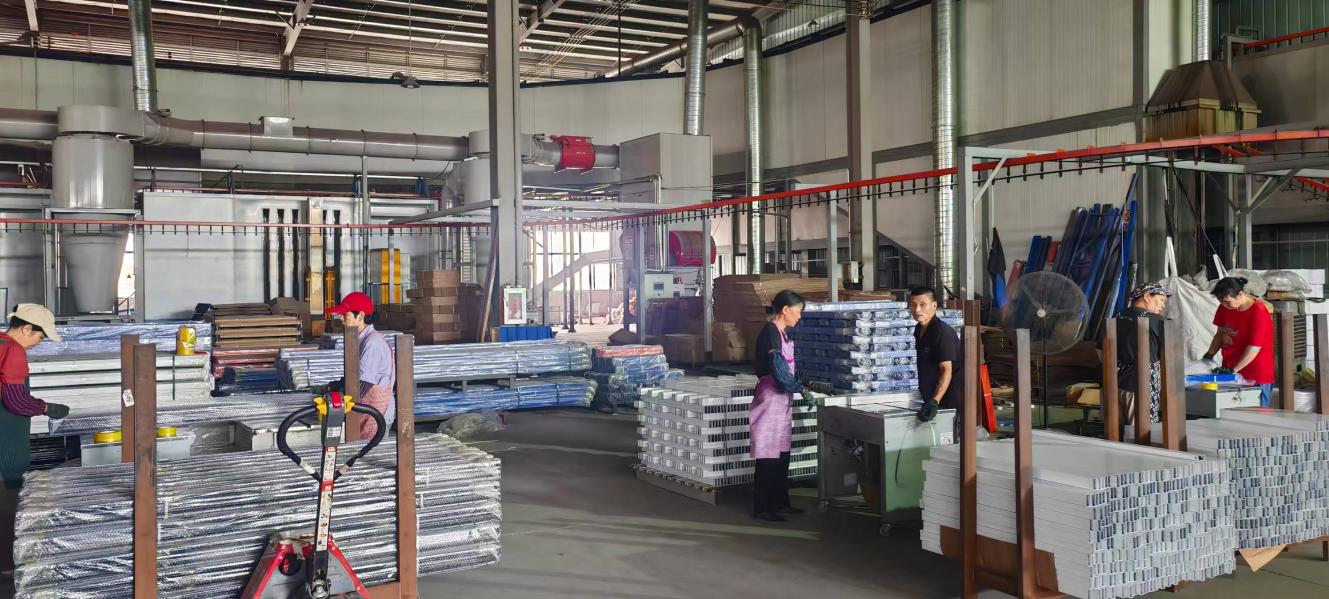
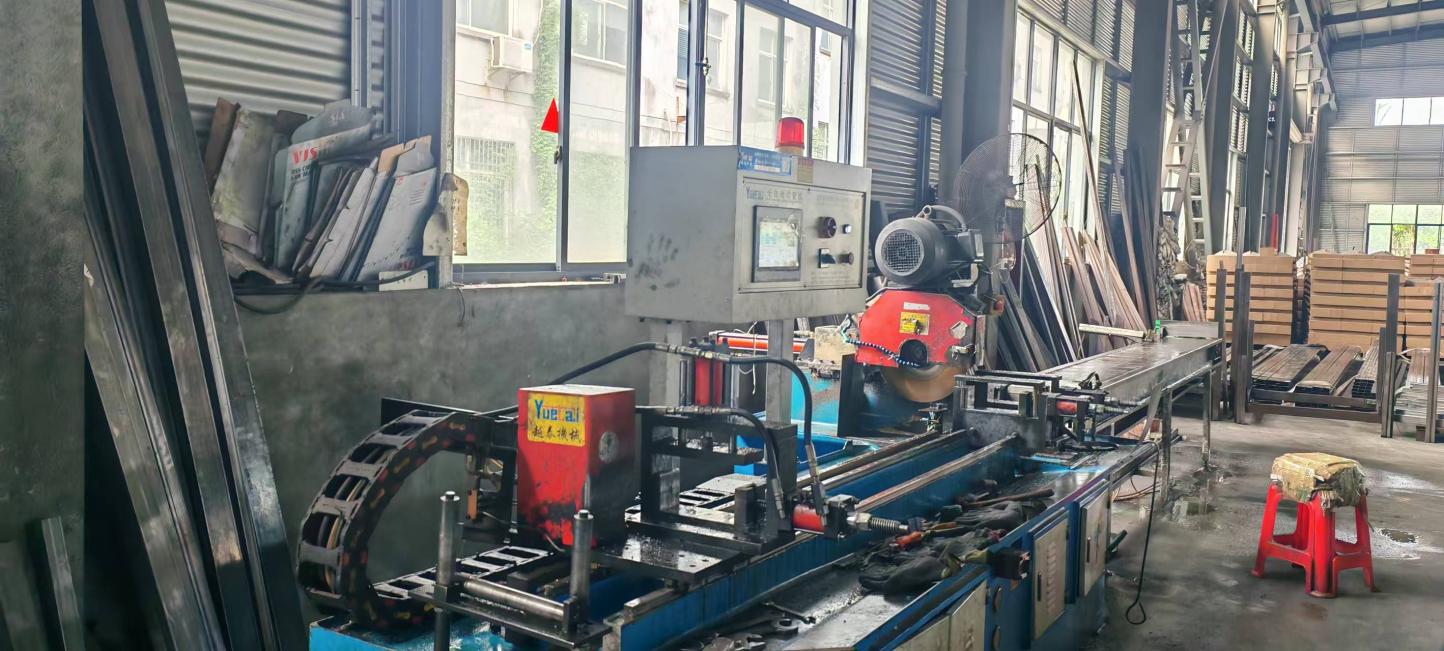
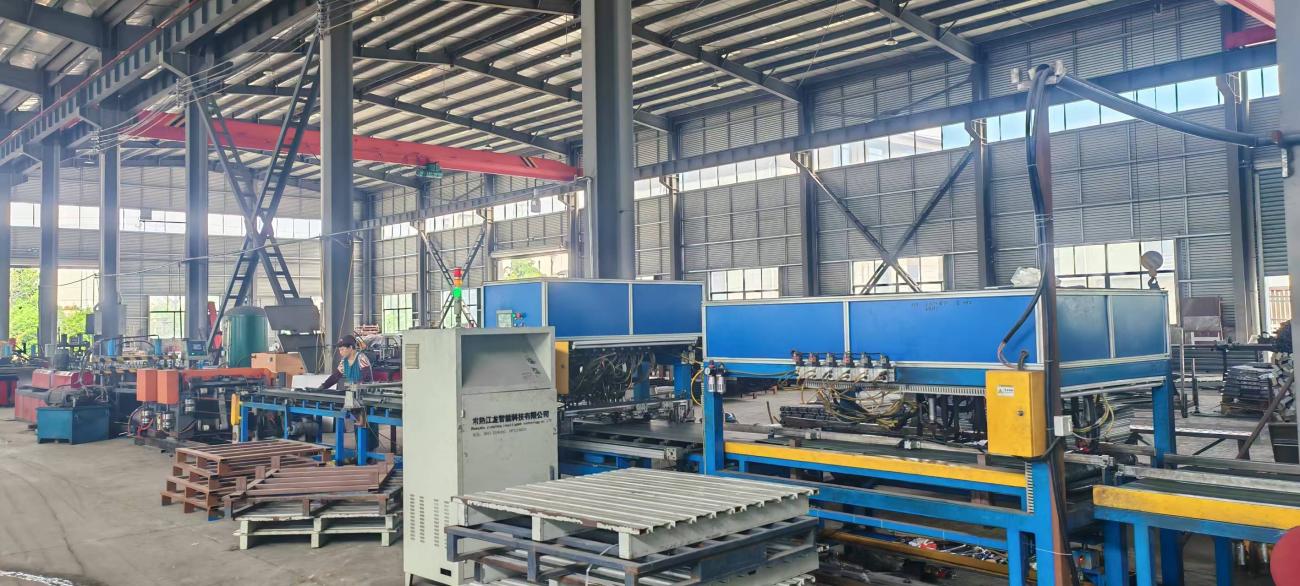
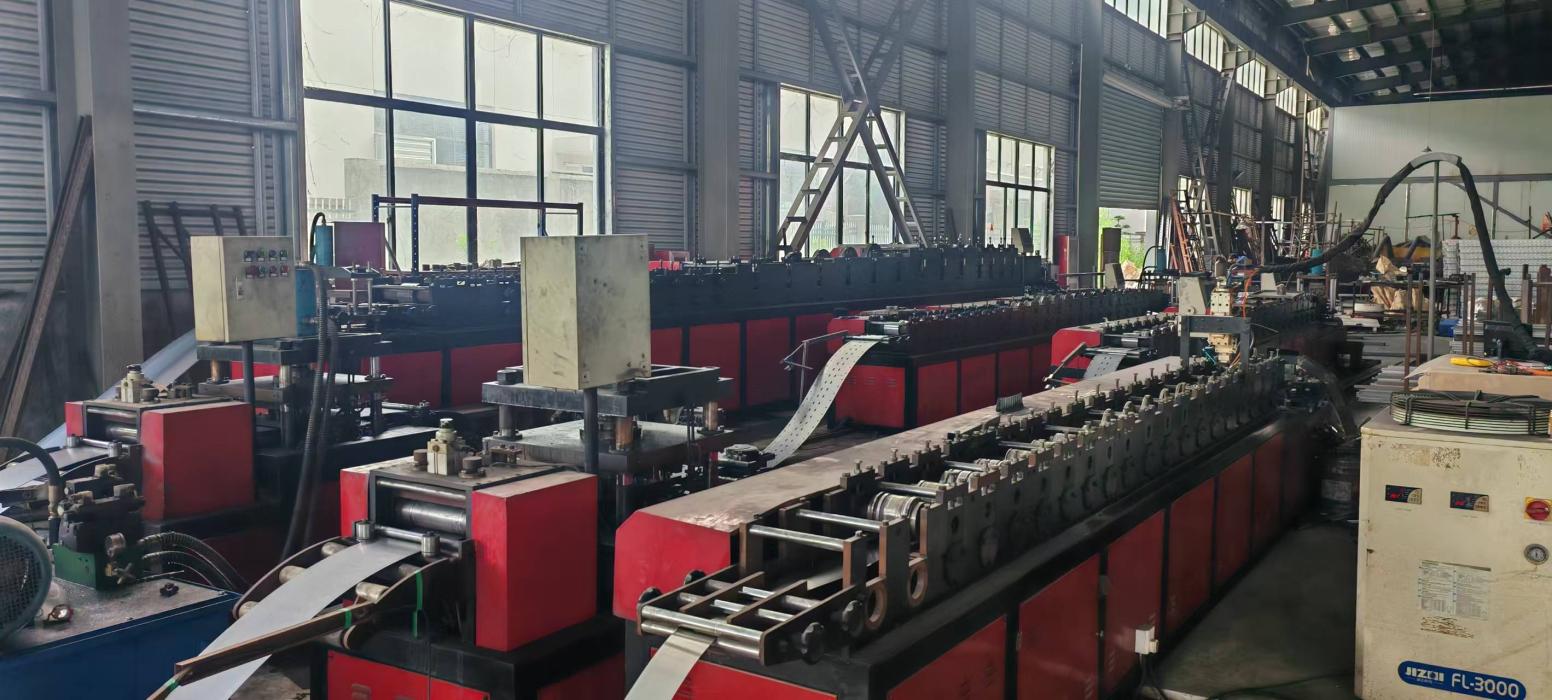
How Guci Storage ensures zero-defect structural performance across thousands of global installations.
Industrial storage system failures present significant operational, financial, and safety risks. To guarantee structural safety under maximum load configurations, Guci Storage employs a dedicated quality assurance framework led by 25 QA/QC professionals. Our inspections cover the entire manufacturing lifecycle: structural stress tests, weld penetrant analysis, and paint thickness verification.
Physical press tests verify mechanical deflection limits. Beams and upright frames undergo compression testing to confirm compliance with calculated safety coefficients (minimum 1.5 ratio).
Non-destructive testing (NDT) identifies hidden internal micro-cracks or gas bubbles in critical joint welds, preventing structural failures in high-load dynamic environments.
Our products are designed to meet ANSI/RMI MH16.1 specifications in North America, EN standards (FEM 10.2.02) in Europe, and Australian AS4084 guidelines, ensuring smooth regulatory approvals.
Innovative trends shaping the next decade of industrial warehousing and logistics optimization.
Traditional static shelving is evolving into integrated Automated Storage and Retrieval Systems (ASRS). Future OEM layouts are engineered with tighter dimensional tolerances (less than 1mm deviation) to allow robotic cranes and autonomous shuttles (AGVs) to operate without navigation interference.
Integrating strain gauges and IoT sensors directly within highly loaded upright structures. These sensors provide real-world alerts for load distribution anomalies, warning site managers of potential structural overloading before critical issues arise.
Key technical insights to guide procurement decisions and installation planning.
To calculate structural load capacity, we analyze product dimensions, weight distribution, pallets per bay, lift height limits, and floor slab load limits. These inputs are run through structural simulation software to determine upright thickness, beam selection, and baseplate size.
We primarily use high-strength Q235B and Q355B structural steel. Q355B is selected for heavy-duty columns and dynamic beams due to its higher yield strength (355 MPa), while Q235B is suited for standard shelving, light-duty applications, and support bracing.
Facilities in seismic zones require heavier duty upright profiles, larger baseplates, and additional floor anchors. Guci adjusts our engineering designs to meet local Seismic Design Categories (SDC) to secure structural integrity during seismic events.
For cold storage, sub-zero warehouses, or outdoor applications, we recommend hot-dip galvanization (HDG). For standard dry environments, we apply our high-quality electrostatic powder coating, which provides impact resistance and visual finish options.
Standard design approval, testing, and production take between 25 and 35 days, depending on custom profile requirements. Pre-production mockups and structural certifications can be prepared by our engineering department for rapid deployment.
High-precision lock systems, protective casework, and durable custom furniture systems for global distributors.
 GuciRack