High-durability structural solutions designed to protect, store, and optimize high-throughput warehouse logistics and specialized industrial workflows.
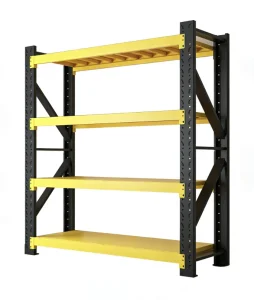
In modern industrial logistics, structural integrity is not simply an operational preference; it is a fundamental pillar of safety, liability management, and uninterrupted productivity. High-density warehousing layouts, autonomous material handling integrations, and high-velocity material flows place massive mechanical demands on structural storage assets. As columns reach higher heights and floor areas compress to accommodate automation, the risk profile of forklift impacts, kinetic shifts, and seismic disturbances increases exponentially. Consequently, premium supply chains globally are moving away from standardized shelving towards customized OEM Impact Racks—engineered to withstand dynamic stresses while optimizing space utilization.
Established in 2015, Guci Storage Equipment (Suzhou) Co., Ltd. is a leading B2B manufacturer specializing in heavy-duty warehouse racking and industrial storage solutions. Spanning a modern manufacturing facility of 35,000 m², the company brings over 11 years of deep industry expertise and 8 years of global trade experience, serving client bases across North America, Europe, and Southeast Asia with an annual export revenue reaching $18 million.
To sustain structural safety and peak uptime in demanding environments, our engineering framework integrates advanced physics, metallurgical analysis, and stress simulations. Standard static load calculations are insufficient when handling dynamic warehouse environments. Heavy material handling machinery operating in narrow aisles can generate high-impact forces that compromise structural columns, resulting in costly structural damage or catastrophic rack collapses. Guci Storage solves this operational challenge through precision custom engineering, optimizing structural profiles, steel gauges, anchoring mechanisms, and deflection guards to absorb and redistribute unexpected mechanical shocks.
The global warehousing and logistics landscape is undergoing an unprecedented structural transition. The exponential rise of e-commerce, combined with supply chain model changes (moving from Just-In-Time to Just-In-Case), has drove warehouses to maximize volumetric utilization. As a consequence, high-bay racking installations reaching 15 to 40 meters high have transitioned from premium configurations to baseline industrial requirements. At these heights, dynamic safety factors are of paramount importance. Even minor impacts at the base of a high-bay rack can translate into huge oscillations and load destabilization at higher levels, threatening operator safety and expensive material handling automation systems.
Moreover, the integration of automated guided vehicles (AGVs), Autonomous Mobile Robots (AMRs), and AS/RS (Automated Storage and Retrieval Systems) demands extreme tolerances. Traditional steel racking, prone to deflection under continuous load or impact, can fall out of alignment, causing automated shuttles to halt operations. Custom OEM impact racks utilize heavy-gauge structural steel (typically Q235B or Q355B structural steel grades) and robust base plate connections to limit deflection and absorb the minor, repetitive impacts typical of automated vehicle interactions.
Increasing racking heights to 12m+ concentrates stresses at base columns, amplifying the potential damage from ground-level machinery impacts.
AS/RS systems require millimeter-level tolerances. Rigid structural racking limits structural sway, preventing automated sensor faults.
Seismic standards like RMI and EN 15512 demand that heavy storage racks withstand seismic accelerations without structural collapse.
Enterprise procurement departments, especially those serving multinational 3PLs, pharmaceutical logistics, cold chain providers, and global industrial manufacturing brands, evaluate storage assets through the lens of Total Cost of Ownership (TCO). While standard off-the-shelf shelving offers lower initial costs, the long-term expenses associated with forklift damage, warehouse downtime, rack replacement cycles, and insurance liabilities can be significant. By selecting custom OEM Impact Racks, procurement leaders protect their facilities from these unpredictable risks.
Additionally, regulatory frameworks regarding worker safety are tightening globally. Organizations such as OSHA in the United States and the European Agency for Safety and Health at Work (EU-OSHA) enforce stringent guidelines on rack inspections, maintenance, and structural compliance. Failure to address compromised racking systems can lead to operational shutdowns, legal liabilities, and substantial fines. Enterprise buyers require partners who can supply comprehensive engineering verification, Finite Element Analysis (FEA) modeling, structural certifications, and traceable manufacturing compliance.
Procurement requires structural verification certificates conforming to regional building codes, seismic design criteria, and testing methods such as ISO 9001 and CE certifications.
Traceability of raw materials back to steel mills ensures metallurgical consistency. Every batch of Guci steel undergoes load stress testing and ultrasonic flaw detection.
Every warehouse possesses unique geographical configurations. OEMs must deliver tailormade dimensions, load capacities, bracket accessories, and specialized paint finishes.
With massive global projects scheduled on tight construction timelines, logistics managers require reliable shipping windows and packaging protection.
In response to changing operational demands, heavy-duty industrial storage has transitioned from simple steel configurations to advanced structural setups. Key trends shaping this evolution include:
Instead of trying to resist impact forces completely through sheer mass, modern rack designs incorporate sacrificial impact barriers and dynamic baseplates that absorb and dissipate kinetic energy.
Advanced thermosetting powder coatings protect against corrosion and abrasion, extending racking lifespans in tough chemical, coastal, and cold storage environments.
Utilizing high-yield steel grades in cold-forming manufacturing lines allows for thinner profiles with equivalent or superior structural capacities, reducing total steel costs.
In the global market, China's storage equipment manufacturers have transitioned from low-cost suppliers to innovators in high-precision structural racking. Guci Storage's facility in Suzhou represents this technological evolution. By integrating automated manufacturing systems with specialized craftsmanship, we help protect clients from supply disruptions while ensuring consistent product quality.
Our facility runs advanced robotic welding cells, continuous cold-roll forming lines, and multi-stage powder coating systems. With over 800 supply chain partners, Guci secures steel during periods of high demand, ensuring steady production schedules. This supply integration allows us to deliver high-quality heavy-duty racks that meet the strict standards required by major international buyers.
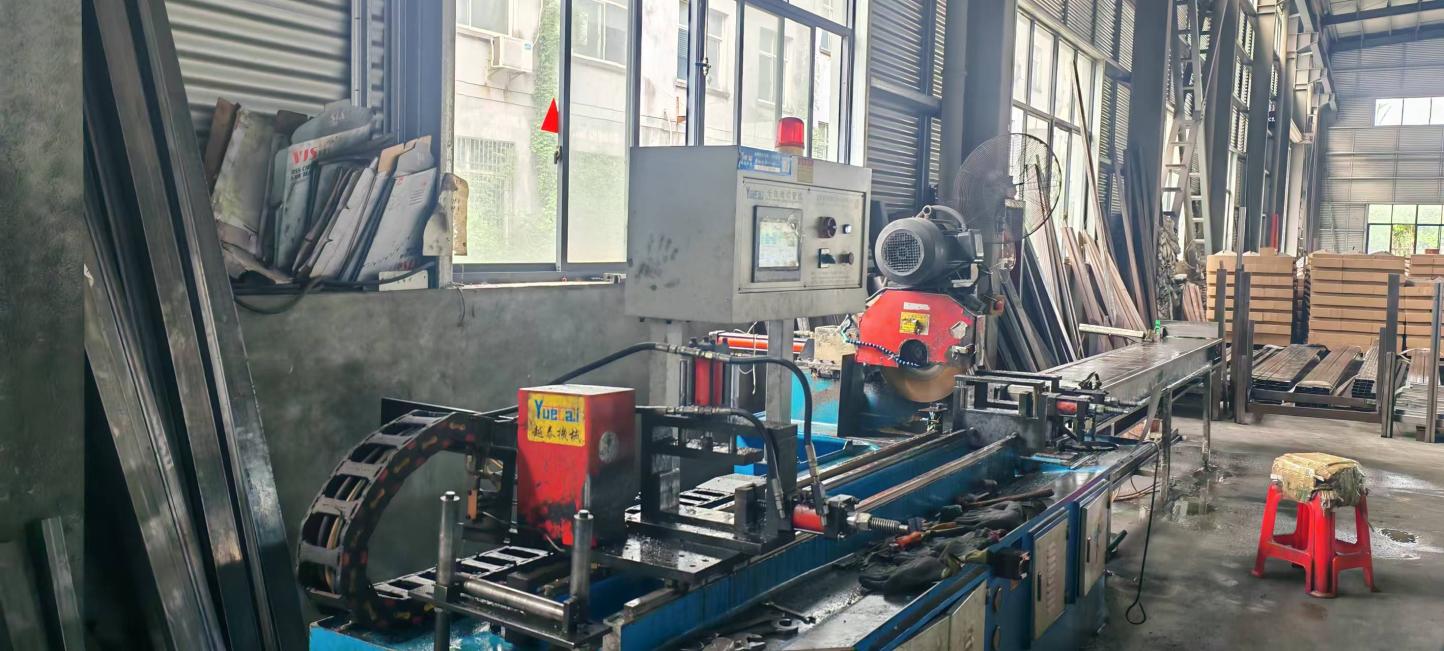
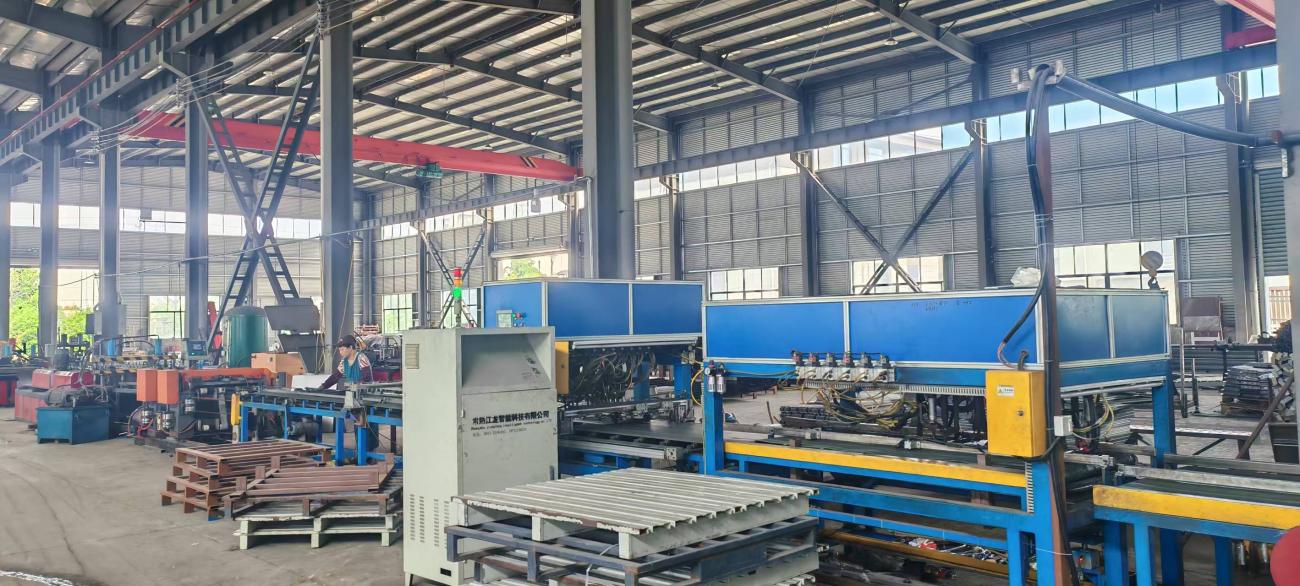
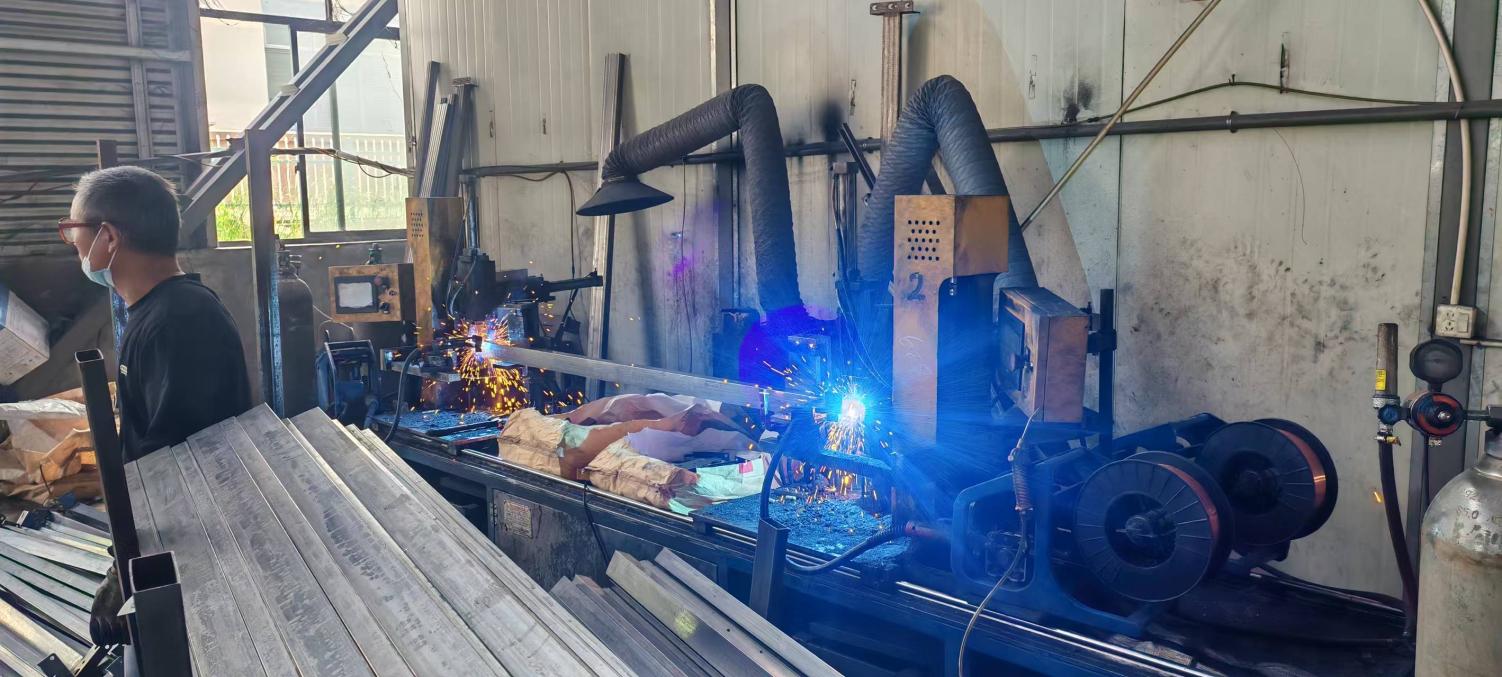
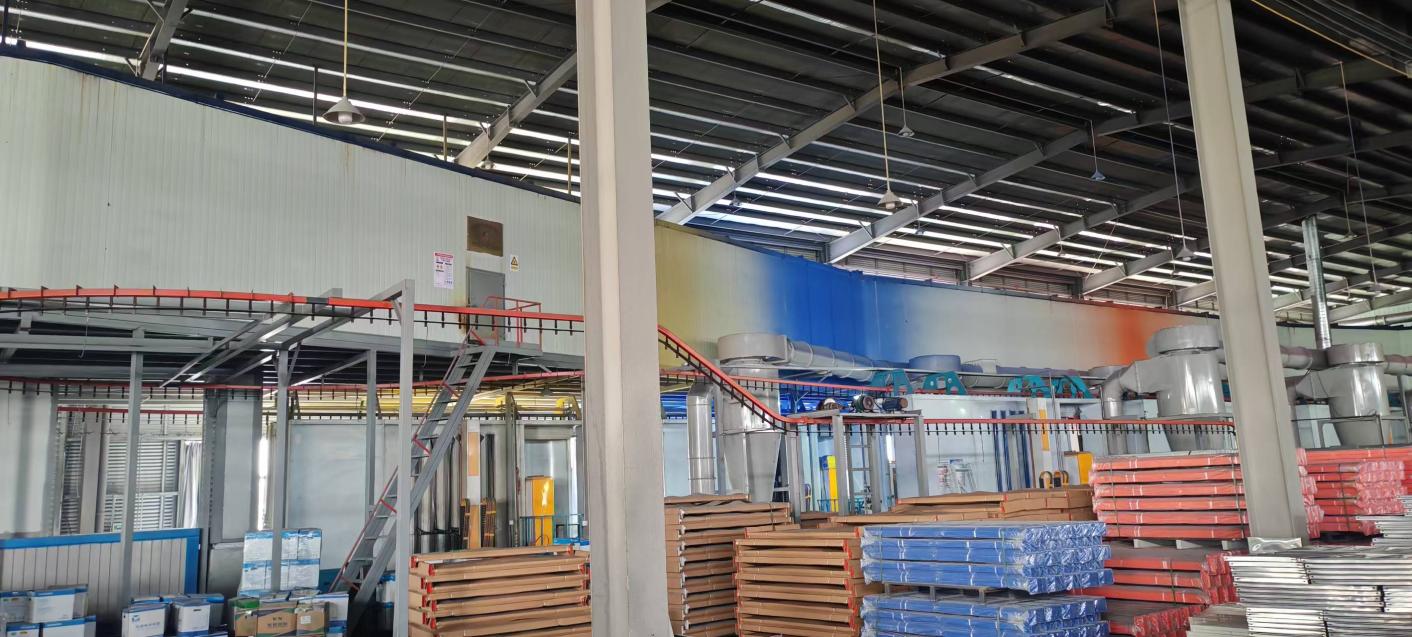
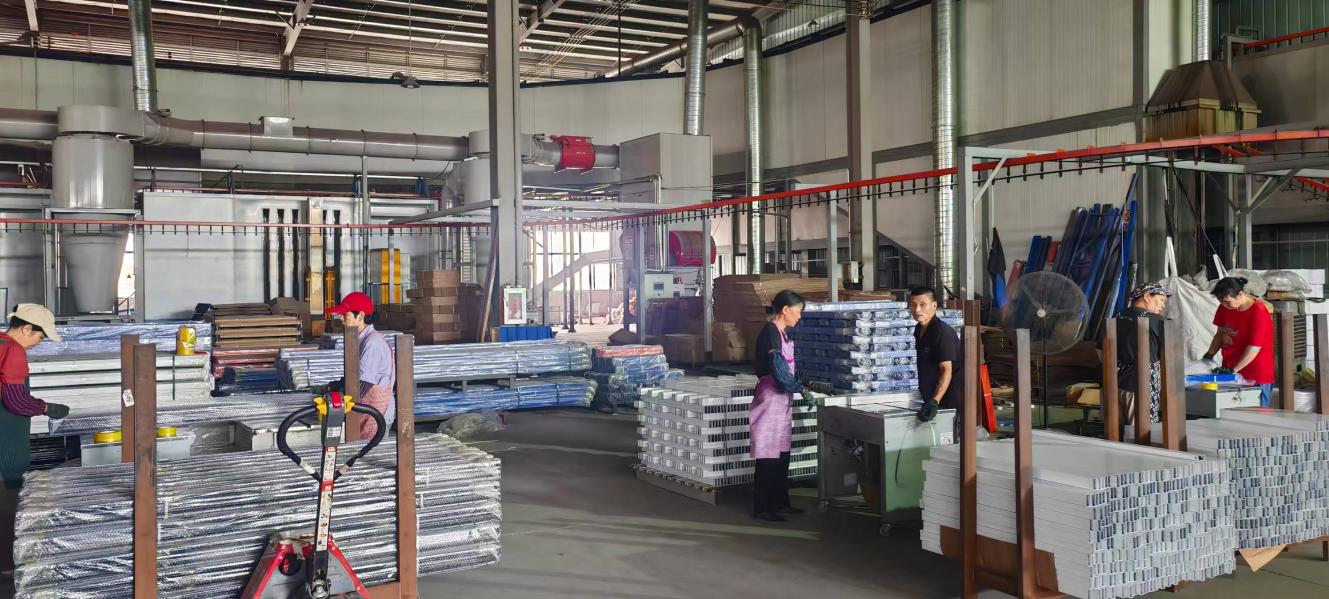
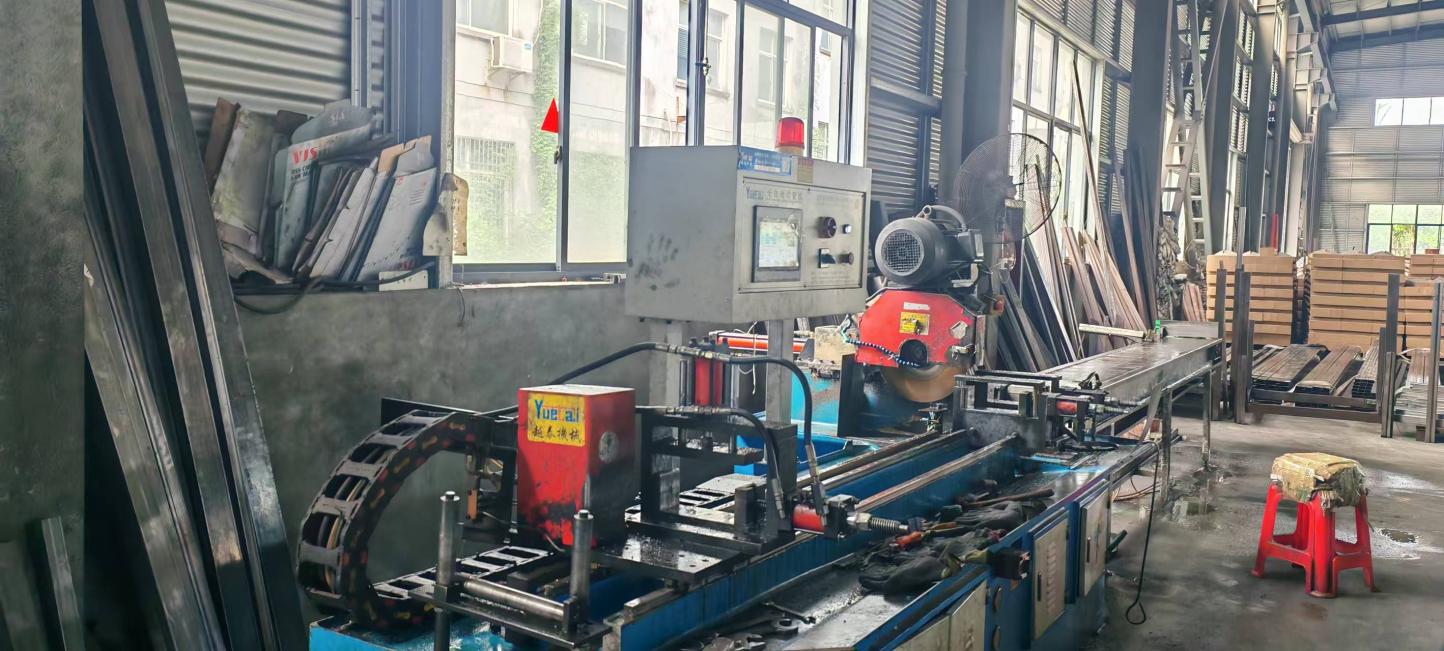
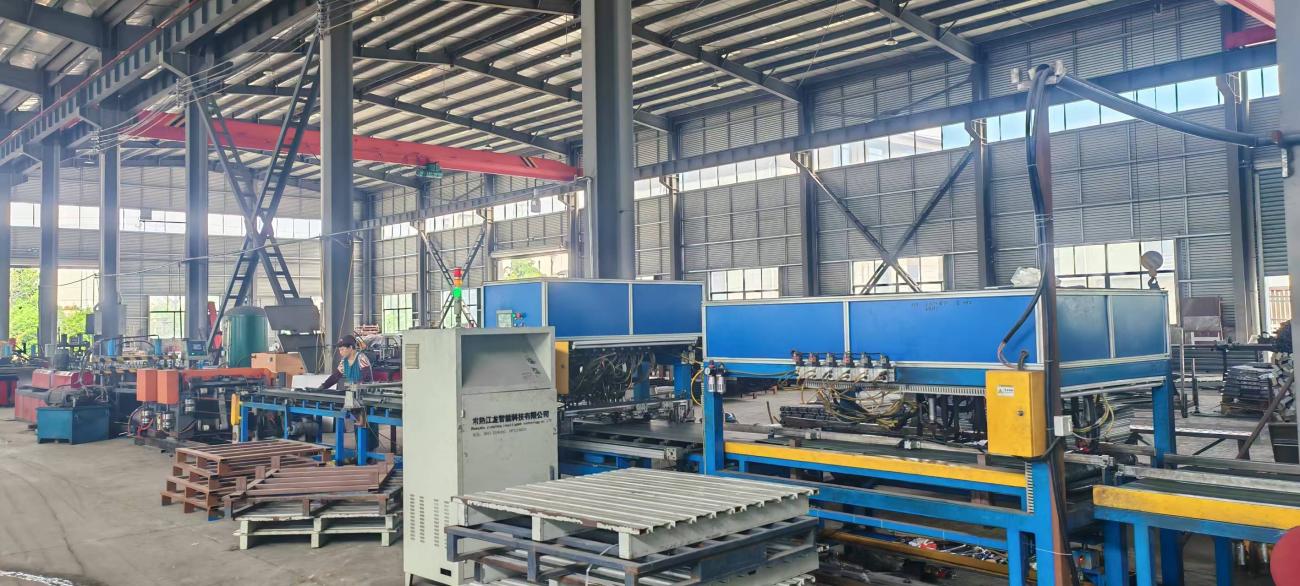
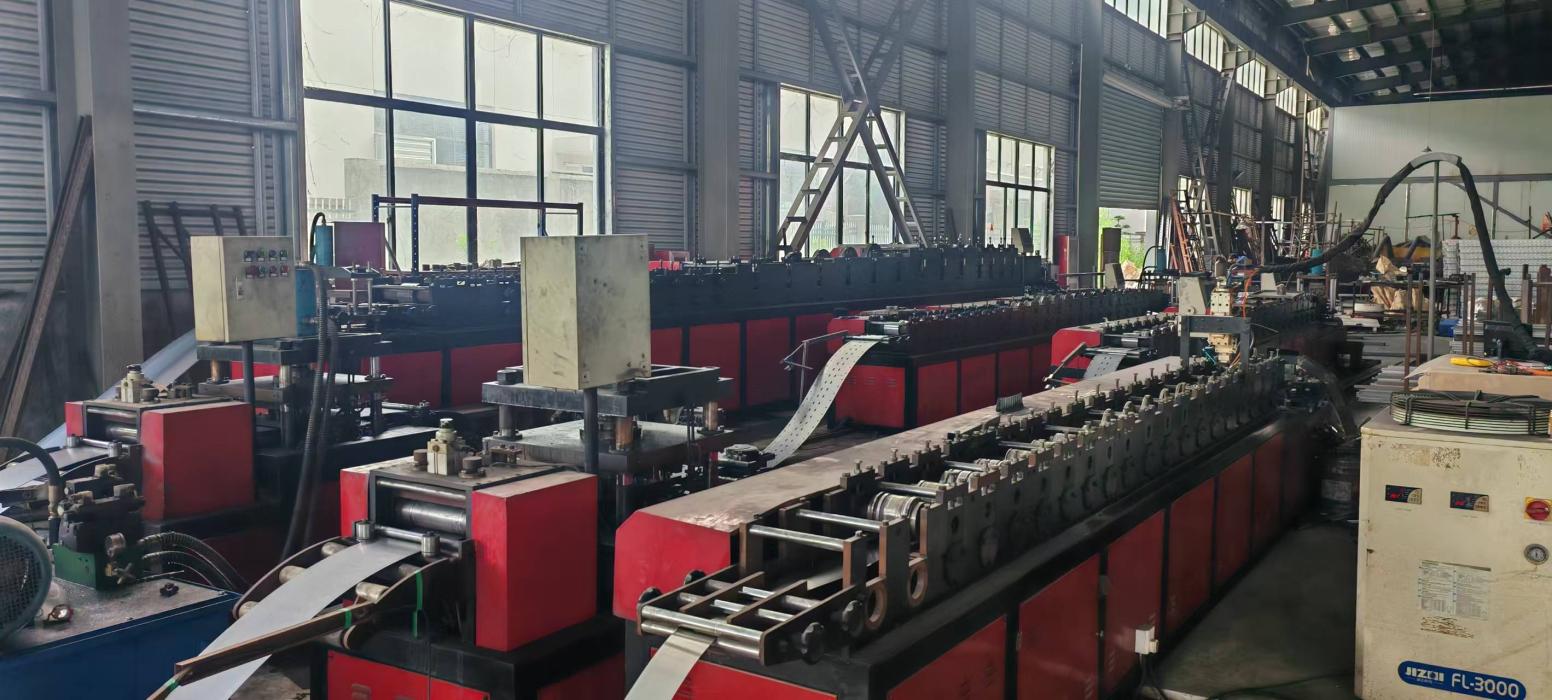
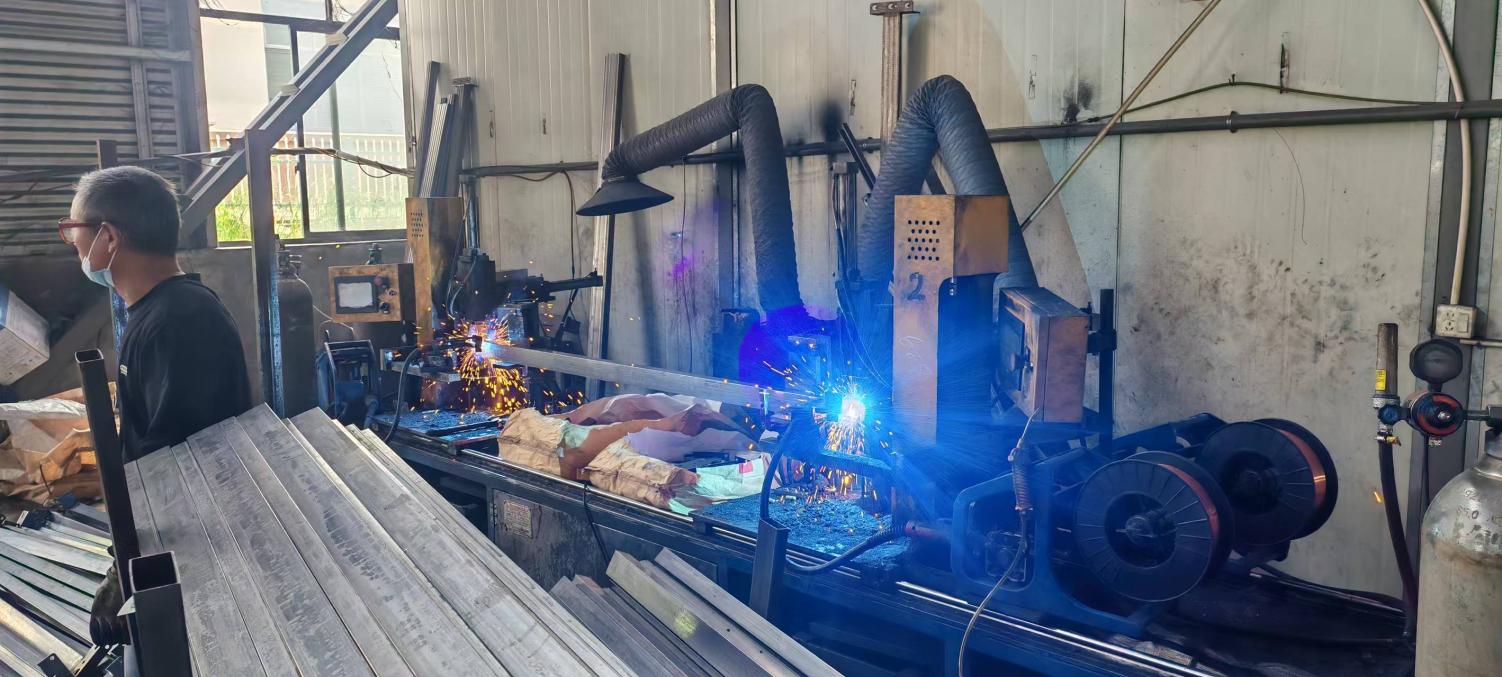
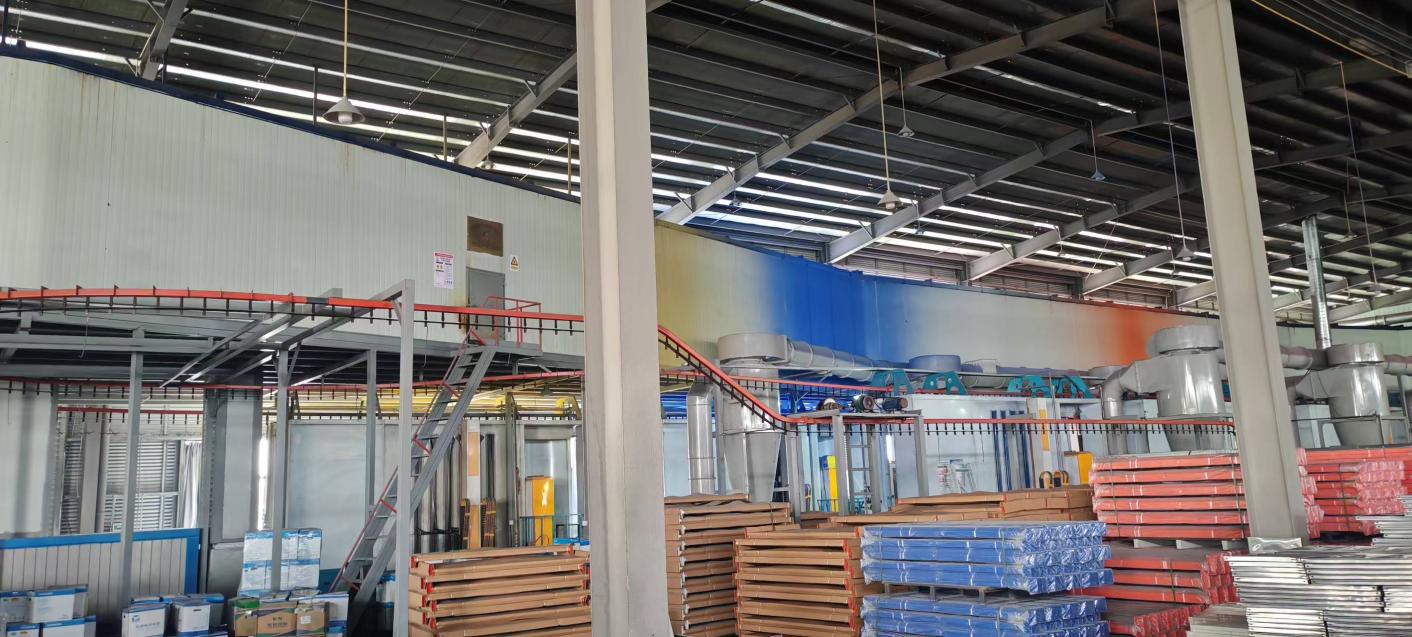
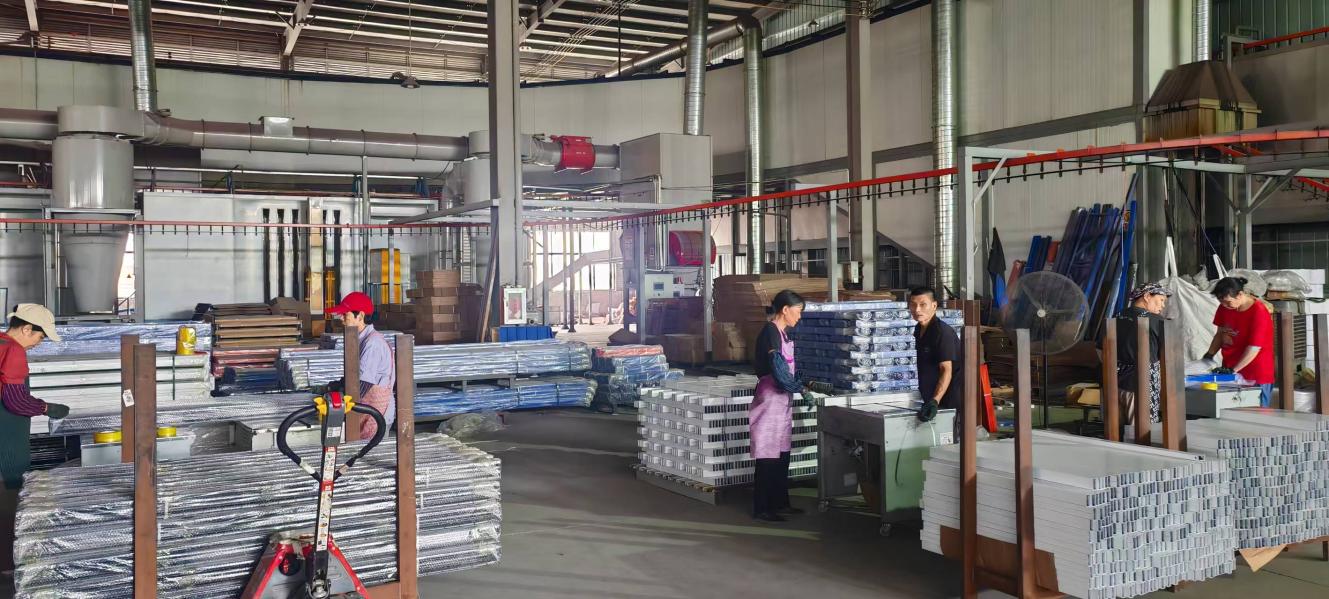
Integrating these phases allows us to maintain consistent engineering quality. Our QA/QC protocols check weld strength and coating thickness at every production step. This process helps ensure that when Guci racks are shipped to clients globally, they fit together correctly and provide the specified load capacities under real-world conditions.
Operational challenges vary by region. Different environments present distinct hazards, requiring customized racking configurations to ensure long-term durability:
Low temperatures reduce the ductility of carbon steel, increasing the risk of brittle fractures from impact forces. Guci's cold-chain solutions utilize specialty steel grades and durable galvanized coatings to maintain impact resistance in temperatures down to -30°C.
In seismic regions like Western North America or Latin America, storage systems must be engineered to withstand lateral forces. Guci custom-sizes base plates, frame bracing, and anchors to meet local structural codes, keeping storage assets stable.
High-velocity fulfillment hubs operate continuously, with material handling machinery moving constantly through narrow aisles. Our impact racking designs incorporate integrated base protectors and wear-resistant guide rails to minimize maintenance downtime.
Frequently asked technical questions regarding custom racking design, loading capacity, international standards, and OEM procurement.
Industrial solutions designed to improve workflow organization, item tracking, security, and facility productivity.
 GuciRack