Select Heavy-Duty Racking, Workspace Systems, and Multi-Functional Storage Configurations
Underpinning international logistics networks with structural steel innovations and rigid QA metrics
Established in 2015, Guci Storage Equipment (Suzhou) Co., Ltd. stands as a premier global OEM/ODM manufacturer specializing in heavy-duty warehouse racking, industrial storage cabinets, and highly integrated spatial structures. Benefiting from 11+ years of engineering mastery and 8+ years of dynamic global trade operations, we actively supply enterprise-scale deployments across North America, Europe, and Southeast Asia.
To enforce absolute compliance with global industrial safety and structural regulations, Guci Storage implements a rigorous, multi-tiered quality management system. Combining automated ultrasonic flaw detection, finite element analysis (FEA) testing for structural deflection, and real-time coating thickness inspections, our 25-person dedicated QA/QC division maintains conformance to both ISO9001:2015 and CE safety directives.
Innovation dictates our design and manufacturing operations. Backed by 18 R&D engineers, we execute rapid prototyping, modifying load limits, geometric clearances, seismic tolerances, and surface treatments to match strict site requirements. Over the last year, our team engineered 45 proprietary product profiles optimized for modern high-density material handling systems.
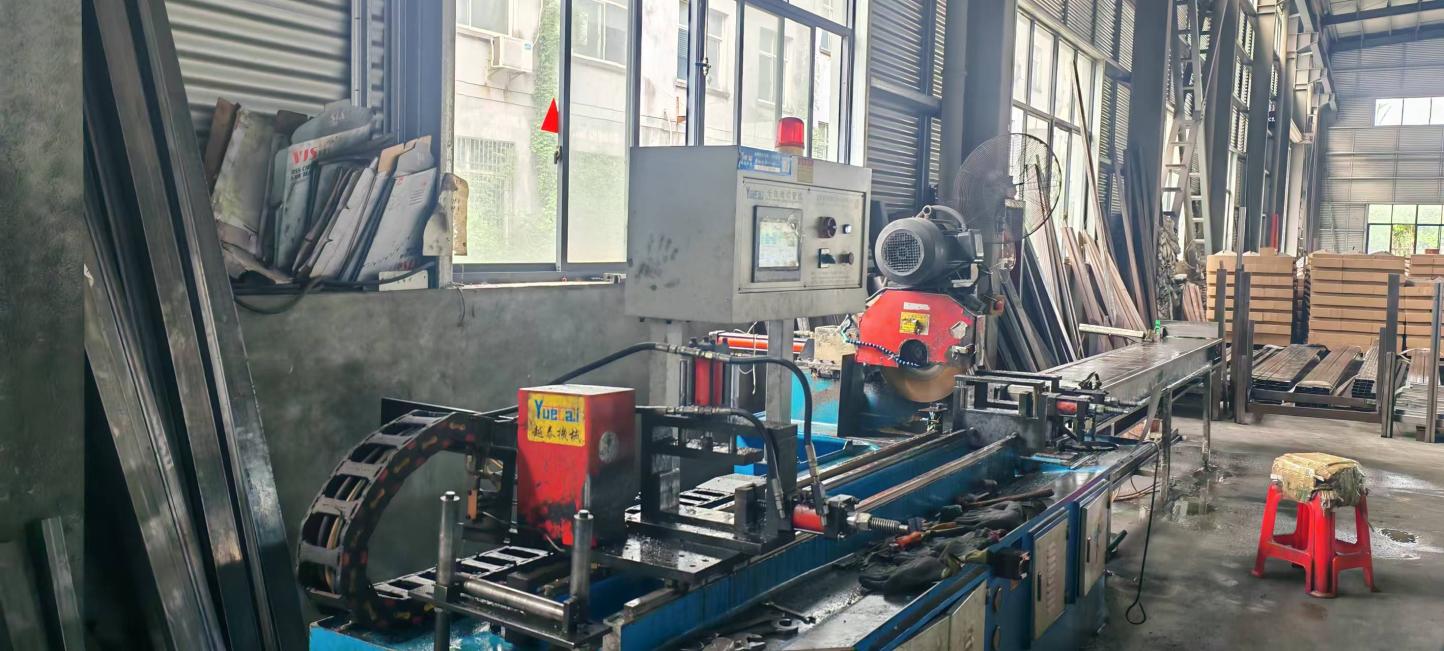
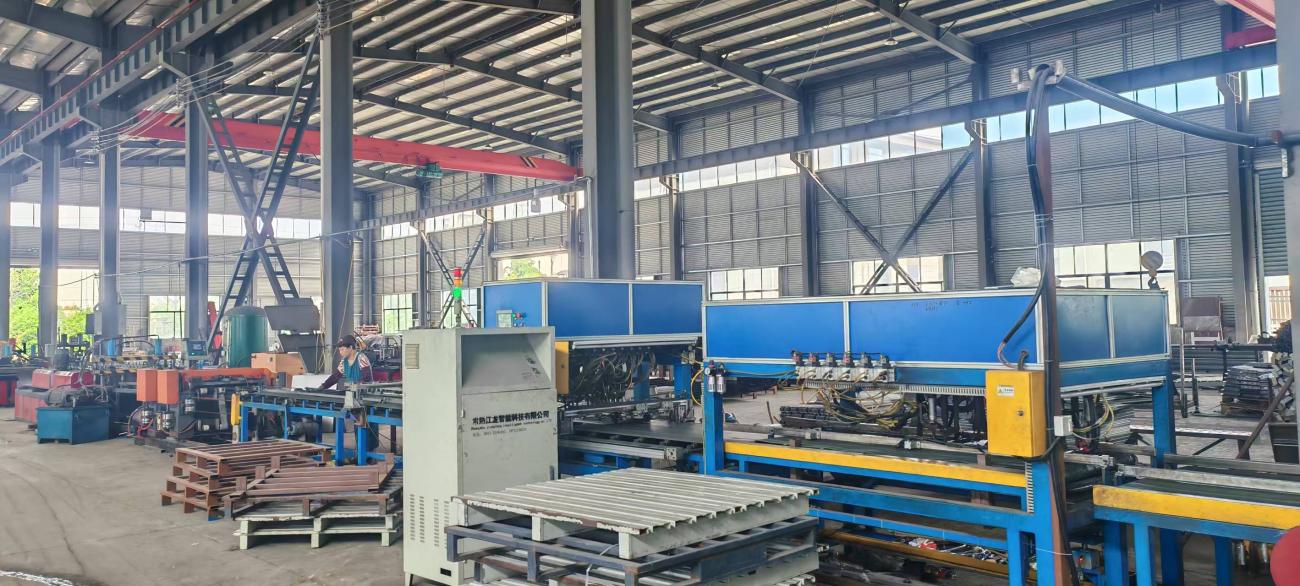
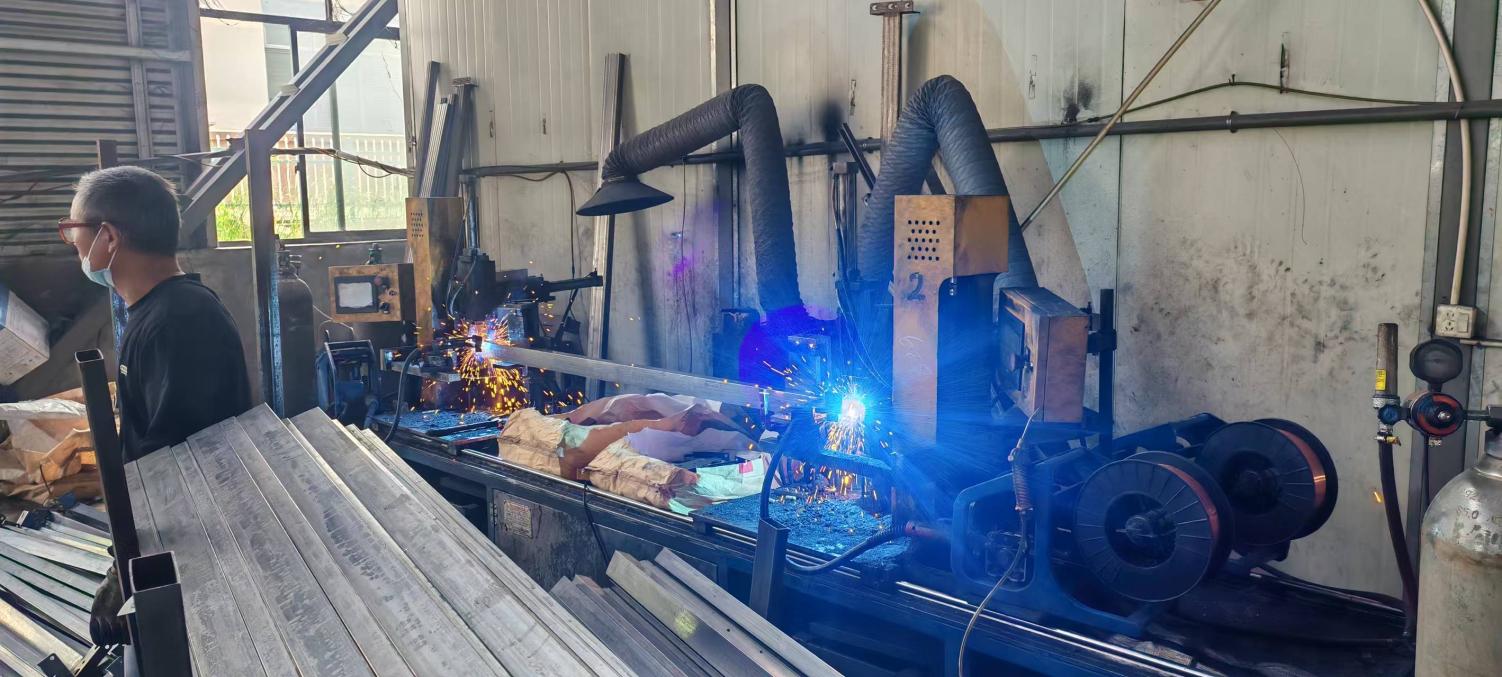
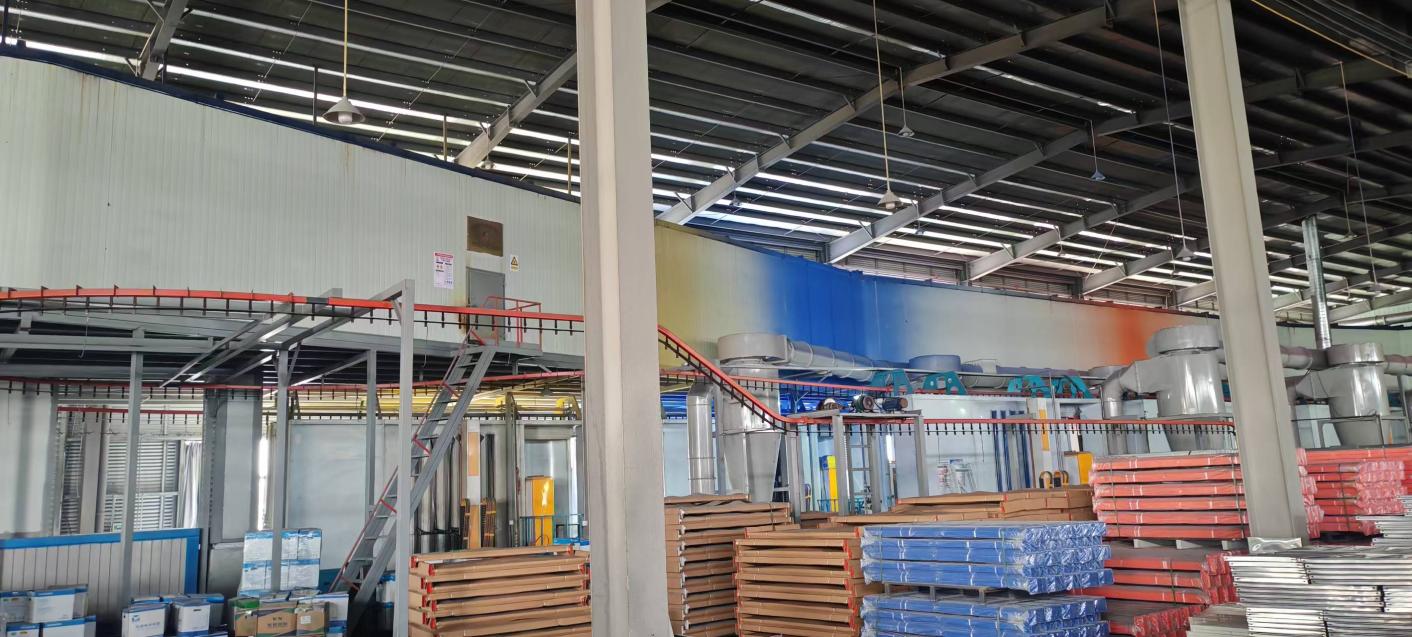
From raw steel coils to high-durability epoxy-powder finishes: our primary manufacturing systems
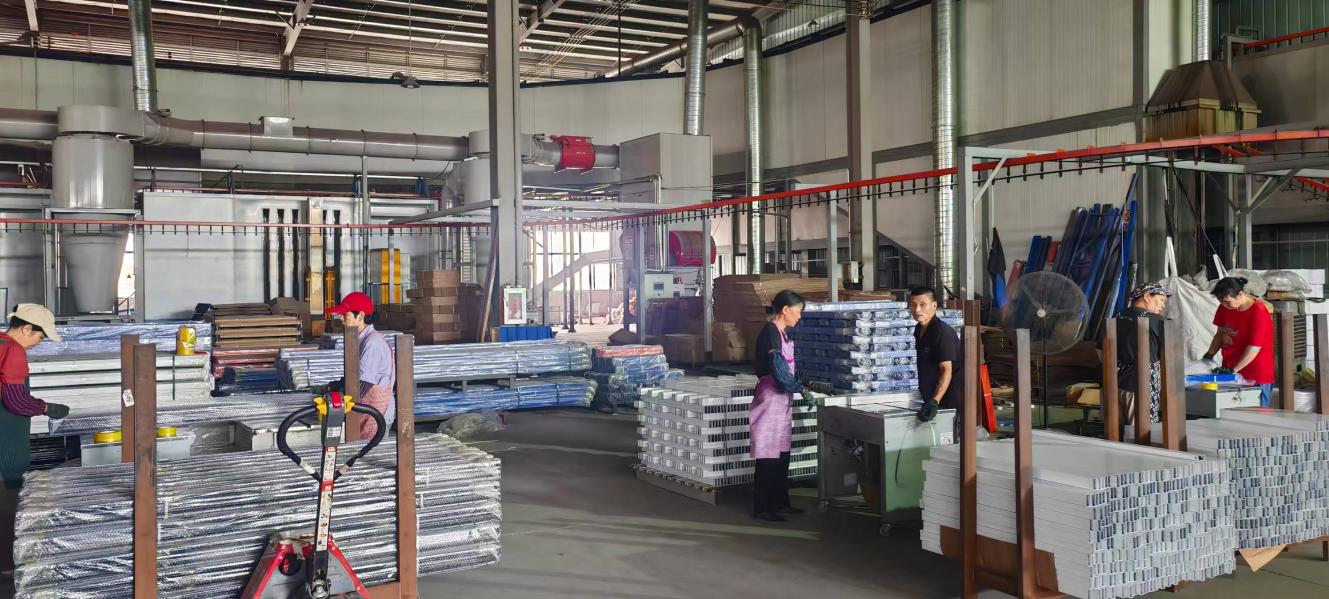
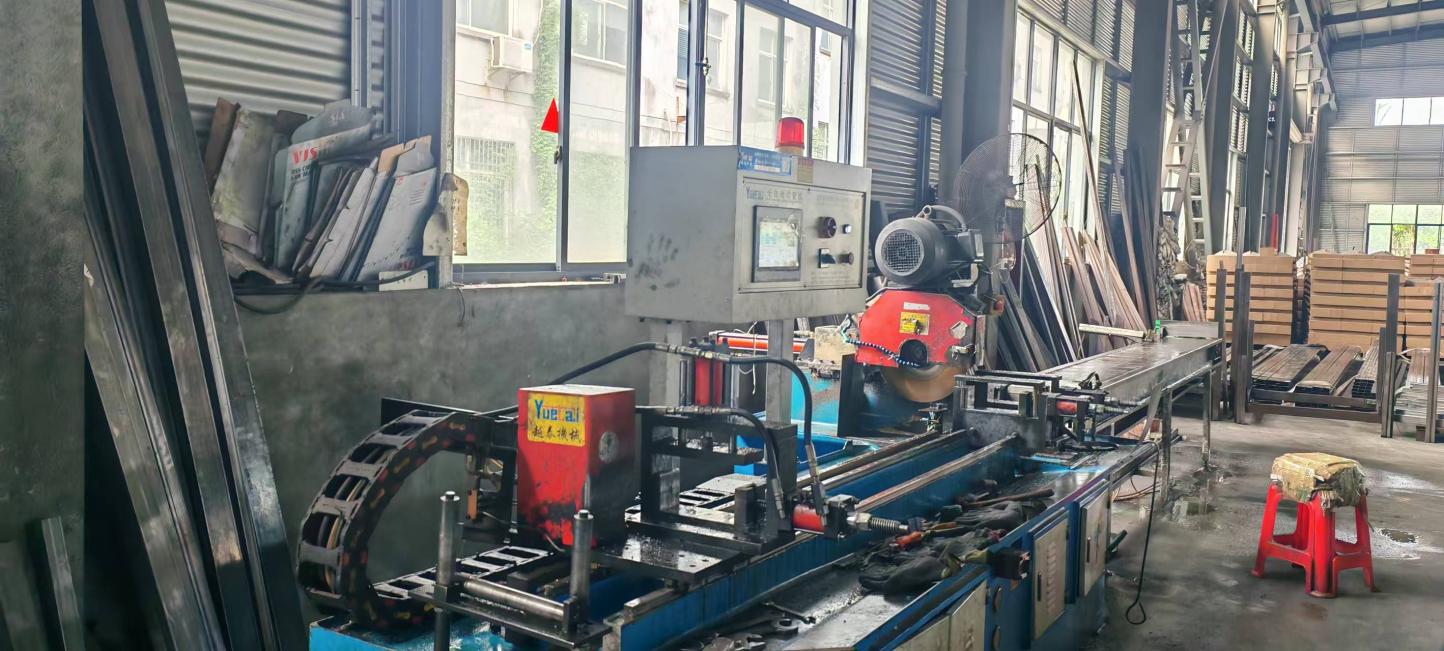
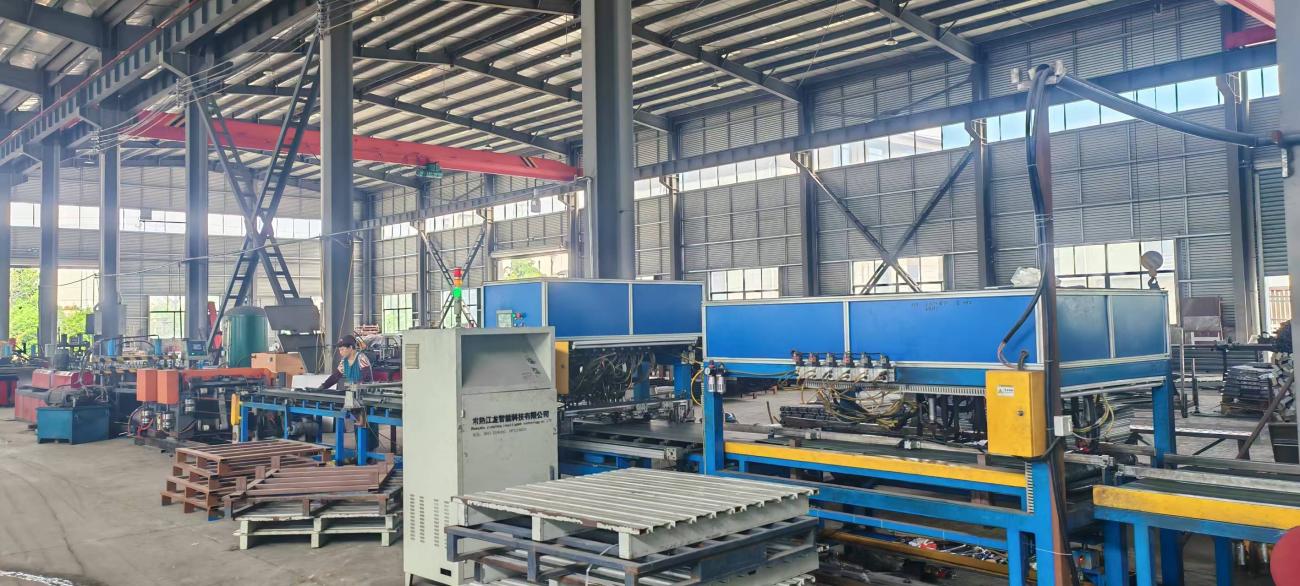
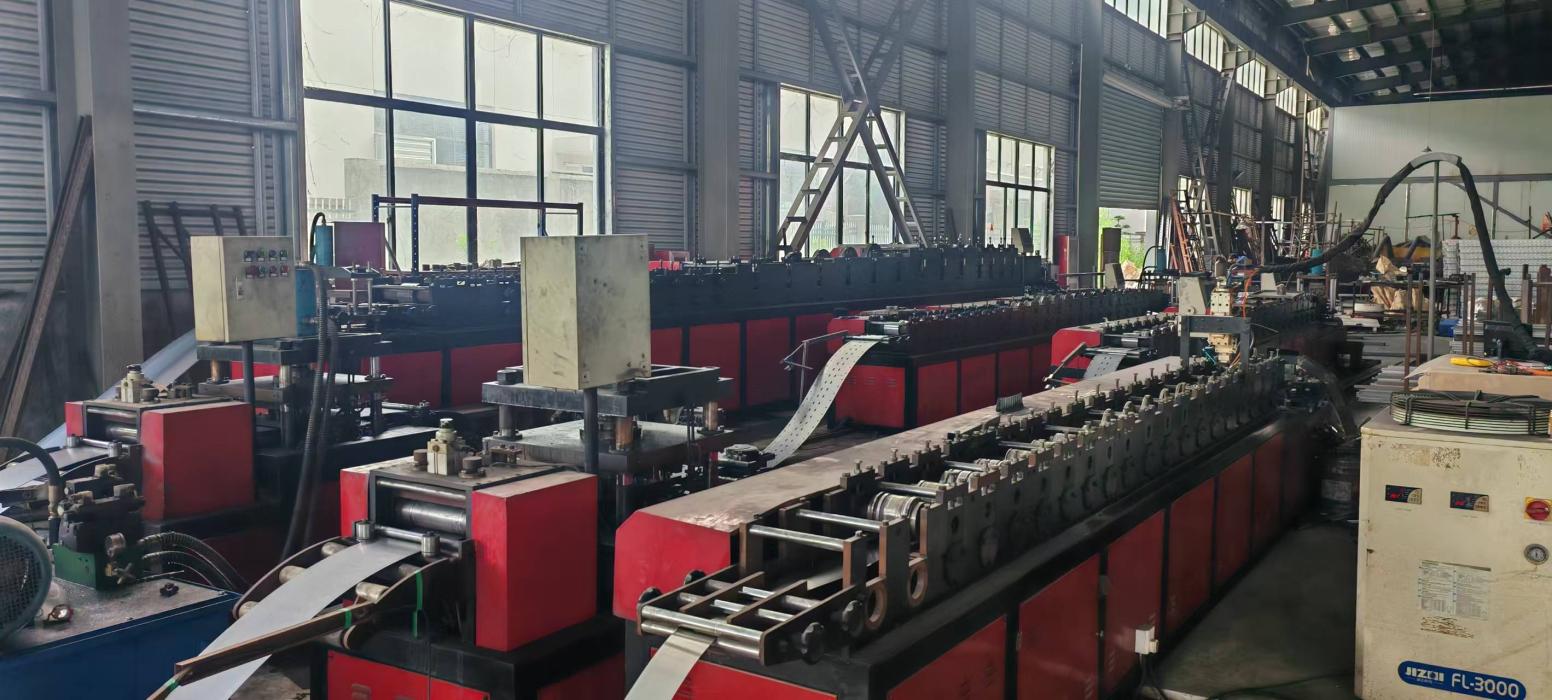
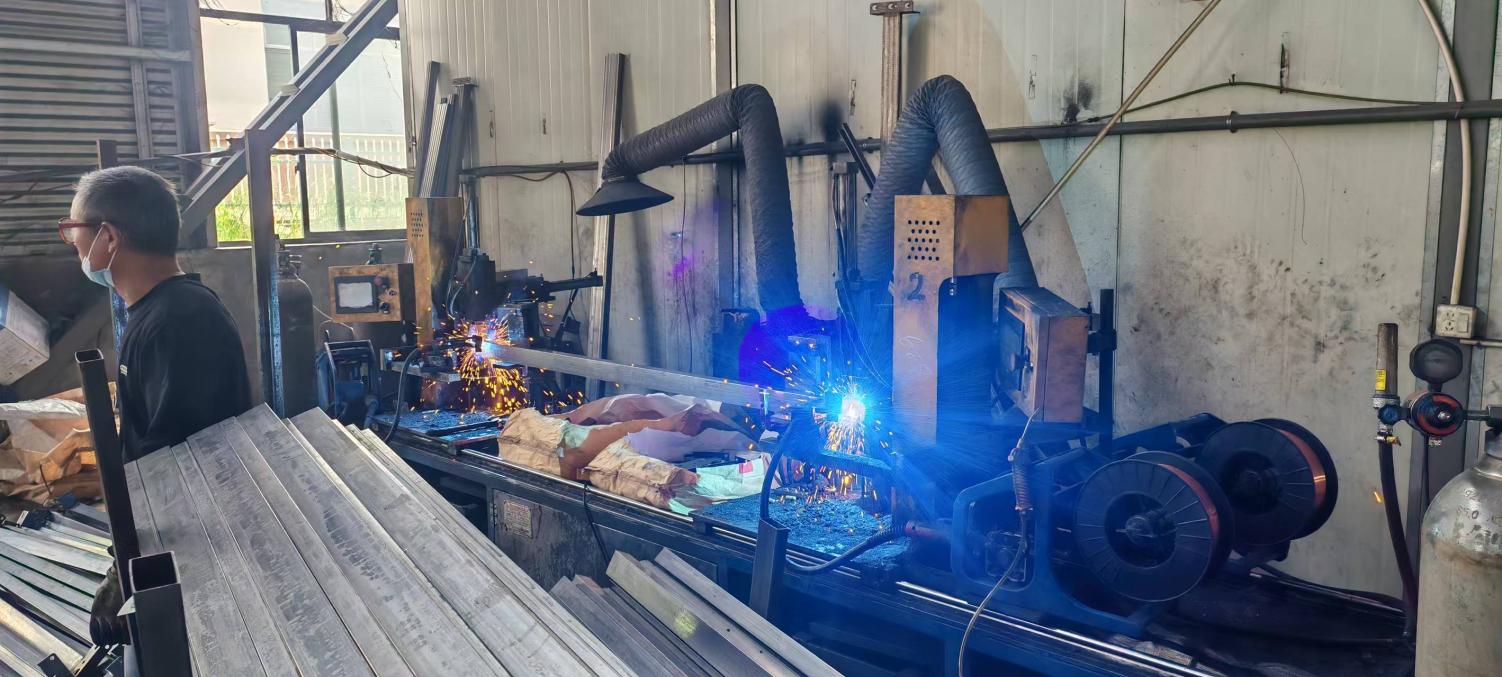
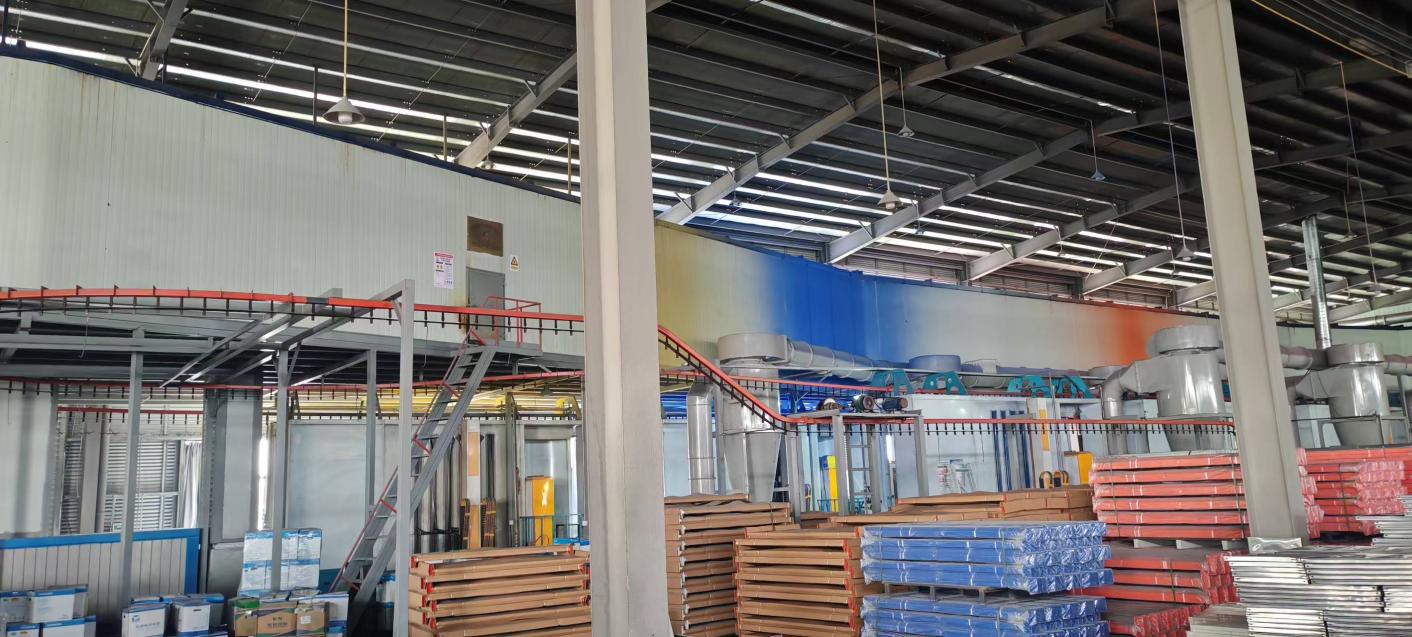
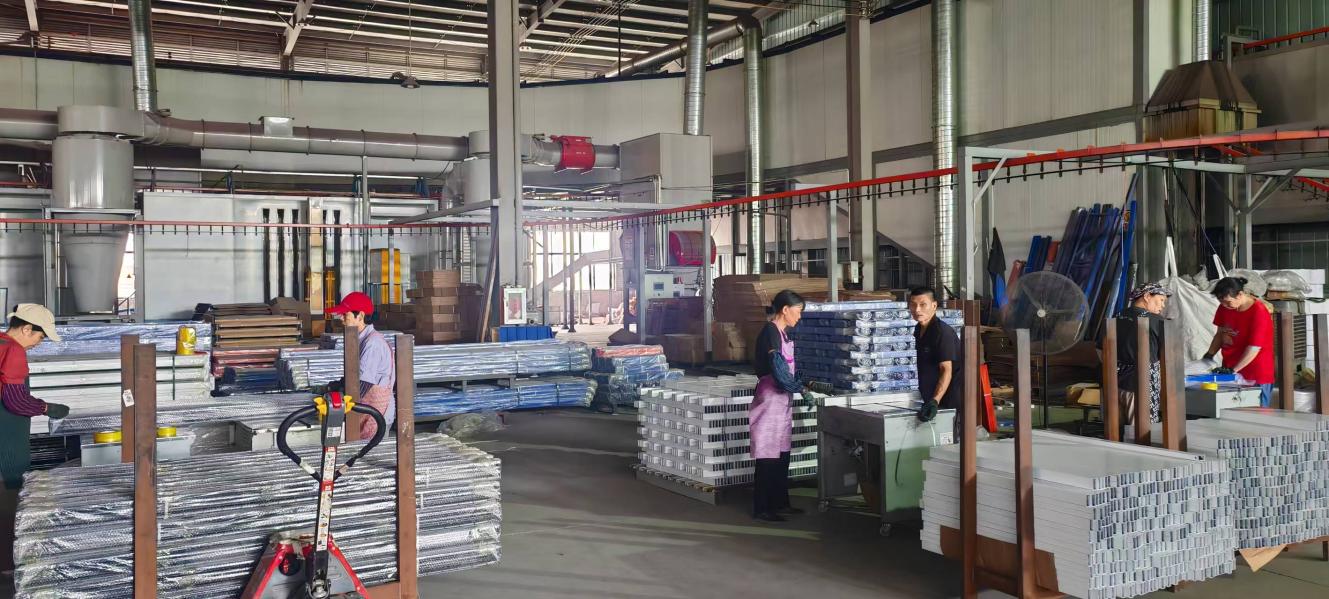
Why leading global distributors choose Chinese partners for ergonomic and heavy industrial racking systems
Leveraging direct integration with major regional mills allows us to source certified, structural carbon steel like Q235B and Q355B. This guarantees high yield strengths, excellent impact properties, and consistent mechanical behaviors under heavy load stress profiles.
By operating in Suzhou, the core of China's advanced manufacturing cluster, we utilize specialized precision machinery: high-speed multi-station cold roll forming lines, robotic welding arms, and CNC laser cutting grids. This ensures a low tolerance variance of ±0.2mm.
Through an extensive network of 800+ supply chain partners, we secure cost efficiencies on raw materials and specialized hardware accessories. Our proximity to major shipping ports in Shanghai and Ningbo ensures timely dispatch and flexible global logistics scheduling.
How modern material handling paradigms prioritize operator physical safety, automated accessibility, and visual management
Industrial warehousing is undergoing a fundamental shift away from pure volumetric storage toward integrated human-centric systems. Historically, racking systems were sized solely to maximize the cubic storage density of heavy cargo. In contrast, today's designs prioritize biomechanical optimization and worker safety to prevent musculoskeletal disorders (MSDs) and minimize operations downtime.
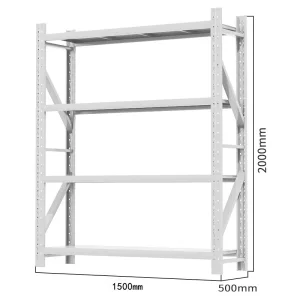
Modern logistics facilities require racking layouts that place heavy items and frequently accessed parts within the operator's primary reach zone. This limits overhead reaching, low bending, and awkward torso twisting. Adjustable racking levels allow operators to keep load weights closer to their body center, reducing spinal compression force by up to 40%.
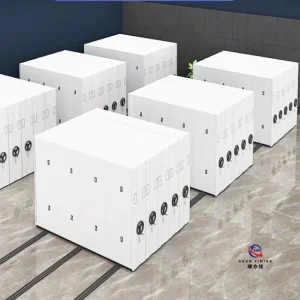
Integrating manual shelving units with mechanical roll-out drawers, gravity-fed flow tracks, and mobile carriage bases reduces the force needed to move heavy materials. High-density mobile filing systems, for example, use low-resistance geared mechanics to move tons of documents or tooling with minimal input force, protecting workers from repetitive strain injuries.
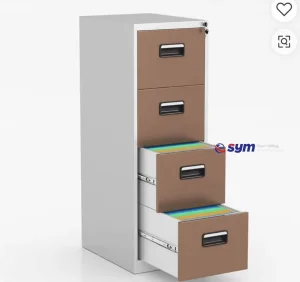
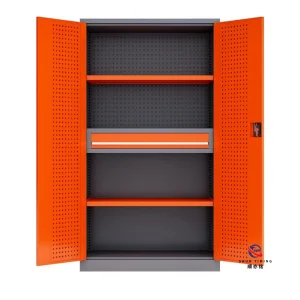
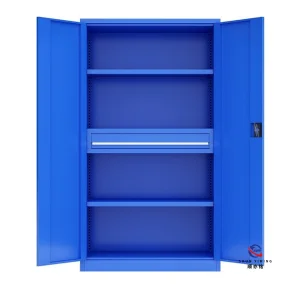
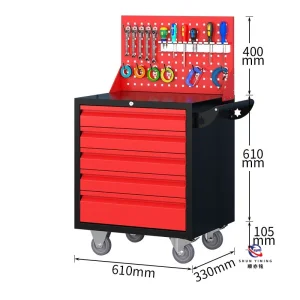
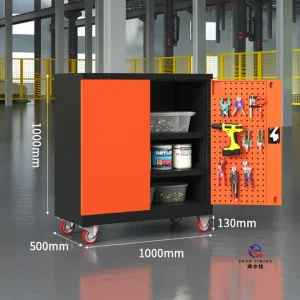
Ergonomics extends beyond posture to include sensory processing and workplace safety. Industrial tool cabinets now feature integrated pegboard organizers, custom foam drawer liners, and centralized lock systems. These features reduce visual clutter, save search time, and ensure heavy tools are stored securely to prevent accidental drops.
Engineered spatial systems mapped to specific industrial sectors, logistical demands, and regulatory environments
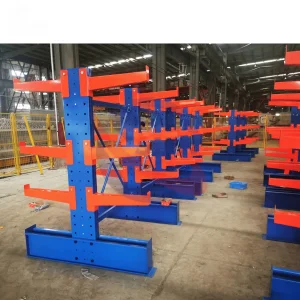
Problem: Standard static racking causes storage bottlenecks and limits retrieval accessibility for long, irregular items like steel tubing, lumber, or industrial tooling.
Solution: Custom Warehouse Cantilever Racking Systems paired with adjustable beam heights. These open layouts accommodate long loads while eliminating the front column barrier, streamlining forklift access and reducing operator fatigue.
Problem: Scattered hand tools, high maintenance downtime, and safety risks from falling equipment in active maintenance areas.
Solution: Industrial-grade Steel Tool Cabinets with Pegboard Doors and mobile tool trolleys. Incorporating anti-tip single-drawer opening mechanisms, heavy-duty ball-bearing slides, and lockable caster systems keeps tooling accessible directly at the work cell.
Problem: Large volumes of physical records consuming high-value corporate floor space and compromising document confidentiality.
Solution: High-density Industrial Mechanical Mobile Shelving Systems. Compacting multiple aisles into a single movable aisle doubles storage density while maintaining security with mechanical locks or RFID access controls.
Technical guidelines to evaluate structural integrity, durability, and supplier compliance
When sourcing industrial and ergonomic racking systems, global buyers must look beyond purchase price and analyze long-term total cost of ownership (TCO). High-performance storage infrastructure must support target loads over extended life cycles while maintaining safety for nearby personnel.
Key questions and answers regarding product customization, safety compliance, and OEM/ODM workflows
We manufacture using high-tensile Q235B and Q355B structural carbon steel sourced from leading domestic steel mills. Each batch includes material test reports (MTR) verifying chemical composition and mechanical properties like yield and tensile strength.
We combine Finite Element Analysis (FEA) modeling during the engineering phase with physical stress testing. Racks are loaded past nominal capacity to verify safety margins and ensure structural deflection meets FEM and RMI parameters.
Yes. Supported by 18 R&D engineers, we customize profiles, dimensions, frame gauges, load ratings, and paint finishes. We can work directly from your architectural layouts, CAD models, or performance specifications.
Our manufacturing systems and product lines comply with ISO9001:2015 quality management standards and CE safety requirements. We can also adapt designs to meet specific local codes, such as EN 15635 or OSHA regulations.
Standard custom configurations generally ship within 20 to 30 days after drawing approval and deposit receipt. Lead times vary depending on overall system complexity, material thickness requirements, and production capacity at the time of ordering.
Racking components are bundled with steel strapping, wrapped in protective stretch film, and fitted with heavy corner guards. Smaller hardware accessories and fasteners ship in reinforced, labeled crates to prevent loss or damage during transit.
Standard industrial concrete slabs are usually sufficient, but they must be level to within ±2mm over any 2-meter span. For uneven floors, we provide leveling plates and shims to ensure the tracking channels sit perfectly flat.
For high-humidity or cold-storage environments, we offer hot-dip galvanized finishes (HDG) or specialized zinc-rich primers underneath the standard polyester powder coat. This double-layer coating provides superior rust protection.
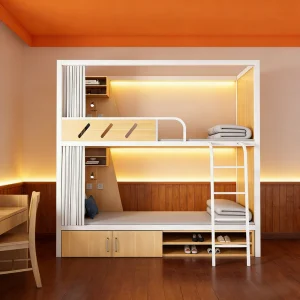
Explore our line of heavy-duty tool storage cabinets, mobile compactors, and modern dormitory bedroom systems
 GuciRack