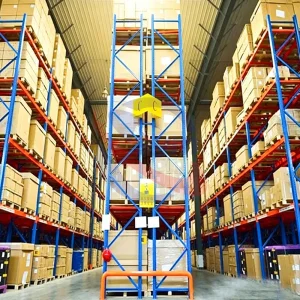
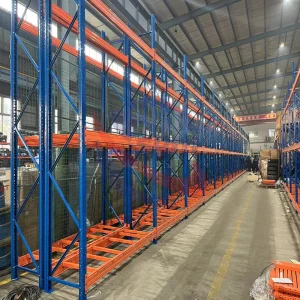
The global warehousing and logistics ecosystem is undergoing a major structural evolution. Modern distribution facilities, automated fulfillment hubs, and manufacturing storage hubs are scaling vertically to optimize floor-space economics. Within this dynamic environment, heavy load racking systems act as the primary load-bearing infrastructure. No longer treated as passive metal shelving, these systems are now engineered components integrated with building dynamics, material handling equipment (MHE), and advanced Warehouse Management Systems (WMS).
B2B importers, supply chain consultants, and engineering heads are facing strict challenges when selecting heavy load racking factories. Requirements have expanded from standard weight-bearing capacity to encompass steel grade chemistry, seismic resilience, structural deformation safety factors, and coating durability. Globally, industrial facilities are seeking high-reliability partners capable of delivering customized OEM and ODM components that integrate directly with automated crane systems (AS/RS), shuttle lines, and reach trucks.
SEO Insight & Intent Core: Sourcing heavy-duty pallet racks requires high expertise. Under Google’s E-E-A-T guidelines, safety, material composition, structural calculations (FEM, RMI standards), and manufacturing technology are critical factors. General specifications are no longer sufficient; global procurements require certified structural durability and factory compliance.
Geographically, regions like North America, Western Europe, and Southeast Asia are experiencing distinct infrastructure demands. In North America, the rapid rise of 3PL providers demands flexible, high-density selective pallet racking designed to support diverse pallet load sizes. Western Europe focuses heavily on high sustainability and compliance with EN standards, preferring low-carbon footprint cold-rolled steel and eco-friendly powder coating technologies. Meanwhile, the rapid industrialization of Southeast Asia calls for cost-efficient, heavy-duty shelving capable of enduring hot and humid tropical climates without structural degradation.
Established in 2015, Guci Storage Equipment (Suzhou) Co., Ltd. is a leading B2B manufacturer specializing in heavy-duty warehouse racking and industrial storage solutions. Spanning a modern manufacturing facility of 35,000 m², the company brings over 11 years of deep industry expertise and 8 years of global trade experience, serving client bases across North America, Europe, and Southeast Asia with an annual export revenue reaching $18 million.
Backbone by a strong trade background and an extensive network of over 800 supply chain partners, we primarily serve enterprise clients, including third-party logistics (3PL) providers, global distributors, mega e-commerce fulfillment centers, and large-scale industrial plants.
To maintain superior product standards, Guci Storage enforces a rigorous quality management process—combining ultrasonic flaw detection, load-capacity stress testing, and surface coating thickness inspections. Our dedicated quality control team of 25 QA/QC professionals ensures every rack system complies with international safety standards such as ISO9001 and CE.
Every batch of raw structural steel (typically high-strength Q235B or Q355B grades) undergoes mechanical testing prior to roll forming. Deflection limits are calculated under full static load conditions to guarantee that structural deflection values do not exceed 1/200th of the clear span, adhering strictly to FEM 10.2.02 and RMI standards. Our quality protocols include:
Our structures conform to international standards, providing B2B buyers with documented safety margins and compliance records required by local building authorities.
Every steel coil utilized in our cold-roll forming line is traceable to the original steel mill test certificate (MTC), ensuring reliable yield and tensile strength properties.
Innovation drives our success. Supported by a skilled team of 18 R&D engineers, Guci Storage offers comprehensive OEM/ODM customization options, tailoring load capacity, dimensions, structural layouts, and surface finishes to meet specific site requirements. In the past year alone, our team successfully launched 45 new product designs to optimize modern high-density warehouse efficiency.
We use Finite Element Analysis (FEA) software to simulate local buckling, seismic responses, and load distributions under customized racking configurations before physical prototypes are manufactured.
Options range from electrostatic epoxy powder coating (available in custom RAL colors) to hot-dip galvanized finishes designed for high-humidity environments and cold-storage operations.
We engineer customized interlocking beam connectors with variable hook configurations (3-hook, 4-hook, or 5-hook) to align with specific safety parameters and load limits.
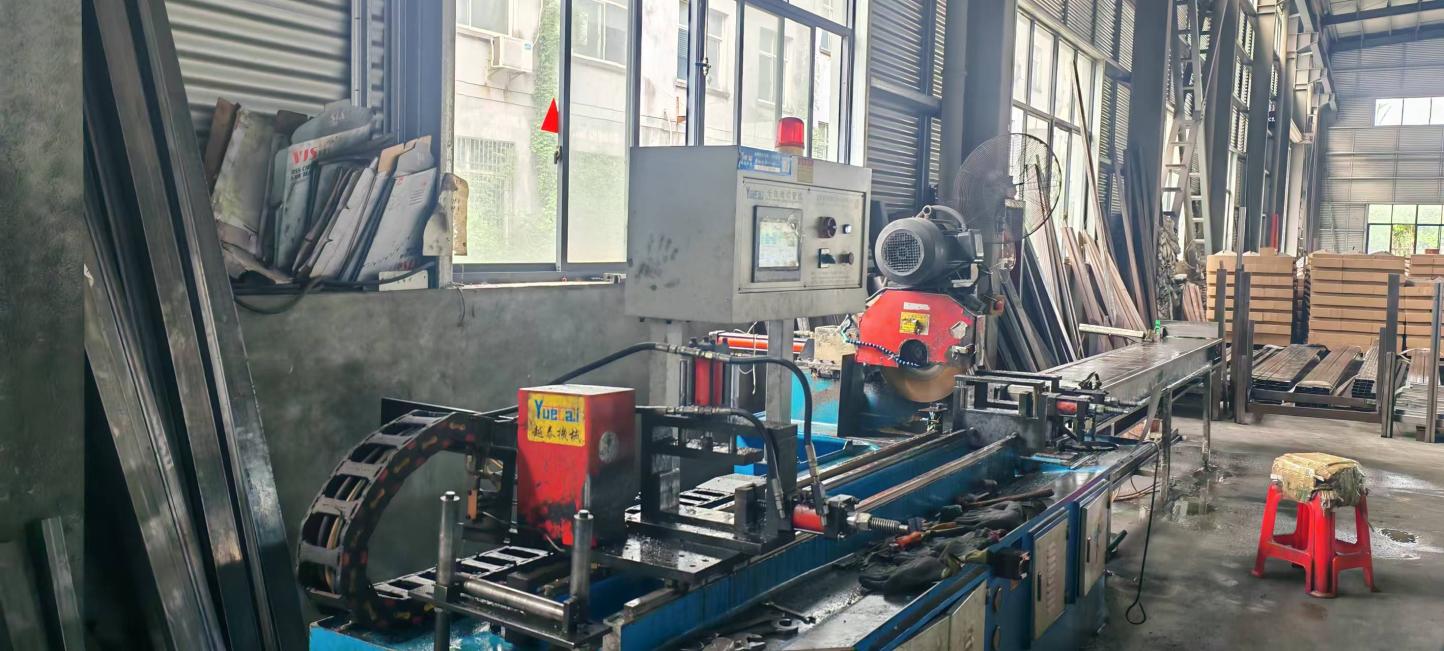
1. Cutting
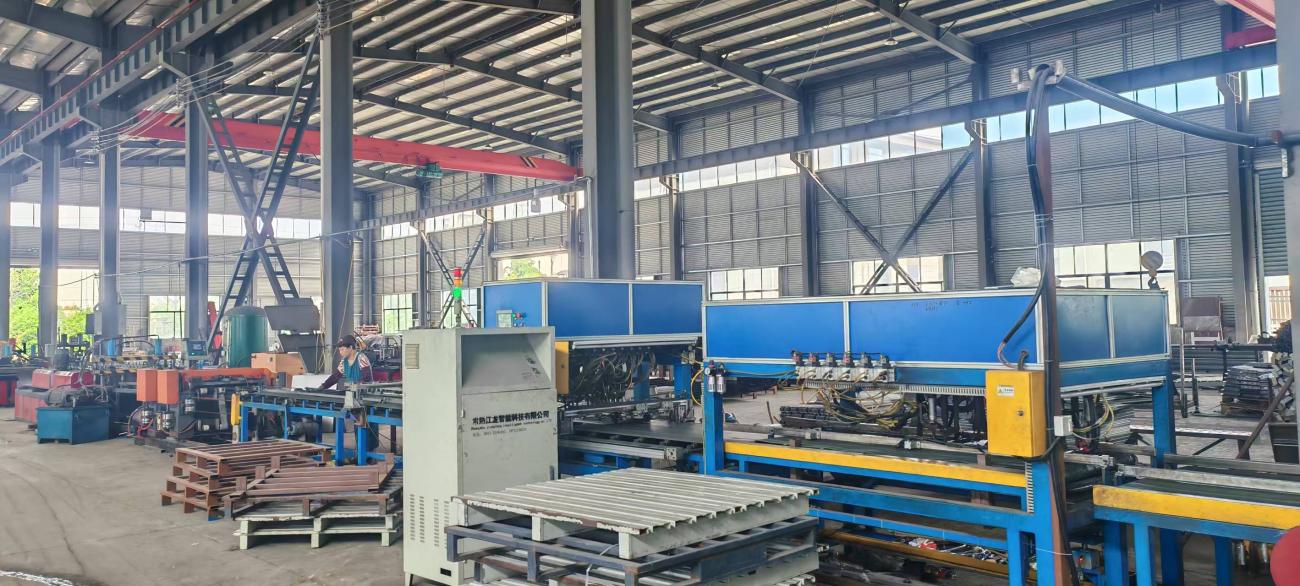
2. Forming
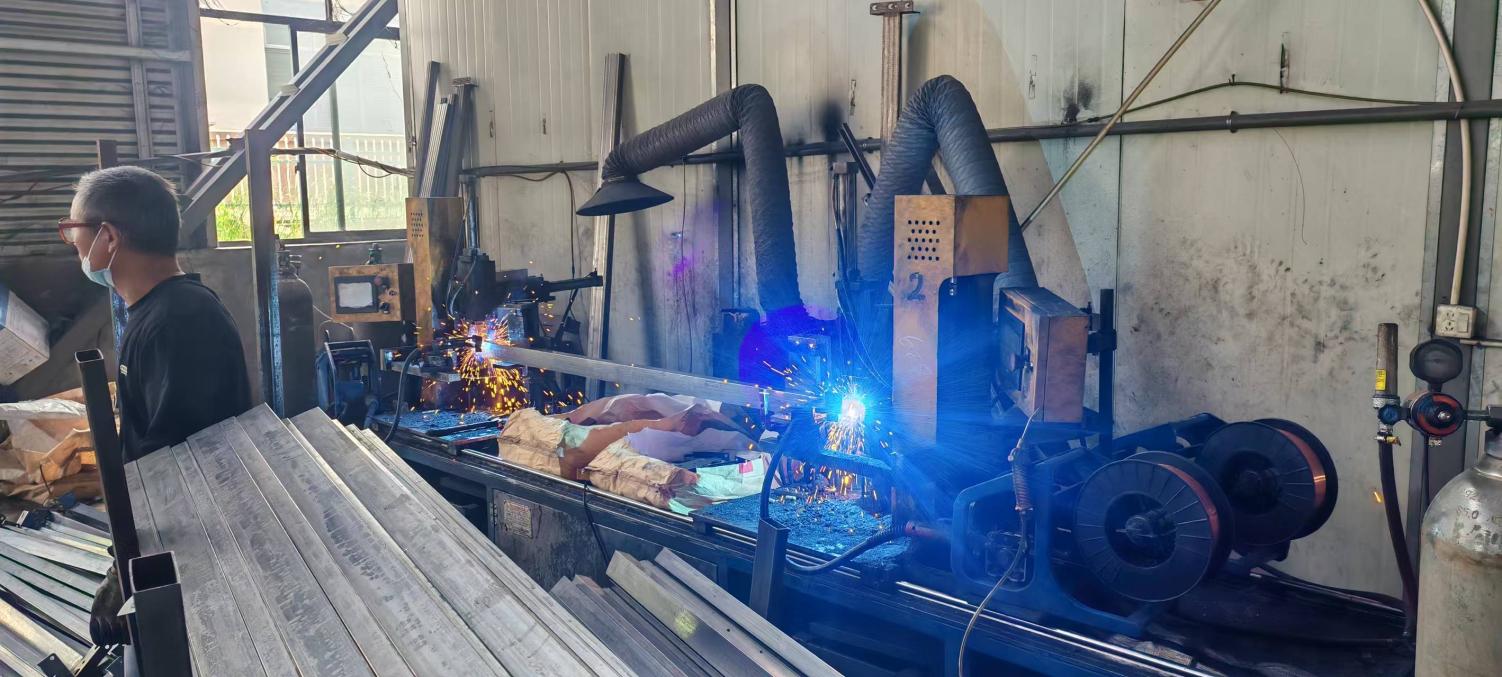
3. Welding
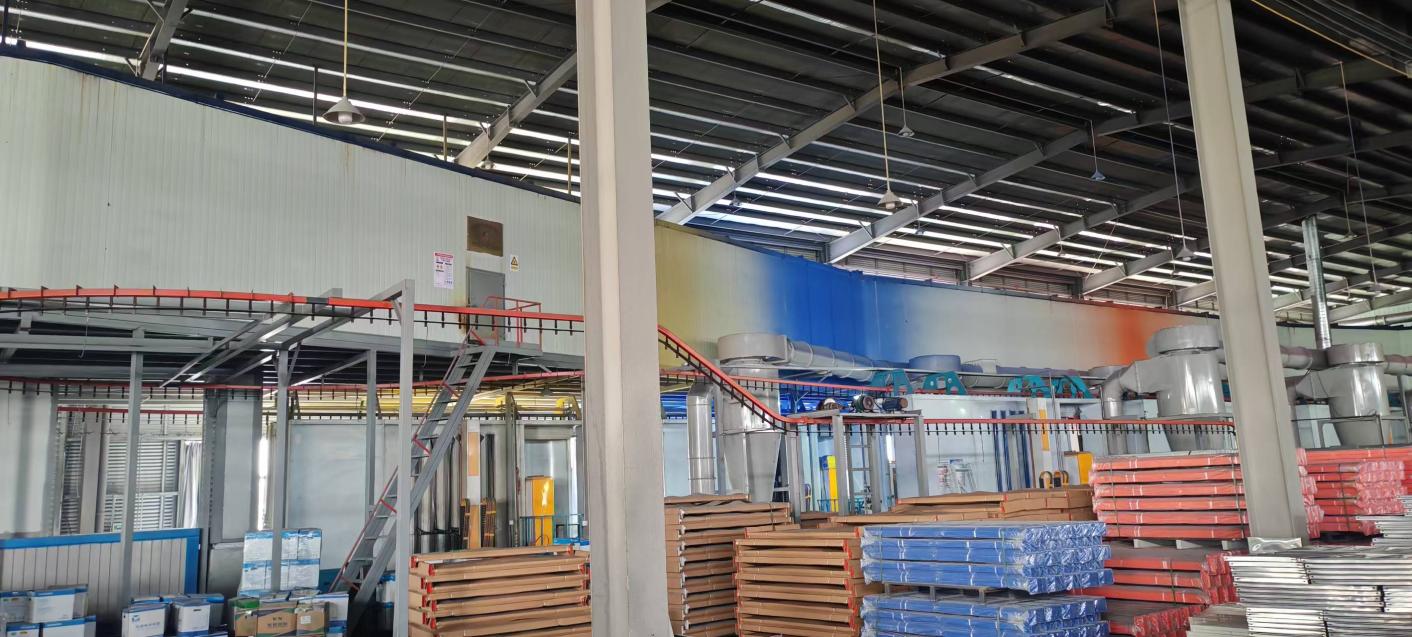
4. Spraying
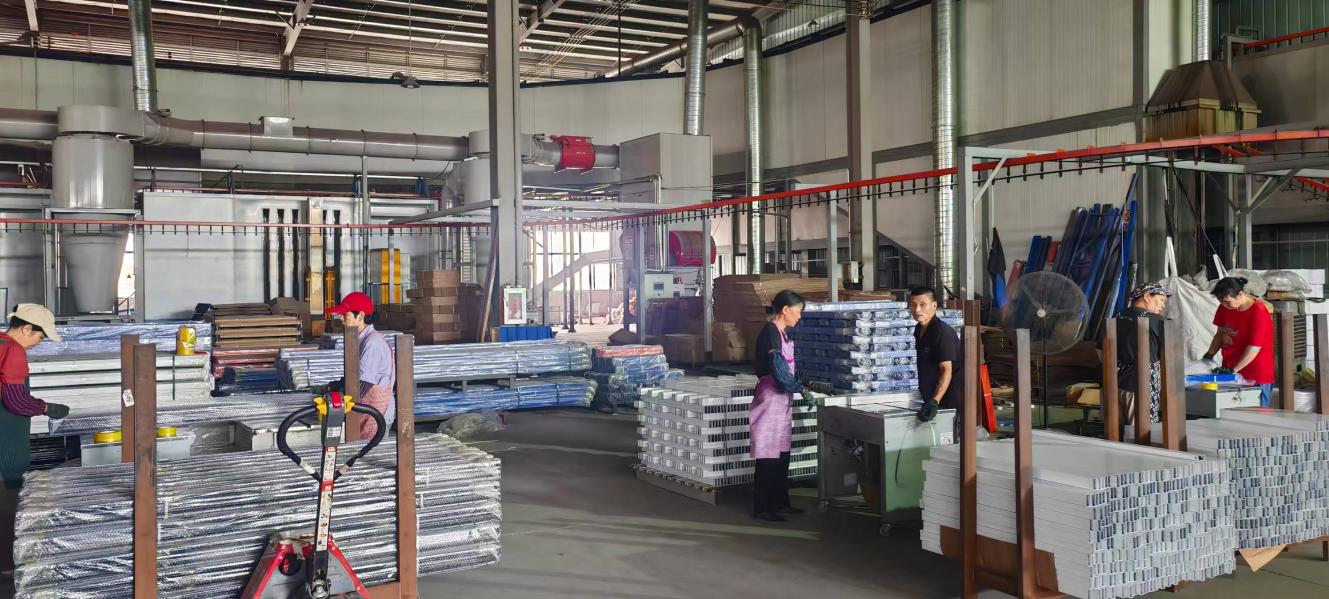
5. Packing
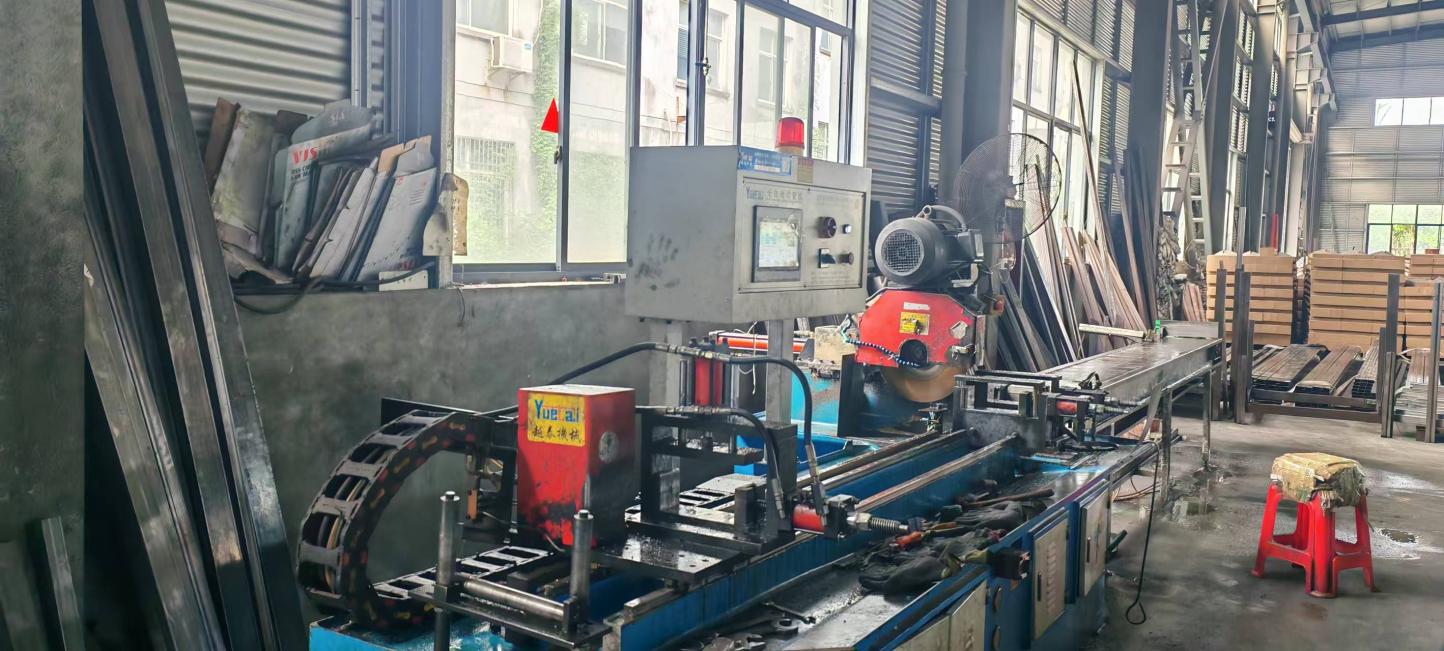
Cutting Machine
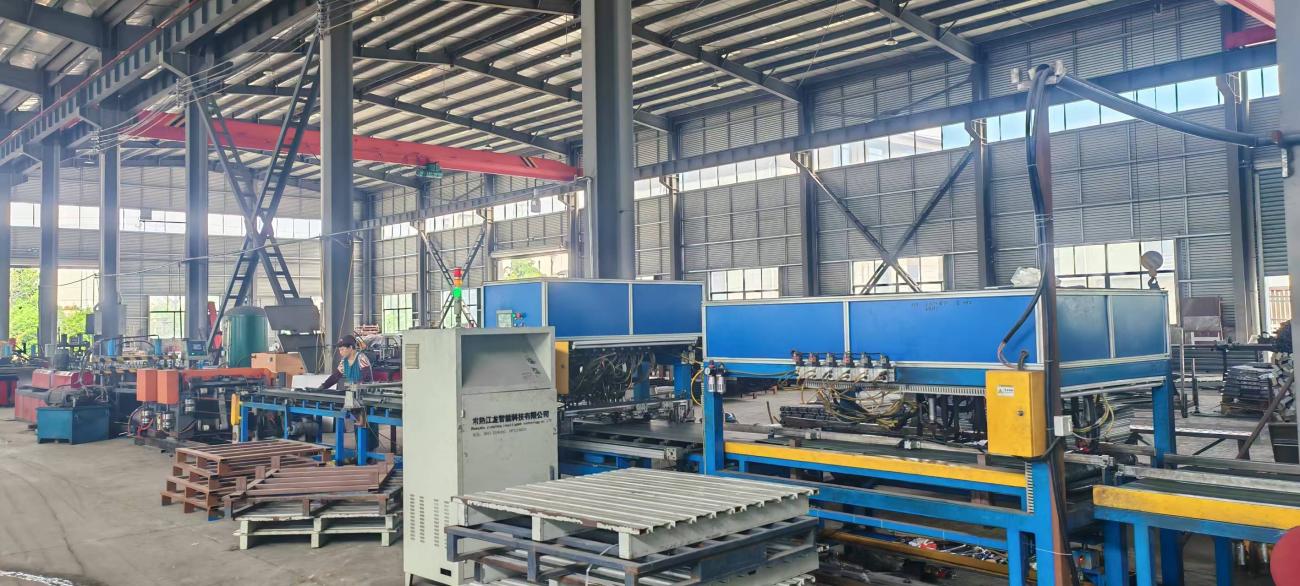
Forming Line 1
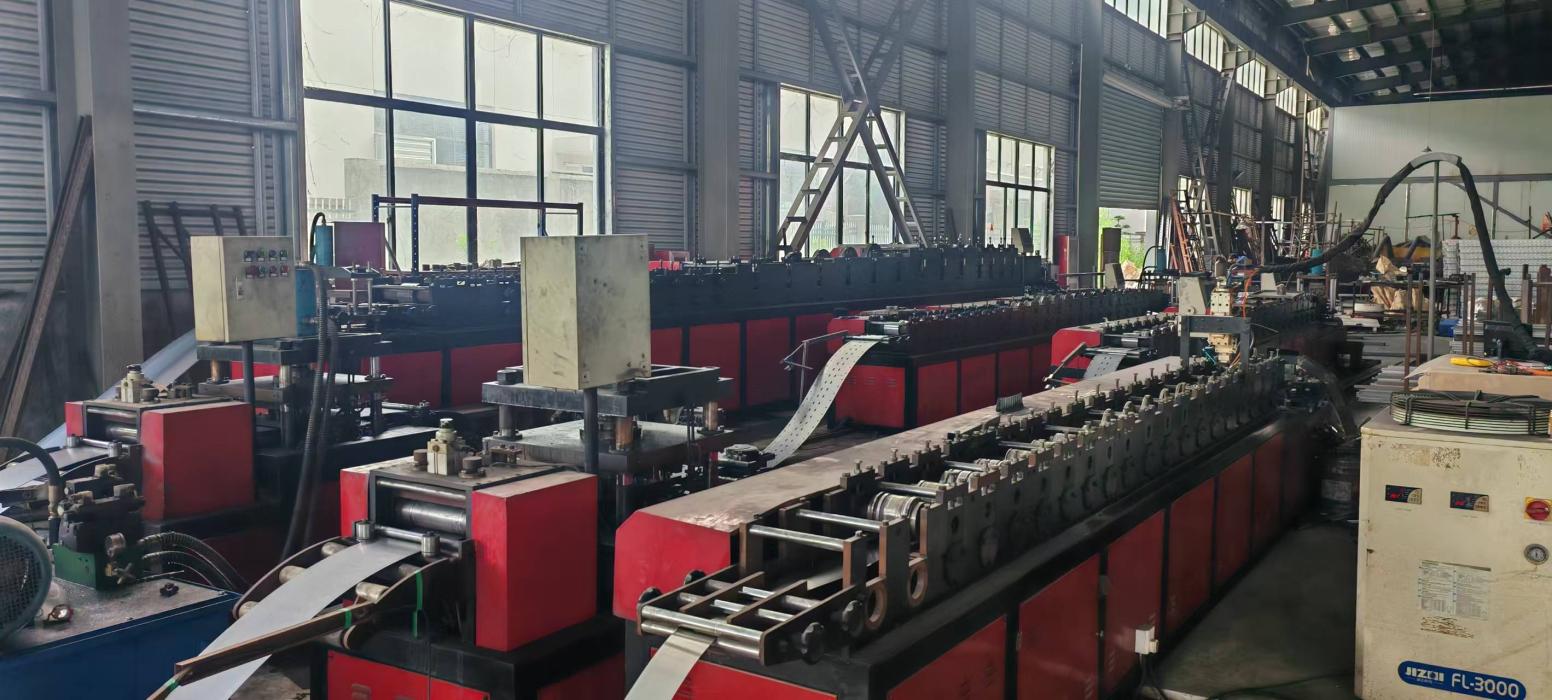
Forming Line 2
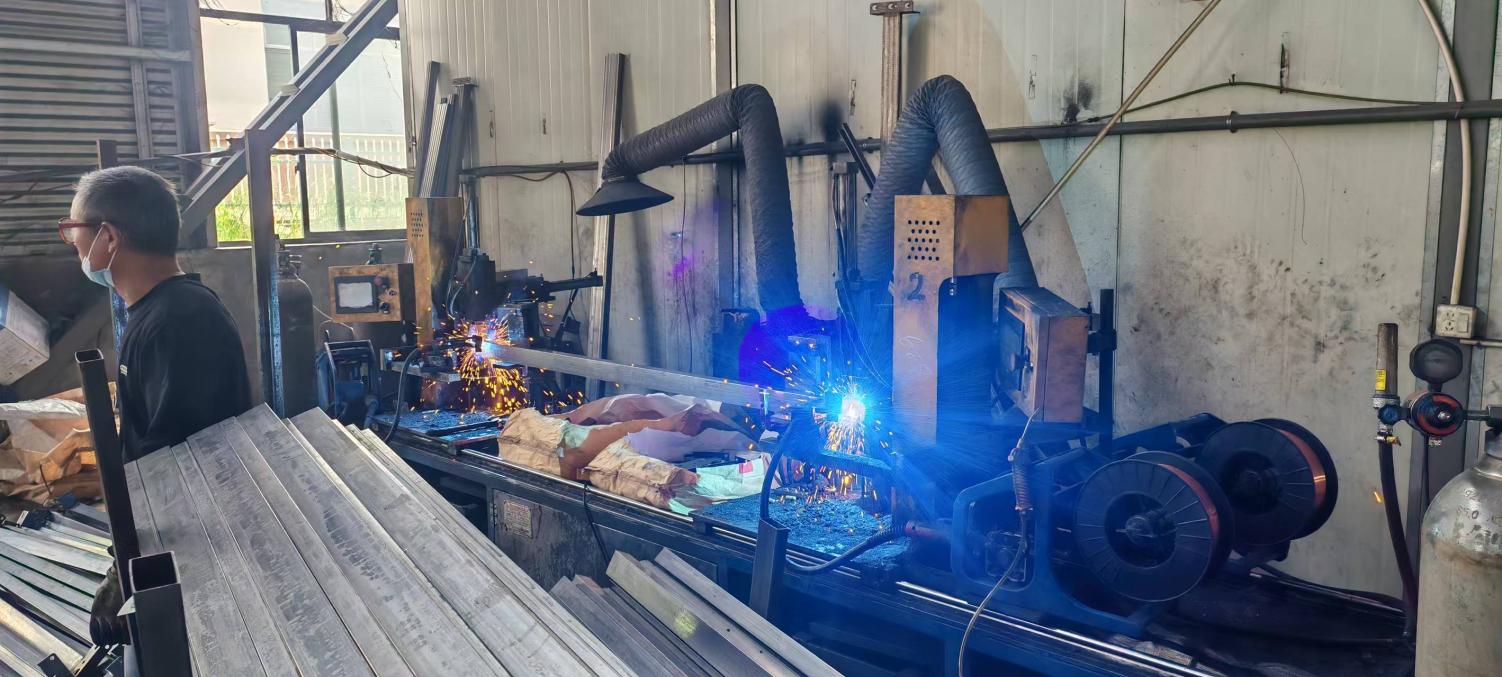
Welding Machine
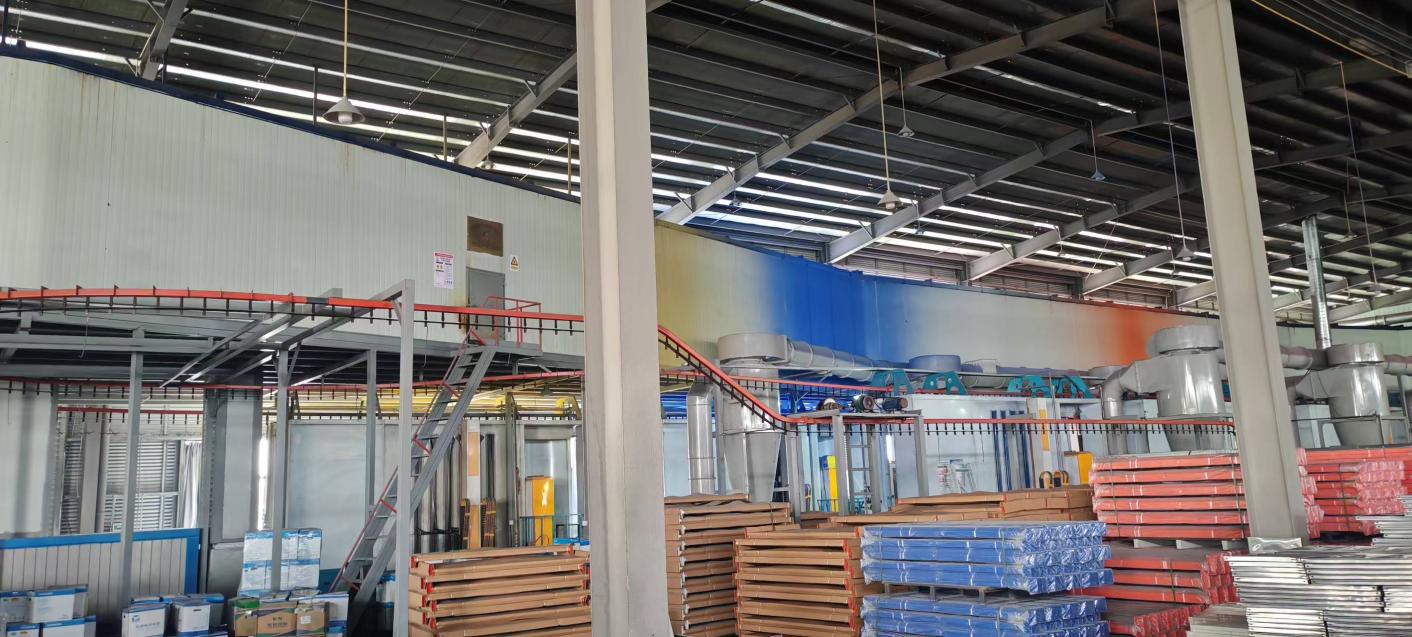
Spraying Line
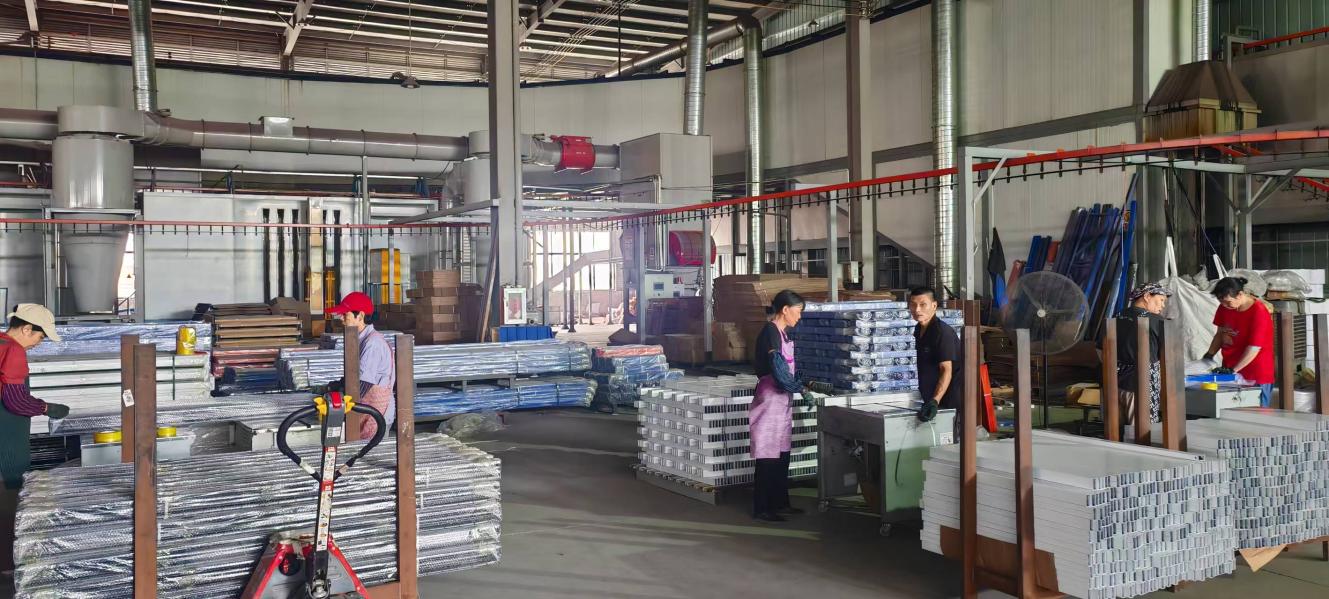
Packing Line
Heavy load racking must be configured to meet the specific physical, thermal, and regulatory environments of the target facility. Through our global OEM/ODM partnerships, we design systems tailored to three main localized applications:
Cold chain facilities operating between -18°C and -30°C face critical structural steel challenges. Standard carbon steel can experience low-temperature embrittlement, increasing the risk of structural failure. Guci Storage customizes cold-chain storage profiles using high-impact structural steel grades combined with Specialized Powder Coatings. This treatment prevents surface cracking and micro-fractures, ensuring safety and compliance under continuous freezing conditions.
In regions active with seismic activity, racking systems require specialized dynamic calculations. We customize heavy-duty systems with widened base plates, dual-anchor floor systems, and heavy-duty diagonal bracing. These features improve energy dissipation during seismic activity, protecting both the warehouse personnel and the stored inventory.
High land costs in metropolitan centers require vertical growth. Guci engineering designs custom racking configurations that integrate with radio shuttle carts and automated reach stackers. This system requires tight tolerance levels during our cold-roll forming process to ensure smooth robotic shuttle operation.
Operating our 35,000 m² facility in Suzhou, China offers distinct advantages for global B2B procurement. Located in the Yangtze River Delta industrial hub, Guci Storage benefits from a consolidated raw material supply chain. This location provides stable steel pricing, reliable access to heat-treating facilities, and an established network of high-quality components.
Our proximity to deep-water shipping terminals (Shanghai Port and Taicang Port) enables streamlined logistics. This strategic location minimizes domestic freight times and helps protect cargo from exposure during transport. Backed by 800+ supply chain partners, we maintain material reserves to ensure stable production timelines—even during periods of peak global demand.
Our logistics division provides comprehensive B2B transport solutions, handling container loading, export documentation, customs clearance, and delivery coordination directly to your job site.
The warehousing industry is transitioning from manual storage toward fully integrated automated environments. To support this evolution, Guci Storage is continuously updating our technological roadmap, focusing on three core development pillars:
Modern high-density warehouses require precision tolerances. Our fabrication processes are engineered to achieve deviation tolerances within 1mm per 10 meters of upright height. This high level of precision supports smooth crane and automated guided vehicle (AGV) operation, preventing mechanical jams and minimizing equipment wear.
As part of our commitment to environmental responsibility, our production facilities utilize low-VOC, heavy-metal-free thermosetting powder coatings. We also operate closed-loop water treatment systems and energy-efficient curing ovens to reduce our environmental impact while maintaining product finish quality.
We are researching integration of fiber-optic Bragg grating sensors and strain-gauges into high-capacity racking columns. This development will allow facility managers to monitor structural stresses in real-time, helping prevent overload conditions and improving overall warehouse safety.
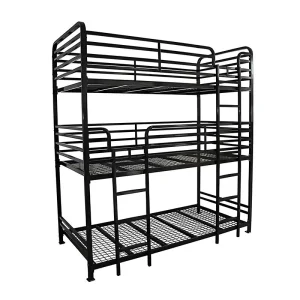
 GuciRack