An Industry-Expert Analysis on High-Density Automation Systems, Global Supplier Capabilities, and Technical Criteria for Enterprise Warehousing Strategy.
Premium structural options matching the high demands of modern automated logistics environments.
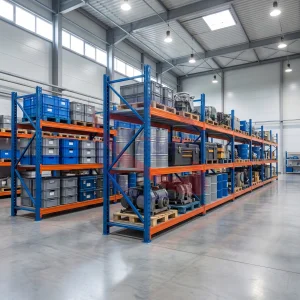
Modern supply chains demand unparalleled footprint optimization and high-frequency throughput. Standard static racking layouts often fail to deliver the spatial efficiency required under high real-estate costs. The shift toward Automated Storage and Retrieval Systems (AS/RS) has highlighted the 4-Way Pallet Shuttle as a premier high-density structural paradigm. By traversing both cross-aisles and depth-lanes without human forklift intervention, these automated vehicles unlock up to 90% space utilization ratios.
Information Gain Insight: While traditional 2-way shuttle systems (moving only longitudinally) require expensive crane assemblies for aisle transitions, 4-way systems move freely across the dynamic grid, decreasing the number of single-point mechanical failures and offering scalable throughput by adding more shuttle cars to the existing rails.
Deploying a 4-way shuttle AS/RS requires deep engineering integration between three major domains: the rack infrastructure, the shuttle hardware, and the warehouse control software (WCS). Top-tier suppliers provide modular structural layouts adapted to SKU profiles, velocity, and environmental constraints. Crucial configurations include:
Understanding regional automation demands, market growth trajectories, and supply chain realities.
The global automated warehousing market is expanding rapidly, with a projected CAGR of over 12.5% through 2030. In Europe and North America, labor shortages and high land acquisition costs drive investments toward ultra-dense, vertical automation. In the Asia-Pacific region, rapid industrial expansion and e-commerce infrastructure fuel massive greenfield projects utilizing multi-level automated fleets.
Industry-specific demands vary significantly depending on environmental conditions and processing protocols:
A professional comparative breakdown of the industry's key engineering criteria.
When selecting a supplier for large-scale logistics operations, enterprises evaluate specific technical parameters. In our analysis of the global top 10 shuttle system supplier ecosystems, we highlight core performance metrics below:
| Evaluation Parameter | Technical Threshold (Premium) | System Impact |
|---|---|---|
| Load Deflection Ratio | L/300 to L/400 (per EN 15635 standards) | Ensures shuttle moves smoothly on rails under full loads without causing sensor errors. |
| Max Speed & Acceleration | 1.5 m/s – 2.0 m/s (loaded); Accel: 1.0 m/s² | Improves overall picking and replenishing cycle times. |
| Supercapacitor Charge Time | < 30 seconds for full cycle power | Maintains continuous, 24/7 automated operation without dedicated charging breaks. |
| WCS Fleet Routing Capacity | Up to 100+ shuttles in a single system grid | Optimizes order processing and prevents path blocking in high-throughput settings. |
| Manufacturing Tolerances | ± 1.0 mm diagonal frame tolerance | Reduces wheel and rail wear, preventing vehicle derailments. |
Recognized for advanced software controls, their PowerStore 4-way systems excel in high-density warehousing for various temperatures.
A global leader in high-speed shuttle integration, offering automated solutions with robust WMS integration.
Provides highly reliable Japanese engineering, specializing in ultra-clean and high-capacity manufacturing buffer systems.
Known for modular, heavy-duty racking paired with precise shuttle systems, ensuring high load safety and durability.
Excels in space-optimized storage solutions and automated retrieval designs for small and medium enterprises.
Known for high-throughput retail and e-commerce picking setups, using advanced WCS routing engines.
Focuses on airport and high-speed parcel logistics, integrating dependable shuttle hardware with robust software.
Offers versatile racking options coupled with reliable shuttle vehicles to maximize storage density.
Delivers high-capacity warehouse automation and systems integration for large-scale North American distribution networks.
A leading OEM/ODM manufacturer specializing in high-tolerance, heavy-duty racking infrastructure for global 4-way shuttle systems.
Deep industrial expertise, precision engineering, and global logistics infrastructure.
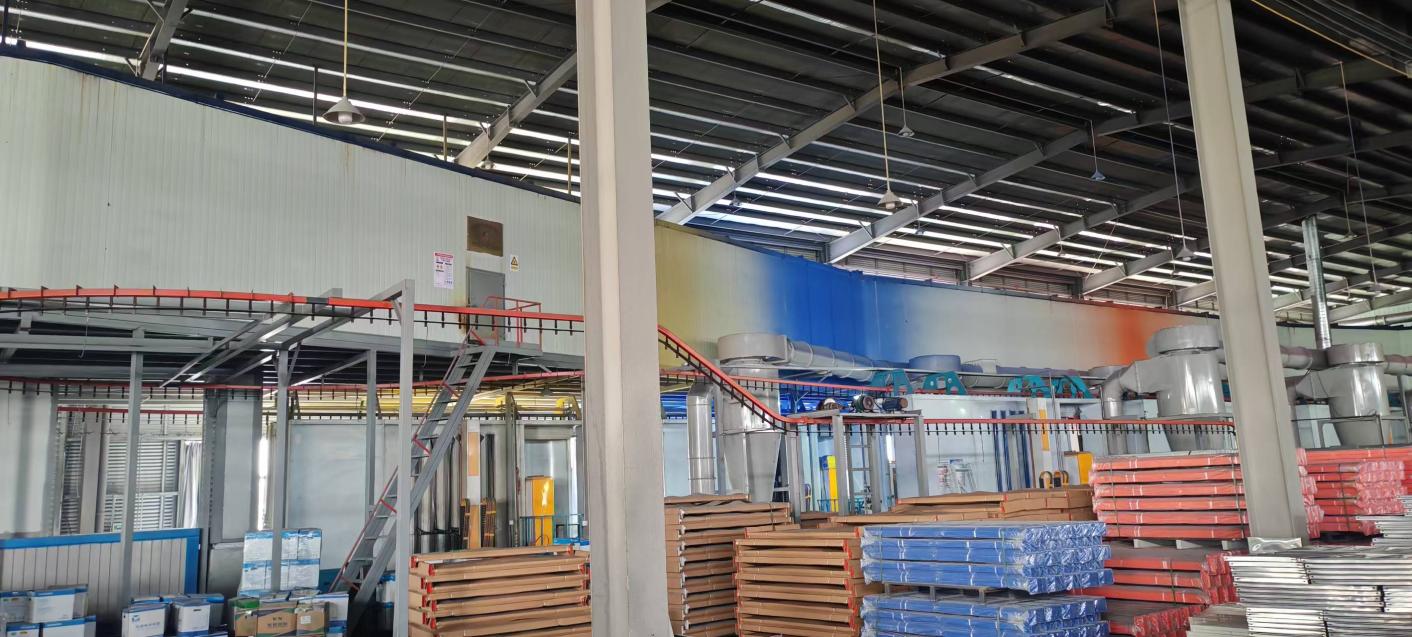
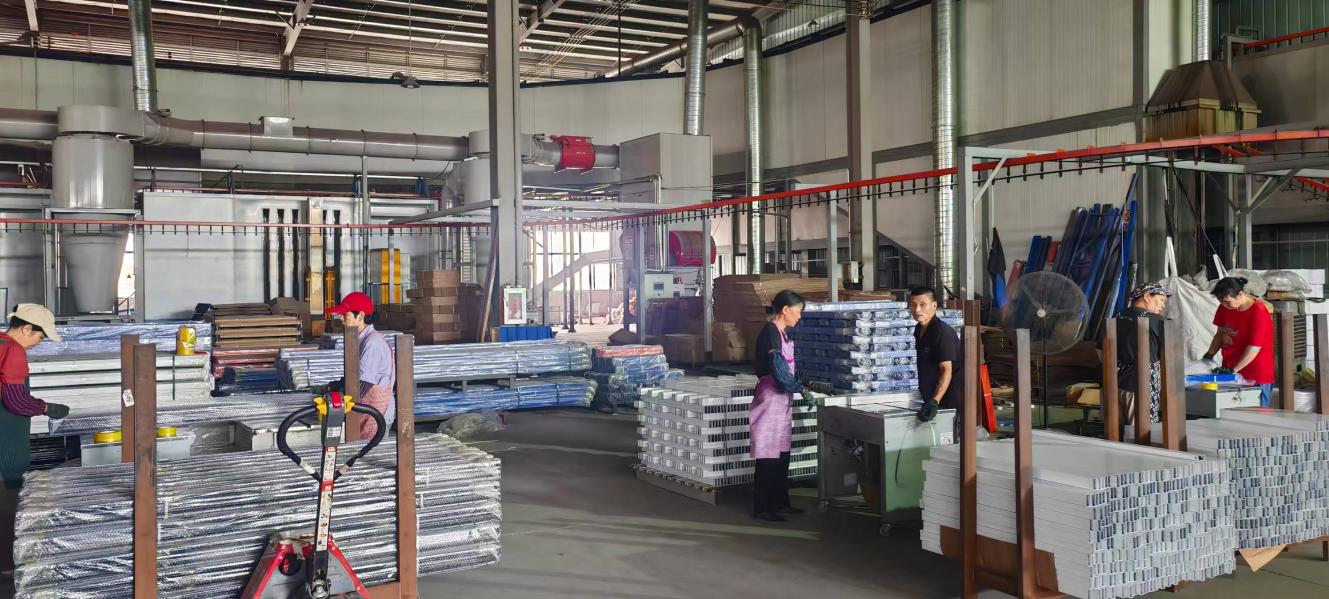
Established in 2015, Guci Storage Equipment (Suzhou) Co., Ltd. is a leading B2B manufacturer specializing in heavy-duty warehouse racking and industrial storage solutions. Spanning a modern manufacturing facility of 35,000 m², the company brings over 11 years of deep industry expertise and 8 years of global trade experience, serving client bases across North America, Europe, and Southeast Asia with an annual export revenue reaching $18 million.
To maintain superior product standards, Guci Storage enforces a rigorous quality management process—combining ultrasonic flaw detection, load-capacity stress testing, and surface coating thickness inspections. Our dedicated quality control team of 25 QA/QC professionals ensures every rack system complies with international safety standards such as ISO9001 and CE.
Backbone by a strong trade background and an extensive network of over 800 supply chain partners, we primarily serve enterprise clients, including third-party logistics (3PL) providers, global distributors, mega e-commerce fulfillment centers, and large-scale industrial plants.
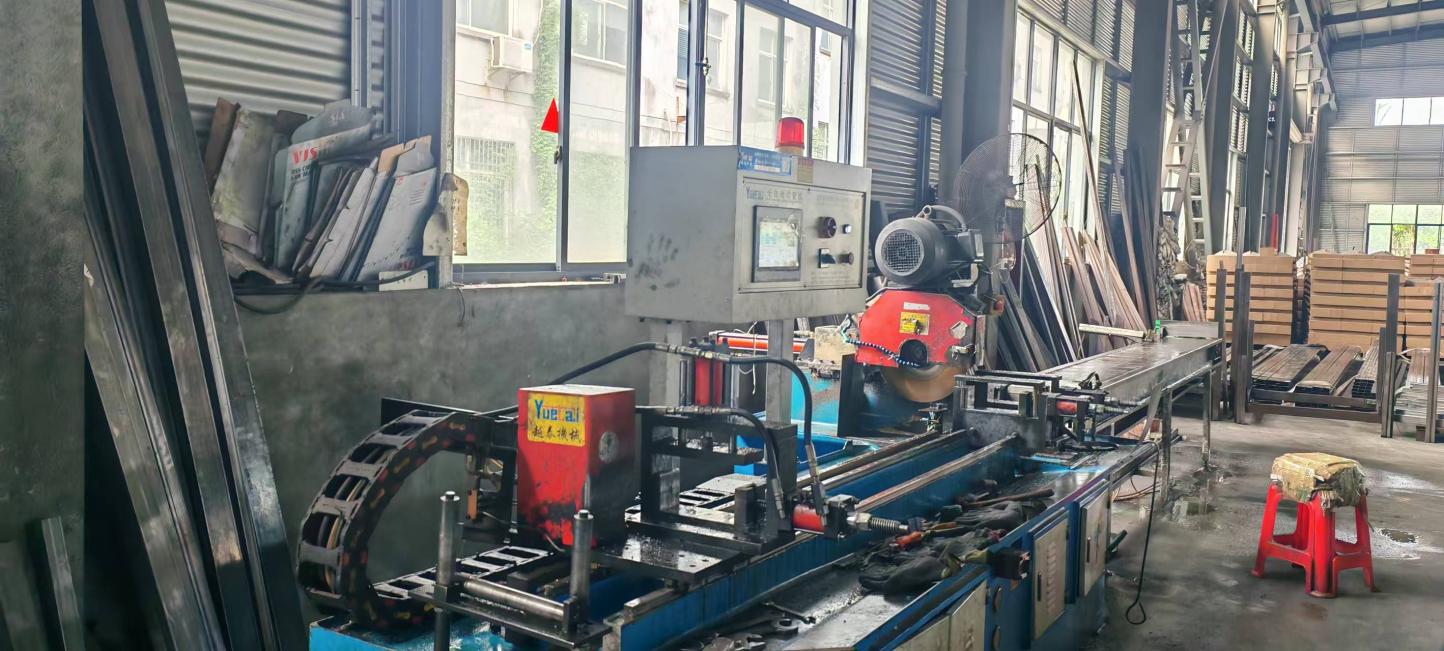
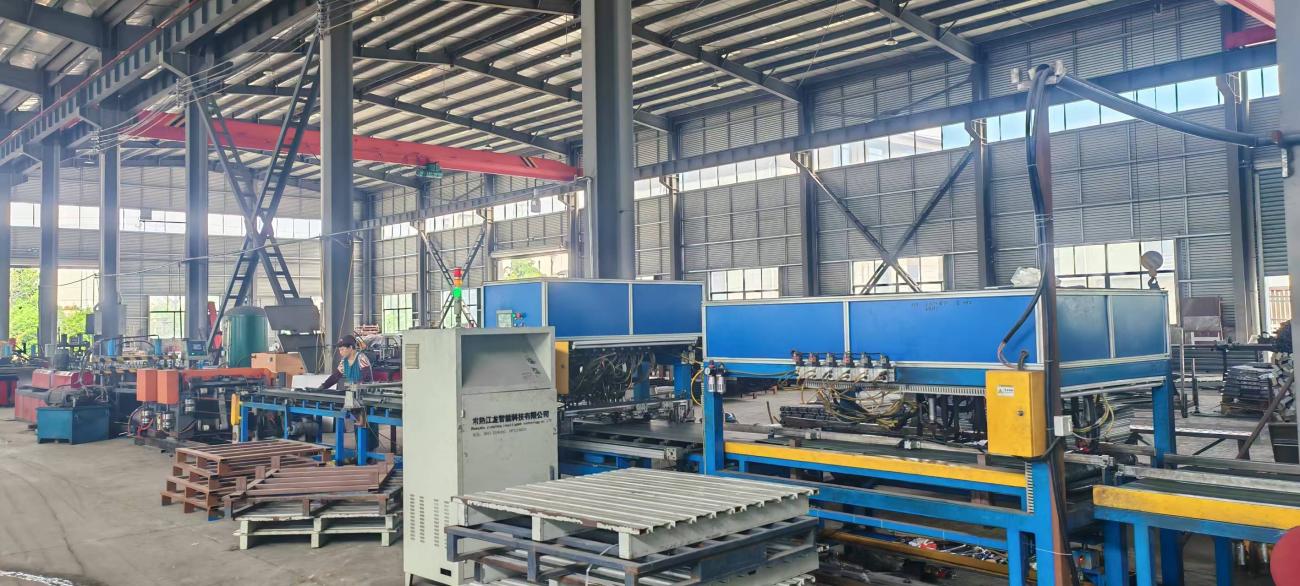
Innovation drives our success. Supported by a skilled team of 18 R&D engineers, Guci Storage offers comprehensive OEM/ODM customization options, tailoring load capacity, dimensions, structural layouts, and surface finishes to meet specific site requirements. In the past year alone, our team successfully launched 45 new product designs to optimize modern high-density warehouse efficiency.
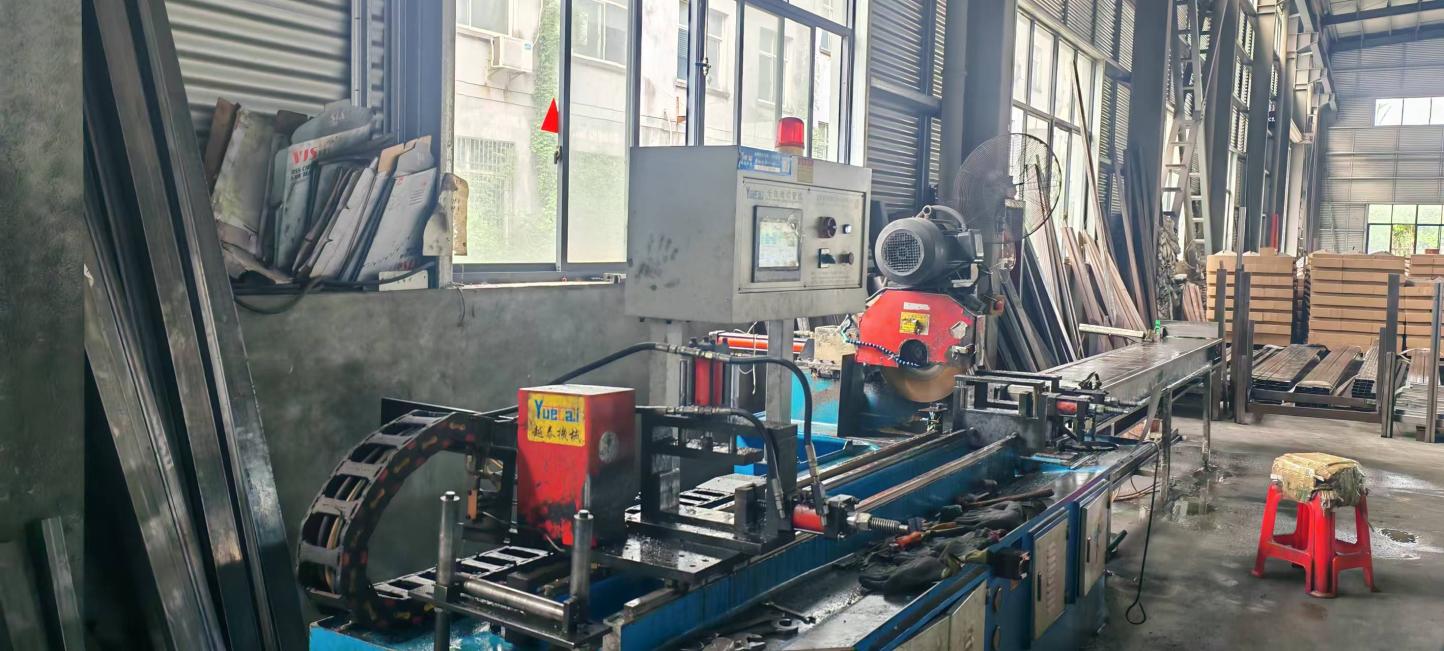
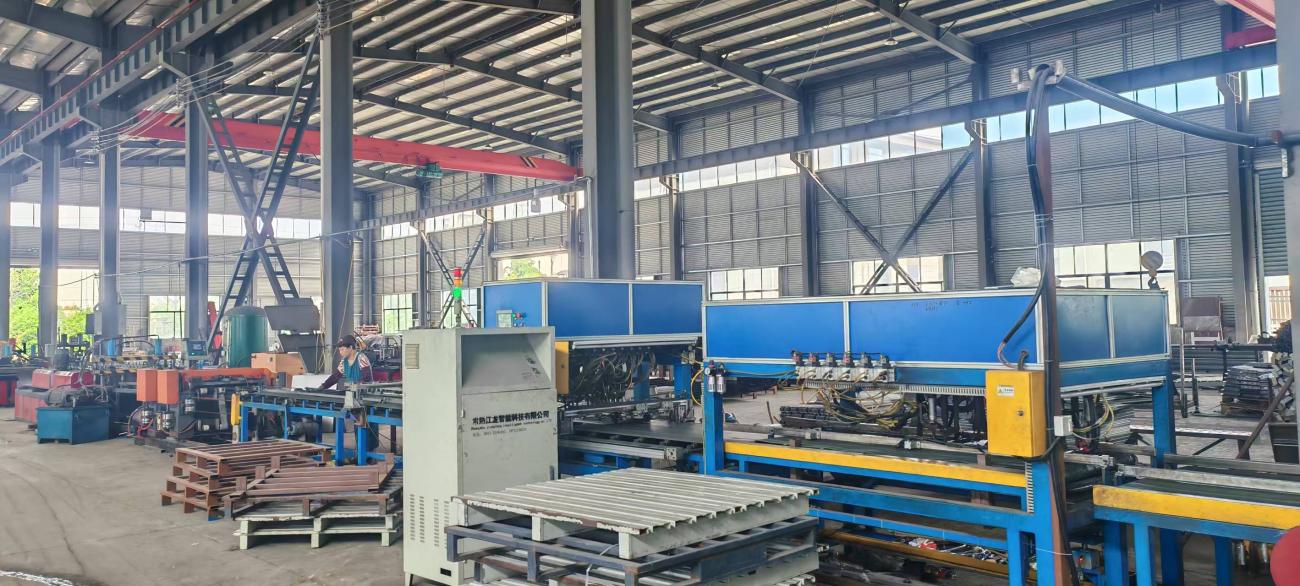
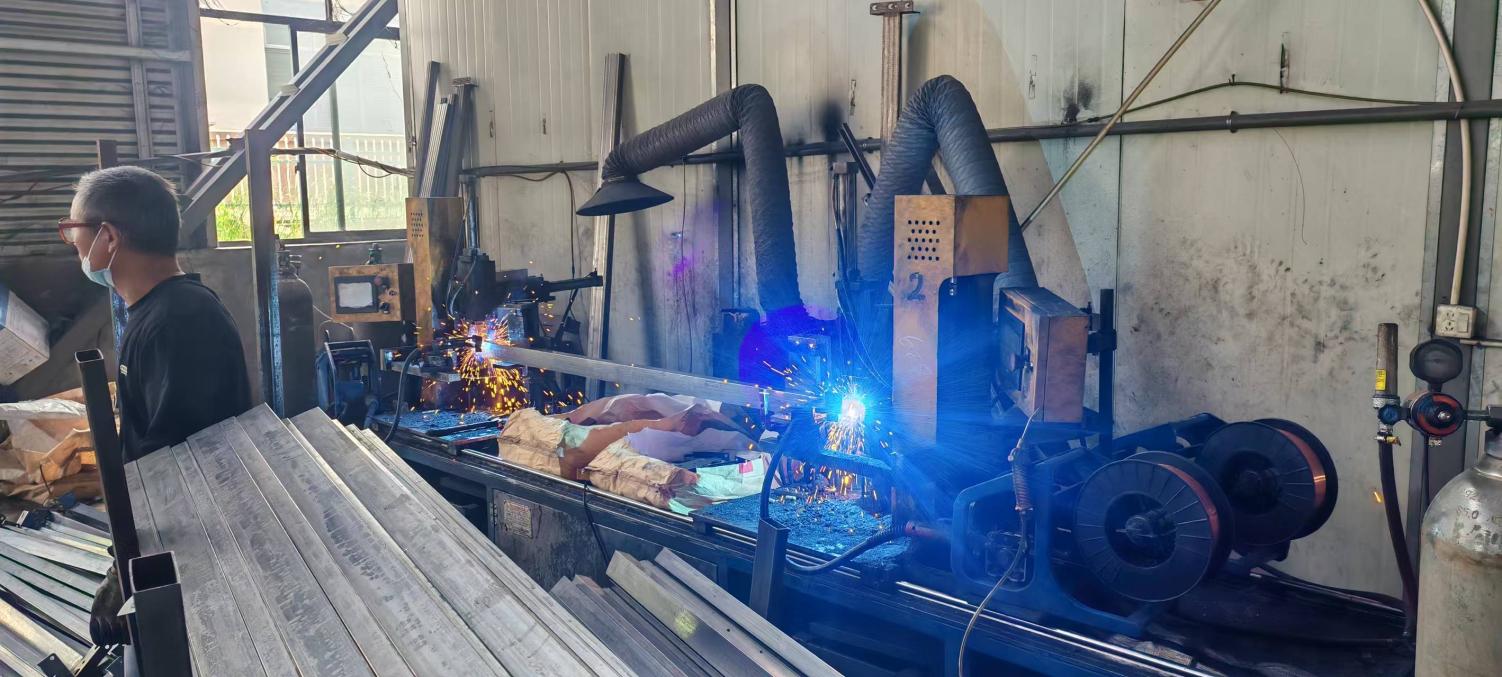
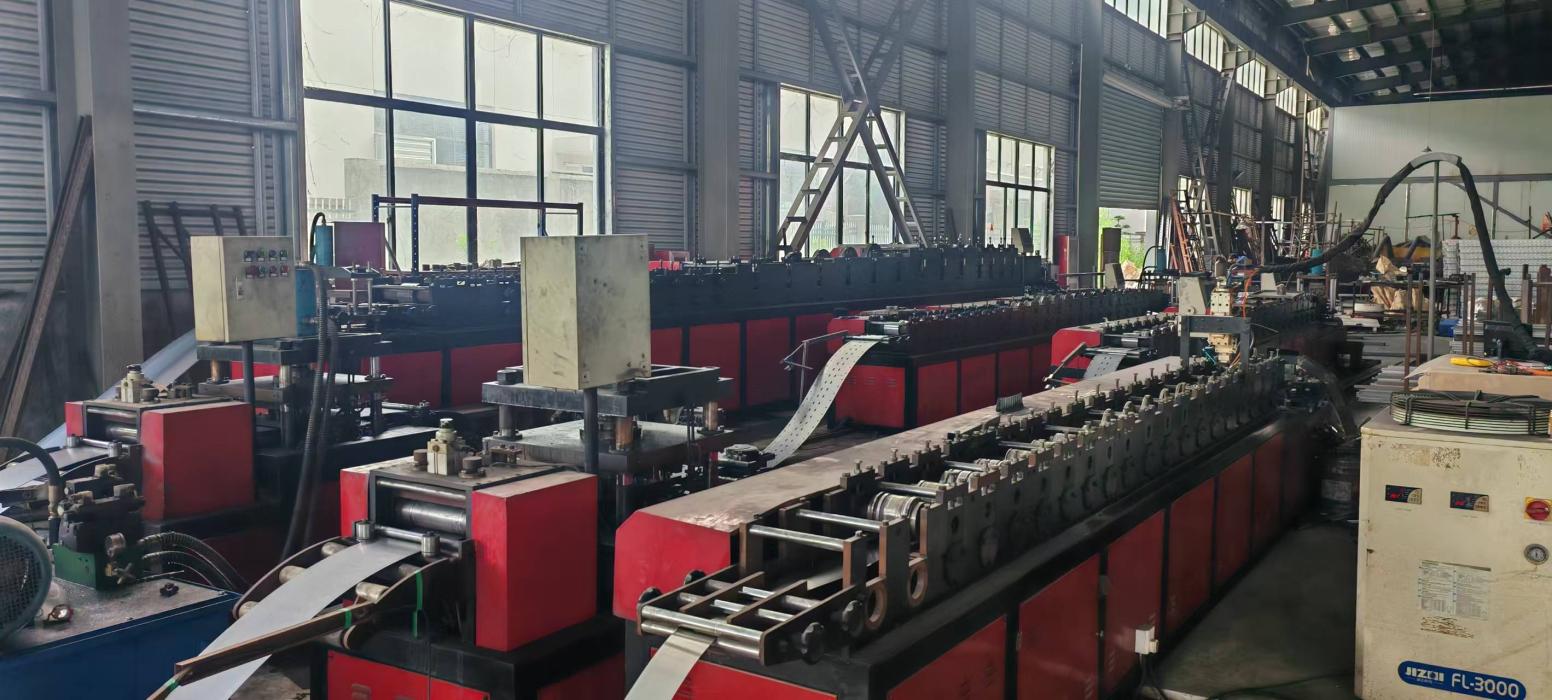
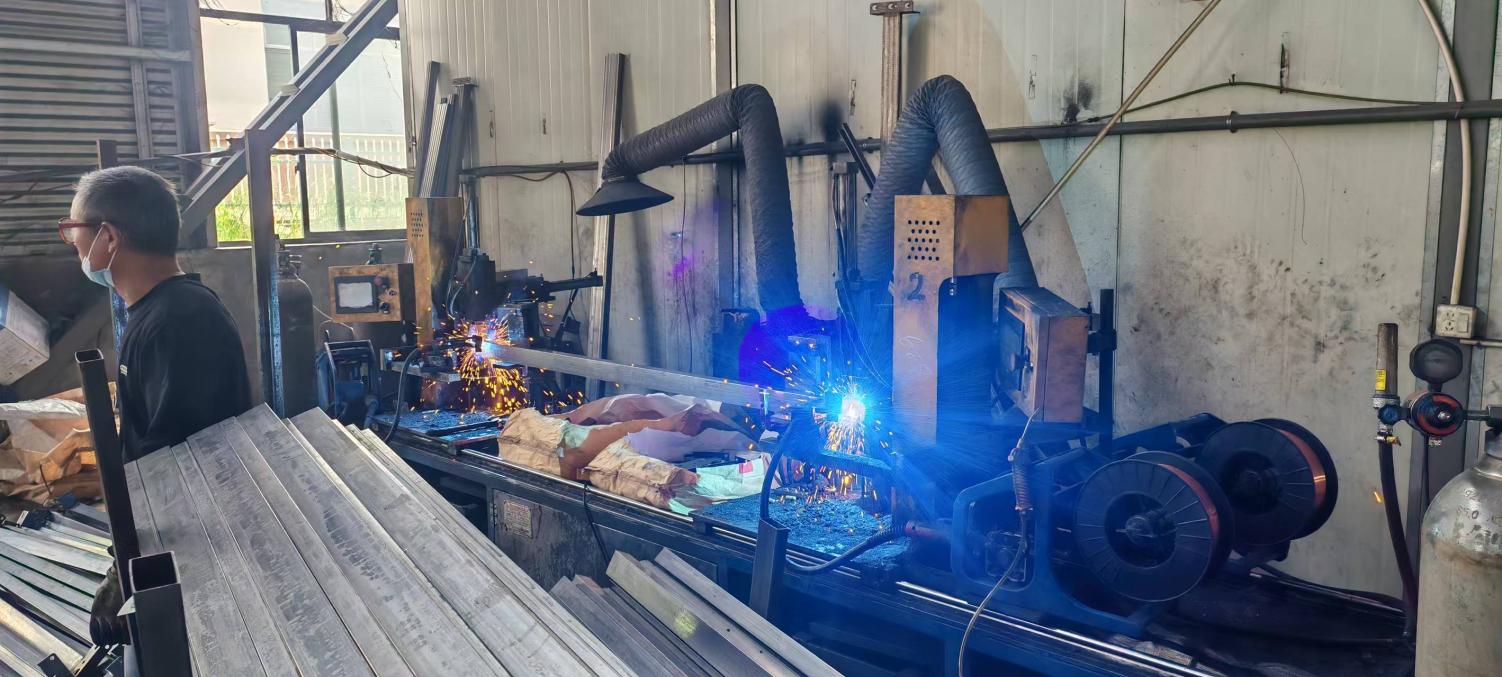
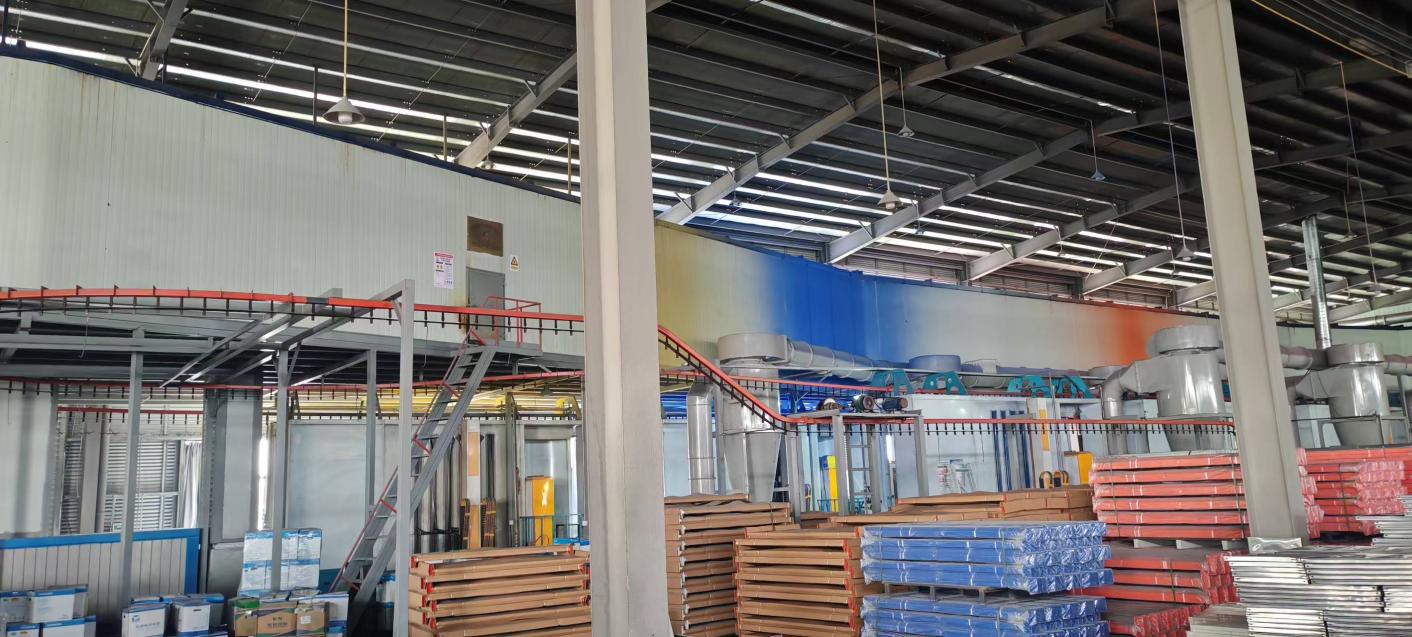
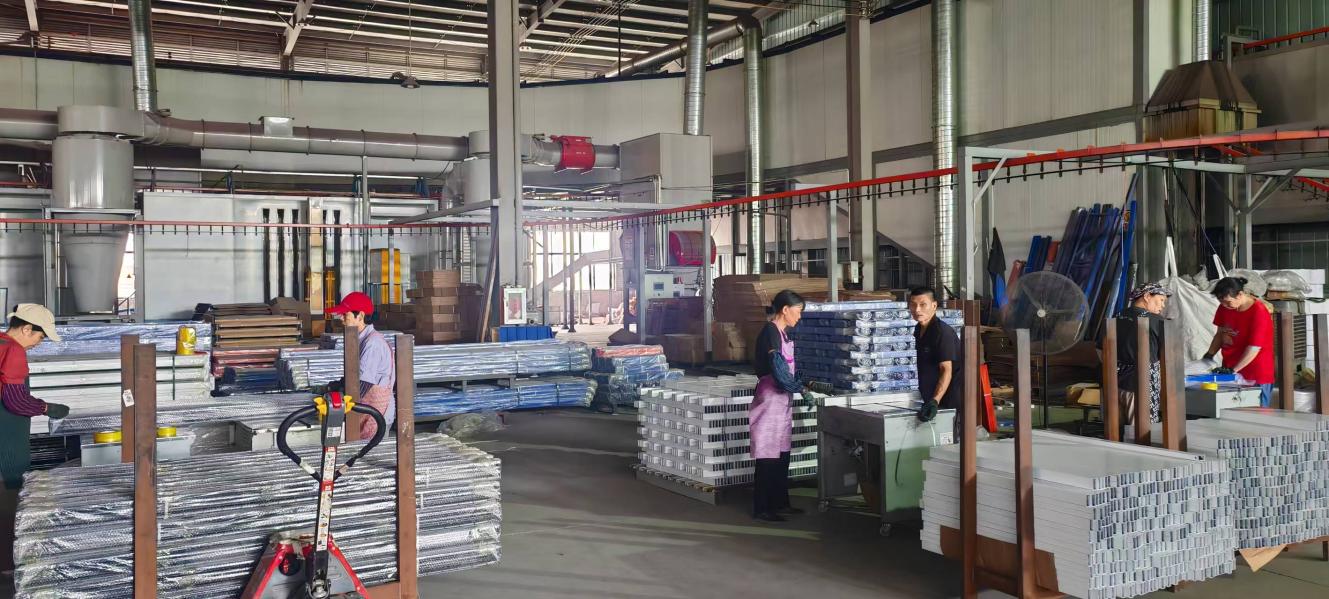
To ensure perfect rail alignment and vertical integrity, our production line uses automated roll-forming and laser-cutting technology. Below is the step-by-step production flow:
Mitigating global supply risk through local partnerships and structural alignment standards.
Automated storage systems run continuously, meaning any structural offset or rail misalignment can disrupt operations. Enterprise clients look for suppliers that guarantee compliance with regional safety codes, including EN 15635 (Europe), ANSI/RMI MH16.1 (North America), and local structural certifications.
To ensure smooth deployments, we prioritize the following integration parameters:
The technological horizon of intelligent autonomous material handling.
The 4-way shuttle space is moving toward deeper integration with Artificial Intelligence and real-time operations software. Next-generation systems will feature:
Addressing technical, structural, and procurement inquiries for industrial buyers.
Supporting diverse warehouse storage requirements and heavy-duty steel configurations.

 GuciRack