Discover high-capacity engineering designs optimized for seamless warehouse integration, commercial document control, and material handling efficiency.
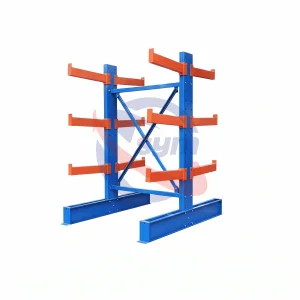
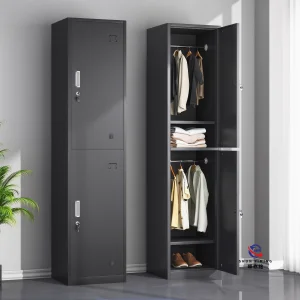
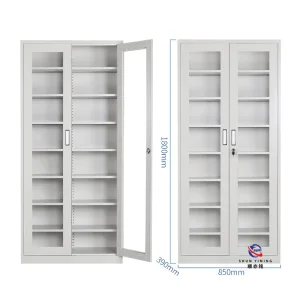
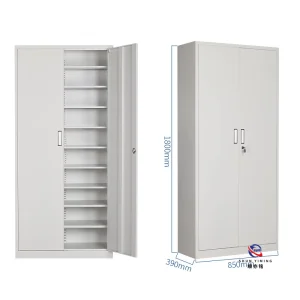
The global warehousing and logistics ecosystem is undergoing a generational shift. Faced with escalating real estate costs, a persistent deficit in skilled warehouse labor, and the hyper-accelerated delivery timelines demanded by modern omnichannel commerce, static rack structures are quickly being superseded. In their place, dynamic, automated shelving and AS/RS (Automated Storage and Retrieval Systems) technologies have transitioned from elite-tier capital investments to operational necessities.
By leveraging intelligent robotics, horizontal/vertical carousels, vertical lift modules (VLMs), and computerized shuttle systems, automated shelving scales space utilization exponentially. It reduces footprint demands by up to 85% while simultaneously accelerating throughput velocity. For procurement directors, regional operations heads, and 3PL leaders, selecting the optimal manufacturing partner dictates the long-term ROI, lifecycle durability, and integration capacity of their material handling infrastructure.
How the industry's leaders are analyzed and ranked based on E-E-A-T (Experience, Expertise, Authoritativeness, and Trustworthiness).
To assist global B2B procurement managers in selecting the ideal vendor, this whitepaper evaluates suppliers across five key structural performance metrics:
Reviewing the leading engineering powerhouses driving automation, precision engineering, and high-density warehouse efficiency globally.
| Rank | Manufacturer Name | Primary HQ | Specialization Area | Key Strengths |
|---|---|---|---|---|
| 01 | Kardex Group | Switzerland | Vertical Lift Modules (VLMs) & Carousel Systems | Pre-engineered modular design, dynamic tracking software, high density footprint. |
| 02 | SSI SCHAEFER | Germany | End-to-End Warehousing & High-Bay Rack Systems | Huge global footprint, WMS integration, massive steel manufacturing capacity. |
| 03 | Dematic (KION Group) | USA / Germany | AS/RS, AGVs, and Automated Shuttle Systems | High-throughput automation, advanced warehouse control systems (WCS). |
| 04 | Daifuku Co., Ltd. | Japan | Factory Automation & High-Load Crane Systems | Exceptional mechanical reliability, cleanroom automated storage solutions. |
| 05 | Swisslog (KUKA Group) | Switzerland | Robot-Driven Goods-to-Person & AutoStore Integrations | Deep integration with AI robotics, light-goods automation systems. |
| 06 | Murata Machinery (Muratec) | Japan | High-Speed Automated Storage and Retrieval Systems | Advanced precision machinery, high-speed crane operations, durable logistics. |
| 07 | Knapp AG | Austria | Shuttle Technology & Micro-Fulfillment Solutions | Pioneering work in split-case picking and pharmaceutical automation. |
| 08 | Modula S.p.A. | Italy | Vertical Tray Storage & Tool Management | User-friendly visual operators, space saving for industrial tools & small parts. |
| 09 | AutoStore | Norway | Cube Storage Automation & Robotic Picking Systems | Highest density of storage relative to warehouse area, redundant robot grid. |
| 10 | Guci Storage Equipment (Suzhou) Co., Ltd. | China | Heavy-Duty Steel Racking & Custom Automated Mobile Shelving | High-capacity OEM/ODM R&D, structural QA/QC precision, extensive B2B global supply chain. |
Kardex Group: Remains the undisputed global benchmark for space optimization in industrial tooling, components, and spare parts. Their Kardex Shuttle VLM system operates using dynamic tray height scanning to minimize empty space within the system dynamically.
SSI SCHAEFER & Dematic: Act as the system-integrator giants. When mega-warehouses require multi-million dollar investments involving high-bay stacker cranes (up to 45 meters tall), automated conveyor loops, and complex software handshakes, these two leads define industry scale.
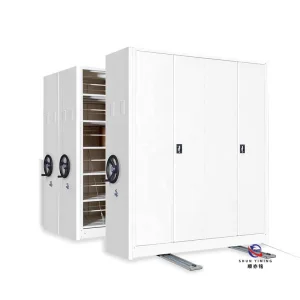
Guci Storage Equipment: Fills a crucial market requirement as both an independent developer of motorized high-density mobile shelving and a prime OEM/ODM structural supply chain partner. Because physical automation is only as reliable as the steel structures supporting it, Guci's heavy-duty engineering provides the high-tolerance structural backbone necessary to prevent rail misalignment in dynamic environments.
Established in 2015, Guci Storage Equipment (Suzhou) Co., Ltd. is a leading B2B manufacturer specializing in heavy-duty warehouse racking and industrial storage solutions. Spanning a modern, state-of-the-art manufacturing facility of 35,000 m², the company brings over 11 years of deep industry expertise and 8 years of global trade experience, serving enterprise client bases across North America, Europe, and Southeast Asia, with an annual export revenue reaching $18 million.
Innovation and quality control form the bedrock of Guci Storage's success. Supported by a highly skilled team of 18 R&D engineers, Guci offers comprehensive OEM/ODM customization options—tailoring load capacity, dimensions, structural layouts, and surface finishes to meet precise site parameters. In the past year alone, our R&D division successfully designed and launched 45 new product designs to optimize modern high-density warehouse efficiency.
To maintain superior product standards and guarantee safety in high-density automated facilities, Guci Storage enforces a rigorous quality management process. Our dedicated quality control team of 25 QA/QC professionals ensures every rack system complies with international safety standards such as ISO9001 and CE. The facility utilizes:
Backed by a strong trade background and an extensive network of over 800 supply chain partners, we primarily serve enterprise clients, including third-party logistics (3PL) providers, global distributors, mega e-commerce fulfillment centers, and large-scale industrial plants.
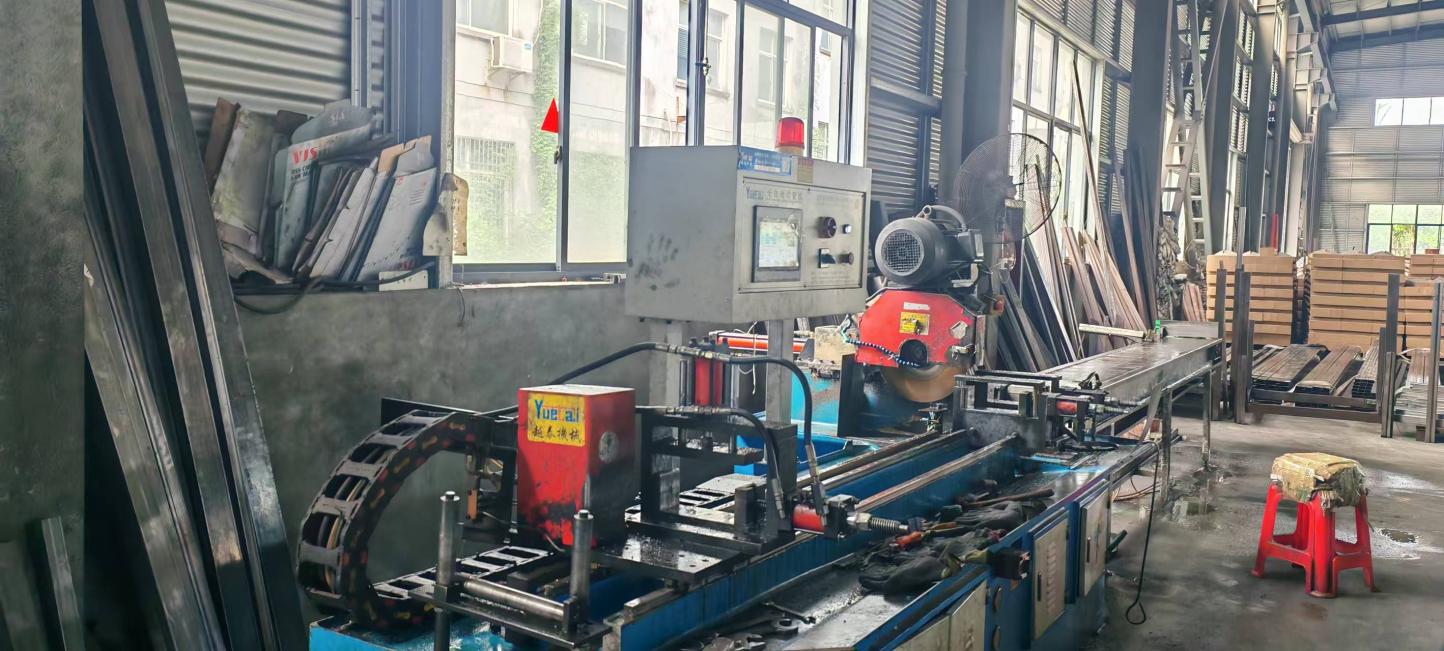
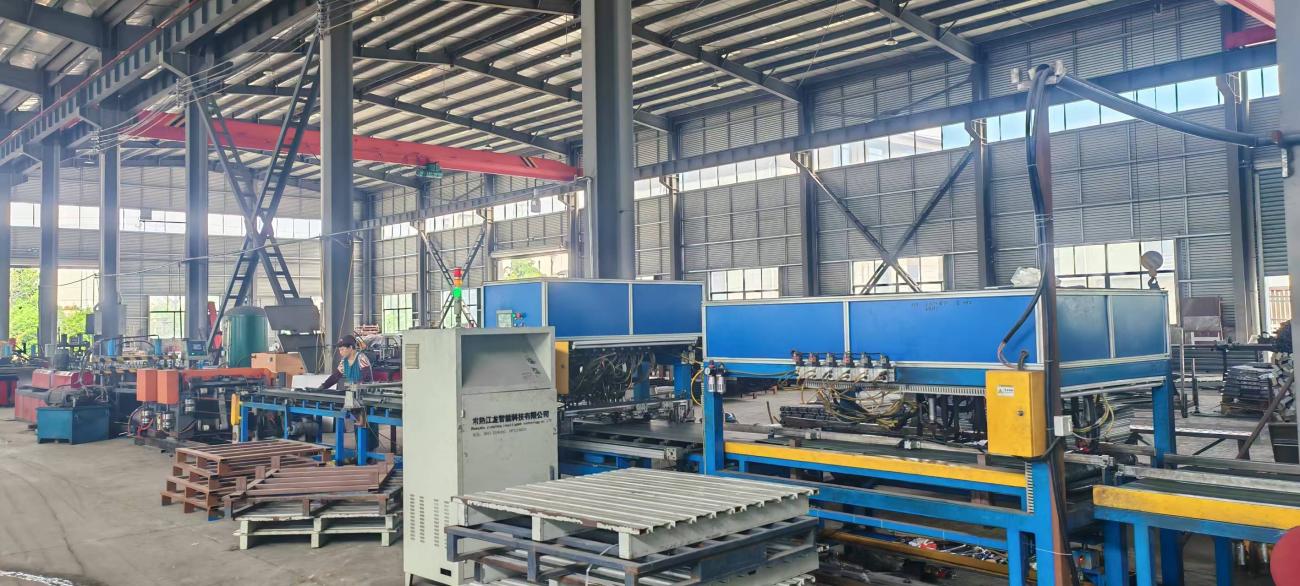
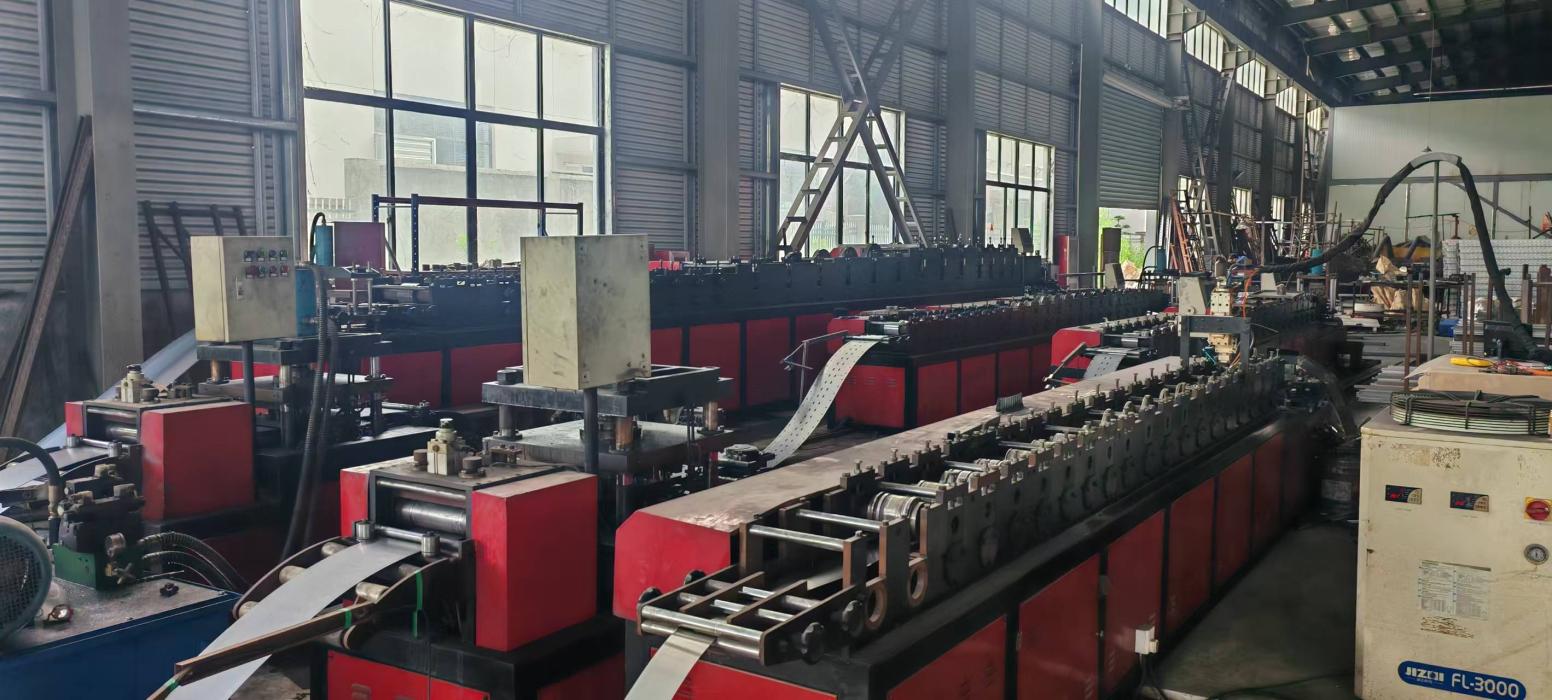
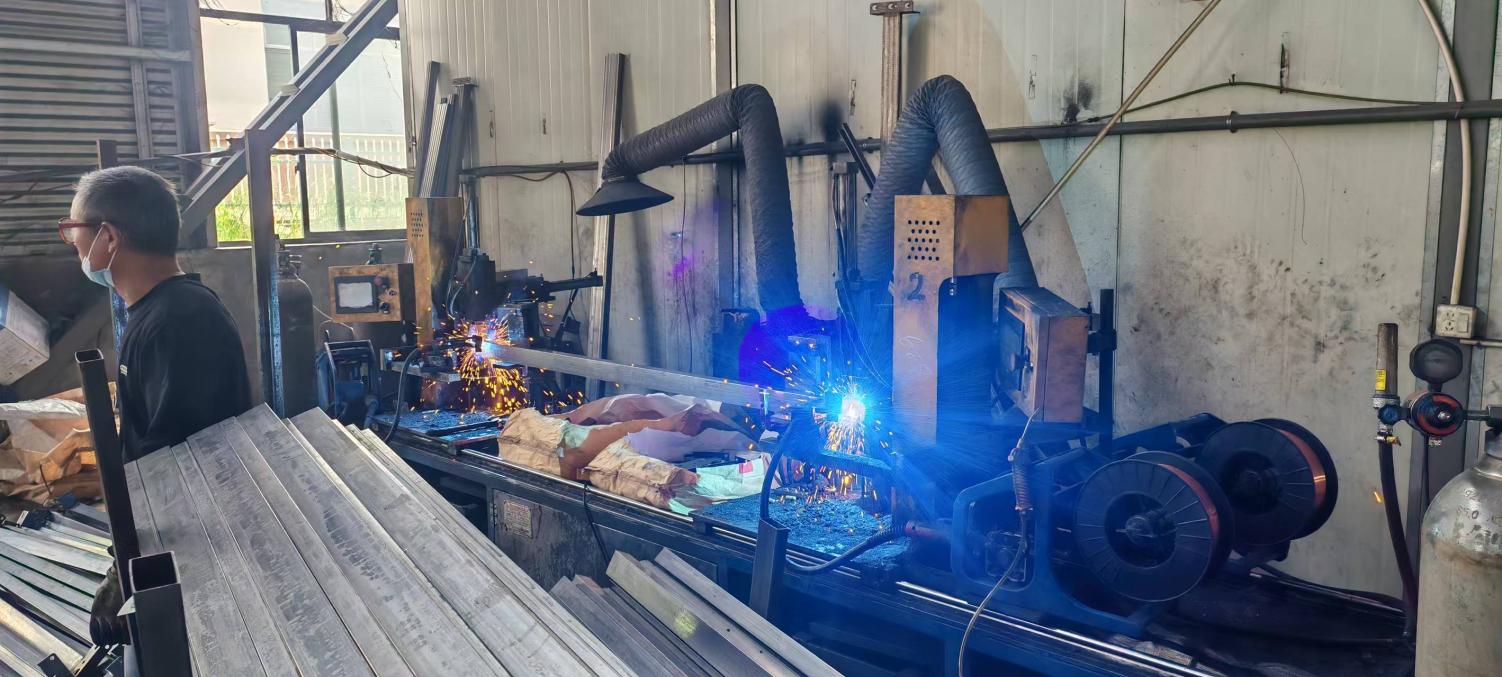
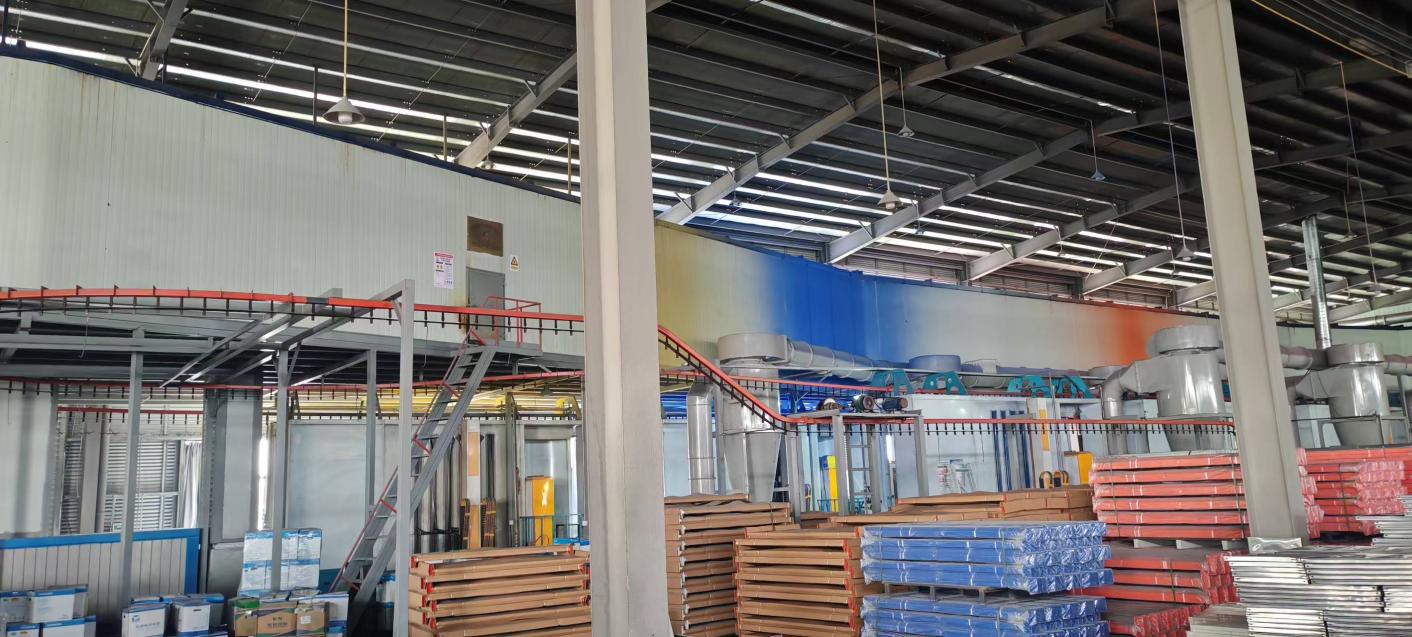
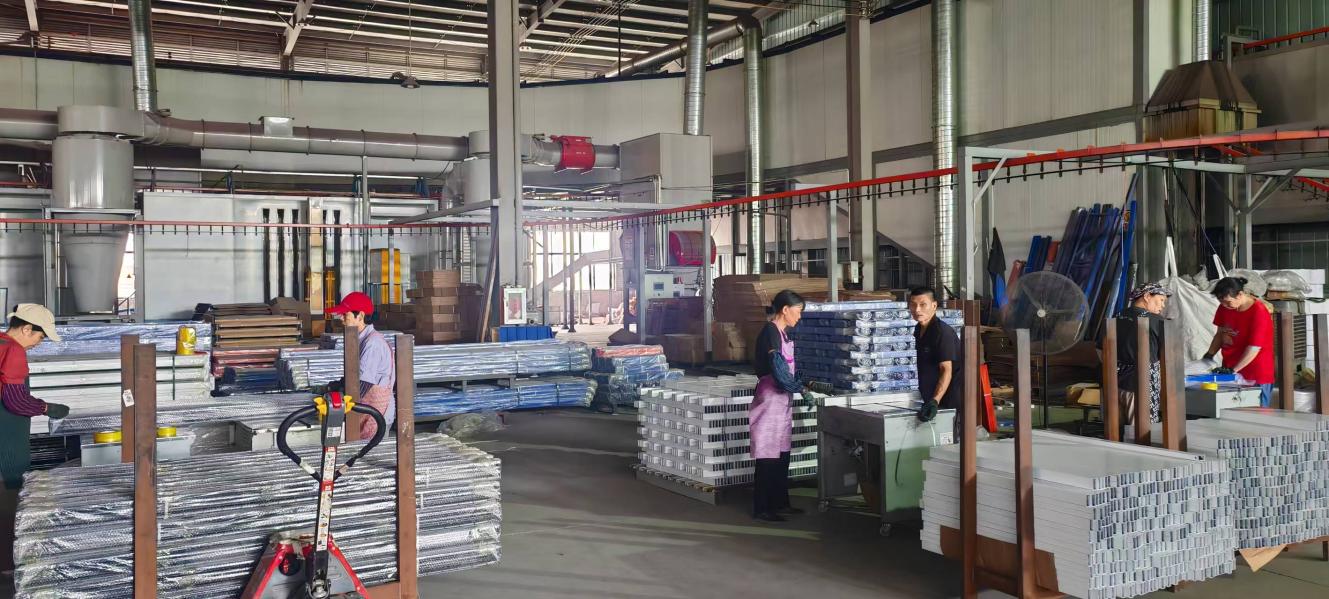
Every structural upright, support beam, and motorized mobile rail is manufactured via a standardized production sequence to secure exact sizing and load tolerances.
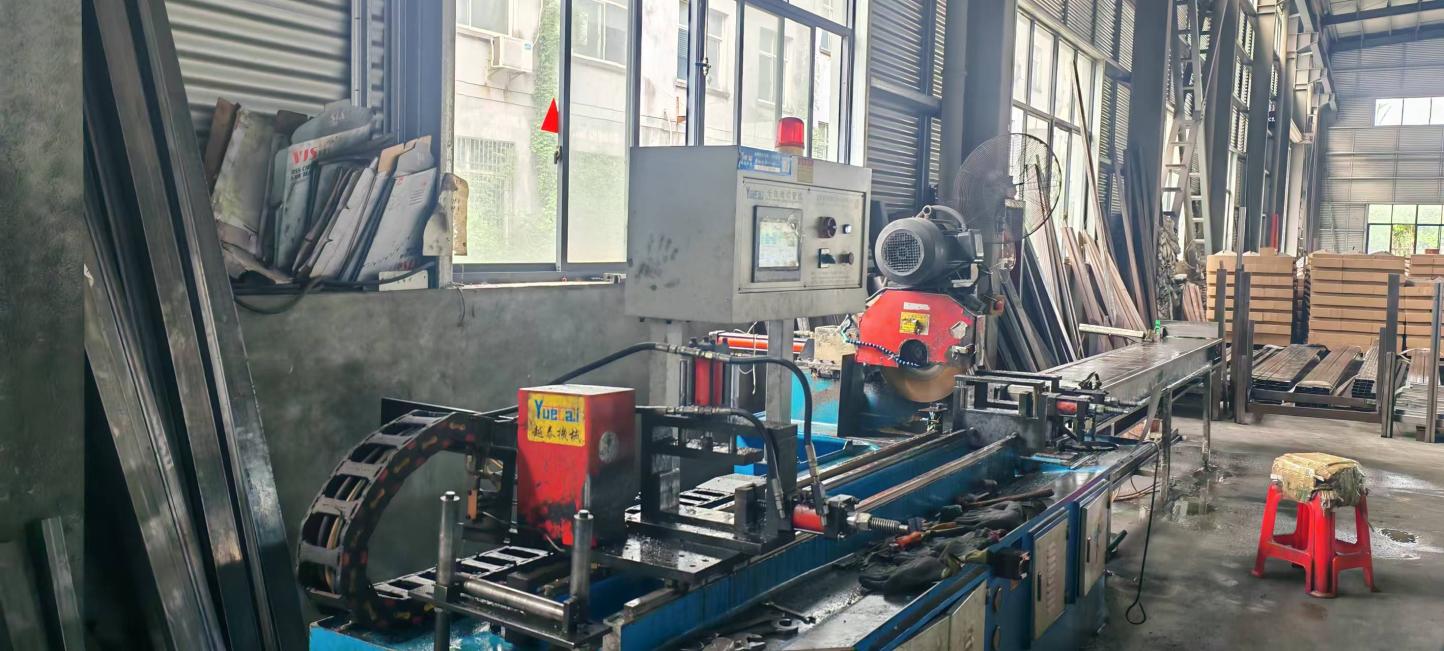
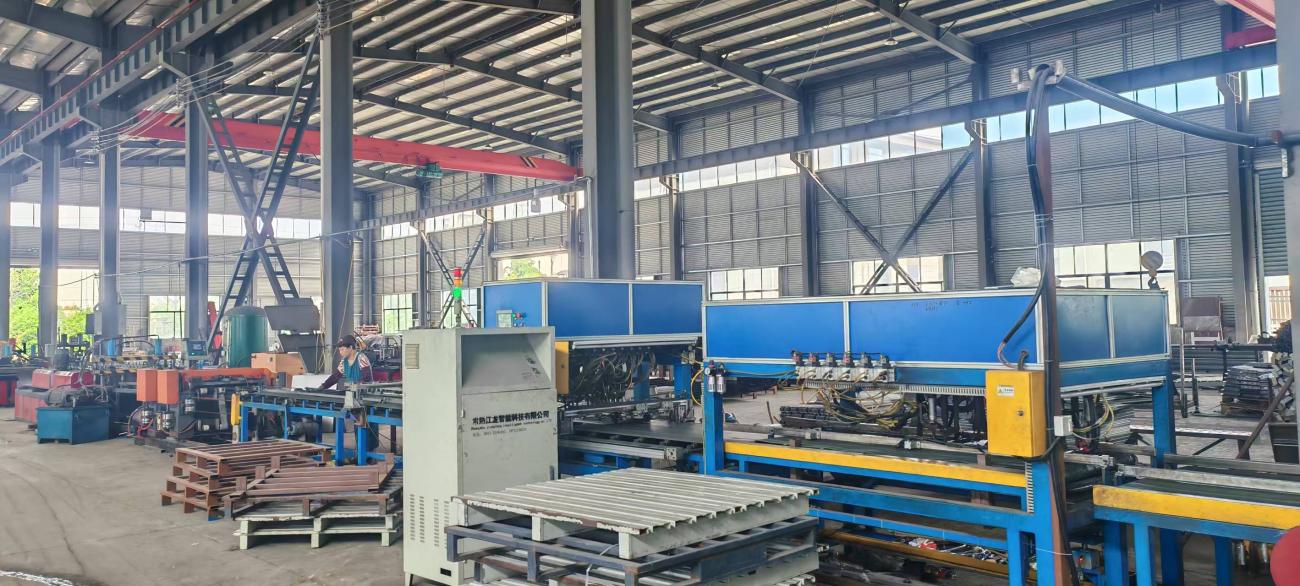
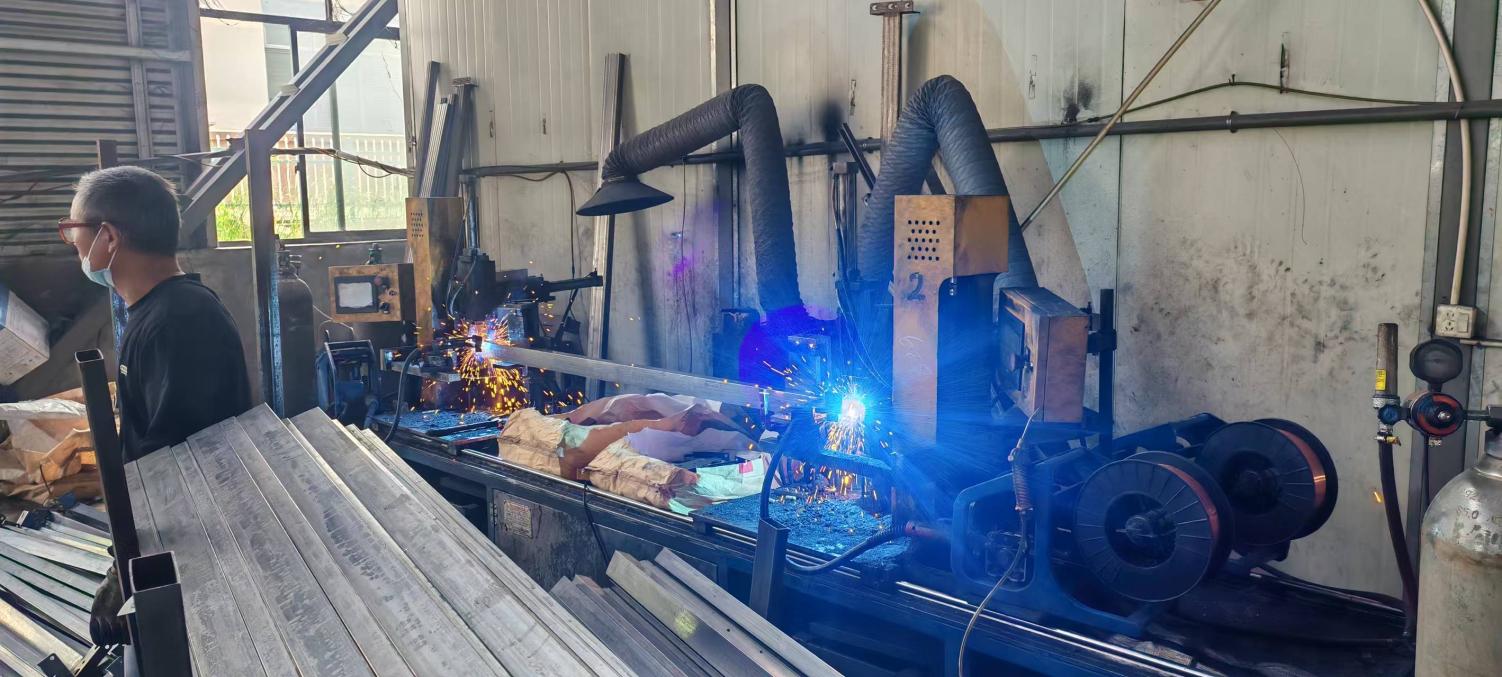
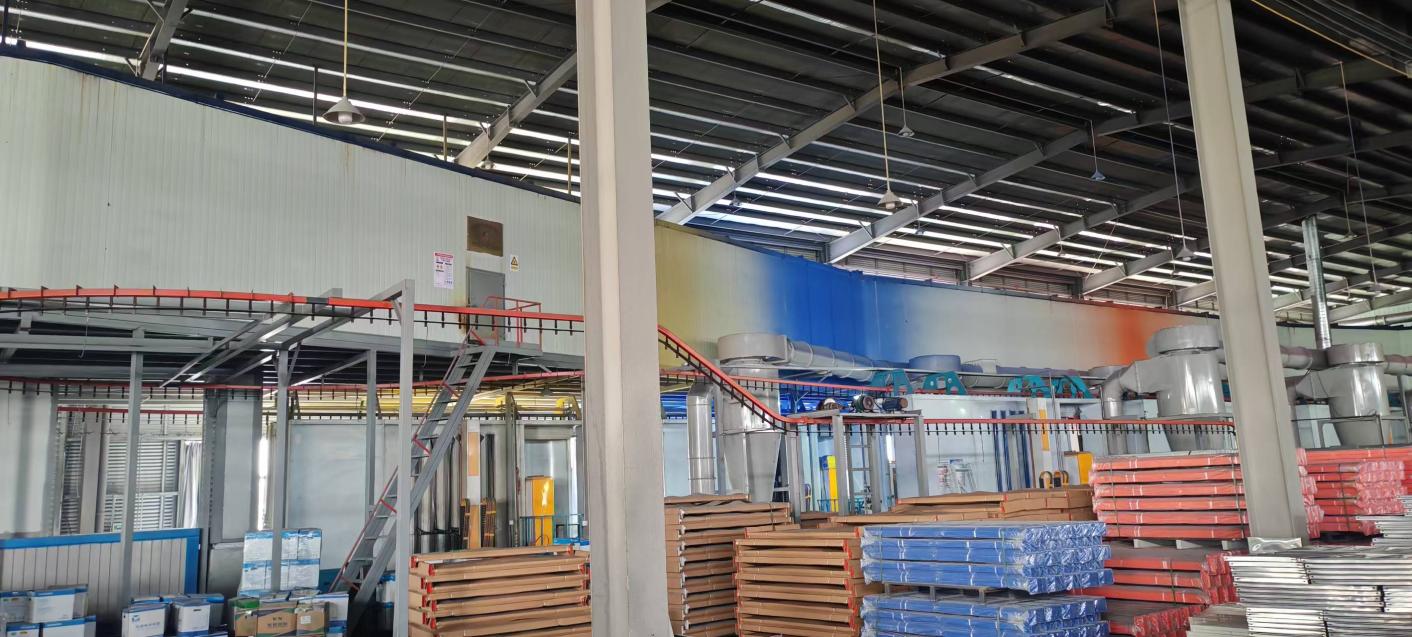
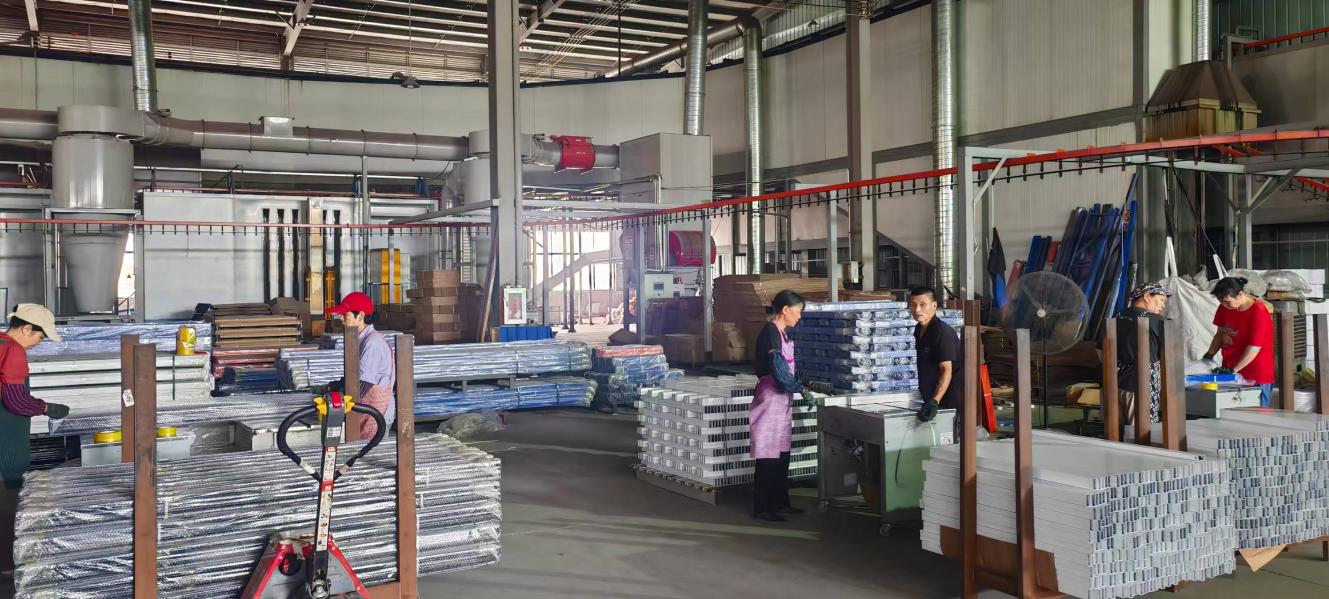
Our Suzhou-based manufacturing base relies on heavy-duty machinery lines that ensure precision alignment, perfect structural holes punching, and paint longevity.
Automated shelving systems do not operate in a vacuum. Their design must adapt to unique industry vertical demands. When planning high-density configurations, developers must account for variables such as unit-load size, dynamic cycling speed, temperature ranges, and regulatory standards:
| Industry Vertical | Structural Requirement | Automation Style | Localization Compliance Focus |
|---|---|---|---|
| Cold Chain Logistics | Galvanized/high-tensile steel, low-temperature lubricants down to -30°C. | High-Density Mobile Racks, Shuttle AS/RS. | EN 15635, local electrical safety ratings. |
| Pharmaceutical Storage | Stainless steel or anti-microbial paint, medical grade sanitation compliance. | Vertical Lift Modules (VLMs) & Carousels. | FDA, GMP certifications, local cleanroom fire protection. |
| E-commerce Fulfillment | Lightweight high-rigidity structural grids, multi-tier mezzanine layouts. | Robotic Shuttle, Goods-to-Person grids (e.g., AutoStore). | OSHA standards, local seismic hazard ratings (SDR). |
| Heavy Industrial (Automotive) | Thicker Q355B structural steel, heavy-duty cantilever layouts. | Automated Stacker Crane AS/RS. | ANSI MH16.1 compliance, regional mechanical wind load codes. |
A key failure point in imported warehousing installations is failing to meet regional safety and construction codes. In the United States, structural rack components must meet RMI (Rack Manufacturers Institute) guidelines. In European territories, compliance with EN 15512 and EN 15635 structural analysis protocols is mandatory. To navigate these regulatory landscapes, top-tier manufacturers like Guci Storage offer customized engineering documentation (Finite Element Analysis - FEA reports) to secure local occupancy approvals swiftly, coordinating with local engineering crews to complete safe mechanical and electrical commissioning.
The Next Frontier: IoT integration, AI routing algorithms, and collaborative robot fleets.
The next generation of automated shelving is moving beyond simple mechanical movement. The future lies in cognitive warehousing. We are seeing structural racks equipped with integrated IoT pressure sensors to dynamically monitor shelf loading distributions and alert management to overloading hazards in real-time.
Simultaneously, the industry is witnessing the convergence of AMRs (Autonomous Mobile Robots) with automated racking. Instead of static, permanent shelving structures, mobile shelving blocks will self-reconfigure. Racks will autonomously group themselves according to order demand shifts. Highly ordered seasonal inventory will slide forward to accessible pickup bays, and slower products will retreat to deep storage zones without human operational intervention.
Furthermore, sustainability has become an essential selection metric. Major enterprise buyers demand green supply chains. Manufacturers are shifting to eco-friendly production methods, including:
Answering critical technical, financial, and logistics questions from warehouse operations directors and procurement planners.
Active AS/RS systems use automated stacker cranes, horizontal/vertical shuttles, or robotic grids to retrieve individual SKU bins without human intervention. Motorized high-density mobile shelving (such as motorized compact systems for archives or pallets) uses electric structural rails to move entire racking lines, opening up single access aisles to optimize space while relying on warehouse operators or forklifts to execute final picking.
Automated shelving relies on tight mechanical clearances. If a steel structural upright twists or bends under stress, robotic shuttles or crane rollers will jam. High-quality steel, such as cold-rolled Q235B or Q355B, combined with precision roll forming, ensures that dynamic vertical loading deflection stays within design tolerance limits (typically less than L/240 or L/300).
Yes, retrofitting is highly common. However, the existing floor slab must be certified to support the dynamic load-bearing stresses of automated systems. For rail-guided mobile systems, floor flatness is critical (meeting Superflat floor standards like FM2 or DIN 18202). Concrete grinding and reinforcement may be necessary prior to installation.
For mid-tier motorized mobile shelving configurations or custom vertical modules, ROI is typically realized within 18 to 24 months. For mega-automated multi-deep AS/RS stacker crane complexes, ROI ranges between 3 to 5 years, primarily driven by real estate preservation, labor savings, and minimized inventory damage.
Your hardware supplier's Warehouse Control System (WCS) should support standardized RESTful APIs, SOAP Web Services, or OPC UA communication layers. This allows real-time material tracking handshake protocols between the mechanical storage units and higher-level database structures like SAP EWM or Oracle WMS.
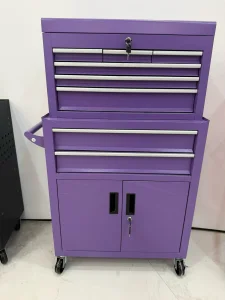
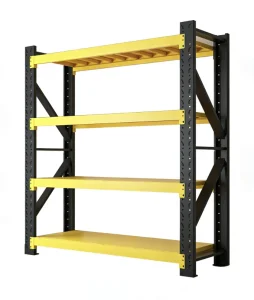
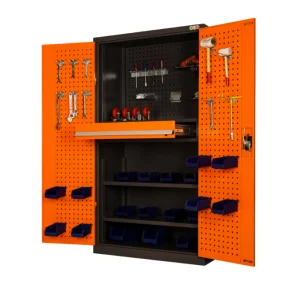
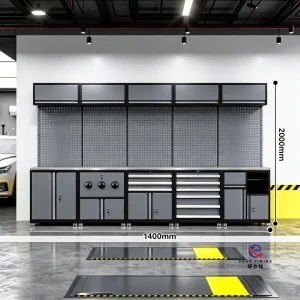
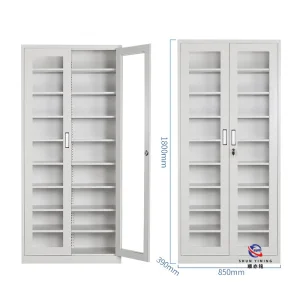
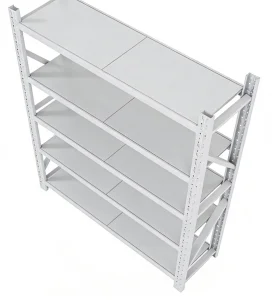
Heavy-duty industrial storage racks, rolling tool trolleys, modular steel workbenches, and motorized filing solutions.
 GuciRack