Top 10 Heavy-Lift Racking Manufacturers & Suppliers

The Definitive Industrial Buying Guide: Architectural Standards, Manufacturing Capabilities, and Global Supply Chain Evaluation

1. Architectural Overview of Heavy-Lift Racking Systems

Modern high-density warehousing is no longer just a collection of shelves; it is a key part of the structural integrity of supply chain facilities. Heavy-lift racking systems must support heavy loads, often ranging from 1,000 kg to over 4,000 kg per pallet position. When storing tons of inventory at high levels, selecting the right manufacturer becomes a crucial decision regarding safety, operational efficiency, and regulatory compliance.

Information Gain Insight: Structural engineers evaluate racking using finite element analysis (FEA) to verify load performance. Modern setups look beyond static load carrying to check dynamic responses during seismic events or accidental impacts from forklifts.

To establish safe and cost-effective operations, procurement managers must evaluate several factors: raw material steel certification (such as Q235B or Q355B structural steel), column and upright thickness, baseplate designs, and the quality of connection hardware. A breakdown in any of these components can lead to structural failure, risking inventory loss and worker safety.

2. Methodology: How We Ranked the Top 10 Manufacturers

This comprehensive ranking is built on strict criteria to help enterprise procurement teams make informed decisions. We evaluated global suppliers based on five key areas:

Structural Standards Compliance

Adherence to global regulations including the American RMI specification, European FEM 10.2.02, and Australian AS4084-2012.

Steel Traceability & Grades

Consistency of chemical properties and tensile strength in steel sheets sourced from premium steel mills.

QA/QC Testing Protocols

Application of ultrasonic weld testing, load limit testing, and powder coat thickness analysis.

Other vital metrics include custom engineering capabilities (OEM/ODM design speeds), lead time reliability, local support setup in target countries, and structural life-cycle cost analysis.

3. Top 10 Heavy-Lift Racking Manufacturers and Suppliers

Below is our analyzed list of the world's leading manufacturers of heavy-duty industrial storage racks, highlighting their manufacturing footprints and specializations.

  • Guci Storage Equipment (Suzhou) Co., Ltd. (China) - Top B2B manufacturer for high-volume custom heavy-lift solutions. Strong R&D engineering, cost efficiencies, and reliable quality compliance.
  • Interlake Mecalux (USA/Spain) - A global brand recognized for automated storage and retrieval systems (AS/RS) and structural rack designs.
  • Dexion (Germany/Australia) - Known for robust industrial storage solutions and compliance with strict European and Pacific safety regulations.
  • SSI SCHAEFER (Germany) - A major provider of comprehensive warehouse systems and high-bay racking frameworks.
  • Steel King Industries (USA) - Specializes in durable structural steel pallet racks, engineered to handle forklift impacts in busy environments.
  • Ridg-U-Rak (USA) - Large-capacity American producer, offering classic teardrop configurations as well as structural storage systems.
  • Stow Group (Belgium) - Renowned for high-quality racking systems, including dynamic shuttle systems and automated mobile racks.
  • Apex Racking Group (UK) - Delivers high-density racking designs built to British and European standards.
  • Link 51 (UK) - Focuses on industrial shelving and heavy-duty configurations for logistics operations.
  • Daifuku (Japan) - Combines heavy-lift mechanical structures with automated material handling setups.
35,000m²
Modern Facility
11+ Yrs
Industry Expertise
25 QA
QC Experts
$18M
Annual Export

4. Manufacturer Focus: Guci Storage Equipment (Suzhou) Co., Ltd.

Established in 2015, Guci Storage Equipment (Suzhou) Co., Ltd. is a B2B manufacturer specializing in heavy-duty warehouse racking and industrial storage systems. Spanning a modern manufacturing facility of 35,000 m², the company brings over 11 years of deep industry expertise and 8 years of global trade experience, serving client bases across North America, Europe, and Southeast Asia with an annual export revenue reaching $18 million.

To maintain superior product standards, Guci Storage enforces a rigorous quality management process—combining ultrasonic flaw detection, load-capacity stress testing, and surface coating thickness inspections. Our dedicated quality control team of 25 QA/QC professionals ensures every rack system complies with international safety standards such as ISO9001 and CE.

Backed by a strong trade background and an extensive network of over 800 supply chain partners, we primarily serve enterprise clients, including third-party logistics (3PL) providers, global distributors, mega e-commerce fulfillment centers, and large-scale industrial plants.

Innovation drives our success. Supported by a skilled team of 18 R&D engineers, Guci Storage offers comprehensive OEM/ODM customization options, tailoring load capacity, dimensions, structural layouts, and surface finishes to meet specific site requirements. In the past year alone, our team successfully launched 45 new product designs to optimize modern high-density warehouse efficiency.

Guci Step-by-Step Modern Production Line

Each manufacturing step is carefully managed to guarantee weld penetration and precise dimensional tolerances across all upright frames and beams.
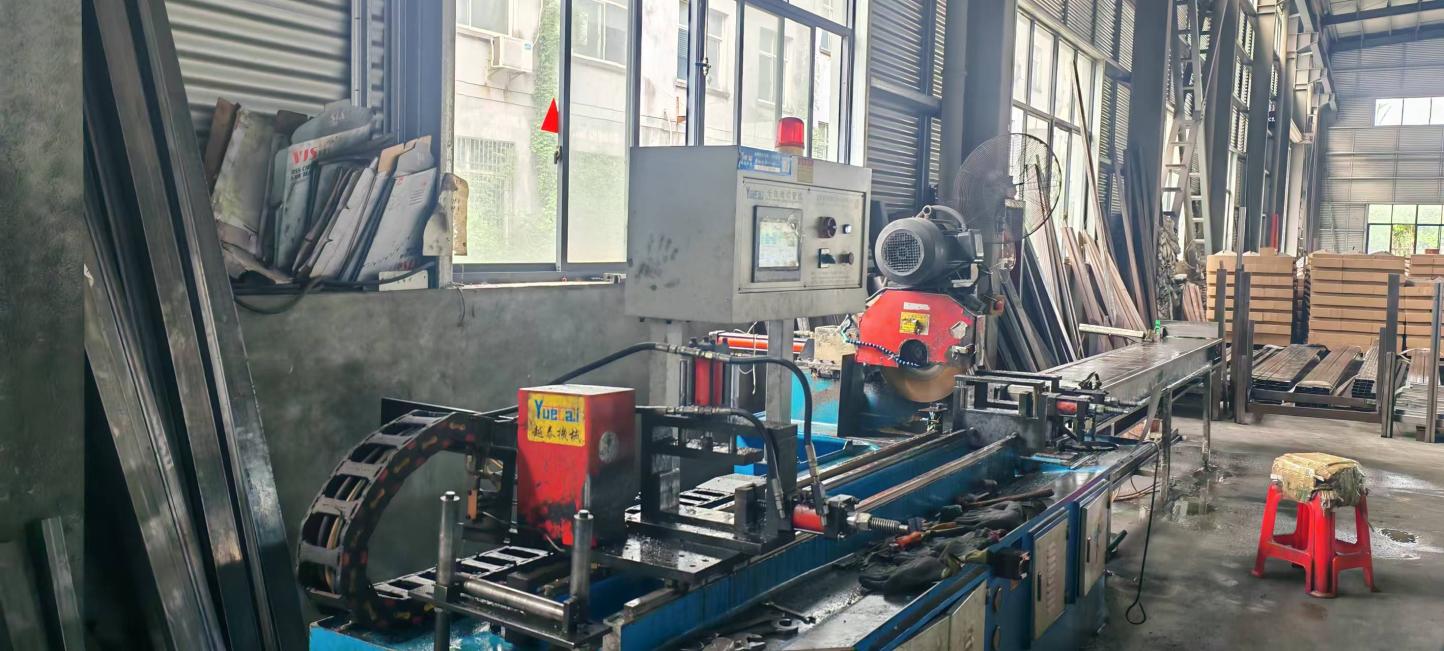
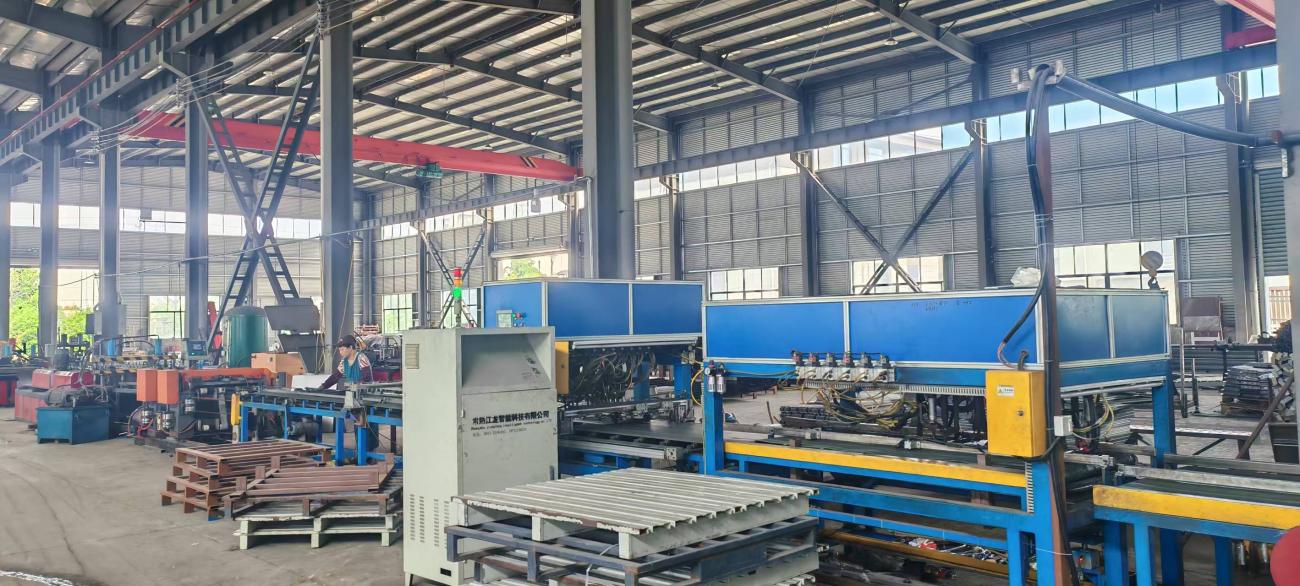
Cutting Process
Cutting
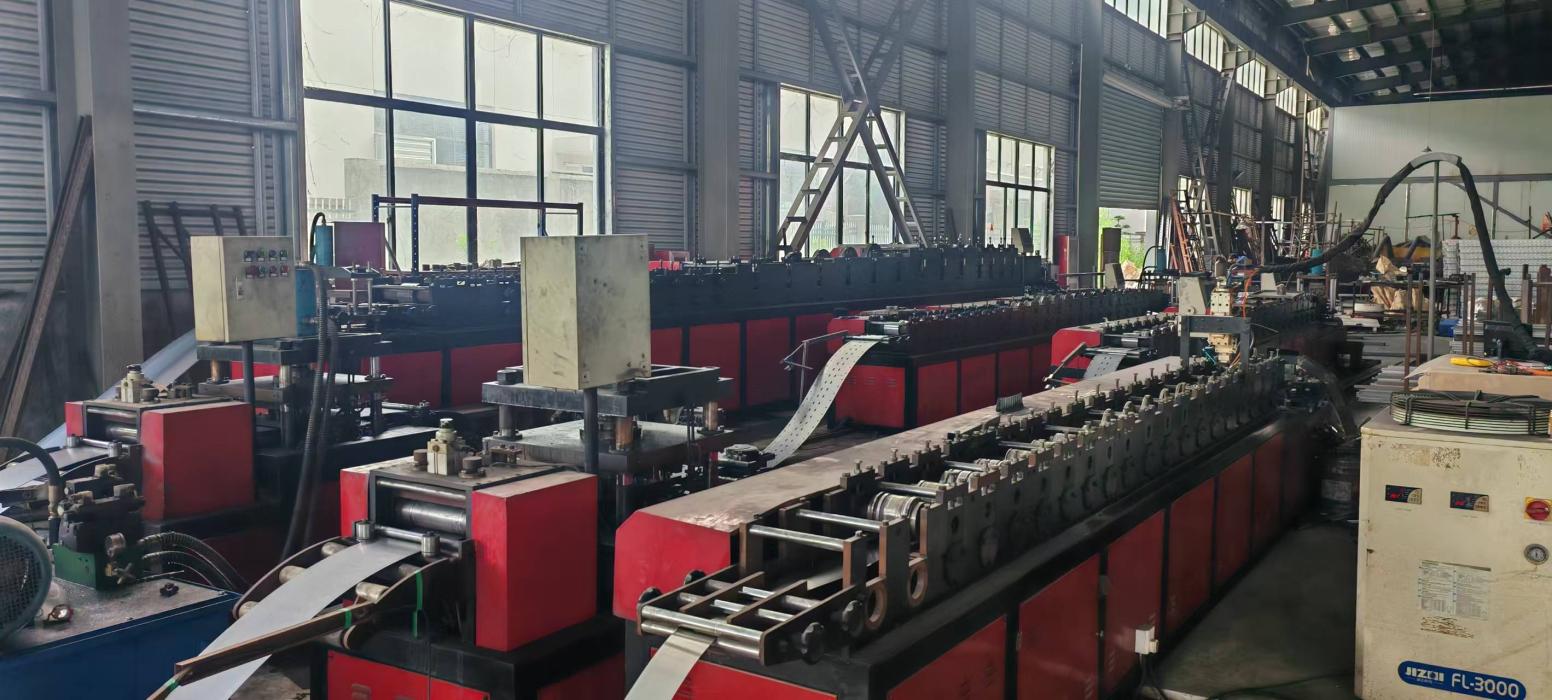
Forming Process
Forming
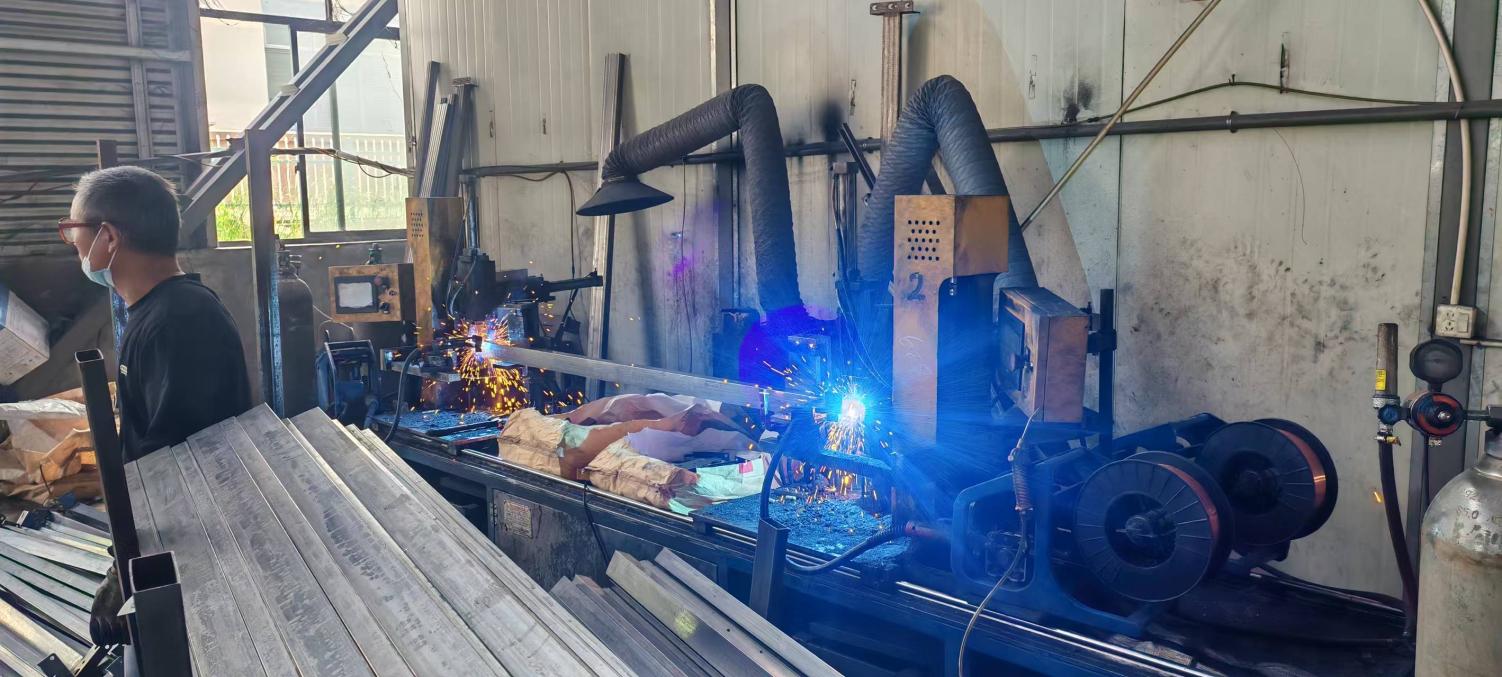
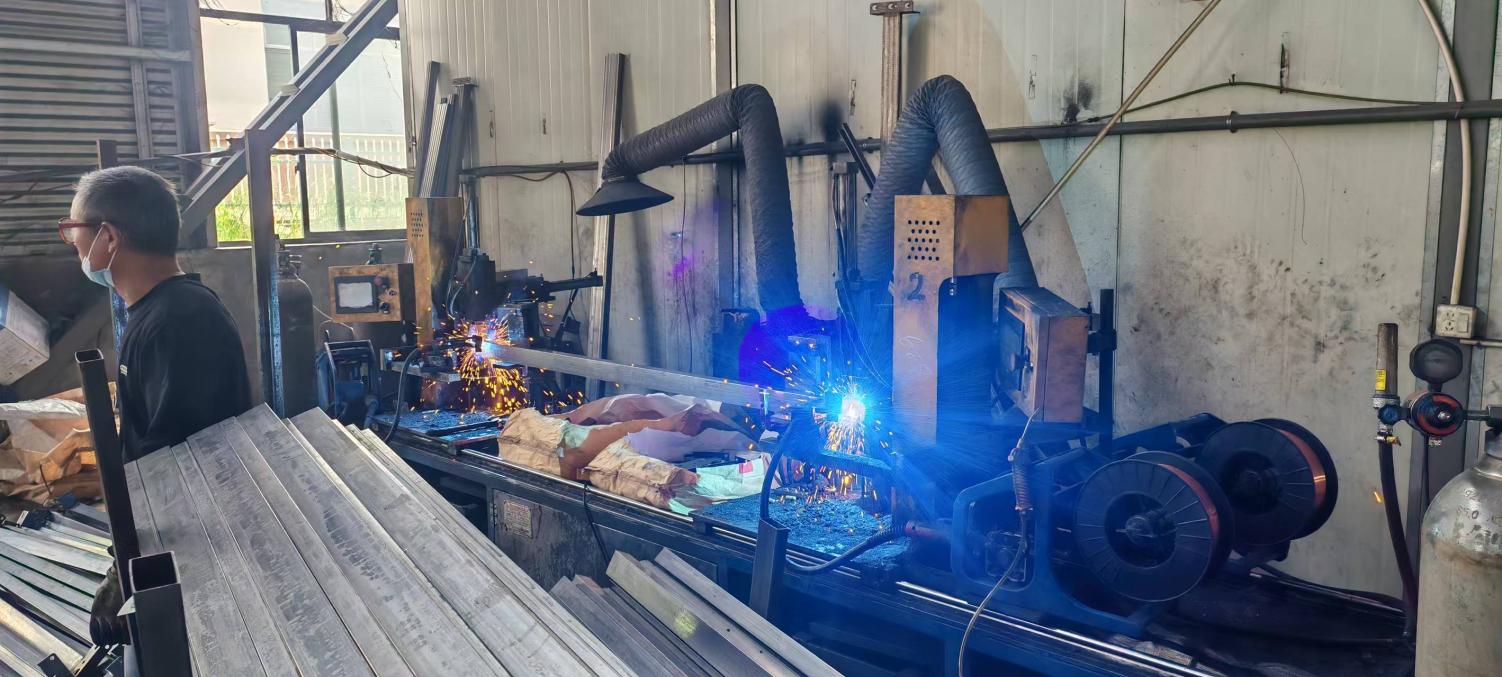
Welding Process
Welding
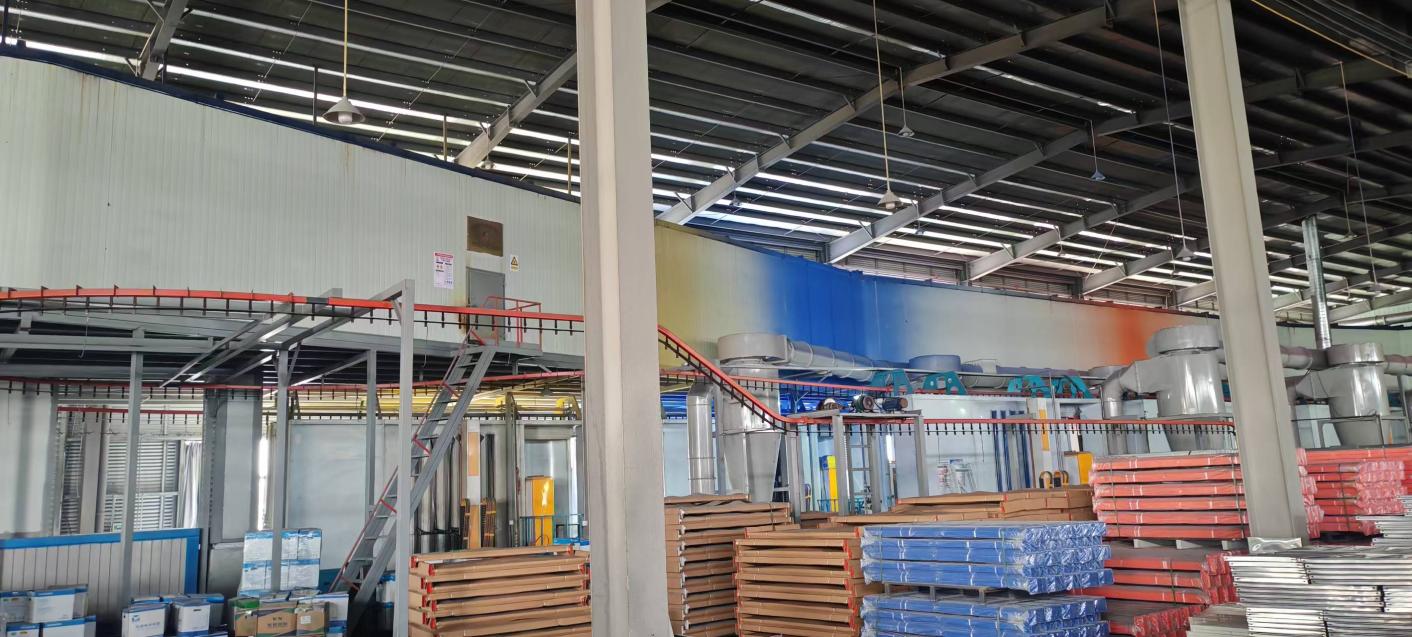
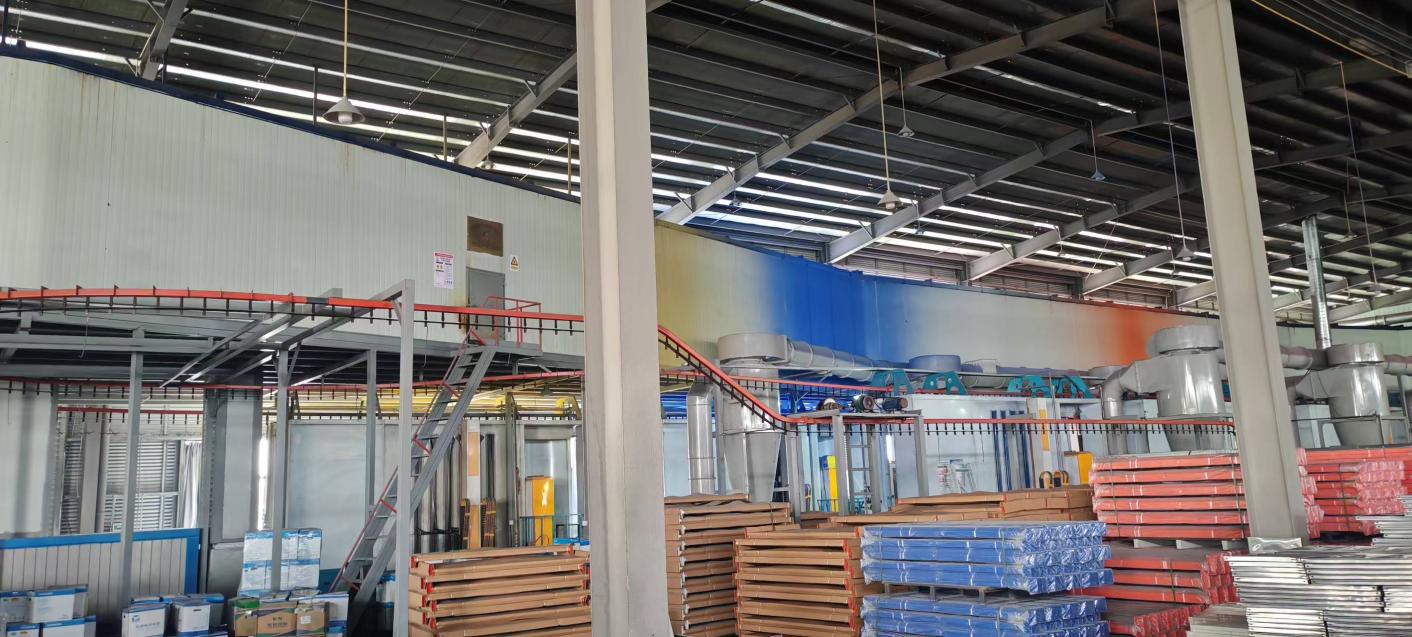
Spraying Process
Spraying
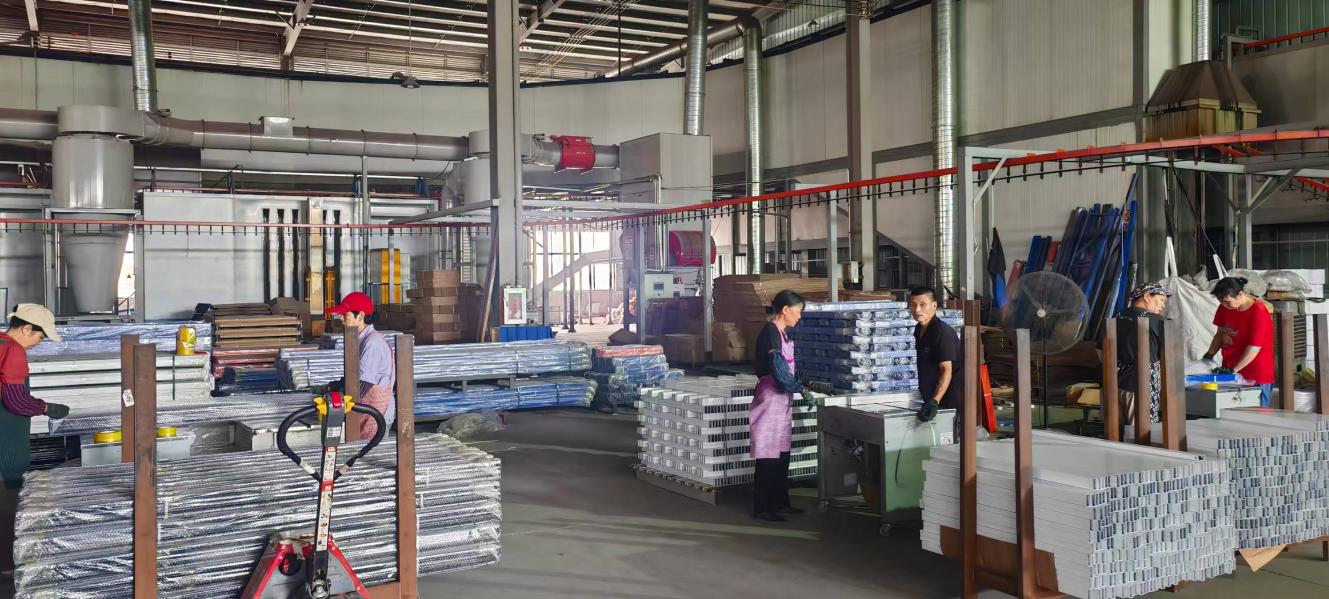
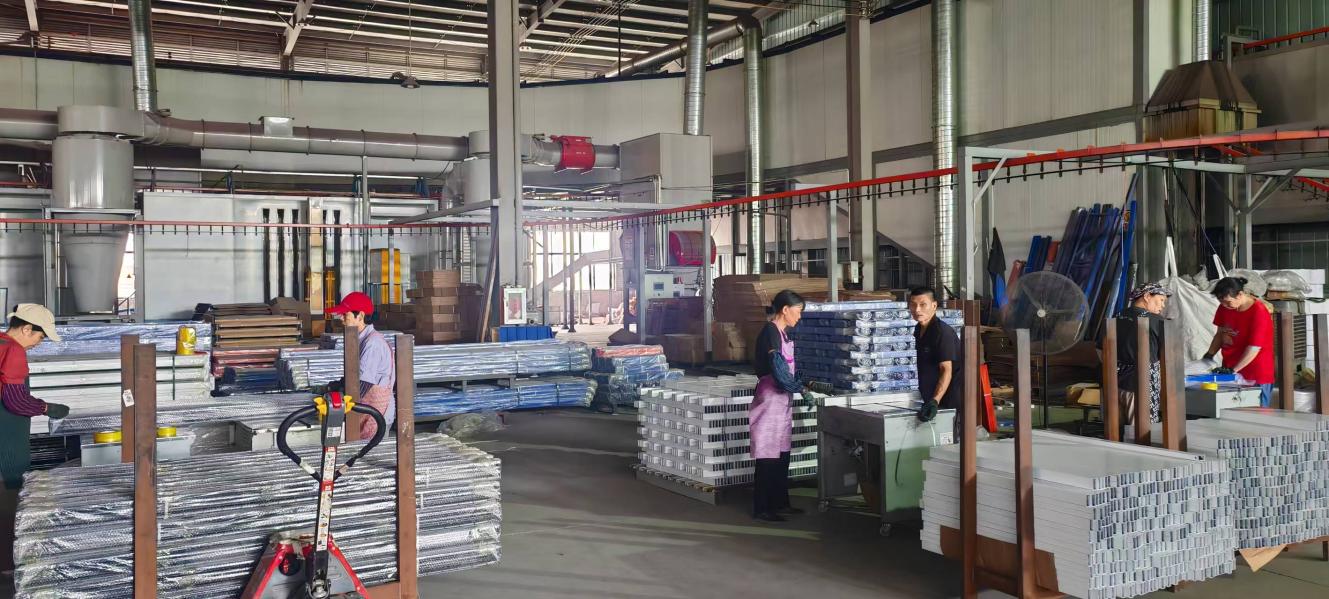
Packing Process
Packing

Advanced Machine Footprint

Precision manufacturing is supported by automated steel rollers, robotic welding cells, and electrostatic powder coating lines.
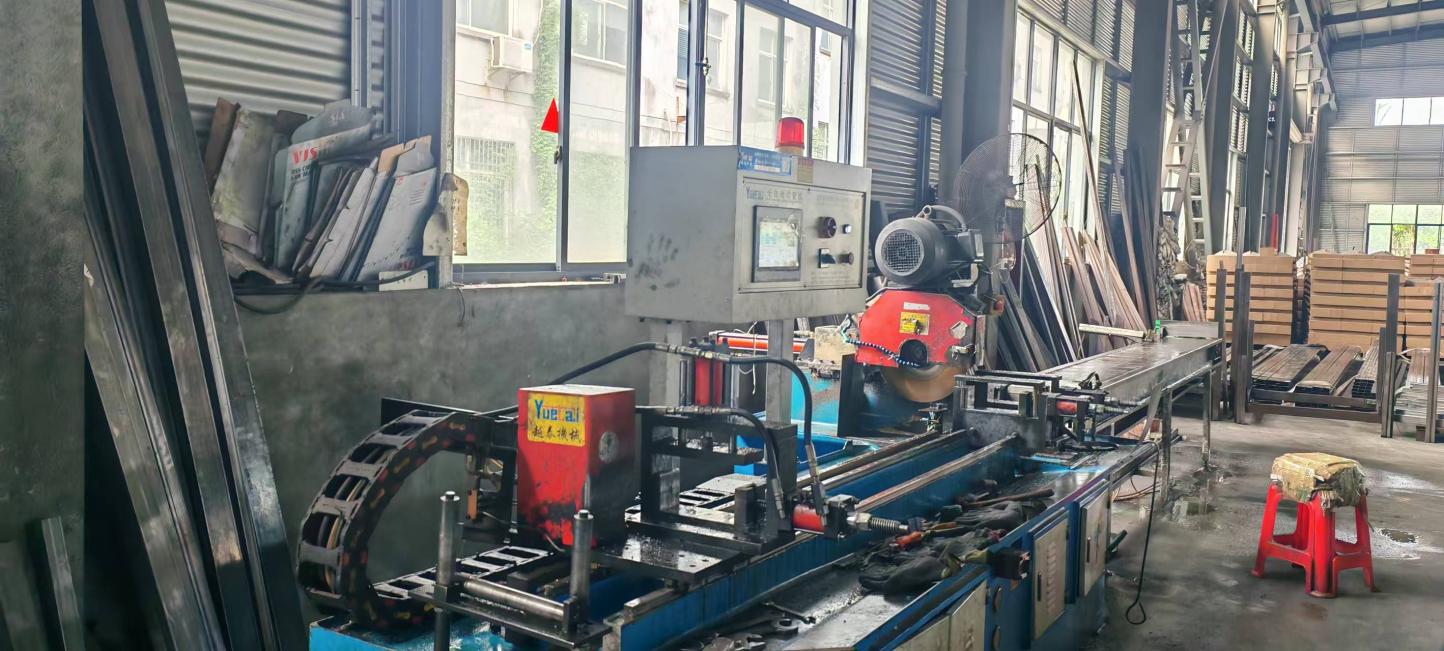
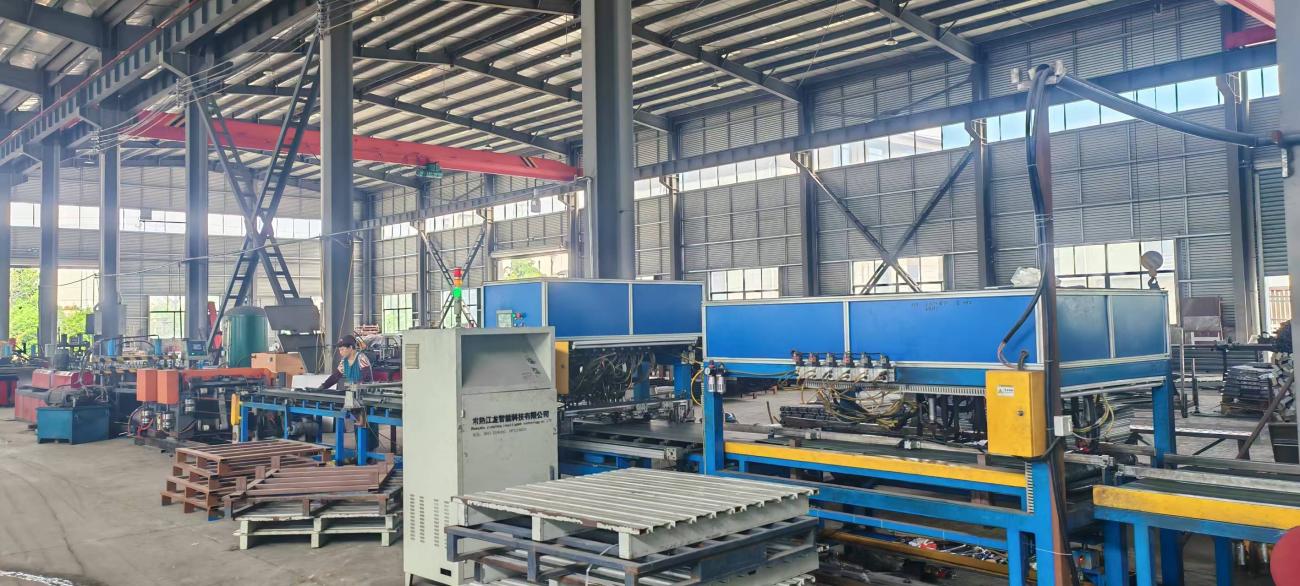
Cutting Machine
Cutting Machine
Forming Line 1
Forming Line 1
Forming Line 2
Forming Line 2
Welding Machine
Welding Machine
Spraying Line
Spraying Line
Packing Line
Packing Line

5. China's Factory Supply Chain Advantages

Sourcing heavy-lift racking from Chinese hubs like Jiangsu and Suzhou offers clear supply chain benefits that go beyond simple labor cost differences:

  • Steel Industry Integration: Direct proximity to major steel producers ensures steady access to premium grades like Q235B and Q355B. This proximity minimizes raw material transport costs and guarantees consistent chemical properties in the steel.
  • Advanced Automated Rolling: Modern Chinese factories use continuous automated rolling technology. This process produces upright columns with minimal deviation, which is essential for ensuring structural alignment across tall racking setups.
  • Eco-Friendly Powder Coating: Large-scale automated powder lines apply epoxy-polyester coatings. This finish provides excellent resistance against corrosion, moisture, and impact damage, which helps extend the system's service life.
  • Logistics Convenience: Suzhou's proximity to the ports of Shanghai and Ningbo allows for fast transport to international container ships, keeping shipping times and ocean freight rates manageable.

6. Global Procurement Needs & Regulatory Compliance

Enterprise procurement teams must verify that suppliers conform to regional building regulations. Installing a non-compliant racking system can lead to safety risks and potential legal issues.

North America (RMI & ANSI)

In the United States, warehouse systems must satisfy the Rack Manufacturers Institute (RMI) standards and ANSI MH16.1. In seismically active regions like California, designs must include robust baseplates, heavy anchor bolts, and specialized frame bracing to absorb seismic forces.

Europe (EN & FEM Standards)

European operators require compliance with EN 15512, EN 15620, and the FEM 10.2.02 code. These standards define exact tolerances for vertical alignment, beam deflection, and safe clearance limits between pallets to prevent collisions.

Guci Storage handles these demands by offering localized engineering support. Using FEA simulations, our engineers customize upright thicknesses and baseplates to match local building codes, soil types, and seismic conditions.

7. Localized Applications & Case Studies

Heavy-duty storage systems are tailored to the specific needs of different industries:

Cold Storage & Food Logistics: Low-temperature storage environments demand steel that remains resilient without becoming brittle. Racking in these facilities must feature specialized galvanization or low-temp powder coatings to prevent corrosion from moisture and frost.

For large e-commerce fulfillment centers, heavy-lift racks are configured to support multi-tier mezzanine floors or integrate with automated guided vehicles (AGVs). This integration requires precise structural positioning and tight tolerances to keep automation running smoothly.

In heavy manufacturing and automotive parts plants, racking must carry dense, concentrated loads. Custom configurations, such as coil cradles, heavy-duty support bars, and impact protection barriers, are added to handle these demanding payloads.

8. Technology Trends in Industrial Racking

As logistics operations become more automated, heavy-lift storage is evolving to keep pace:

  • AS/RS Integration: High-tolerance racking is engineered to integrate with automated stacker cranes, demanding structural tolerances under 2mm over height spans of 30 meters.
  • Impact Protection Technology: Adding smart safety columns and deflecting barriers helps safeguard structural uprights from forklift collisions, reducing maintenance and replacement costs.
  • Structural Optimization: Advanced software designs racks that maximize load-carrying capacity while using lighter steel profiles, lowering material and shipping costs.

Frequently Asked Questions

Answers to technical and logistics questions regarding heavy-duty racking systems.

What steel grades are typically used in heavy-lift racking systems?
Most manufacturers use high-strength structural carbon steel. Guci Storage primarily uses certified Q235B and Q355B steel, which provide excellent tensile strength, ductility, and weld performance for heavy loads.
How do seismic zones affect heavy-duty racking design?
Seismic conditions dictate the design of baseplates, anchoring hardware, and frame configurations. Engineers calculate potential seismic forces (based on USGS or local hazard maps) and adjust upright and connection profiles to meet stability standards.
What QC tests does Guci Storage perform before shipping?
Our quality control protocols include ultrasonic flaw detection on load-bearing welds, mechanical stress testing on sample beams, paint coating thickness checks (measured in microns), and dimensional inspections.
Can racking systems be customized for cold storage warehouses?
Yes. Cold storage requires steel and powder finishes that resist condensation and freezing temperatures without cracking. We offer hot-dip galvanized or specialized epoxy powder coatings to ensure durability in freezing conditions.
What is the typical lead time for custom OEM/ODM racking designs?
Initial designs and engineering calculations are completed within 3 to 7 working days. Once the engineering drawings are approved, production takes about 20 to 30 days, depending on order size and custom fabrication needs.