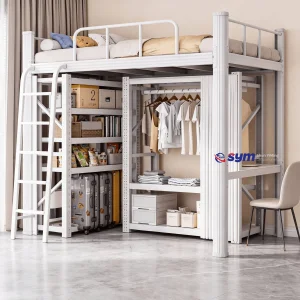
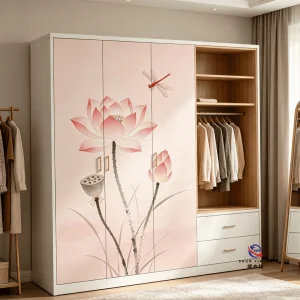
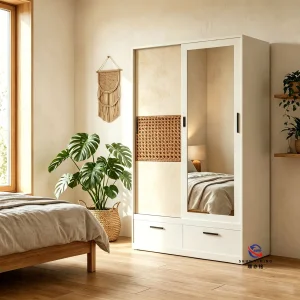
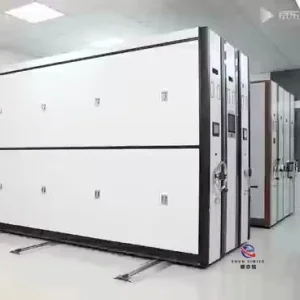
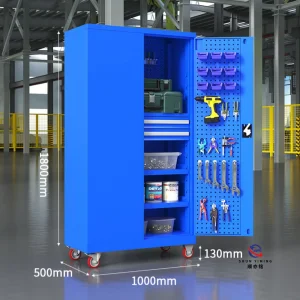
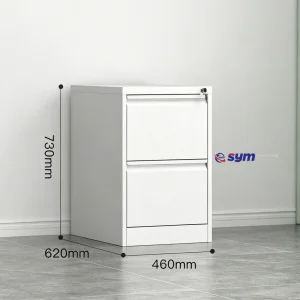
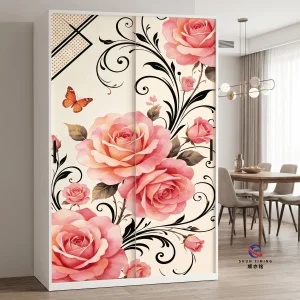
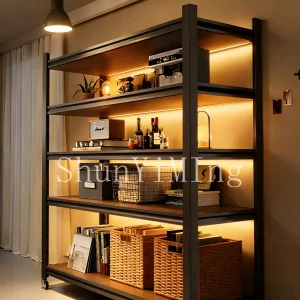
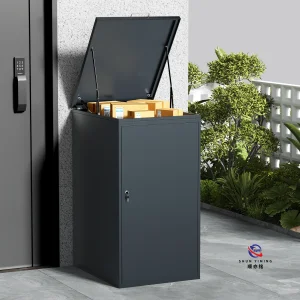
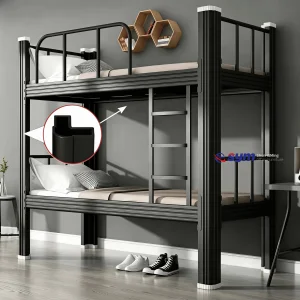
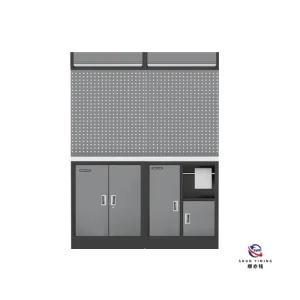
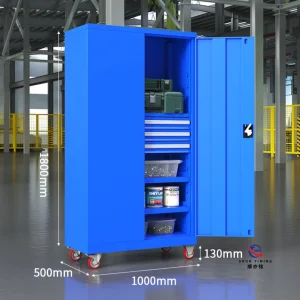
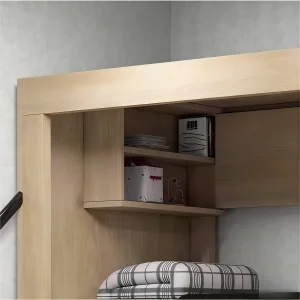
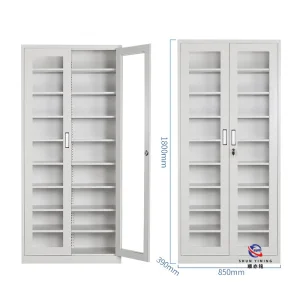
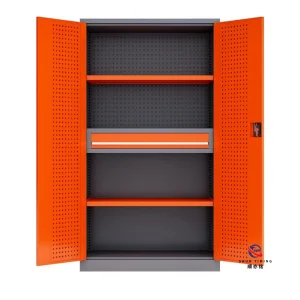
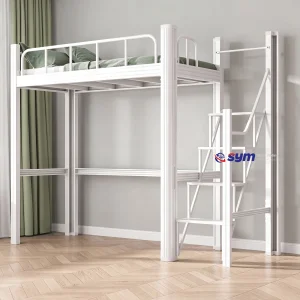
Engineered for durability, spatial efficiency, and seamless tool-free integration. Explore our primary industrial and commercial designs below.
Analyzing market drivers, space constraints, and the transition to high-density modular storage networks.
Modern businesses demand quick adaptation. Modular storage cubes allow warehousing, distribution centers, and retail stores to expand vertically and horizontally without heavy initial capital investments in static structures.
With the rise of micro-fulfillment hubs, physical spaces are shrinking while SKU counts explode. Industrial steel cubes and organized bins maximize inventory density, driving down picking times and streamlining order preparation.
Residential housing, student campuses, and office environments are seeing reduced footprint areas. Space-optimizing organizers, mobile archives, and modular cabinets are bridging the gap between limited room and organizational needs.
Information Gain Insight: The shift from rigid, single-purpose shelving to highly custom, modular structures (like KD steel cabinets and smart electronic mobile shelves) has reduced storage footprint requirements by up to 40% across commercial facilities.
Under the leadership of Guci Storage Equipment (Suzhou) Co., Ltd., we inspect how engineering accuracy defines the global top-tier ranking.
Established in 2015, Guci Storage Equipment (Suzhou) Co., Ltd. is a leading B2B manufacturer specializing in heavy-duty warehouse racking and industrial storage solutions. Spanning a modern manufacturing facility of 35,000 m², the company brings over 11 years of deep industry expertise and 8 years of global trade experience, serving client bases across North America, Europe, and Southeast Asia with an annual export revenue reaching $18 million.
To maintain superior product standards, Guci Storage enforces a rigorous quality management process—combining ultrasonic flaw detection, load-capacity stress testing, and surface coating thickness inspections. Our dedicated quality control team of 25 QA/QC professionals ensures every rack system complies with international safety standards such as ISO9001 and CE.
Backbone by a strong trade background and an extensive network of over 800 supply chain partners, we primarily serve enterprise clients, including third-party logistics (3PL) providers, global distributors, mega e-commerce fulfillment centers, and large-scale industrial plants.
Innovation drives our success. Supported by a skilled team of 18 R&D engineers, Guci Storage offers comprehensive OEM/ODM customization options, tailoring load capacity, dimensions, structural layouts, and surface finishes to meet specific site requirements. In the past year alone, our team successfully launched 45 new product designs to optimize modern high-density warehouse efficiency.
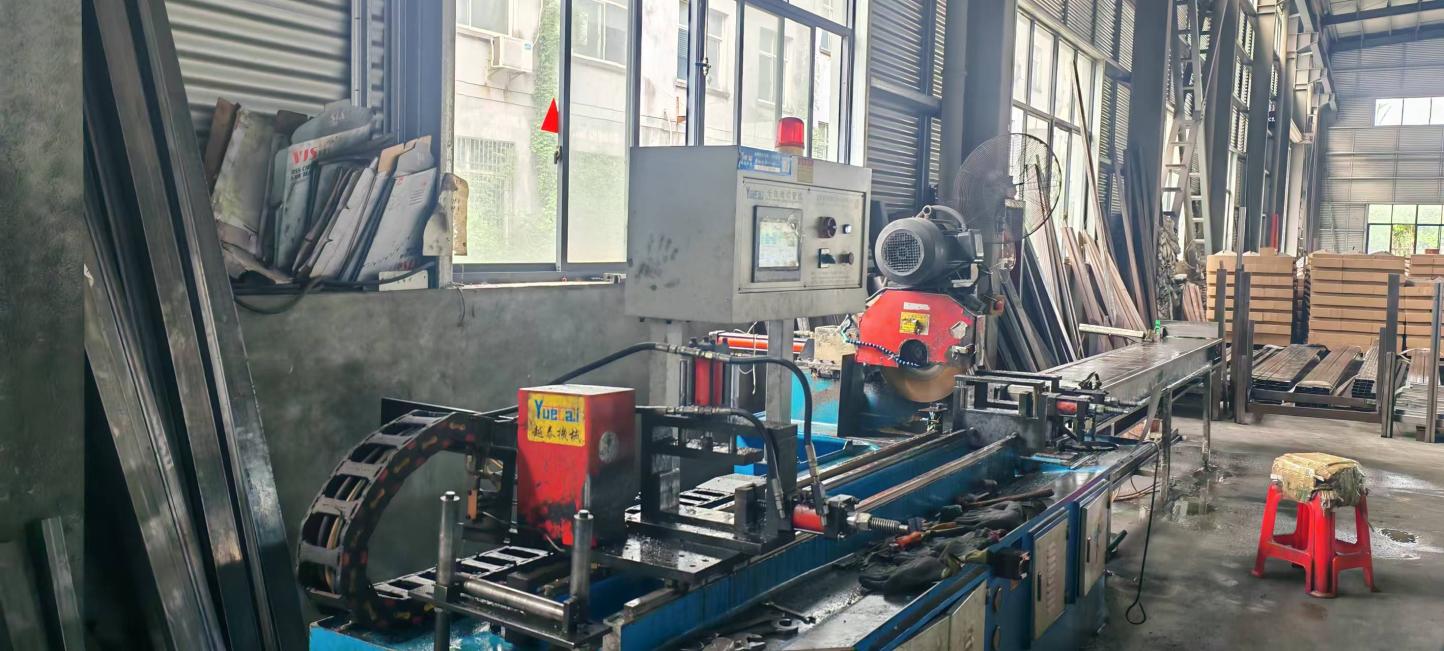
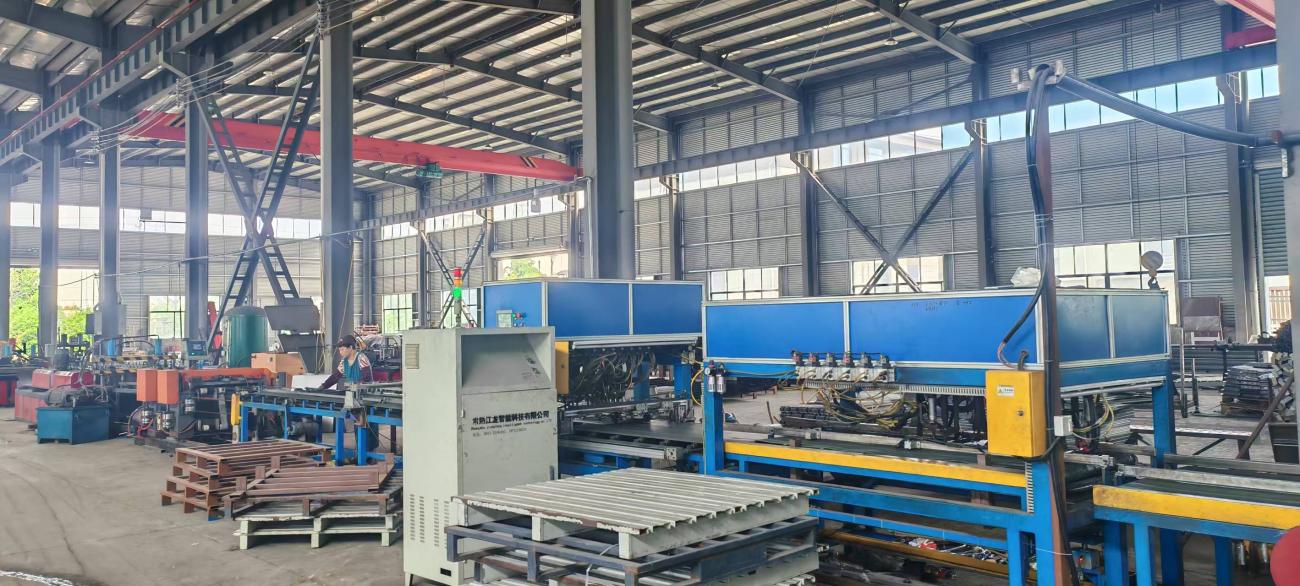
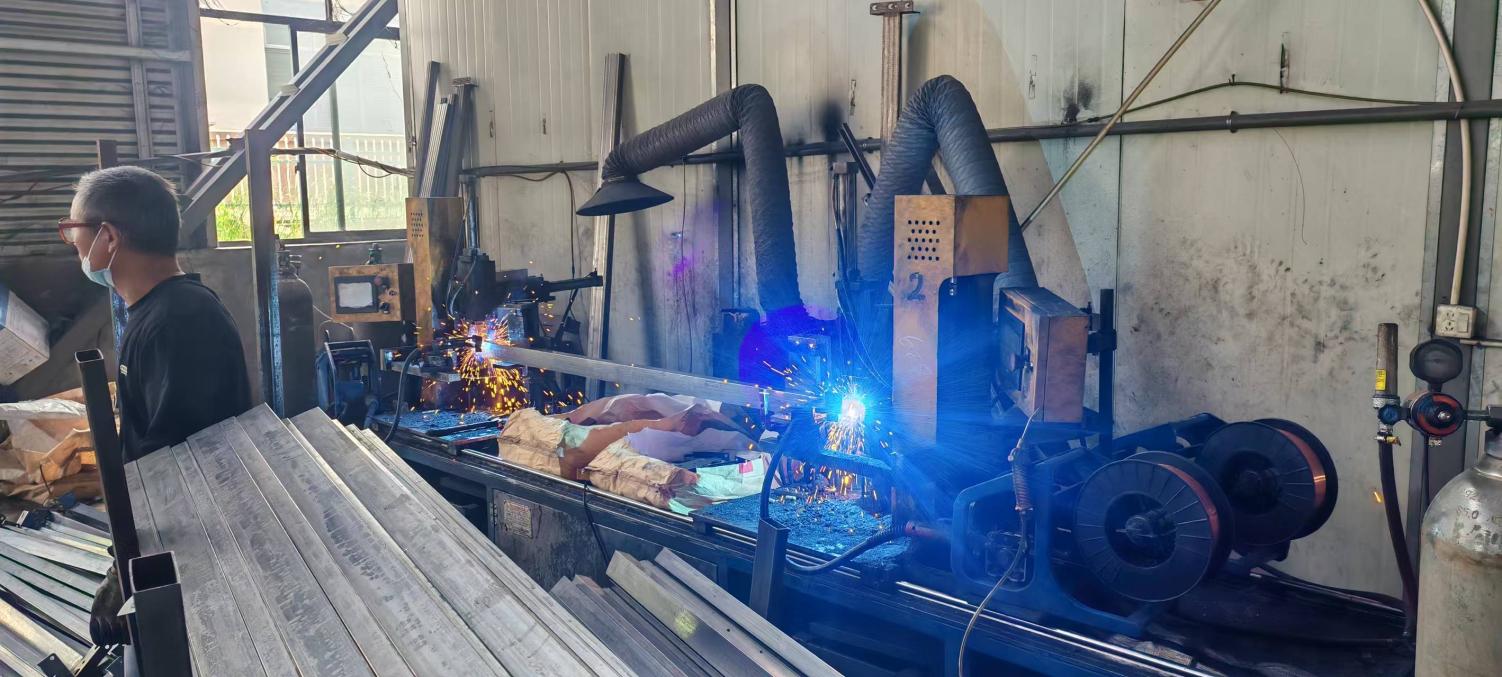
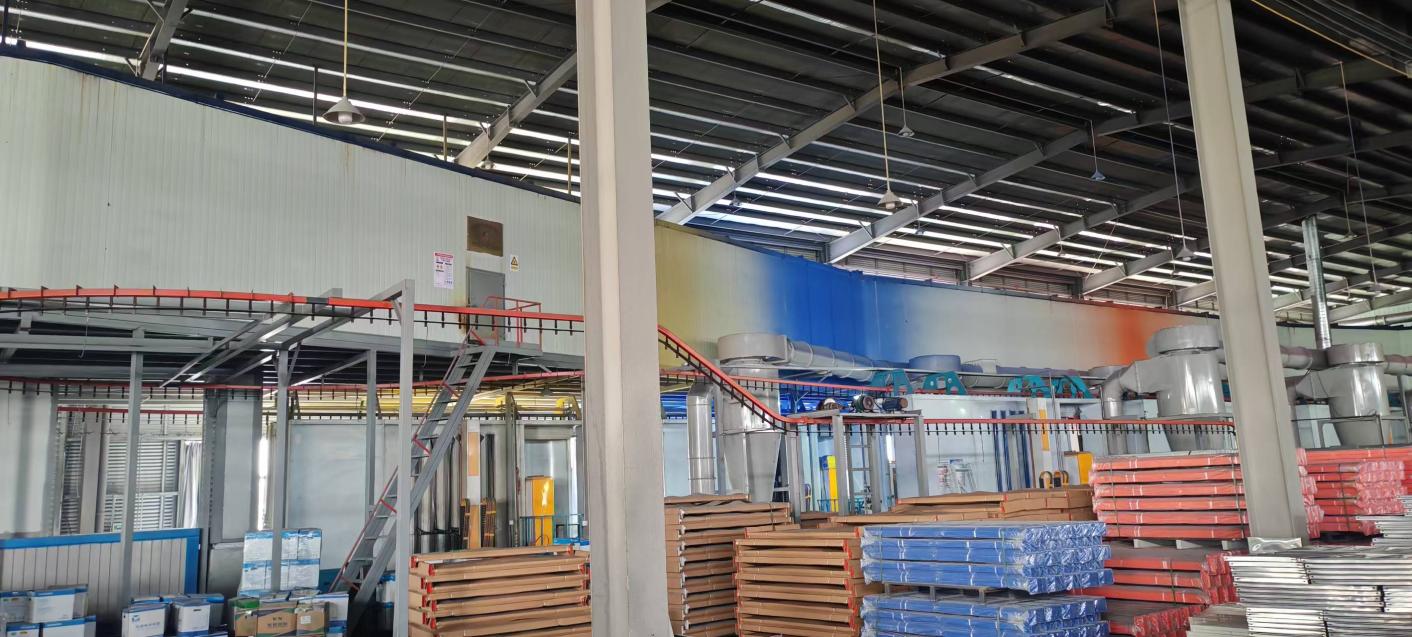
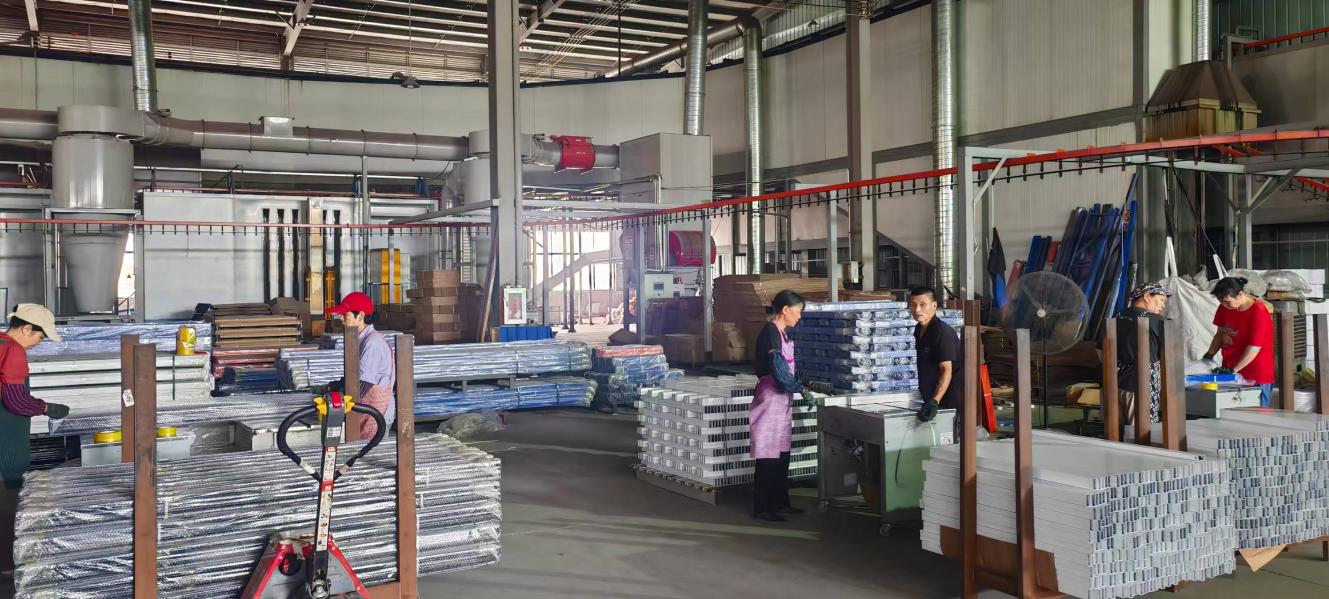
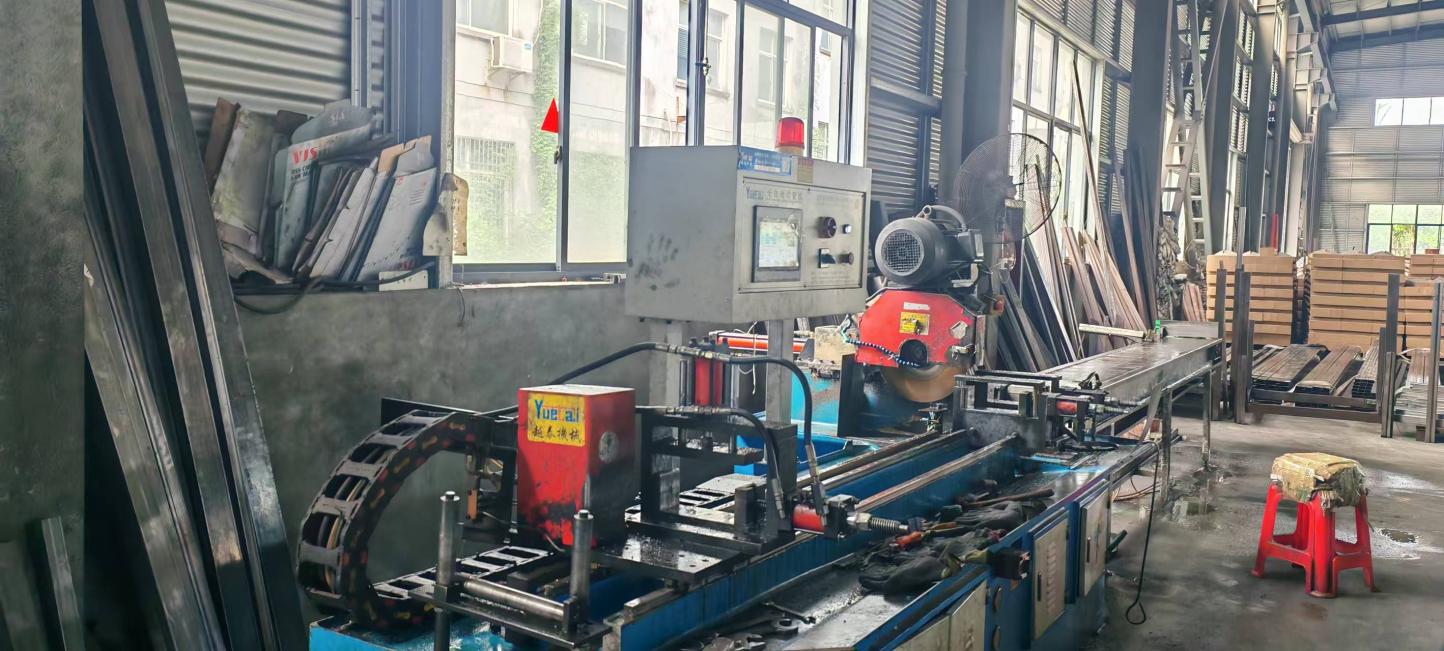
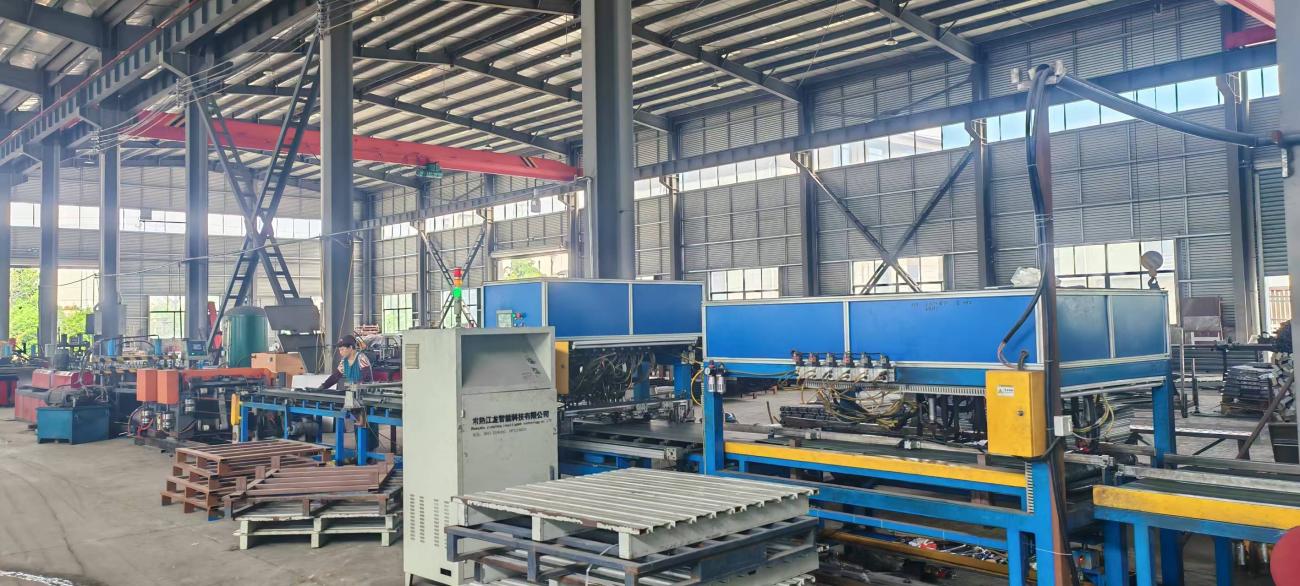
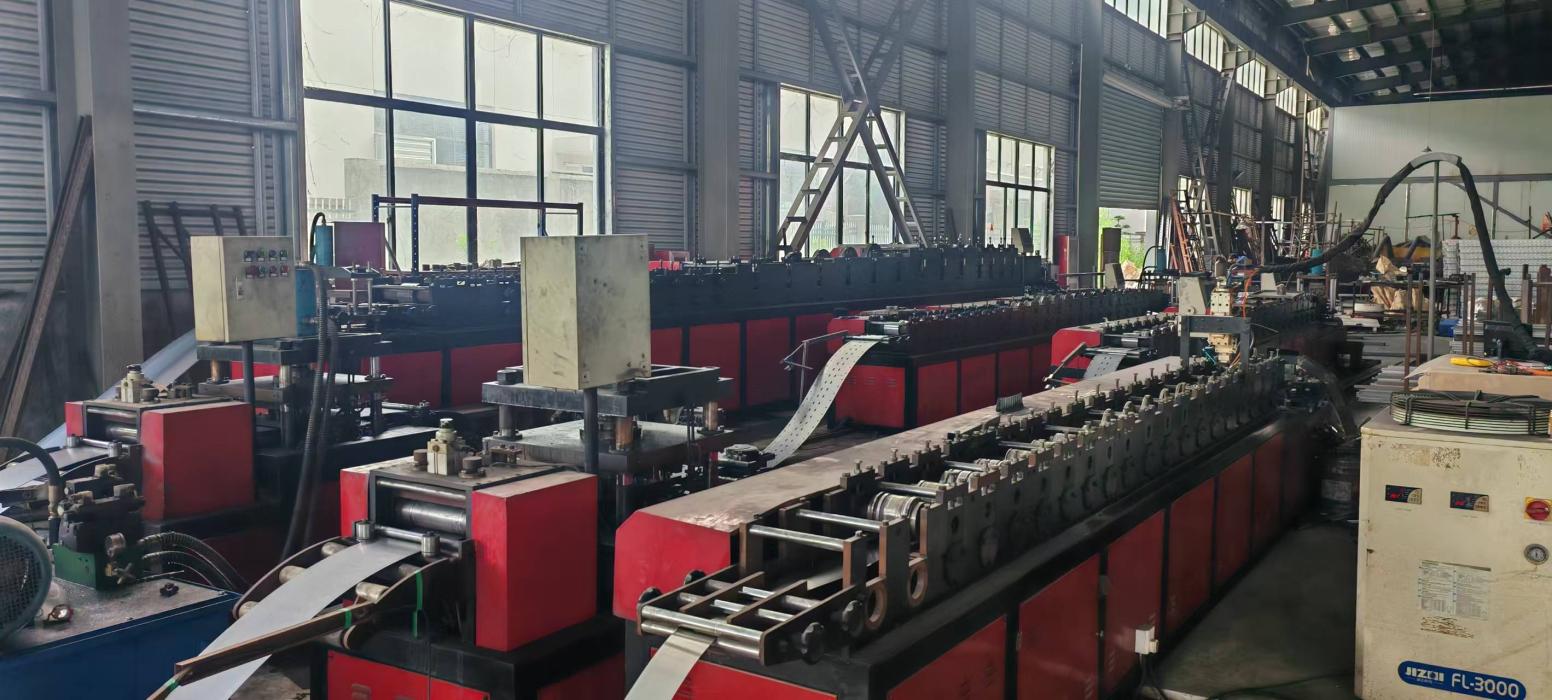
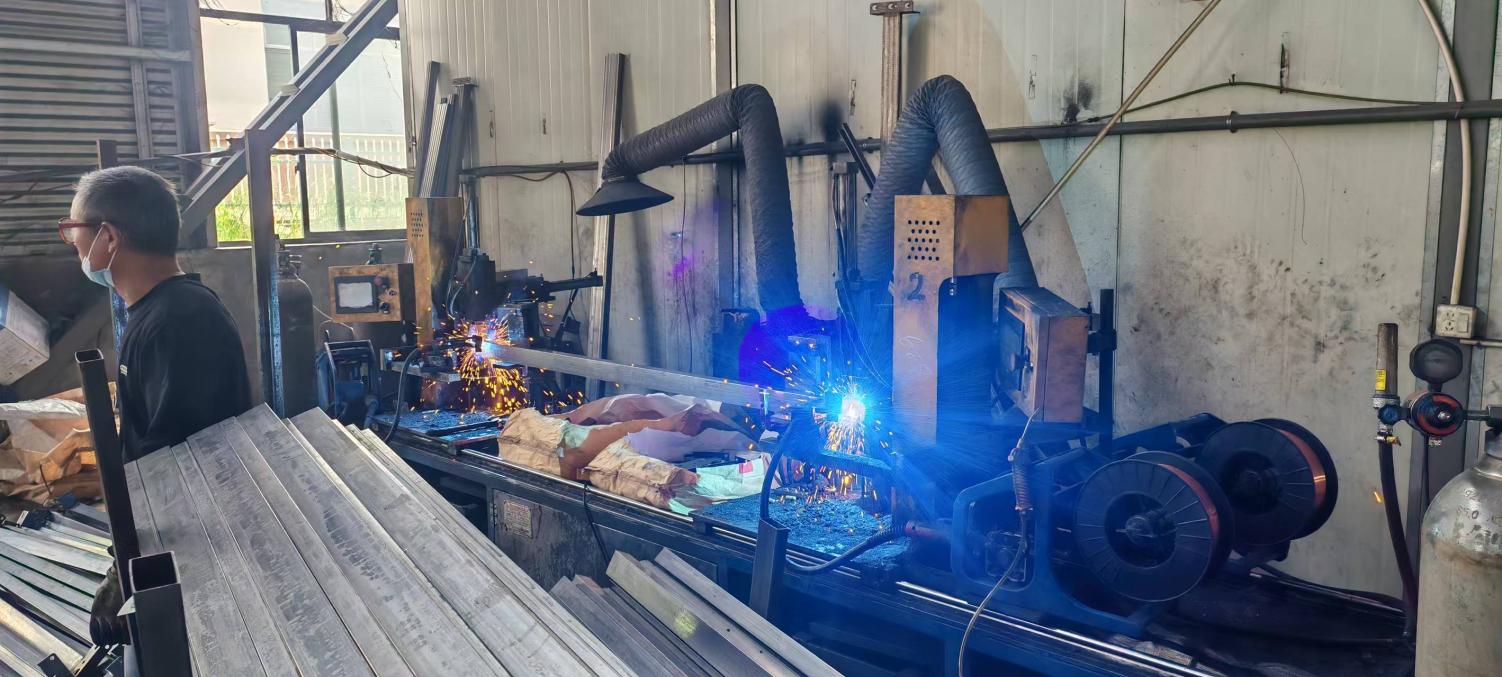
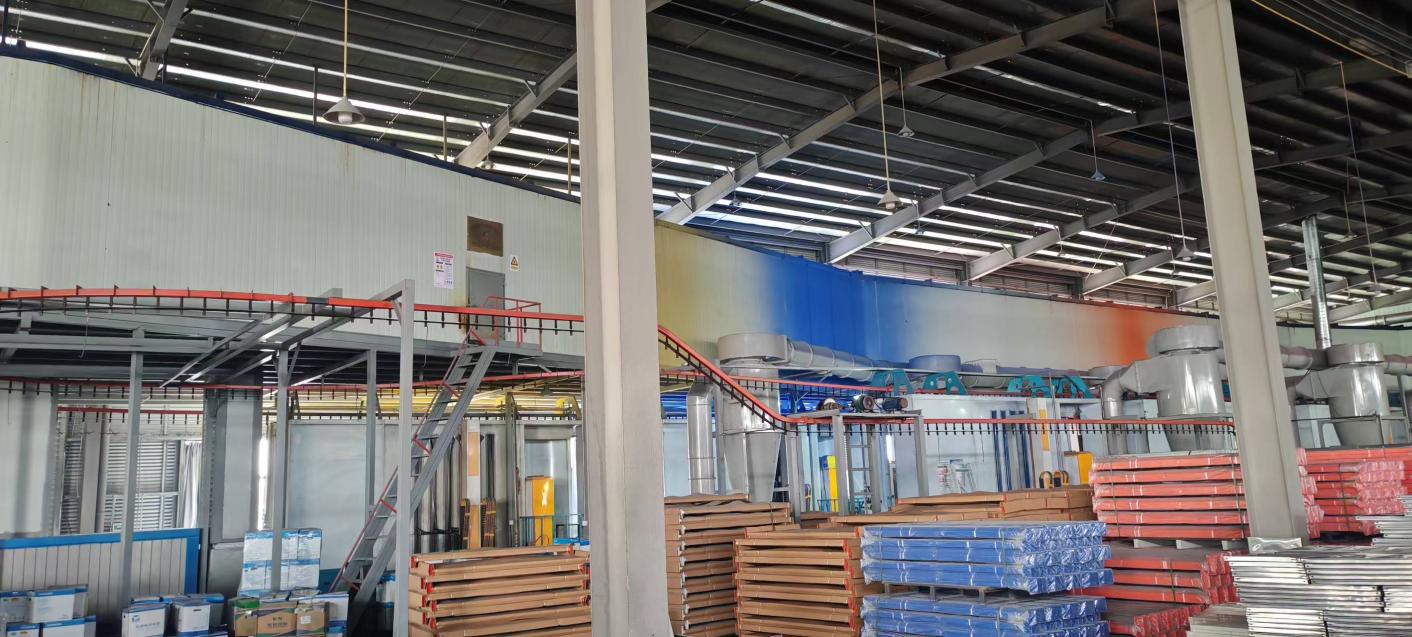
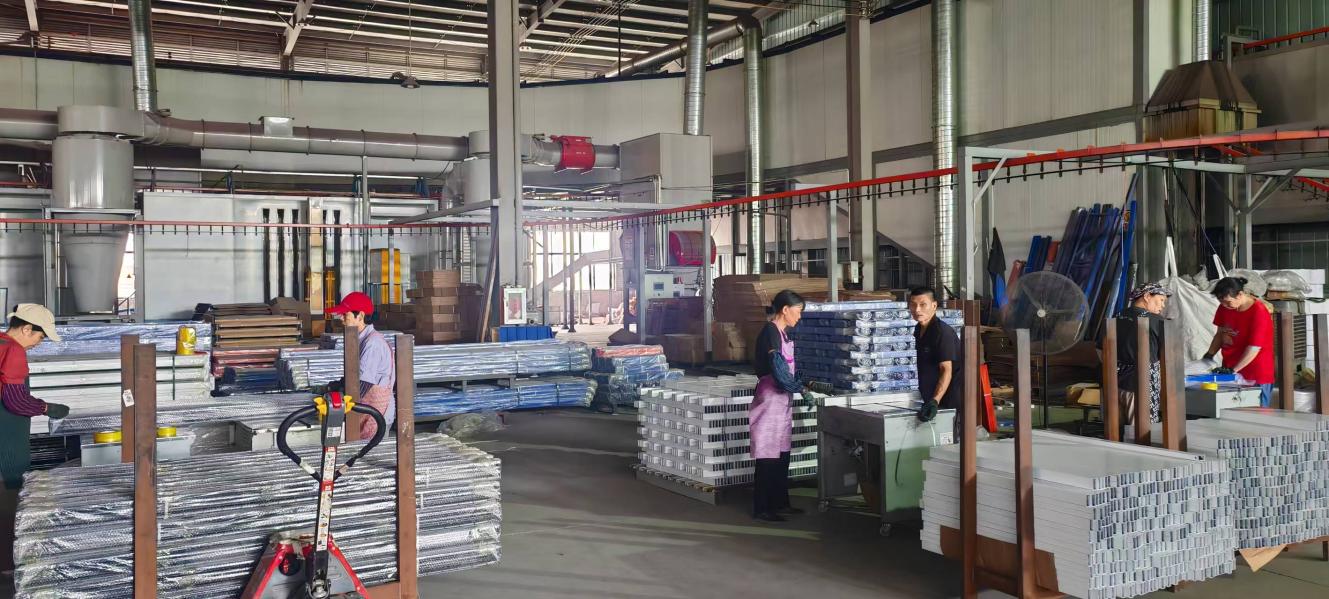
A visual tour through the high-efficiency machining, forming, welding, and surface treatment lines at our Suzhou facility.
Why sourcing steel storage products from integrated clusters like Suzhou minimizes risk and maximizes ROI.
Proximity to top-tier steel producers ensures consistent supply of high-grade, cold-rolled steel. This cushions production schedules against macro-market volatility and ensures structural uniformity across bulk runs.
By using automated punching machines, intelligent laser cutters, and multi-axis welding robots, Chinese factories maintain unmatched cycle efficiency. Production timelines are cut by up to 30% compared to Western counterparts.
With direct access to major shipping ports like Shanghai and Ningbo, the logistics network features highly optimized container packing strategies (such as KD/flat-packed structures) to dramatically slash ocean freight expenses.
Looking ahead at the technological changes altering modular storage and smart furniture systems.
The industry is transitioning toward eco-friendly electrostatic powder coatings that emit zero VOCs. Heavy metal-free coatings combined with energy-efficient curing ovens are becoming standard across leading plants.
Future storage solutions incorporate passive RFID sensors directly into modular frames. This allows warehouses to execute automated inventory scanning in real time without manual barcode registration.
Innovative interlocking mechanisms reduce assembly times by 80%. These patents eliminate complex nut-and-bolt processes, which is ideal for rapidly scalable, direct-to-consumer and business-to-business networks.
Managing regulatory standards and post-sales delivery guarantees in major regional markets.
Premium manufacturers guarantee compliance with key structural certifications including ISO 9001 quality audits, CE markings for European systems, and ANSI/BIFMA ratings for commercial furniture integrity.
To reduce transit risks, elite suppliers deploy secondary warehouse depots in destination markets. This provides swift spare-parts replacement and mitigates standard lead-time pain points.
Direct communication lines to engineering hubs streamline custom requests (CAD/BIM modeling), ensuring seamless integration of storage installations into complex, preexisting warehouse floors.
Engineered for extreme durability, heavy load-bearing capabilities, and rapid field assembly.
Direct answers from engineers to help B2B buyers make informed structural decisions.
 GuciRack