Modern industrial supply chains operate in dynamic environments where space maximization is synonymous with operating profitability. Multi-tier platform racking structures, commonly defined as platform racks or rack-supported mezzanines, have emerged as the foundational blueprint for optimizing high-ceilinged fulfillment spaces. Unlike traditional single-tier shelving, platform racks act as structurally independent vertical extensions that double or triple usable floor areas without altering the building’s main physical infrastructure.
From an engineering perspective, these structures rely heavily on structural cold-rolled or structural hot-rolled structural profiles. Load capacity calculations (UDL - Uniformly Distributed Load) dictate the design criteria of the uprights, beam sizes, and base plates. In industrial warehouses, heavy pallet racks under the platform provide dynamic base load parameters, allowing structural weight configurations between 300 kg/m² to 2000 kg/m² on secondary elevated levels. By aligning horizontal cross-bracing and vertical structural steel framework, modern platforms eliminate sway and ensure maximum safety under severe seismic activity or high dynamic machinery stresses.
Industrial procurement leads do not search solely for "racks"; they search for highly configurable platform systems that resolve physical bottlenecks. Understanding terms like "deflection limit", "structural steel specifications (Q235B vs. Q345B)", and "staircase design regulations according to EN ISO 14122" is critical. Modern logistics centers use these platforms to bridge standard operations with robotic sorting lines (AMR and AGV integration).
Consequently, the demand for custom platform engineering has shifted from standard rack components to integrated architectural steel systems. Leading B2B factories must design with direct tolerances in mind: integrating safety gates, pallet drop zones, safety mesh backdrops, and heavy-duty steel wire decking to ensure fire-safety code compliance (NFPA standards) and unhindered sprinkler system coverage.
Established in 2015, Guci Storage Equipment (Suzhou) Co., Ltd. is a leading B2B manufacturer specializing in heavy-duty warehouse racking and industrial storage solutions. Spanning a modern manufacturing facility of 35,000 m², the company brings over 11 years of deep industry expertise and 8 years of global trade experience, serving client bases across North America, Europe, and Southeast Asia with an annual export revenue reaching $18 million.
To maintain superior product standards, Guci Storage enforces a rigorous quality management process—combining ultrasonic flaw detection, load-capacity stress testing, and surface coating thickness inspections. Our dedicated quality control team of 25 QA/QC professionals ensures every rack system complies with international safety standards such as ISO9001 and CE.
Backbone by a strong trade background and an extensive network of over 800 supply chain partners, we primarily serve enterprise clients, including third-party logistics (3PL) providers, global distributors, mega e-commerce fulfillment centers, and large-scale industrial plants. Innovation drives our success. Supported by a skilled team of 18 R&D engineers, Guci Storage offers comprehensive OEM/ODM customization options, tailoring load capacity, dimensions, structural layouts, and surface finishes to meet specific site requirements. In the past year alone, our team successfully launched 45 new product designs to optimize modern high-density warehouse efficiency.
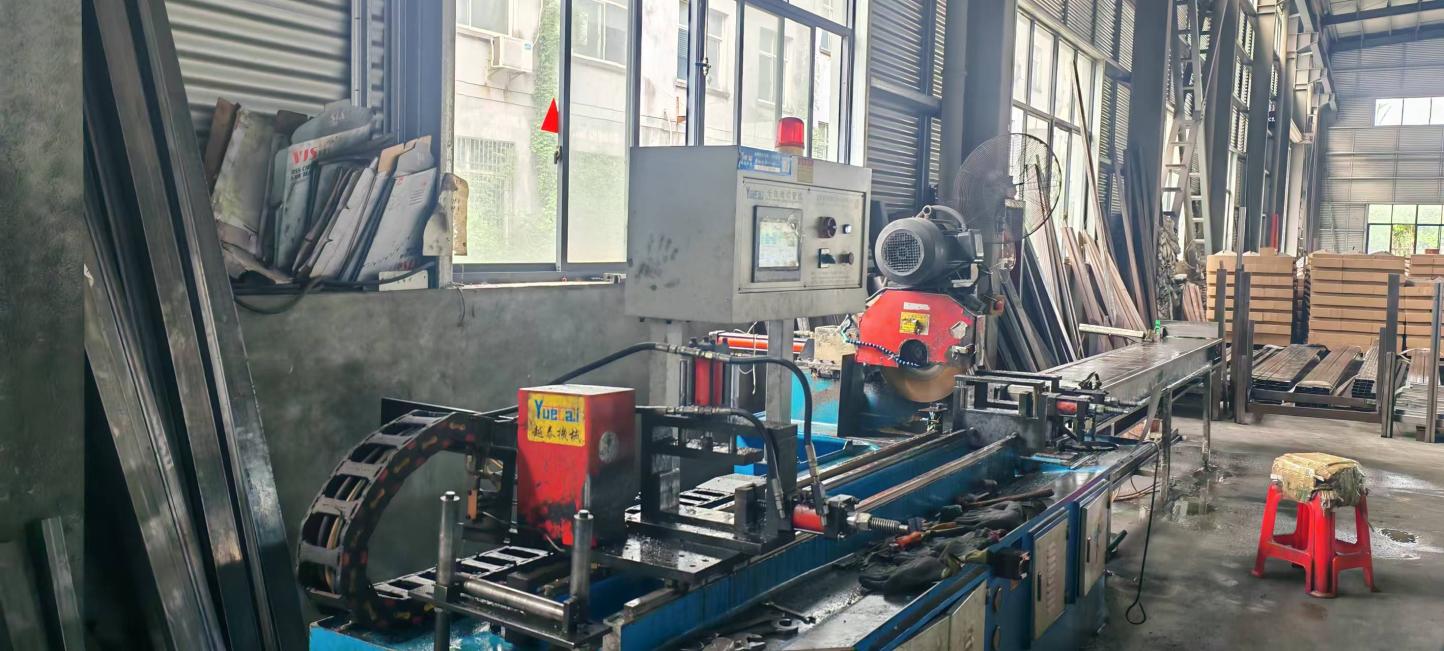
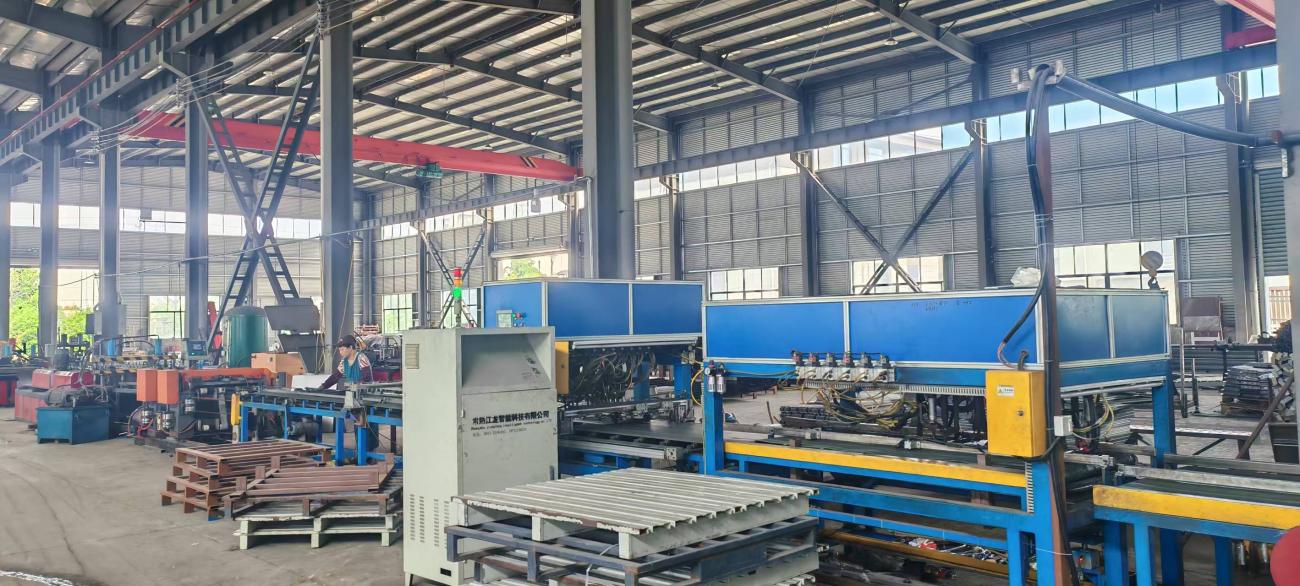
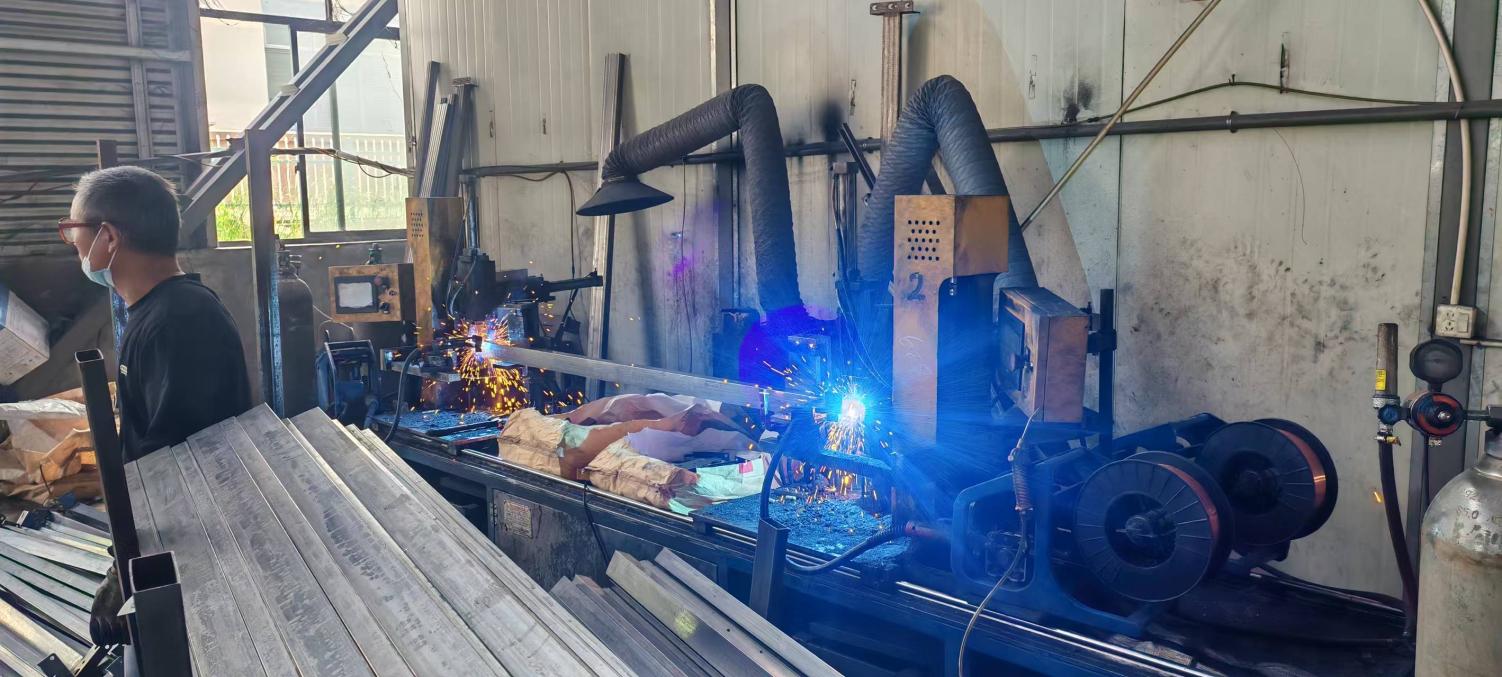
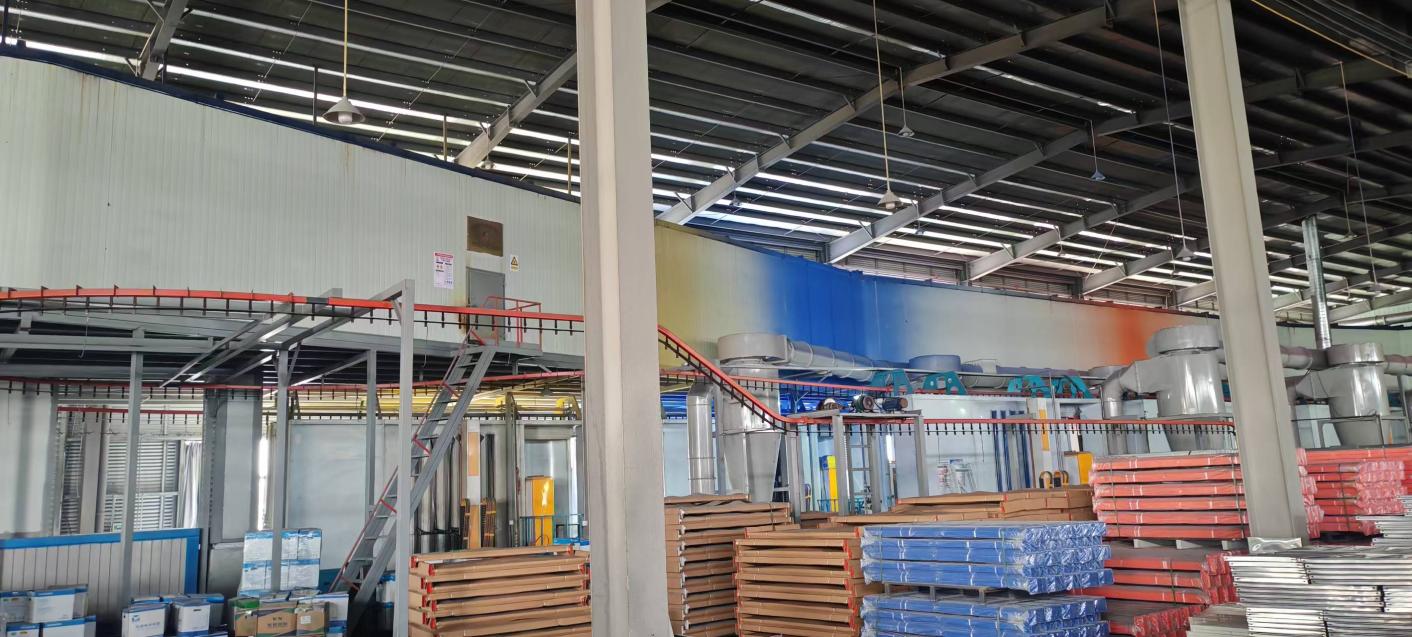
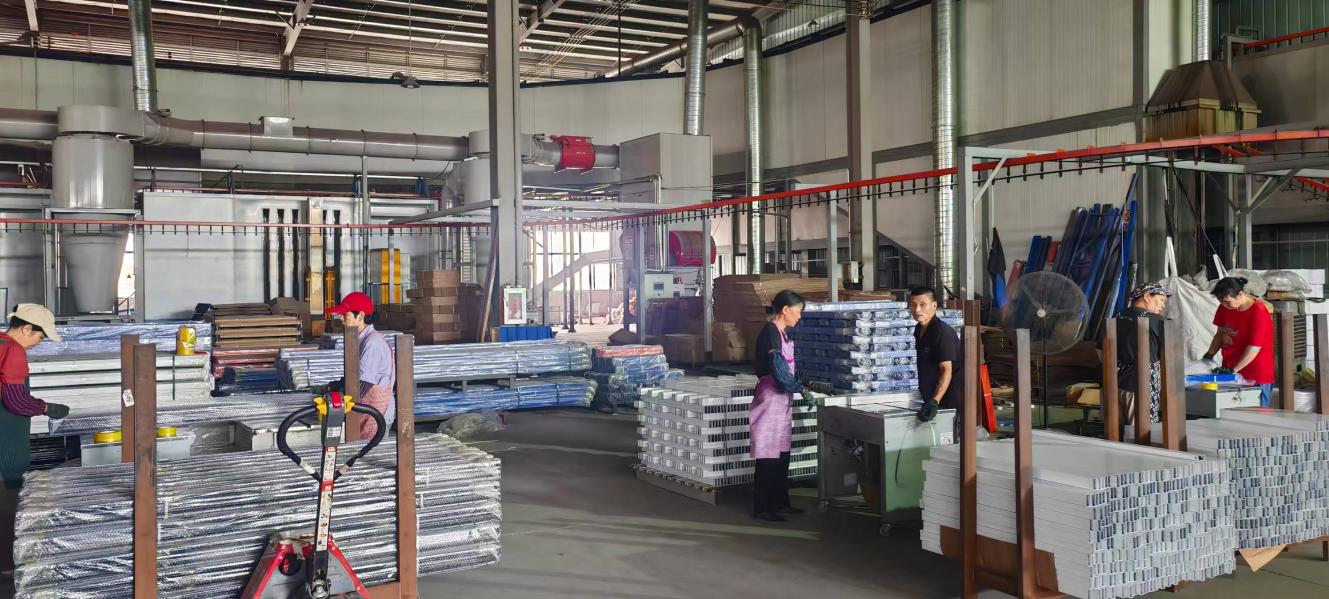
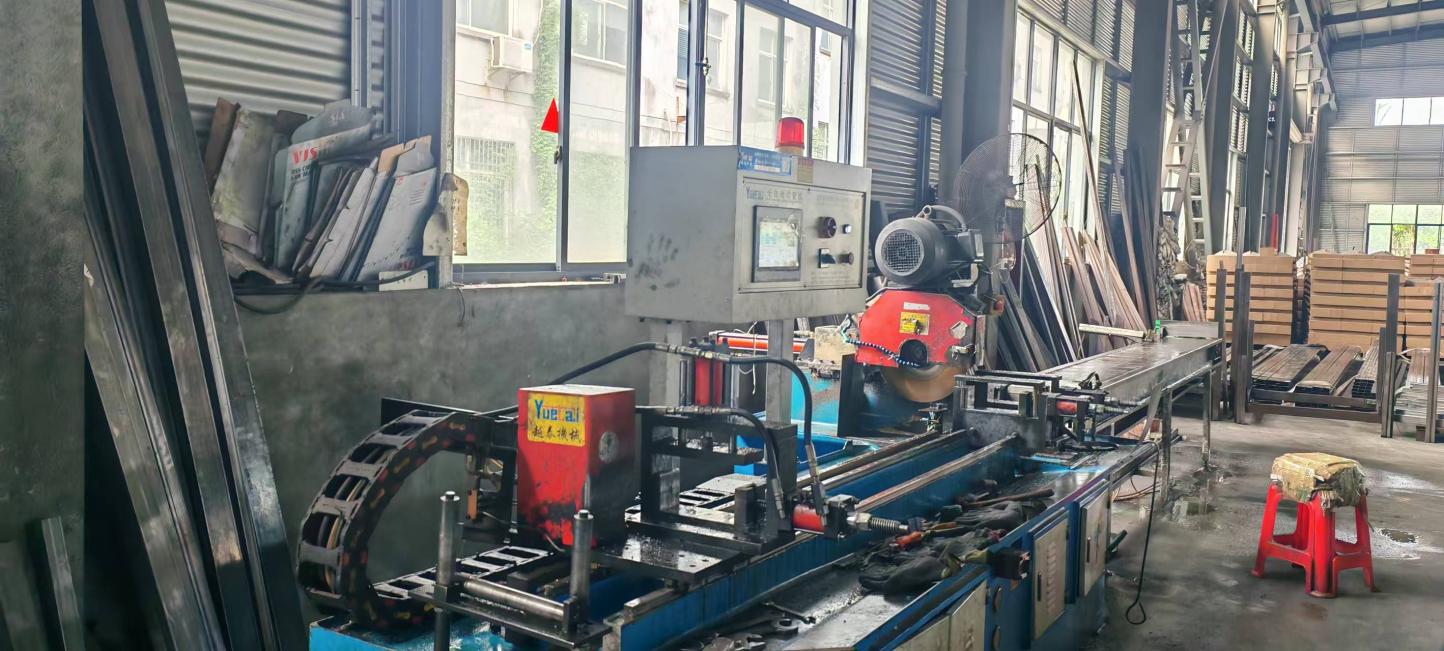
Cutting Machine
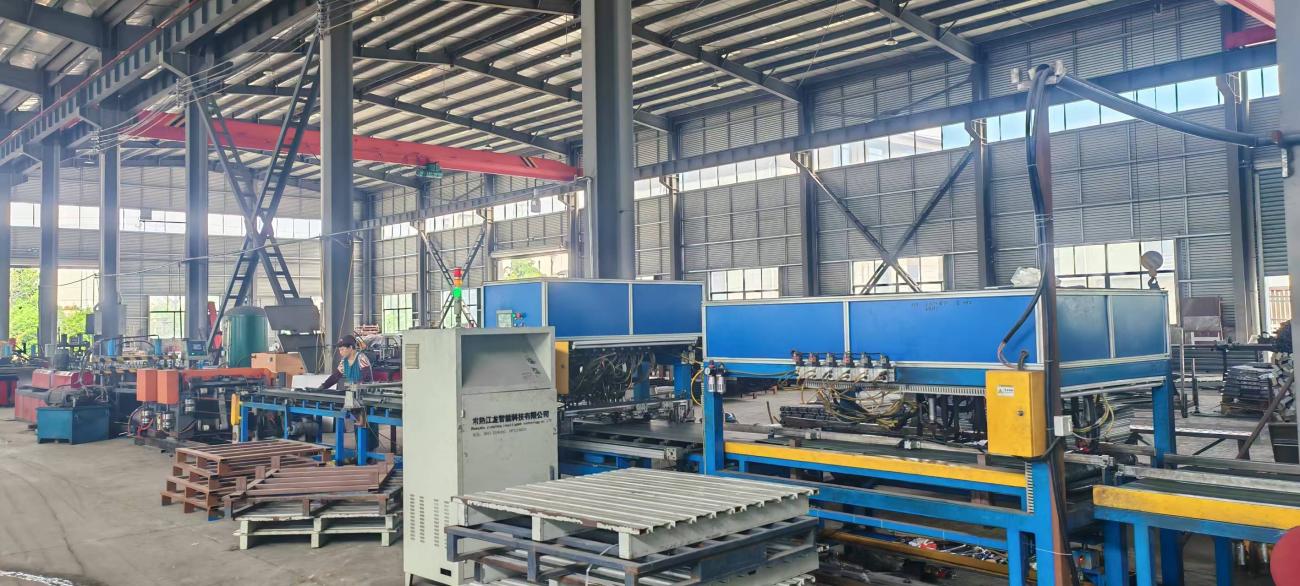
Forming Line 1
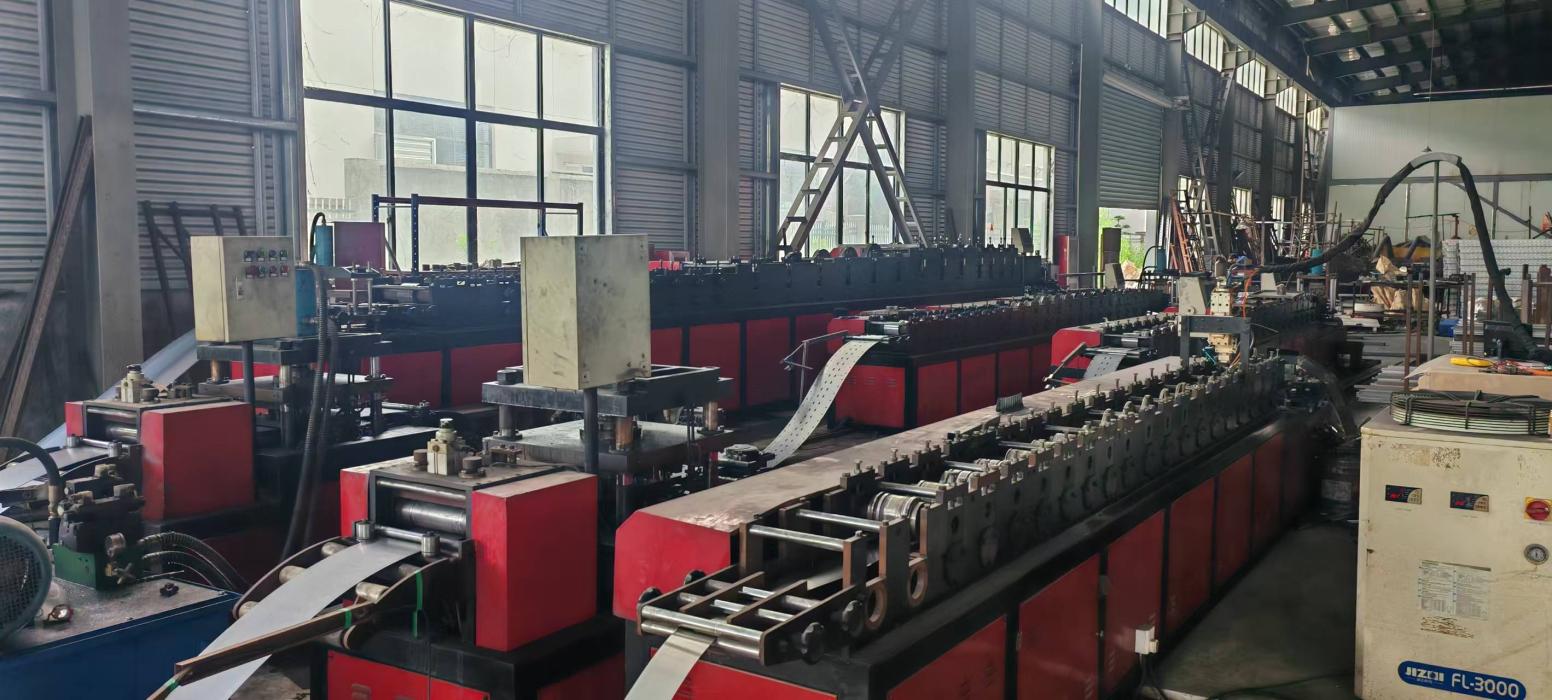
Forming Line 2
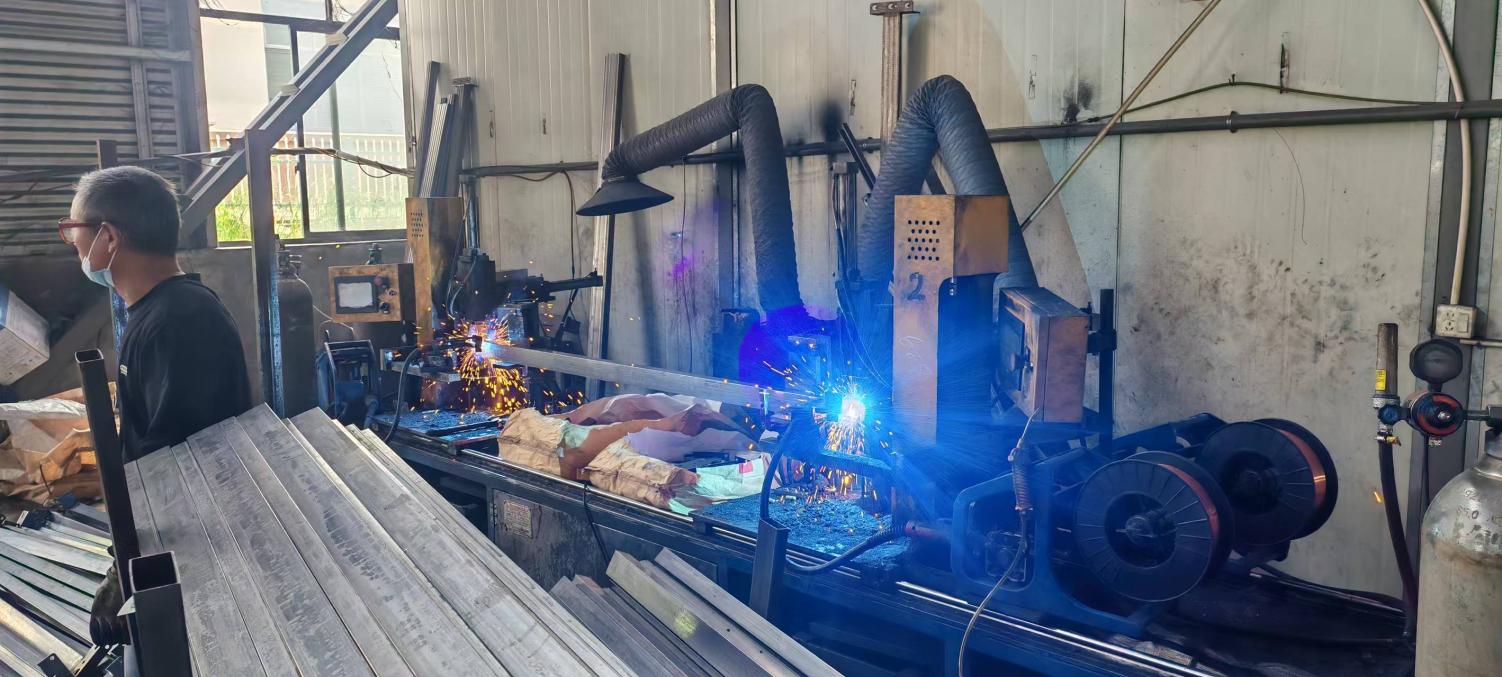
Welding Machine
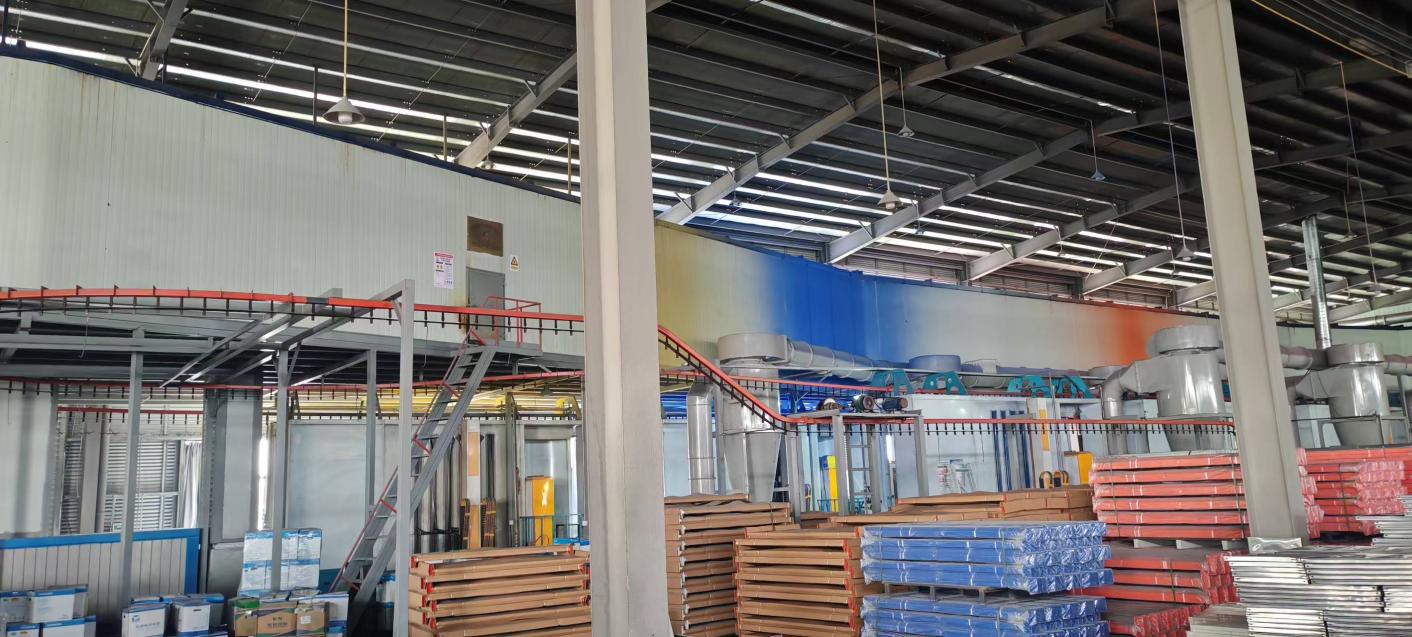
Spraying Line
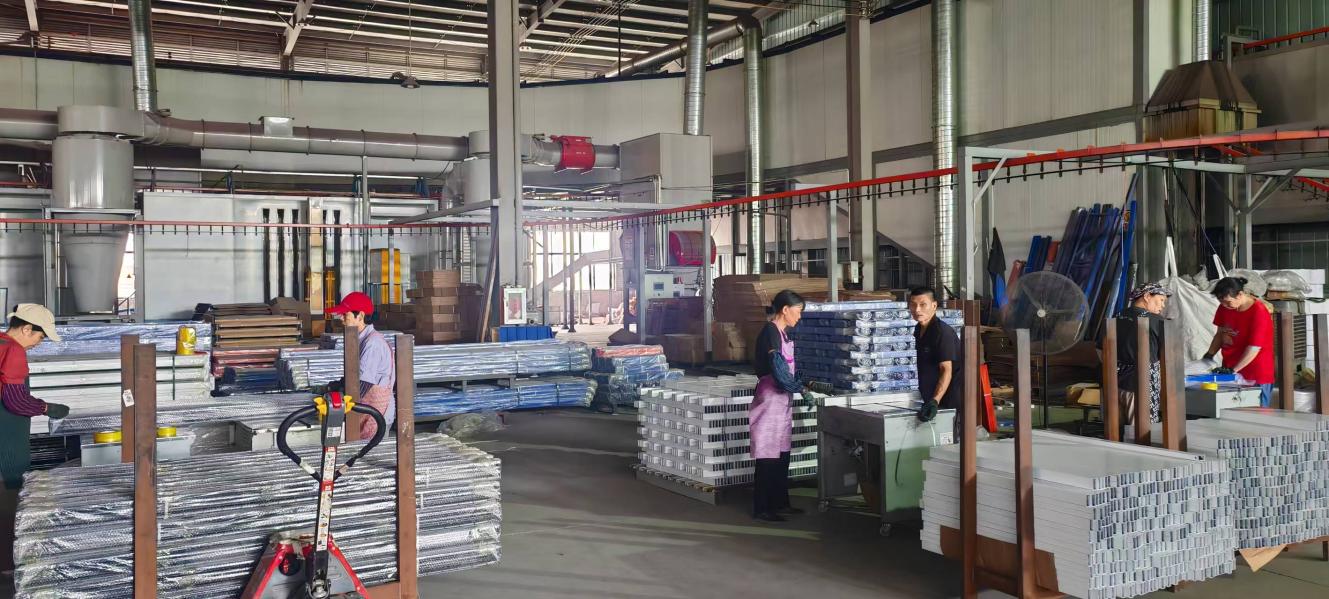
Packing Line
The global dominance of Chinese platform rack manufacturers is built upon integrated industrial supply chains and geographical manufacturing clusters. Suzhou and the surrounding Yangtze River Delta region stand as the epicenter of structural steel engineering. The close proximity to major domestic steel mills guarantees direct access to premium Q235B and Q345B steel grades, offering exceptional yield strength and structural durability at controlled material indices.
Additionally, Chinese manufacturers have heavily adopted automation. Large-scale robotic welding nodes, automated roll-forming lines, and continuous electrostatic powder-coating systems ensure dimensional consistency that complies with global regulatory frameworks (such as RMI, FEM, and CE). Crucially, the localization of downstream components—from high-strength fasteners to heavy-duty wire mesh decking—allows B2B factories like Guci Storage to lower production costs while maintaining flexible manufacturing lead times.
By combining upstream raw material stability with optimized international freight connections (directly through Shanghai and Ningbo ports), Chinese manufacturing entities significantly reduce FOB/CIF shipping delays. Furthermore, custom prototyping of complex rack-supported mezzanines, which typically requires weeks in localized Western markets, is executed in days by specialized Chinese engineering departments using sophisticated 3D SolidWorks and Finite Element Analysis (FEA) modeling tools.
Integrating multi-level platform decks with sorting conveyors, spiral chutes, and picking modules. Engineered to support high-density pedestrian traffic and light-weight material sorting flows.
Heavy-duty, structurally independent steel platforms built to support production machinery, raw materials, heavy tooling racks, and electrical switchgear enclosures.
Custom-tier systems optimized for storing high-density, odd-shaped auto parts. Utilizes specialized slide doors, pallet drop zones, and integrated safety mesh barriers.
Additionally, modern structural platform designs can be adapted for extreme temperature environments, such as cold-chain distribution storage. The steel utilized in these cold storage platforms must undergo continuous Charpy V-notch impact testing to verify structural durability under temperatures below -25°C. Selecting proper structural steel grades prevents low-temperature embrittlement, protecting high-density warehouses against catastrophic structural failures.
When sourcing platform racking from international manufacturers, procurement managers must evaluate vendor qualifications based on global safety standards, rather than unit costs alone. A robust E-E-A-T procurement framework requires factories to meet the following parameters:
Guci Storage Equipment addresses these critical supply requirements directly. With a dedicated quality assurance division comprising 25 QA/QC professionals, we execute thorough material validation on incoming coils, verify dimensional tolerances throughout production, and perform comprehensive paint adhesion testing to deliver industrial storage solutions designed for long-term operational safety.
As smart logistics centers continue to expand, the platform racking sector is undergoing major transformations. Future storage strategies are shifting towards highly modular designs. Pre-fabricated, bolted platform structures are replacing traditional welded systems, providing warehouses with the flexibility to quickly reconfigure, expand, or relocate their platforms with minimal operational downtime.
Sustainability is another major trend shaping the industry. Modern factories are reducing their carbon footprint by utilizing eco-friendly electrostatic powder-coating processes that eliminate volatile organic compounds (VOCs). Additionally, the use of high-strength, lightweight steel alloys helps lower overall product weight without compromising load capacities. This results in reduced shipping weights and lowers global B2B transportation carbon footprints.
Lastly, the integration of automated guided vehicles (AGVs) and autonomous mobile robots (AMRs) has redefined floor capacity calculations. Modern platform structures must be engineered with high flat-tolerance decking, specialized anti-slip surfaces, and structural vibration dampening components to support continuous robotic movement. These enhancements prevent mechanical resonance and extend the lifespan of both the automation equipment and the racking structure.
Expert structural and commercial guidance for purchasing officers and logistics engineering leads.
The Uniformly Distributed Load (UDL) capacity of a heavy-duty platform rack ranges from 300 kg/m² to over 2000 kg/m², depending on the structural profiles utilized. Light-to-medium systems designed for manual picking typically feature load capacities of 300 to 500 kg/m². In contrast, heavy-duty industrial platforms intended for machinery or pallet storage are engineered to support 1000 to 2000 kg/m². Structural engineers determine these capacities based on column grids, steel thickness, and floor plate configurations.
Reputable manufacturers verify structural safety through a combination of engineering simulations and physical tests. Structural engineers conduct Finite Element Analysis (FEA) to assess dynamic stresses, structural deflection, and seismic stability under simulated load distributions. During production, quality control teams perform ultrasonic flaw detection to identify weld defects, run mechanical load tests on columns and beams, and inspect powder coating thickness to ensure long-term corrosion resistance.
The standard steel grades used are Q235B and Q345B (equivalent to ASTM A36 and ASTM A572 Grade 50, respectively). Q235B steel is widely used for standard shelving and light-duty structural components due to its excellent weldability and ductility. For heavy-duty uprights and primary support beams, Q345B carbon steel is selected for its higher yield strength, allowing structural designs to support heavier loads with thinner, lighter profiles, optimizing shipping weights and material costs.
Yes, custom engineering is standard for modern industrial platform racking. Standard designs rarely fit complex building layouts. Industrial manufacturers offer OEM/ODM services to customize column spacing, multi-tier clearances, safety gate locations, staircase layouts, and decking styles (including steel grating, plywood, or wire decking). R&D engineers use CAD and SolidWorks to design systems that maximize vertical clear heights and clear physical obstacles like columns, electrical mains, and HVAC units.
Global procurement teams should verify that the manufacturer complies with relevant regional racking codes: RMI (ANSI MH16.1) for the United States, FEM 10.2.02 or EN 15512 for the European Union, and AS4084 for Australia. Structurally sound manufacturers must hold certified ISO 9001:2015 quality management systems and provide CE marking documentation to ensure their racking systems comply with import safety and structural regulations.
Long-distance maritime shipping exposes metal products to salt-spray corrosion and physical shock. Manufacturers mitigate these risks by using specialized modular, knock-down structures that pack flat to prevent movement inside the shipping container. Frame components are wrapped in multi-layered protective plastics, secured on heavy-duty timber crating, and strapped with high-tensile steel bands. Choosing flat-pack designs also maximizes container utilization rates, reducing international freight costs per unit.
 GuciRack