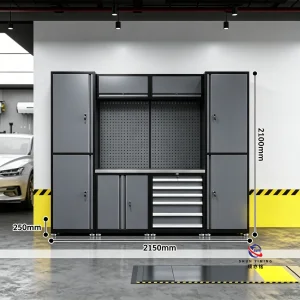
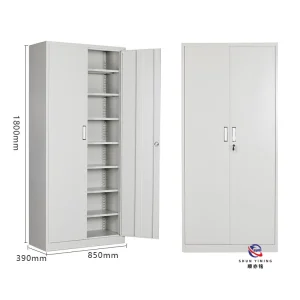
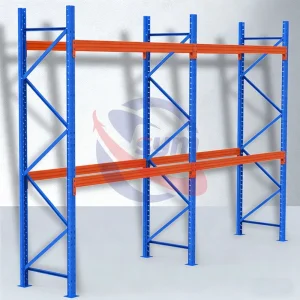
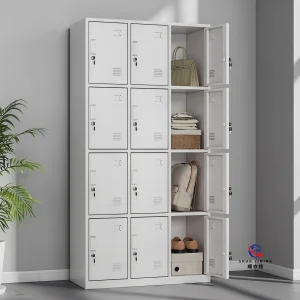
In the modern era of logistics, warehousing, and dynamic supply chains, custom racking systems have evolved from static ironmongery into highly engineered, structural components of smart facilities. Global trade expansion, coupled with the rapid growth of automation, calls for customized structures that maximize spatial efficiency, ensure operator safety, and support heavy load dynamics.
Today, customized racking systems are critical infrastructure for Third-Party Logistics (3PL), automotive manufacturing, electronic component assembly, cold chain storage, and mega e-commerce fulfillment hubs. Standard off-the-shelf shelving units often fail to address specific challenges, such as variable load parameters, specialized material handling equipment configurations, strict local seismic codes, and optimal picking paths.
Standard shelves assume uniform box dimensions and predictable loading. Custom racks, however, are engineered to accommodate dynamic payloads, structural deviations in floor concrete, localized climate challenges (such as low-temperature brittleness in cold-chain rooms), and compatibility with automated guided vehicles (AGVs) and stacker cranes.
Established in 2015, Guci Storage Equipment (Suzhou) Co., Ltd. has established itself as an authoritative leader in high-density warehouse racking and heavy-duty industrial storage manufacturing. Bringing over 11 years of deep industrial experience, we supply customized racking solutions that combine engineering expertise with high-volume production capabilities.
Innovation is key to optimizing modern high-density warehouse spaces. Backed by a dedicated R&D team of 18 design engineers, Guci Storage offers extensive OEM/ODM customization services. We tailor configurations, dimensions, load capacities, steel grades, and coating techniques to the operational needs of our clients. In the past year alone, we successfully designed, tested, and shipped 45 new product variants to meet the unique challenges of our international partners.
Guci Storage manages an end-to-end quality ecosystem. Our quality control team of 25 QA/QC specialists enforces a rigorous inspection routine that includes:
Safety is the primary metric in warehouse design. All structural racking designed by Guci Storage complies with regional building codes and international specifications, including ISO9001 and CE. Our designs integrate load calculations that account for dead load, live load, product load, wind load, and seismic parameters.
Supported by a comprehensive trade framework and a network of 800 supply chain partners, we export globally to North America, Europe, and Southeast Asia.
For global enterprises, procuring structural custom racking from advanced manufacturers in China provides a competitive balance of cost efficiency, engineering flexibility, and speed-to-market.
Our facility in Suzhou operates within close proximity to major domestic steel plants. This allows us to source premium cold-rolled and hot-rolled structural steel grades (such as Q235B and Q355B) efficiently, reducing material acquisition times.
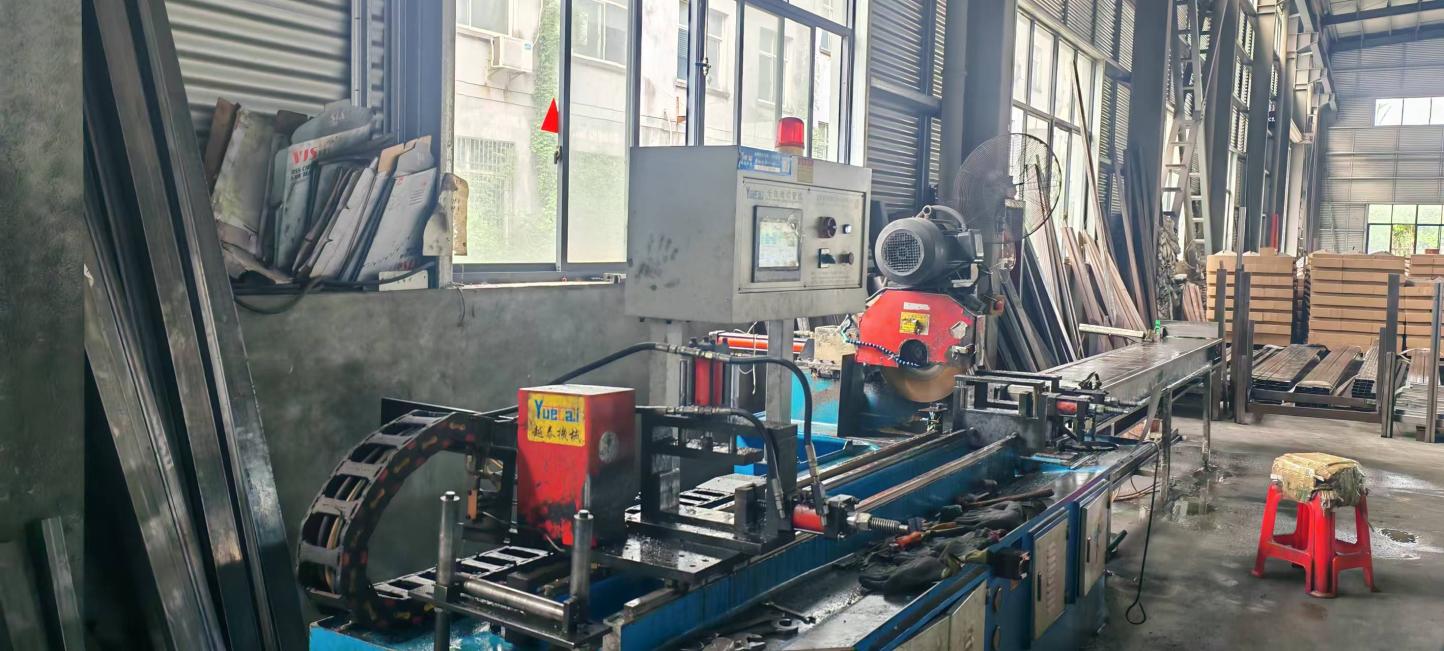
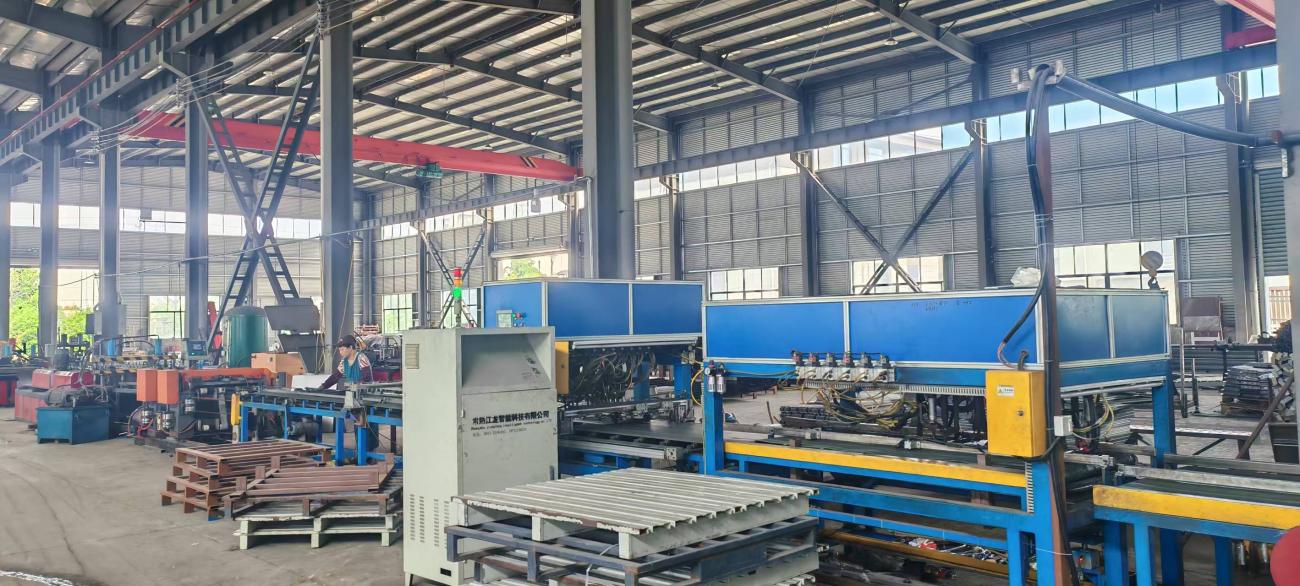
We operate continuous automated roll-forming lines that profile steel coils into complex upright and beam shapes with high dimensional consistency. This automation ensures high throughput and uniform quality.
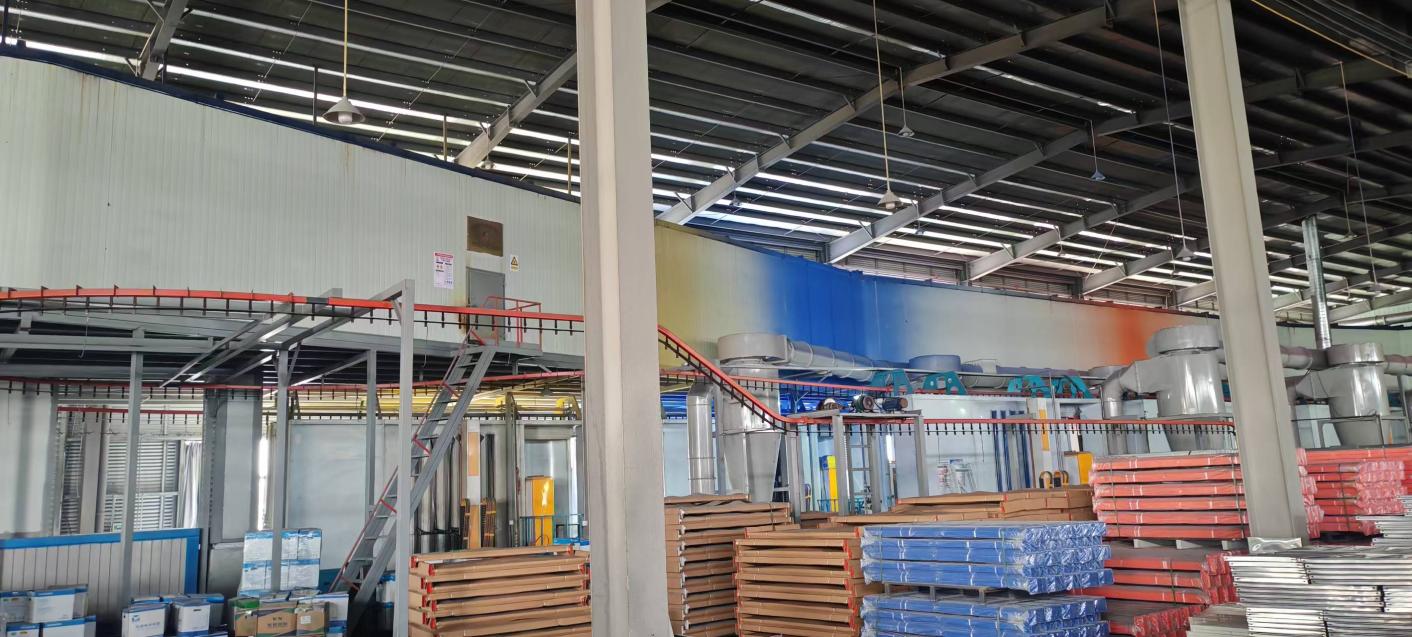
Our electrostatic powder coating systems apply high-density epoxy-polyester coatings. These finishes offer high resistance to abrasions, impacts, and chemicals, ensuring long-term durability in industrial environments.
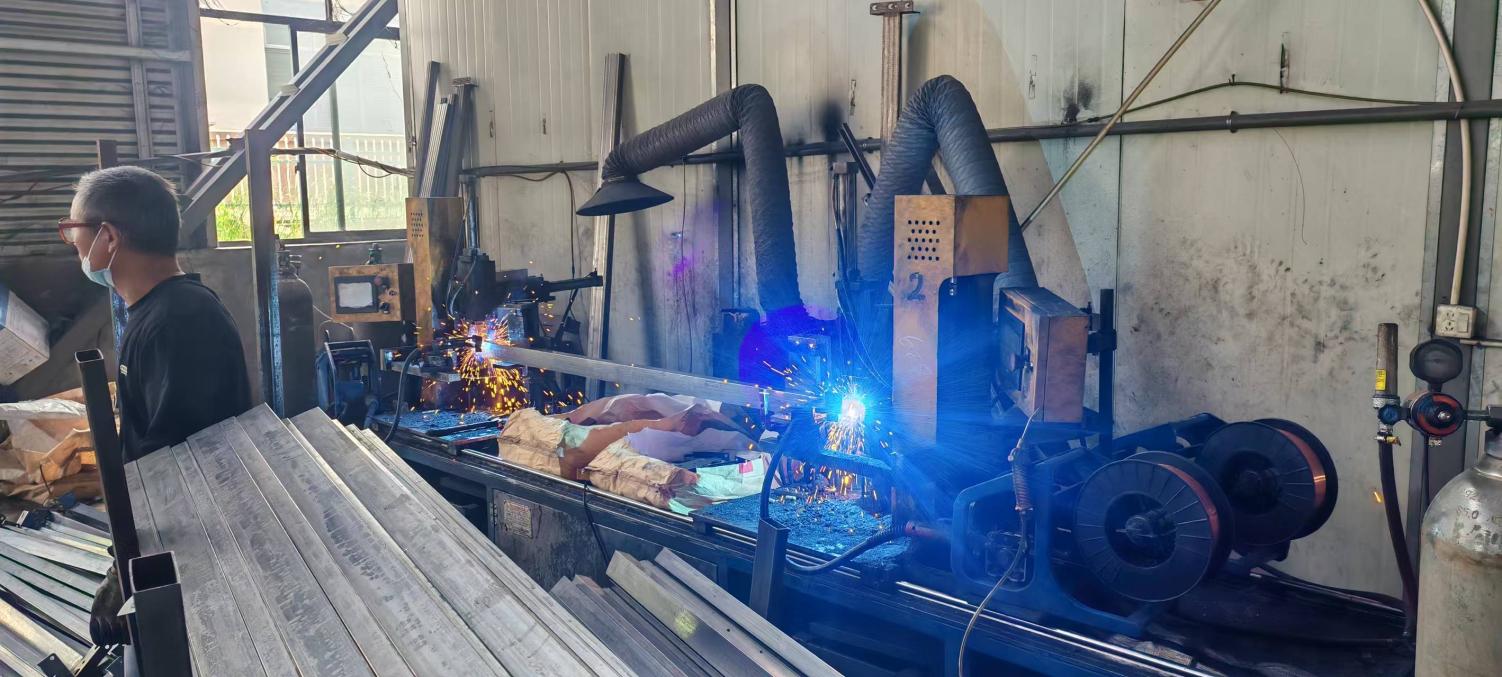
An inside look at our 35,000 m² manufacturing plant, featuring advanced machinery, production lines, and standard quality checks.
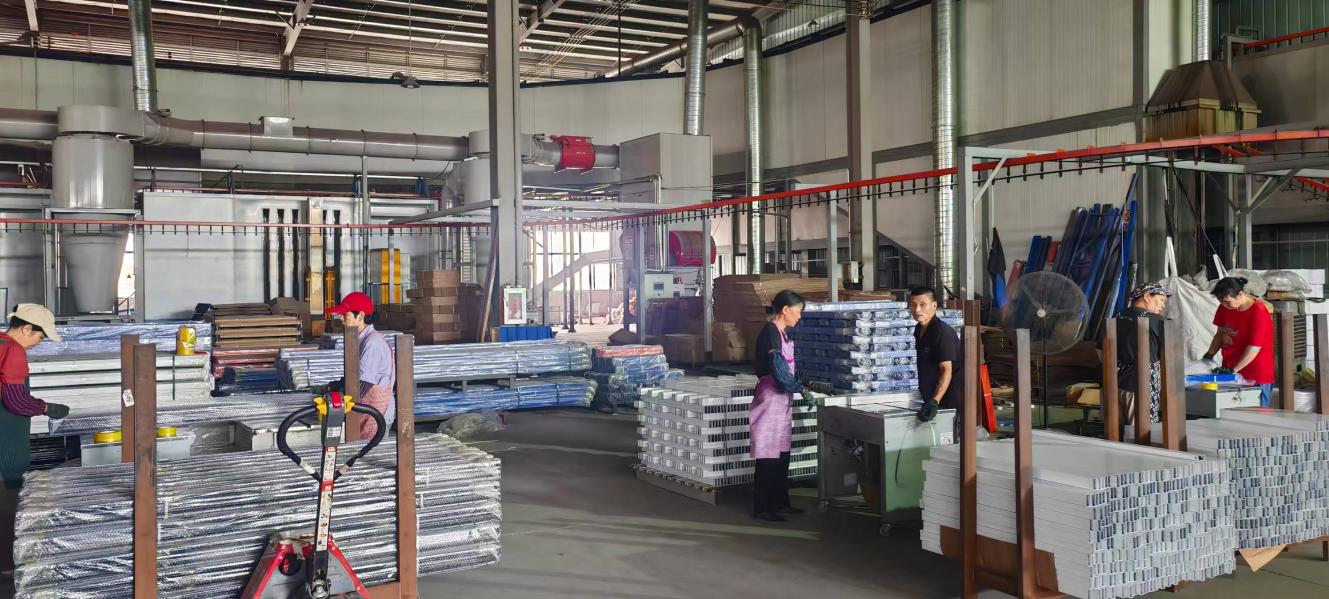
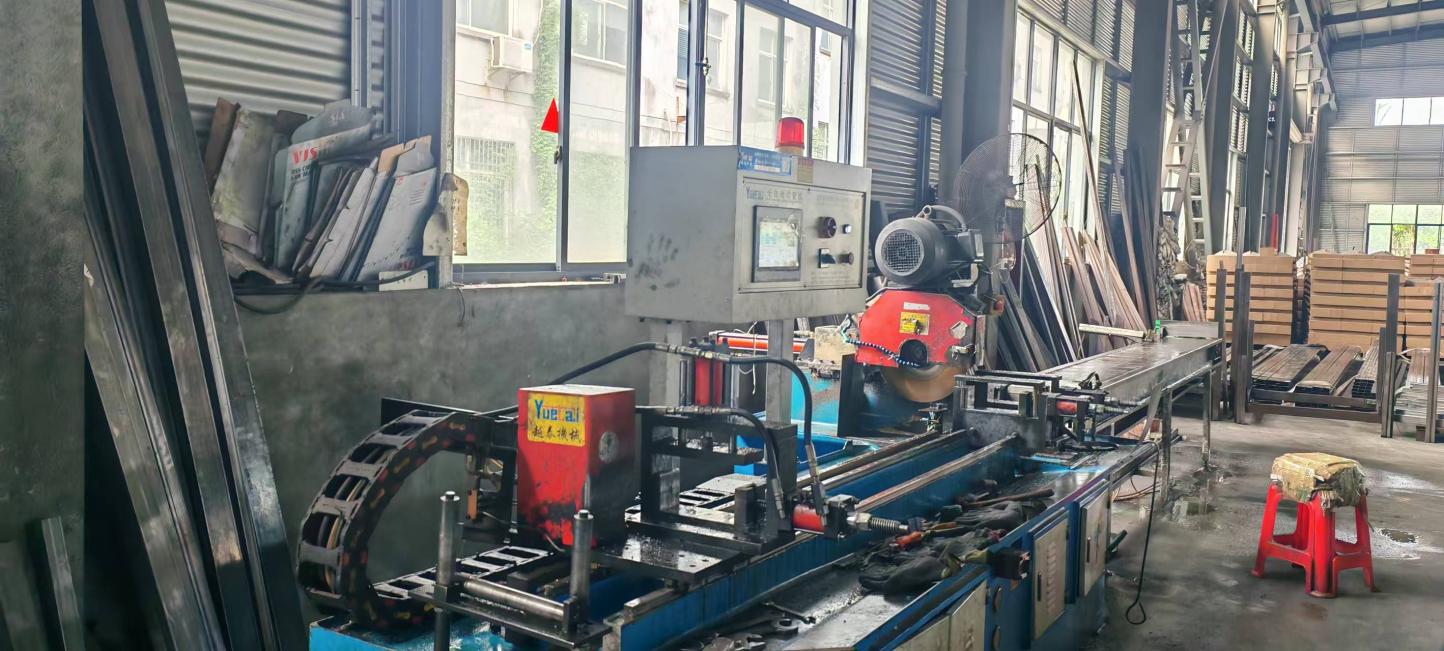
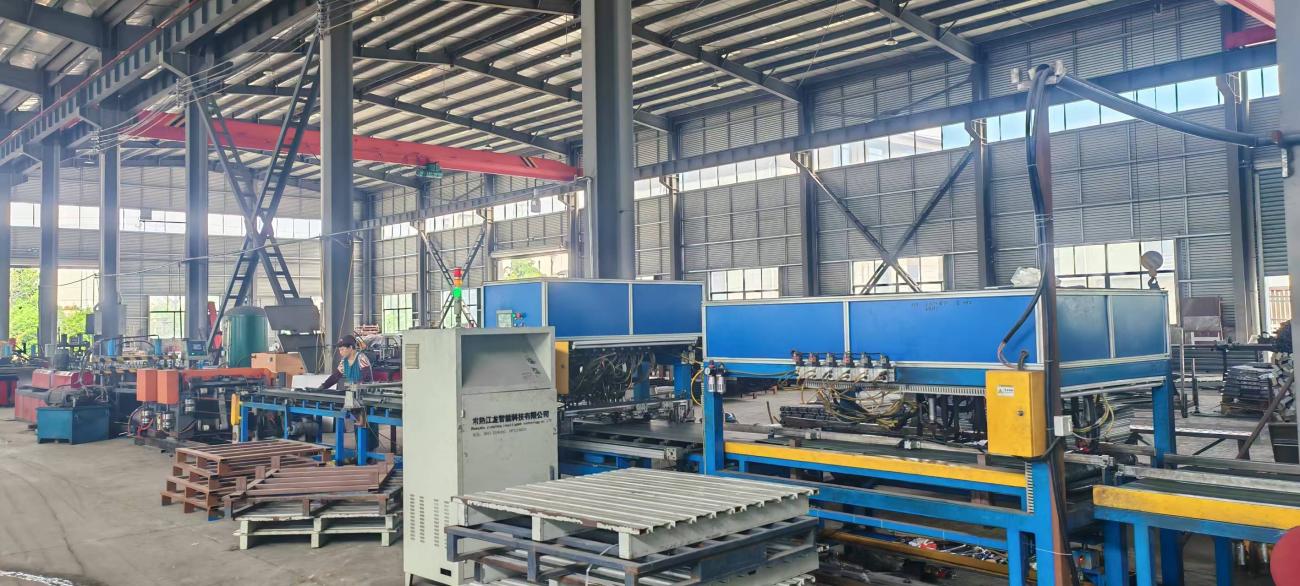
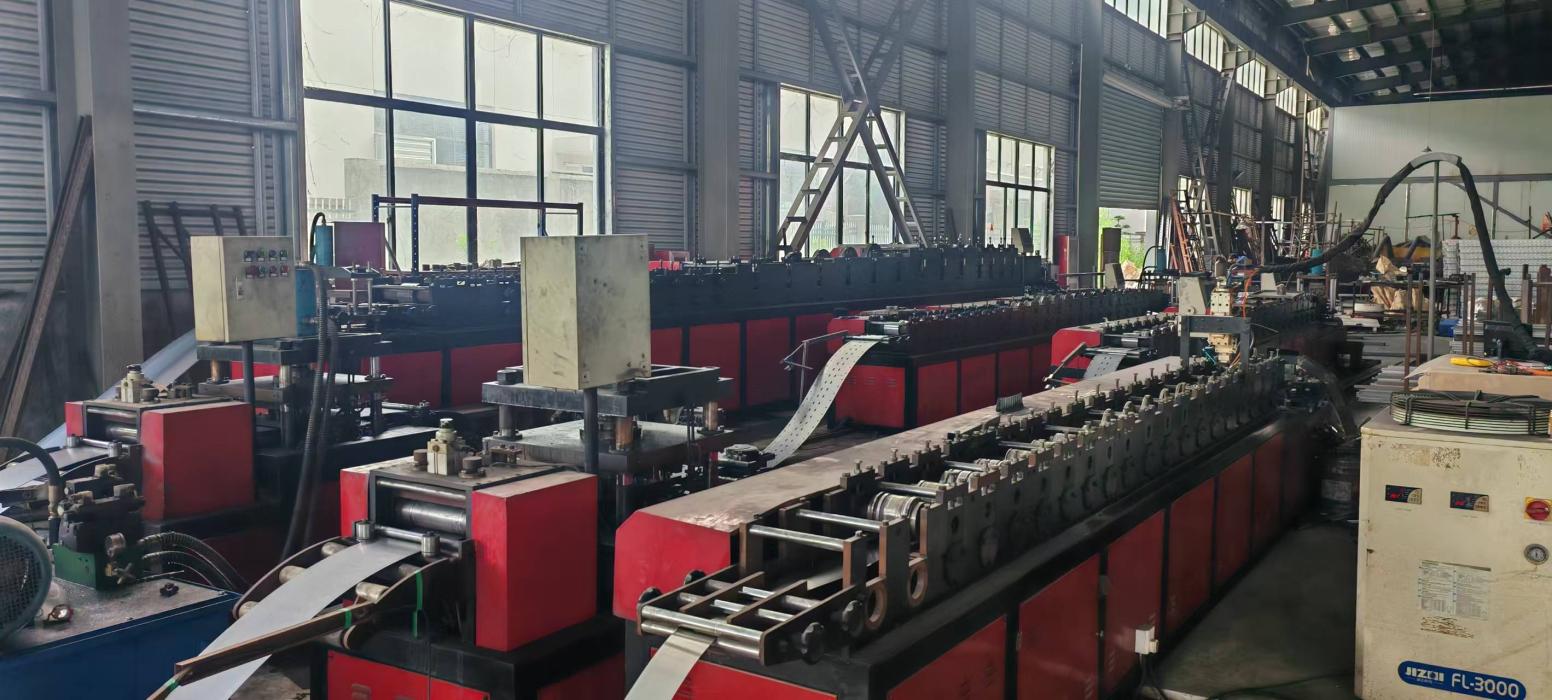
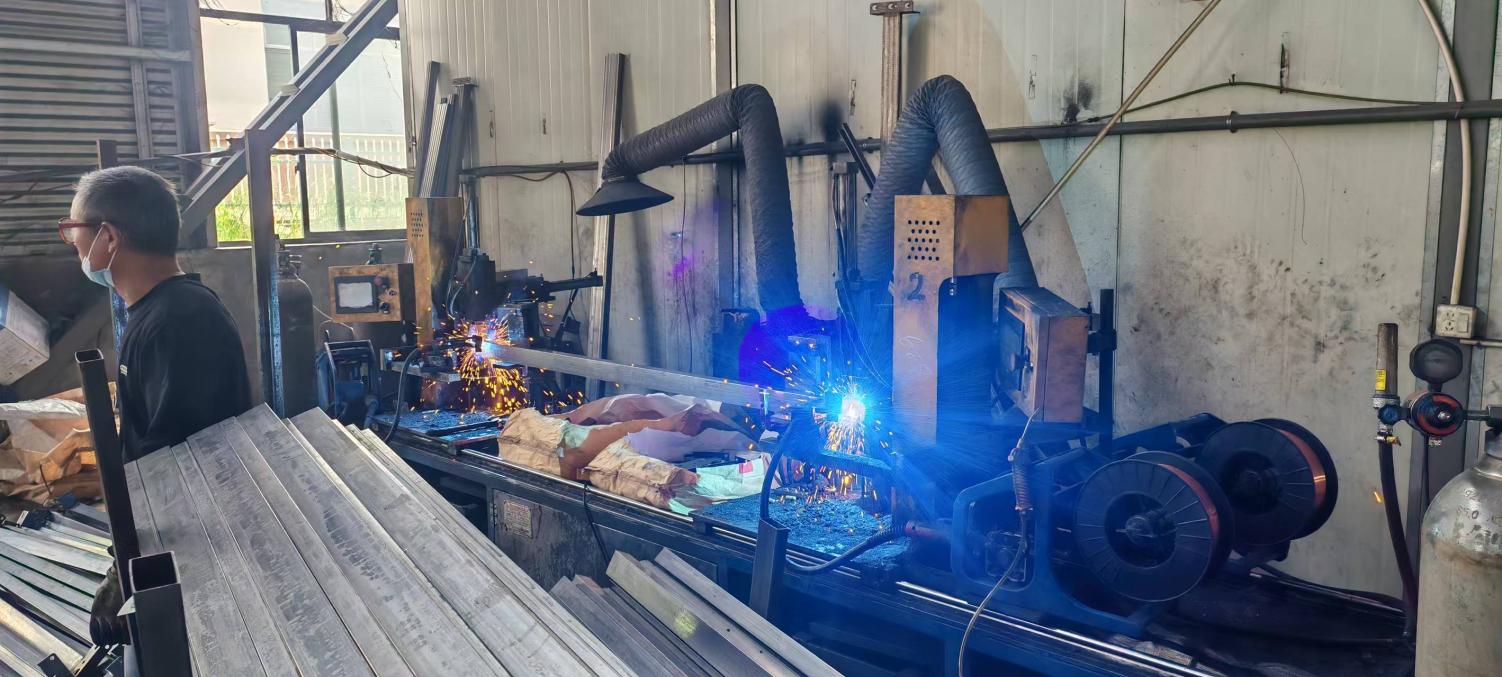
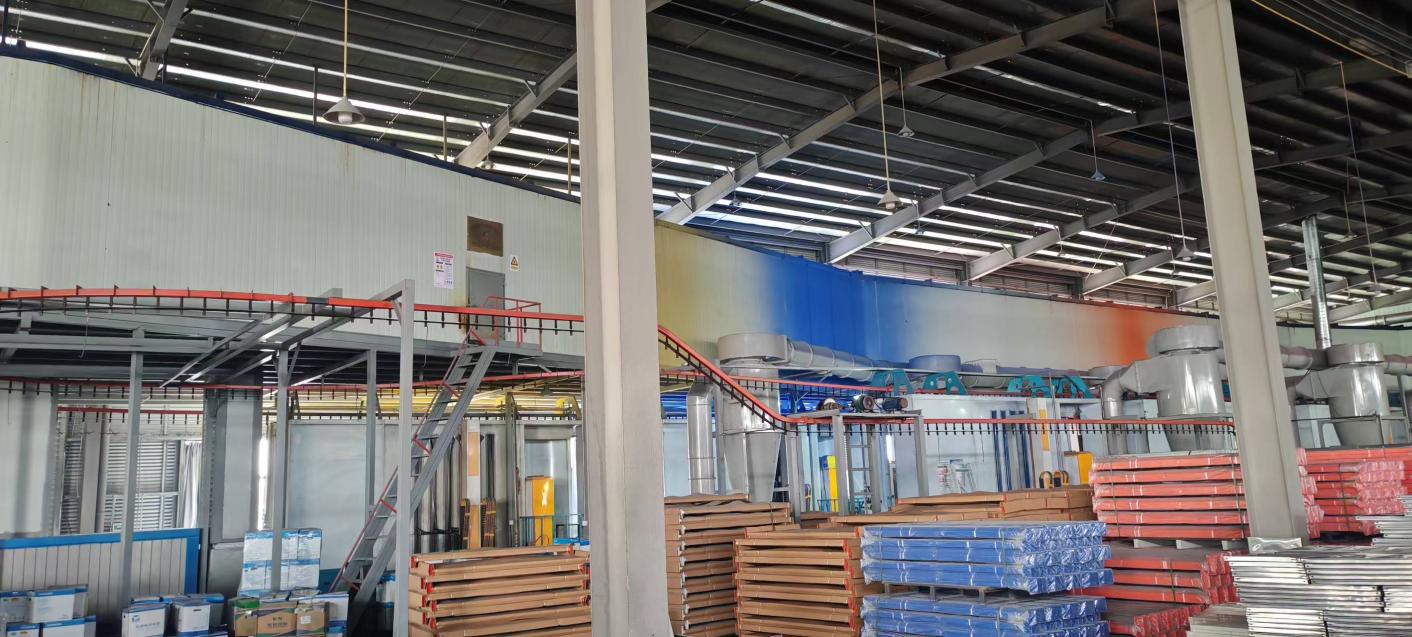
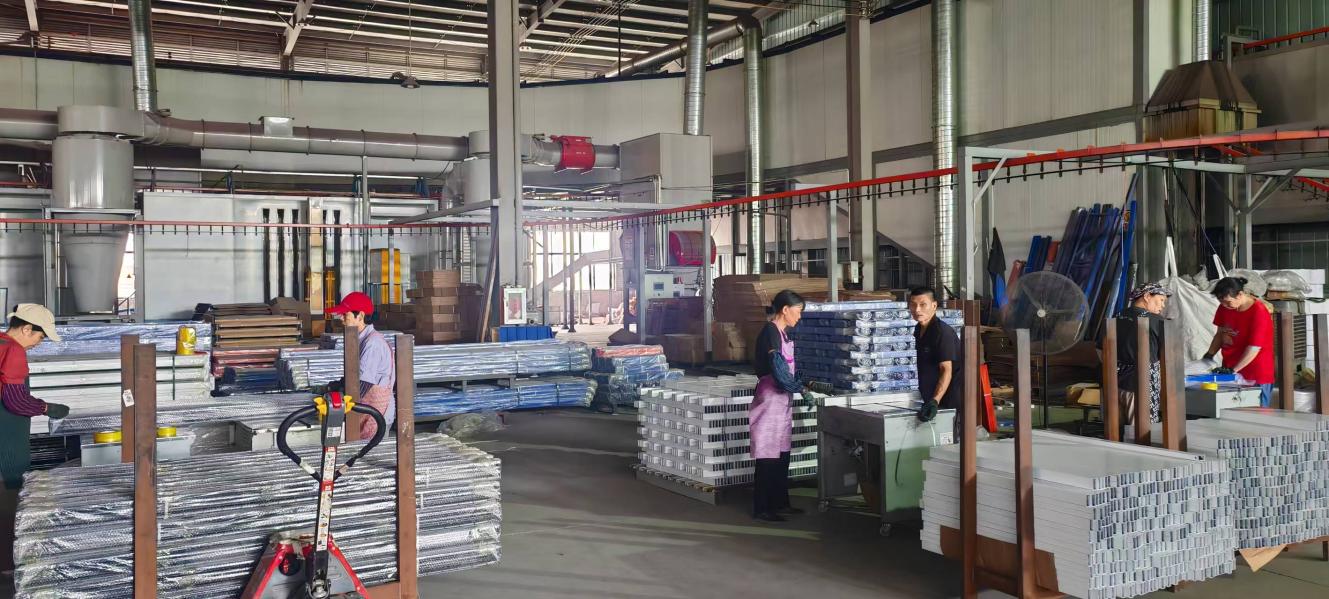
Custom racking systems must be engineered for regional code requirements. For example, installations in earthquake-prone areas like California (US) or Japan must feature heavier base plates, stronger floor anchoring, and robust horizontal bracing profiles. In Western Europe, space optimization often drives the deployment of Narrow Aisle (VNA) or double-deep systems. Cold-chain storage in Northern Europe demands specialized steel formulations that maintain structural strength at temperatures below -25°C.
The industrial storage sector is moving toward automated systems. Selective racking remains a staple, but integration with Automated Storage and Retrieval Systems (AS/RS), Radio Shuttle systems, and automated conveyors is increasing. Modern racks must interface with IoT sensors, weight load monitors, and warehouse management software (WMS) to support high-throughput fulfillment environments.
Market studies project steady growth for the global industrial racking industry over the next decade. High-density, dynamic storage solutions are increasingly favored over static systems. Guci Storage supports this evolution by offering customizable options, assisting clients in transitioning from manual layouts to high-throughput, automated storage infrastructures.
Global procurement teams must balance structural safety and long-term durability when sourcing custom industrial racks. To assist procurement managers, our engineering team has developed this procurement checklist:
For custom manufacturing inquiries, our team of 18 R&D engineers can assist with load-bearing calculations, custom configurations, and structural design drawings tailored to your facility's requirements.
Contact our engineering desk today for support.
Technical insights and recommendations from our engineering team regarding design, fabrication, and safety guidelines.
Most high-capacity racking systems utilize high-strength structural carbon steels. At Guci Storage, we primarily manufacture using Q235B and Q355B steel grades. These materials deliver a balance of yield strength, tensile performance, and weldability, ensuring stable load bearing under static and dynamic stress.
Cold storage environments require steel formulations that resist low-temperature embrittlement. Standard structural steel can become brittle at temperatures below freezing, increasing the risk of stress fractures. We utilize fine-grained structural steel alloys combined with low-temperature impact testing, and apply specialized powder coatings to prevent corrosion from condensation.
All systems are engineered with a conservative structural safety factor, typically ranging from 1.5 to 1.8. This margin ensures structural stability under minor load imbalances, variations in concrete floor levels, and dynamic forces exerted during pallet placement by forklift operators.
For standard custom orders, we complete CAD modeling and structural design calculations within 5-7 business days. Upon design approval, production typically spans 20 to 30 days, depending on order size and custom fabrication requirements.
Consistent DFT ensures the protective powder coating barrier is uniform across all surfaces, including curves and structural joints. A uniform coating prevents oxygen and moisture from contacting the steel substrate, protecting the rack against corrosion and wear from everyday contact with pallets.
For seismic areas, we design custom systems featuring oversized structural base plates, reinforced heavy-duty anchor bolts, and additional cross-bracing. This configuration distributes kinetic energy into the floor slab, minimizing movement and reducing structural stress during seismic activity.
 GuciRack