Explore our leading line of customizable heavy-duty steel structures, precision-engineered for advanced warehousing safety and high operational efficiency.
In the rapidly changing world of global supply chains, industrial space optimization is no longer just about saving space—it is a critical strategic advantage. As global land values rise and e-commerce demands faster throughput, traditional warehousing is transitioning toward semi-automated systems. Radio Shuttle Storage, also widely known as pallet shuttle racking, stands at the absolute center of this transformation.
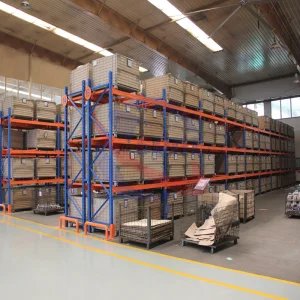
By utilizing a semi-automated robotic shuttle system running on specialized guide rails within the racking channels, companies can eliminate the need for forklifts to enter storage lanes. The shuttle vehicle moves pallets deep into the lanes, optimizing spatial utilization to its highest physical limits while ensuring operator safety. This allows warehouses to double their storage capacity within the same footprint, drastically lowering the cost per pallet position.
"True operational resilience comes from combining high-density configurations with rapid access times. Radio Shuttle systems bridge the gap between static storage and full automation, delivering a high return on investment with minimal downtime."
Across Europe, North America, and high-growth sectors in Asia, the logistics industry faces a three-fold pressure: acute labor shortages, soaring industrial real estate costs, and strict ESG requirements. Modern distribution networks require materials handling systems that maximize volumetric efficiency.
Traditional drive-in racking, although cost-effective to install, carries high risks of forklift damage to the steel frames and limits operational speed. Selectivity is low, and the risk of operational errors is high. Automated Storage and Retrieval Systems (AS/RS), on the other hand, require high capital investments and long deployment cycles. Radio Shuttle Racking offers a optimal middle ground, providing a highly scalable, flexible, and rapidly deployable automated solution.
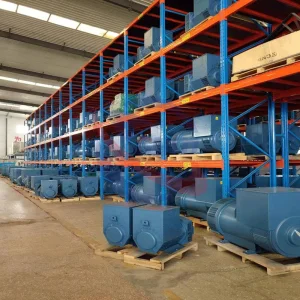
Established in 2015, Guci Storage Equipment (Suzhou) Co., Ltd. has established itself as a leading B2B manufacturer specializing in heavy-duty warehouse racking and industrial storage solutions. Centered in Suzhou's industrial manufacturing hub, the company operates a modern 35,000 m² manufacturing facility equipped with advanced, automated machinery.
With over 11 years of deep industry expertise and 8 years of global trade experience, Guci Storage serves enterprise clients across North America, Europe, and Southeast Asia. The company's focus on engineering excellence and supply chain efficiency has enabled it to achieve an annual export revenue of $18 million.
To ensure we meet high structural safety standards, Guci Storage enforces a rigorous quality management process. This process combines ultrasonic flaw detection, load-capacity stress testing, and precise surface coating thickness inspections. Our dedicated quality control team of 25 QA/QC professionals ensures every structural element complies with international safety standards, including ISO9001 and CE.
Our business model is built on supporting enterprise-level clients, including third-party logistics (3PL) providers, global material handling distributors, mega e-commerce fulfillment centers, and large-scale industrial plants. Backed by a strong trade background and an extensive network of over 800 supply chain partners, we ensure reliable delivery times even during global shipping fluctuations.
Innovation drives our success. Supported by a skilled team of 18 R&D engineers, Guci Storage offers comprehensive OEM/ODM customization options, tailoring load capacity, dimensions, structural layouts, and surface finishes to meet specific site requirements. In the past year alone, our team successfully launched 45 new product designs to optimize modern high-density warehouse efficiency.
Inside our ISO9001-certified facility: How we convert premium raw steel into high-tolerance structural racking systems.
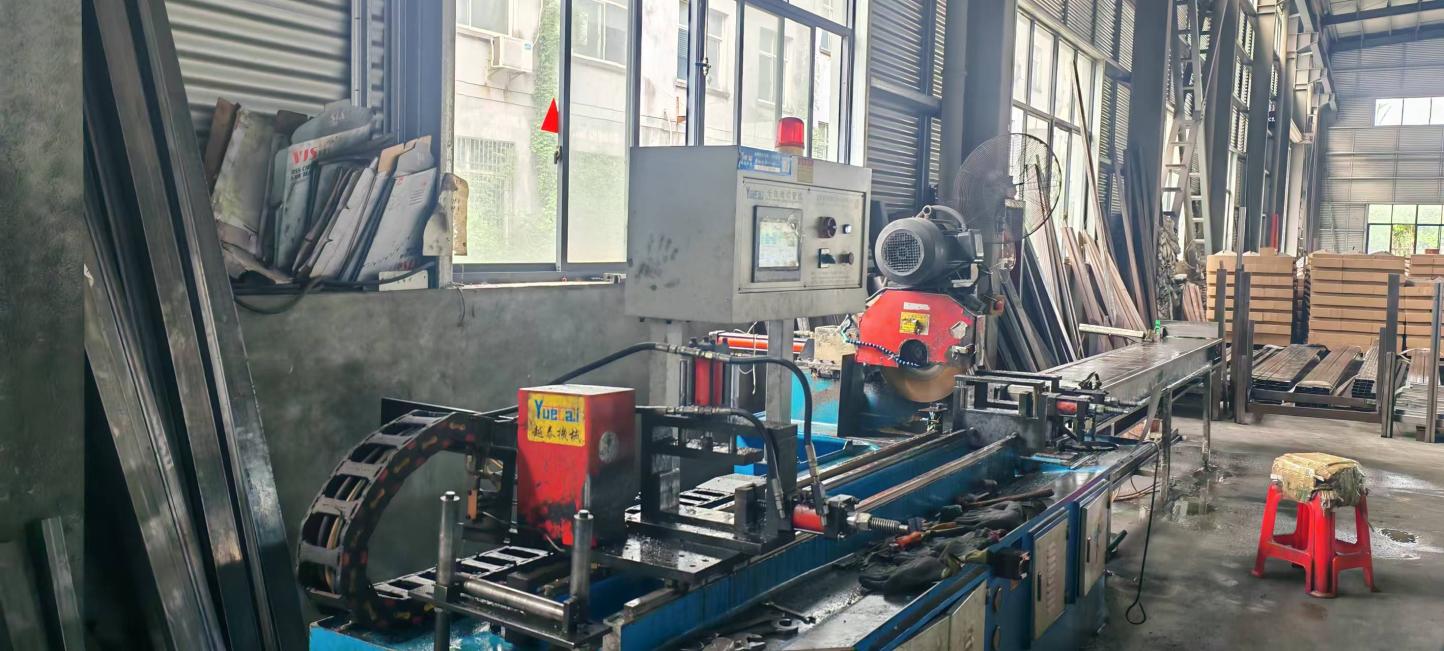
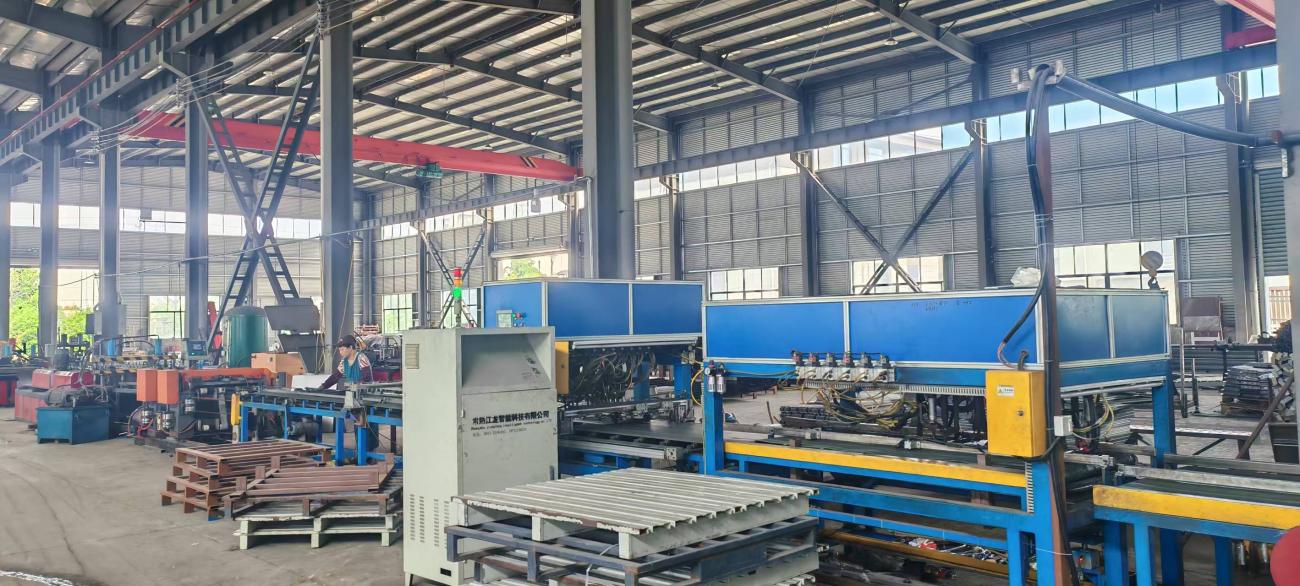
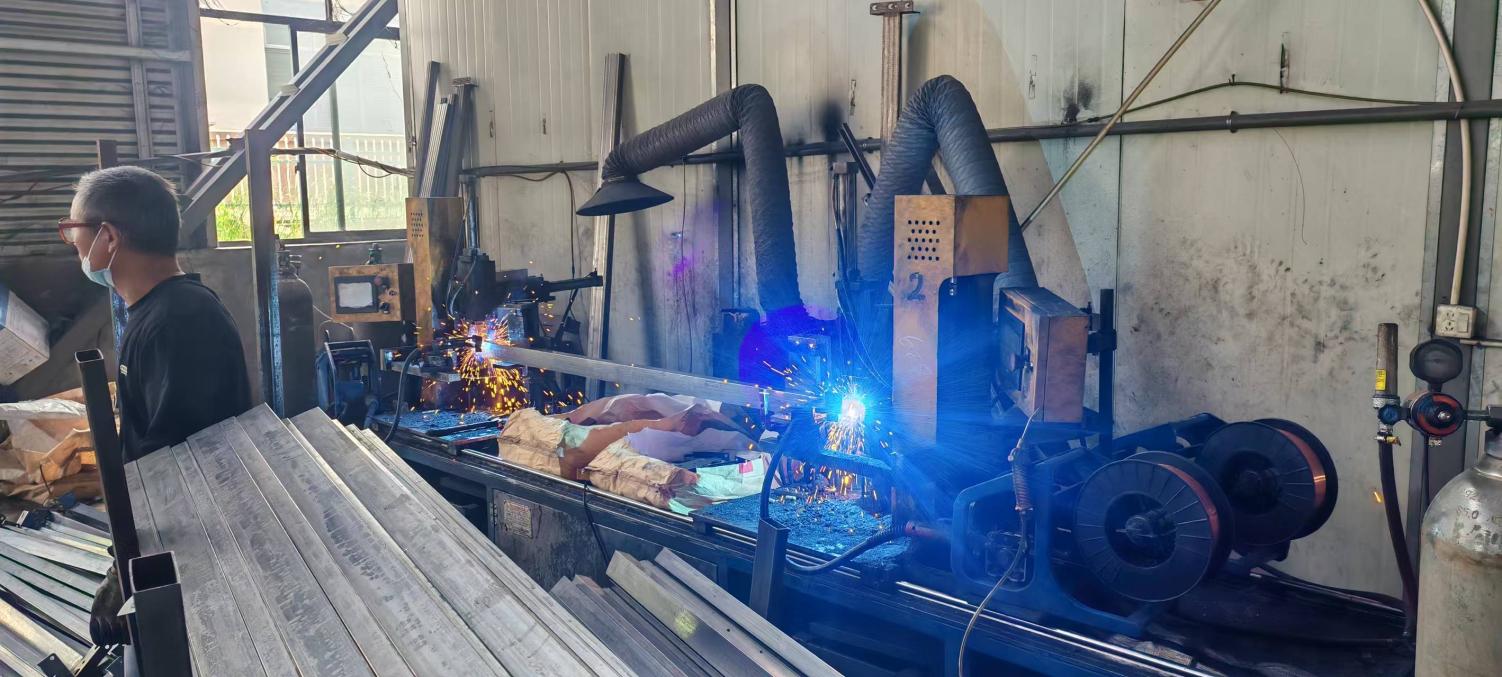
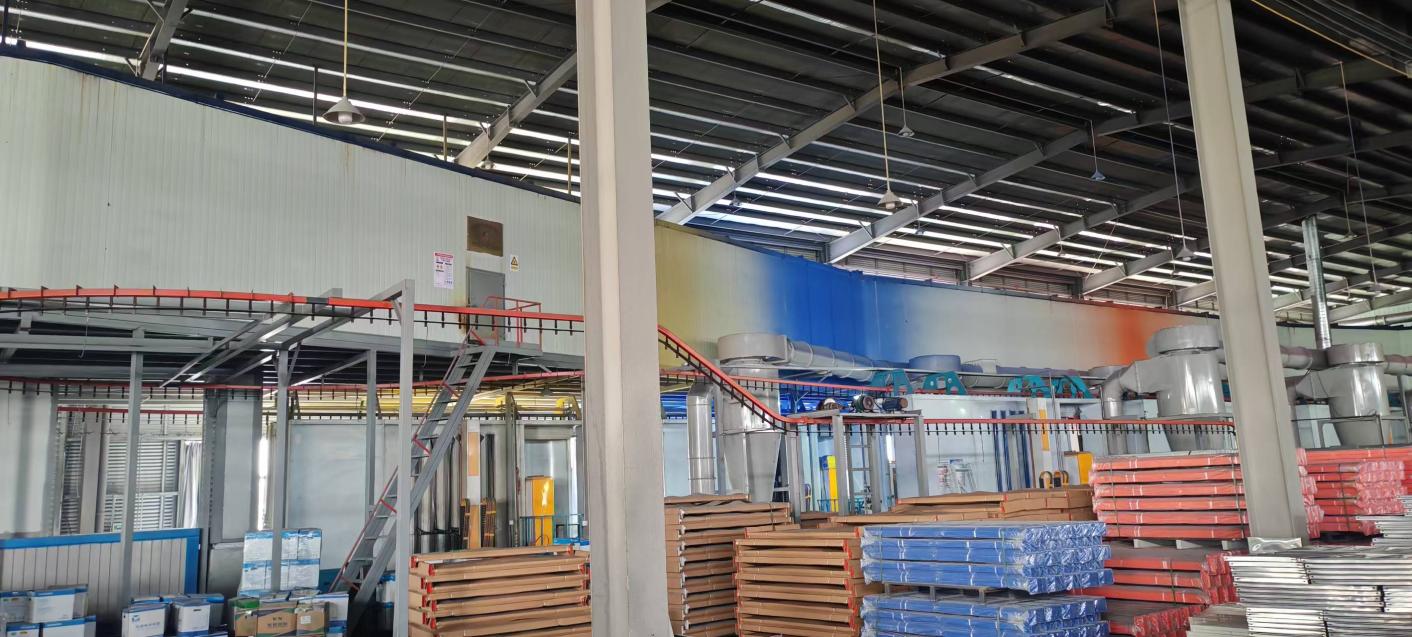
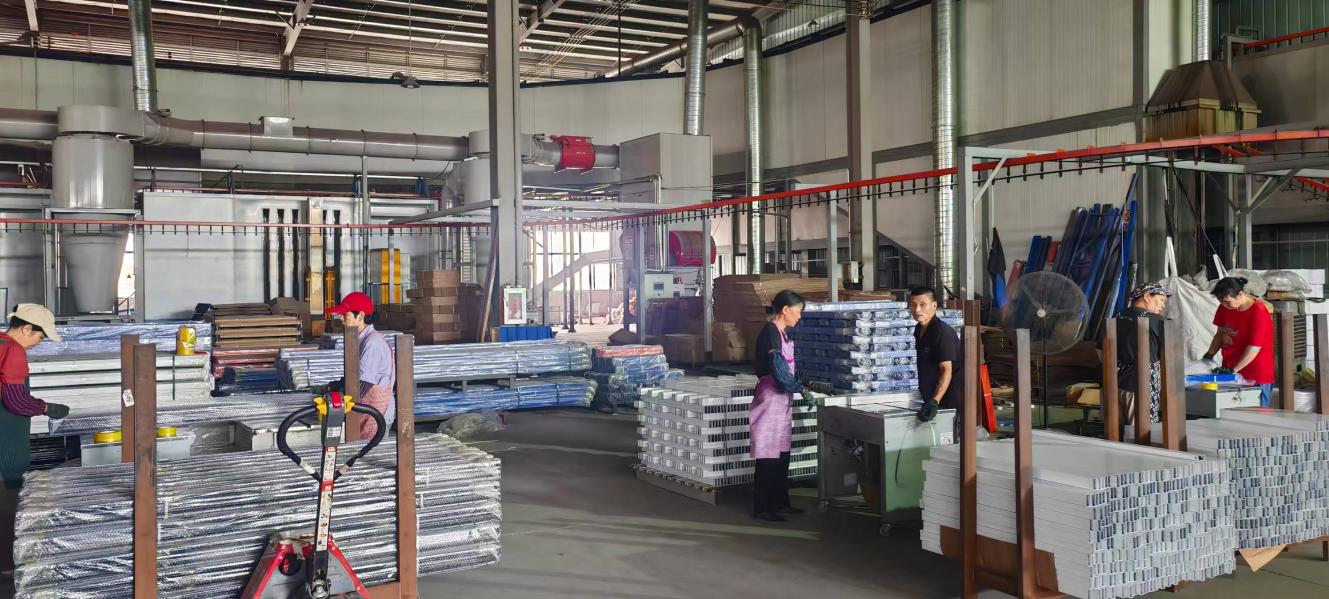
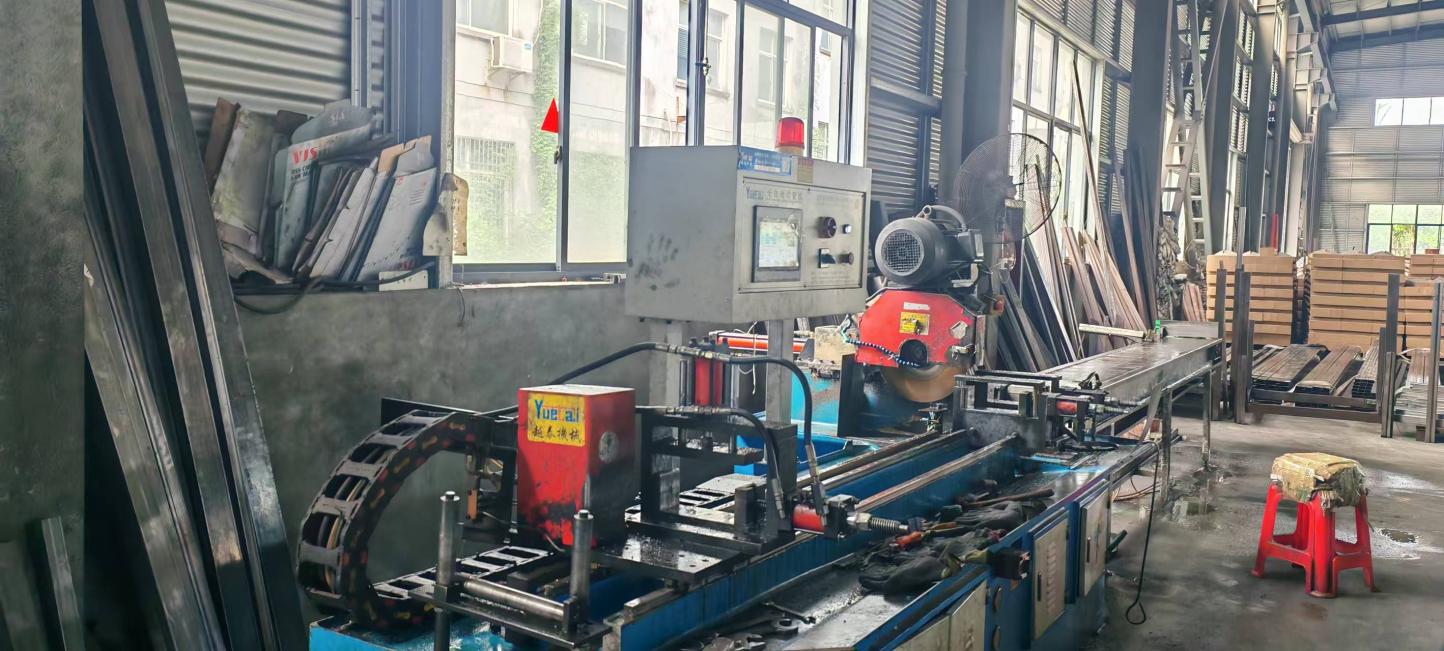
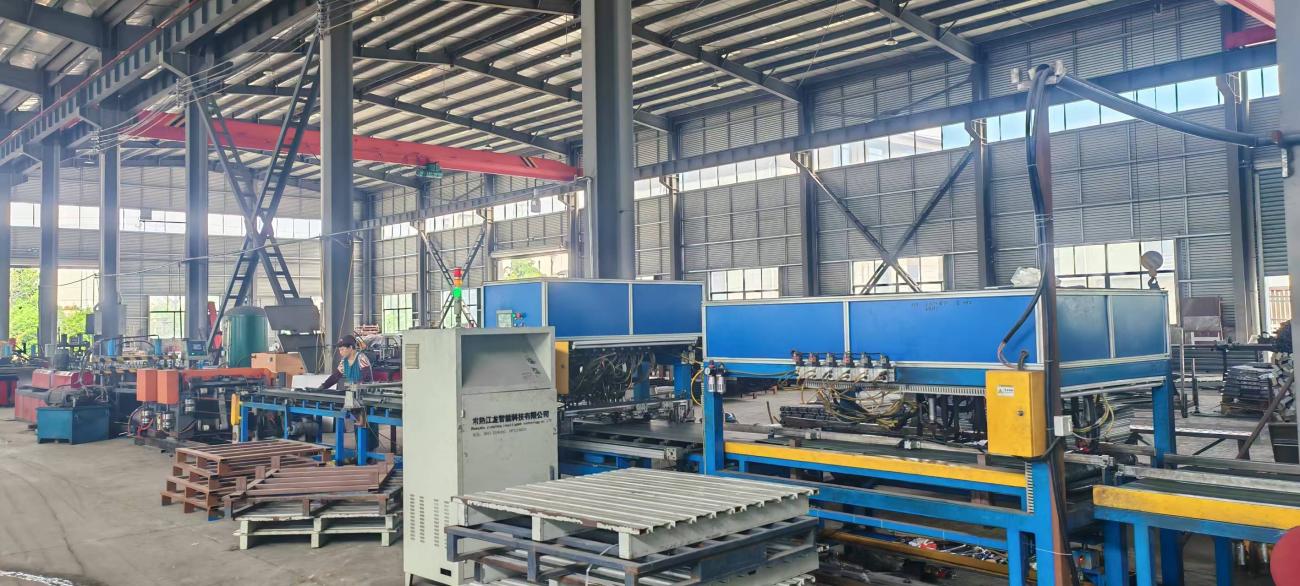
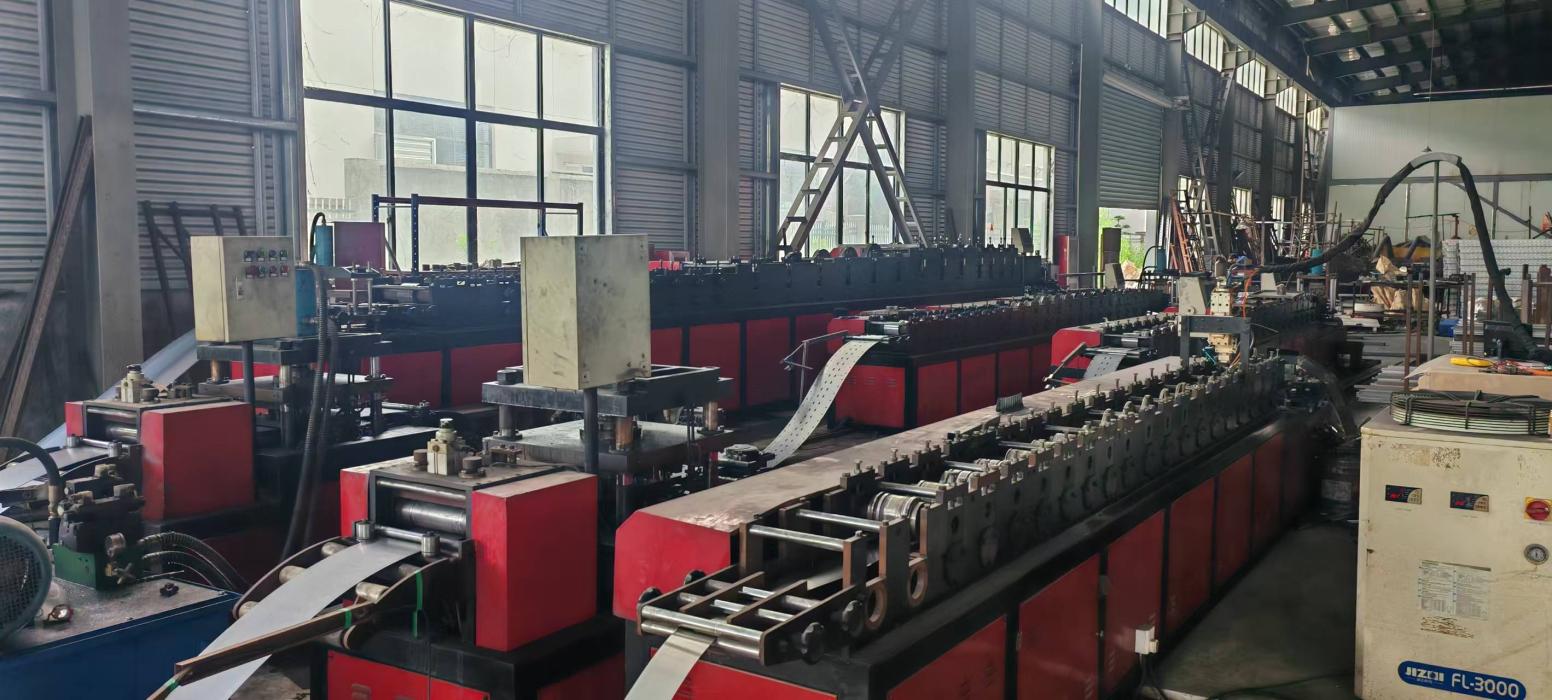
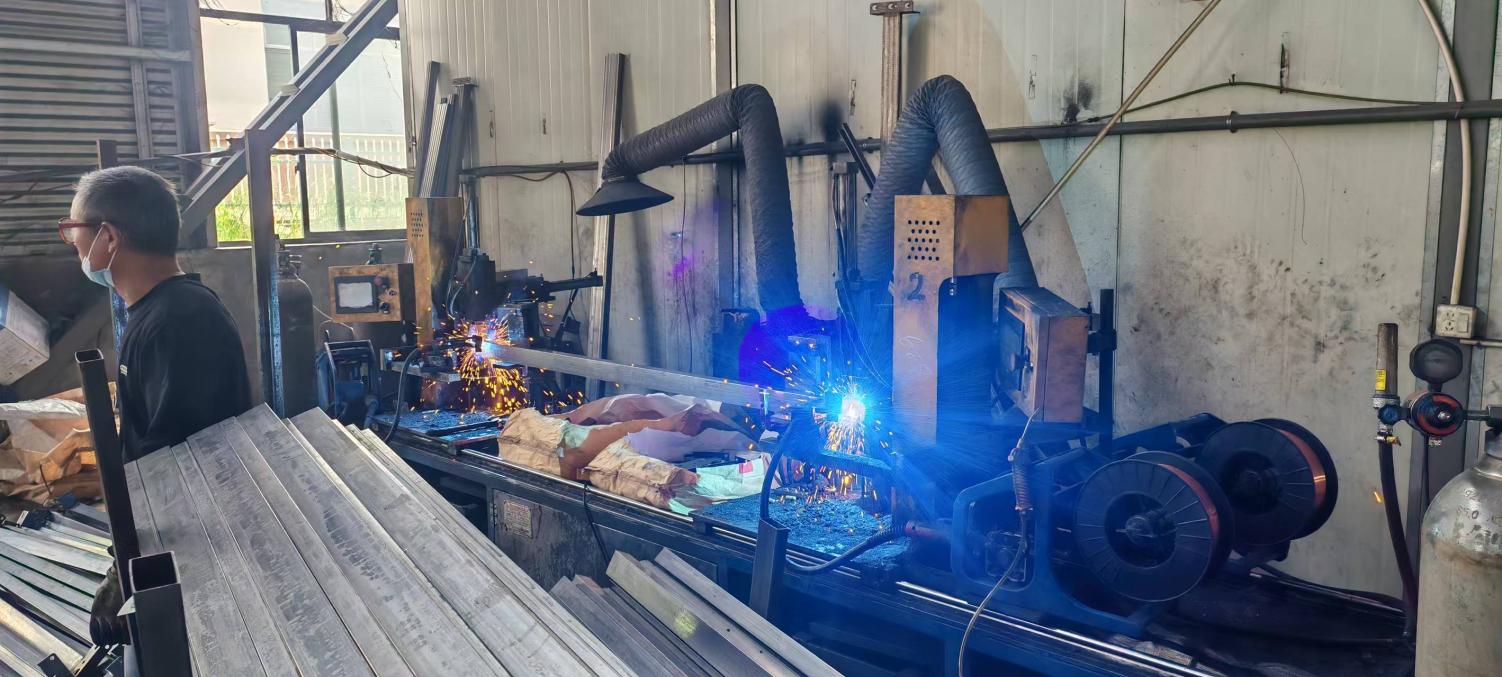
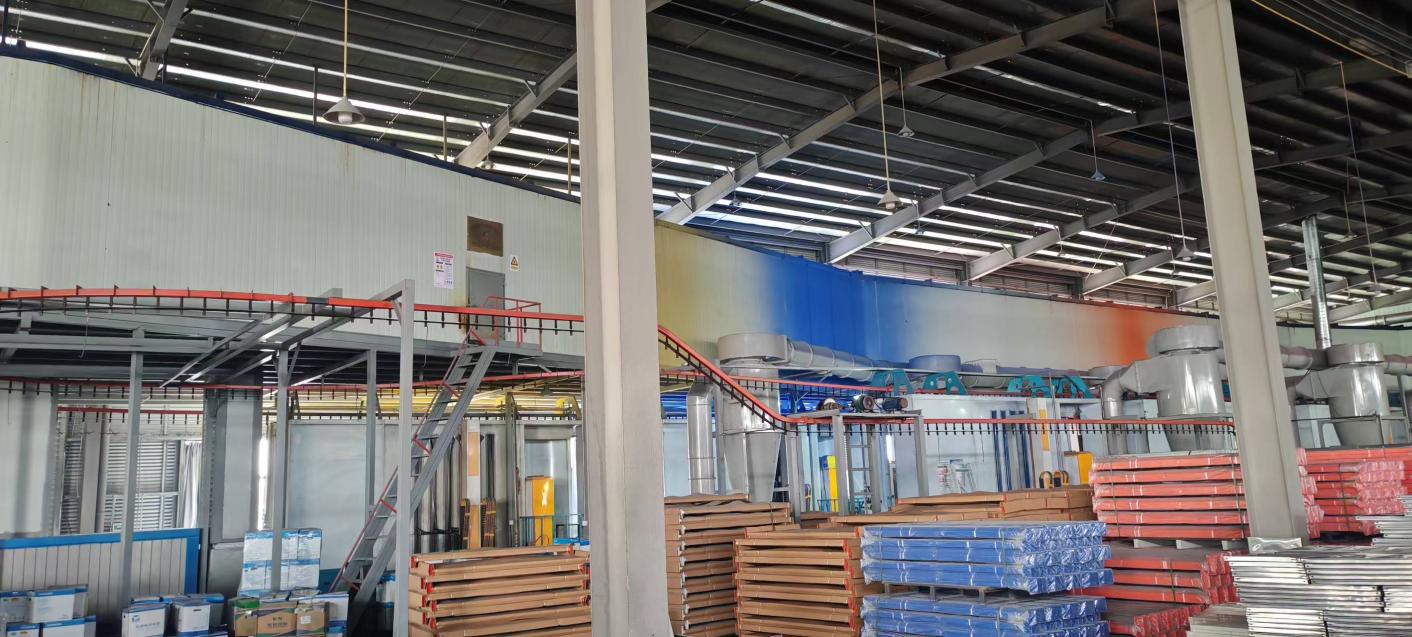
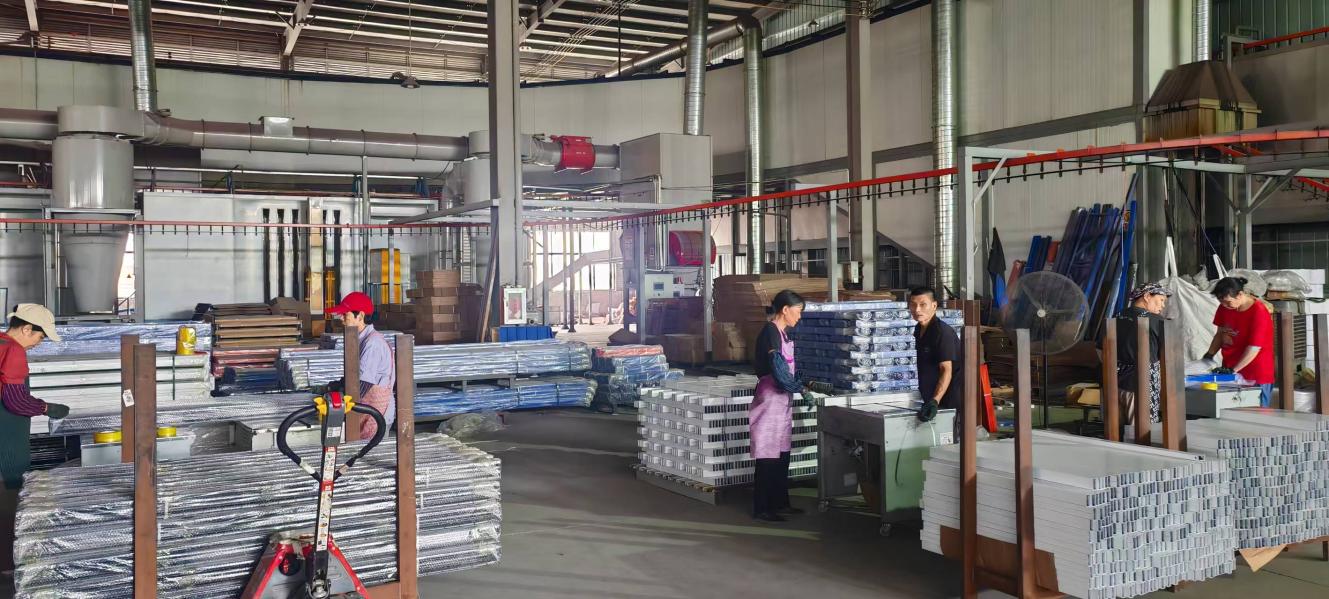
The rapid modernization of Chinese manufacturing under the Industry 4.0 framework has redefined the production of high-density storage equipment. By integrating automated roll-forming lines, robotic welding stations, and automated electrostatic powder coating systems, Guci Storage guarantees dimensional tolerances down to the millimeter.
In shuttle storage applications, precision is critical. If structural profiles deviate even slightly, the robotic shuttle can experience positioning errors, halting operations. Our automated forming lines ensure that the guide rail systems are consistently aligned, minimizing friction and optimizing battery efficiency for the shuttles.
Additionally, our location in Suzhou offers direct access to premium domestic steel producers. This access allows us to source high-grade Q235B and Q355B steel, providing excellent structural load capacity and fatigue resistance. Combined with our deep integration into East China's logistics networks, we offer global buyers a highly resilient and cost-effective supply chain.
When procuring high-density radio shuttle storage systems, enterprise buyers should look beyond unit prices. Key considerations include:
1. Cold Storage and Freezer Warehouses: Space in temperature-controlled warehouses is highly expensive to operate. Guci Storage's configurations function down to -25°C, optimizing thermal efficiency and minimizing energy loss by maximizing storage density.
2. Fast-Moving Consumer Goods (FMCG): FMCG operations rely heavily on First-In, First-Out (FIFO) and Last-In, First-Out (LIFO) inventory management. Radio shuttle racking supports both modes, allowing rapid turnarounds of high-volume SKUs.
3. Third-Party Logistics (3PL) & E-Commerce Fulfillment: High throughput speed and flexible storage profiles are essential. Custom OEM options from Guci Storage allow platforms to handle variable pallet configurations with ease.
Technical guidance and engineering insights to help you make informed decisions for your next high-density warehousing project.
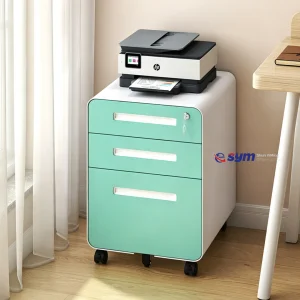
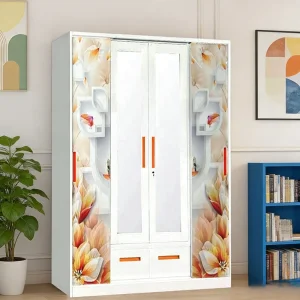
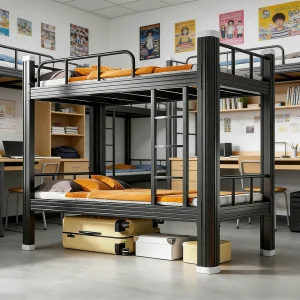
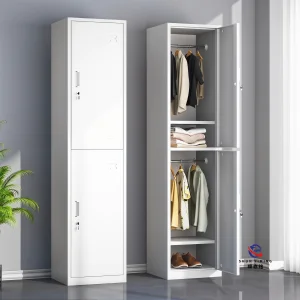
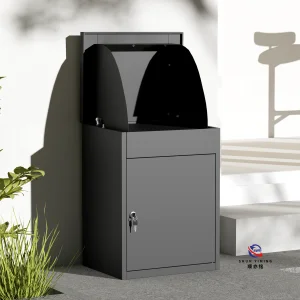
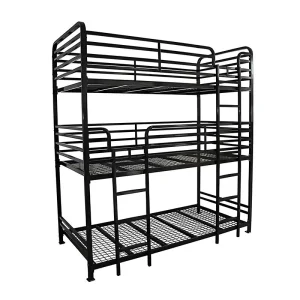
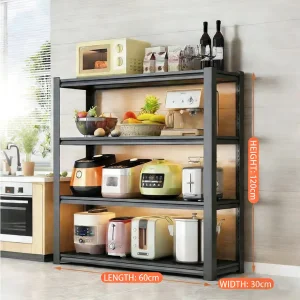
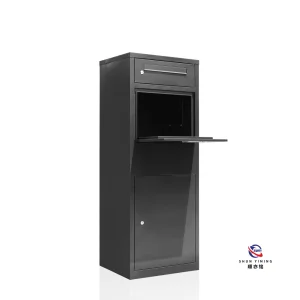
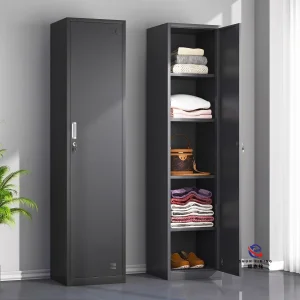
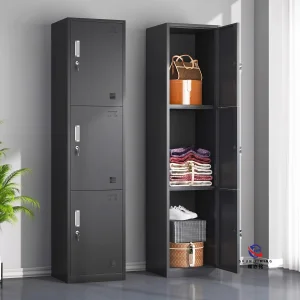
Browse our extensive selection of industrial steel lockers, mobile shelving, and heavy-duty storage racks.
 GuciRack