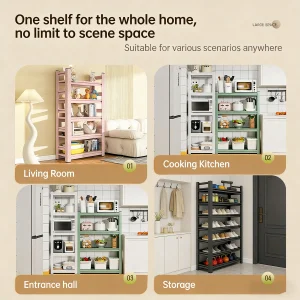
Mezzanine Racking Supplier & Exporter for Hamburg

High-Density Structural Steel Platforms & Engineered Multi-Tier Systems Compliant with DIN EN 15635 for Port of Hamburg Logistics, Free Zones, and Automotive Warehousing

Precision Warehouse Solutions for Germany

Engineered work stations, spatial organizers, and transport units configured for Hamburg's complex industrial ecosystem.
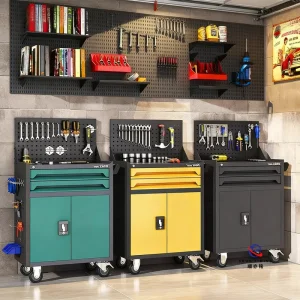
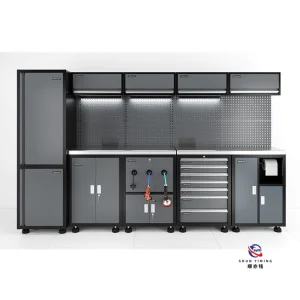
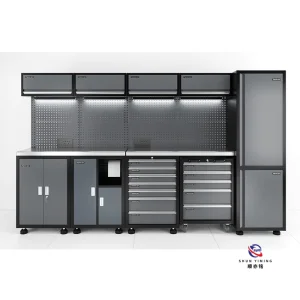
Hamburg Logistics Center Workshop Cabinet

Hamburg Port Utility: Low-Cost Multi-Functional Auto Repair Workshop Cabinet Trolley Iron Metal Modern Design Tool Box Trolley Adjustable Storage

View Specifications
CNC Workshop Steel Workbench Hamburg

Hamburg Aviation Assembly: High-tech Steel Workbench Combo, Combined Tool Station with Computer Monitor Mount for CNC Workshop Use

View Specifications
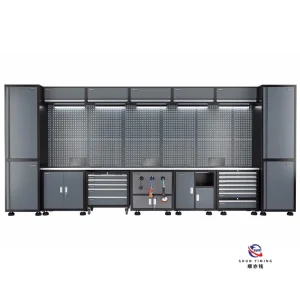
Heavy Duty Workbench Hamburg Marine

Hamburg Port Maintenance: Solid Steel Construction Workbench, Combined Tool Station with Heavy Duty Casters & Integrated Vise Mount

View Specifications
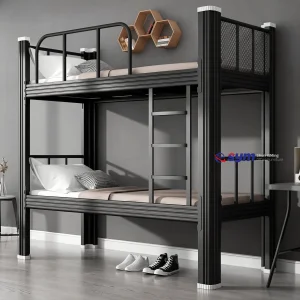
Metal Bed Frame Storage Hamburg

Hamburg Crew Quarters: Minimalist Metal Bed Frame with Storage Space, Sleek Steel Platform Bed Base for Contemporary Studio Apartment

View Specifications

The Hamburg Logistics Bottleneck: Why Vertical Cubic Expansion is Imperative

Hamburg, serving as the third-largest port in Europe and the premier rail hub for transshipment across Central and Northern Europe, faces a critical constraint: land scarcity. With industrial logistics parks spanning Altenwerder, Billbrook, and Waltershof operating at near-maximum capacity, industrial land prices in the Hamburg Metropolitan Region have surged. Companies can no longer afford horizontal footprints to scale operations.

Introducing structural mezzanine systems changes the calculation. By utilizing the vertical clearance of typical Hamburg industrial halls—often ranging from 8 to 12 meters—warehouses can double or triple their usable floor space without altering the building envelope. This structural integration mitigates the need for expensive relocation or greenfield development, allowing logistics operators, automotive distributors, and 3PL providers to scale within their existing footprints.

Key Takeaway for Hamburg 3PLs:

Every square meter of floor space in the Port of Hamburg is premium real estate. Converting clear height into functional flooring via heavy-duty mezzanine platforms provides a return on investment (ROI) within 18–24 months compared to leasing additional logistics space.

Demographics & Logistics Profiles Met by Custom Racking

Modern distribution complexes surrounding Hamburg Airport and the harbor handle vast quantities of dynamic cargo. From high-value micro-electronics requiring clean-room level static shelving, to automotive spare parts, to heavy marine equipment—each category demands a distinct structural response. Roll-formed and structural steel mezzanines serve as the backbone for multi-tiered systems, enabling the installation of conveyor networks, sortation systems, and safety barriers.

Furthermore, our engineering teams specifically address the coastal climate conditions of Hamburg. The high relative humidity associated with the Elbe River demands superior corrosion-resistant coatings, including C4/C5 grade industrial powder coatings and hot-dip galvanized structural profiles to ensure decades of structural integrity without oxidation degradation.

35,000m²
MANUFACTURING CAPACITY
11+
YEARS RACKING EXPERTISE
$18M
ANNUAL EXPORT VOLUME
100%
DIN EN 15635 COMPLIANT

German & European Safety Compliance: DGUV & DIN EN Standards

When operating warehousing infrastructure in Germany, adherence to safety regulations is strictly enforced by the occupational health and safety associations (Berufsgenossenschaften). Racking systems installed in Hamburg must meet the rigorous demands of:

  • DIN EN 15635: Guidelines for the application, maintenance, and regular inspection of steel static storage systems.
  • DGUV Regel 108-007: German safety standards regulating storage equipment and shelving, ensuring safe load limits and design criteria.
  • Eurocode 3: Design of steel structures, specifying limits for stress, deflection (L/200 to L/300 depending on use case), and stability under dynamic loading.

Guci Storage Equipment operates with a 25-person QA/QC department that tests every structural profile using ultrasonic flaw detection and load-capacity stress testing. This guarantees that columns, primary beams, purlins, and decking sheets shipped to Germany possess verified material traceabilities and load ratings certified to meet CE standards.

Mezzanine Structural Engineering Specifications

Our industrial mezzanine platforms are engineered to handle a broad range of load-bearing requirements, from light picking levels to heavy machinery installation zones:

Platform Category Load Capacity (kg/m²) Typical Applications
Light Industrial / Pick Modules 250 - 500 kg/m² E-commerce fulfillment, manual order picking, archiving.
Medium Industrial Platform 500 - 1,000 kg/m² Pallet storage, dynamic conveyor lines, assembly stations.
Heavy Structural Platform 1,000 - 2,500+ kg/m² Heavy manufacturing machinery, battery rooms, heavy-duty 3PL hubs.

Our engineering division (consisting of 18 dedicated R&D specialists) customizes structural components based on specific local soil properties and slab capacities (Bodenplatte) of the client's Hamburg facility to avoid structural settling or concrete crack propagation.

Global Sourcing & OEM/ODM Customization for Germany

Navigating global supply chains requires an experienced industrial partner. As a mature exporter with over 8 years of global trade history and direct links to more than 800 supply chain partners, Guci Storage bridges the gap between high-precision Chinese steel manufacturing and stringent European building code compliance.

Our OEM/ODM services are built for enterprise-level logistics integration. Whether you are expanding an automated distribution center in Hamburg-Ost, setting up a cold chain mezzanine system near the port docks, or upgrading an aircraft manufacturing tool room in Finkenwerder, we coordinate every variable: column spacing to maximize forklift travel lanes, integrated fire safety paths, localized staircase designs (DIN 18065 compliant), and safety gate placements.

We provide full structural layouts in CAD and SolidWorks format, including Finite Element Analysis (FEA) reports, ensuring local German architectural teams can swiftly secure building approvals (Baugenehmigung) from Hamburg regulatory authorities.

The Guci Quality Assurance Methodology

Our 35,000 m² factory operates under strict ISO9001 and CE frameworks. Our production control protocol involves four major stages:

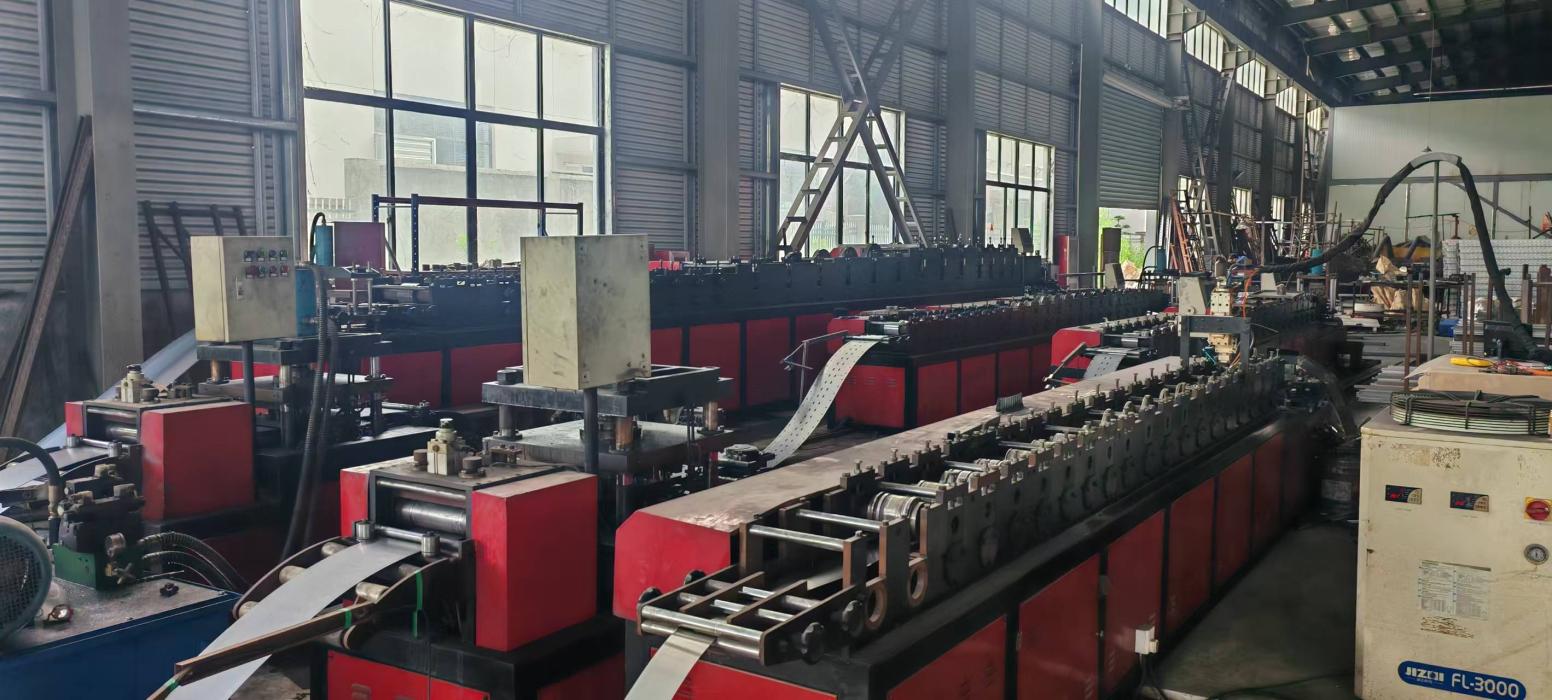
  1. Material Validation: Only verified high-grade Q235B and Q355B steel coils are fed into our profiling lines, ensuring tensile strength matches target specifications.
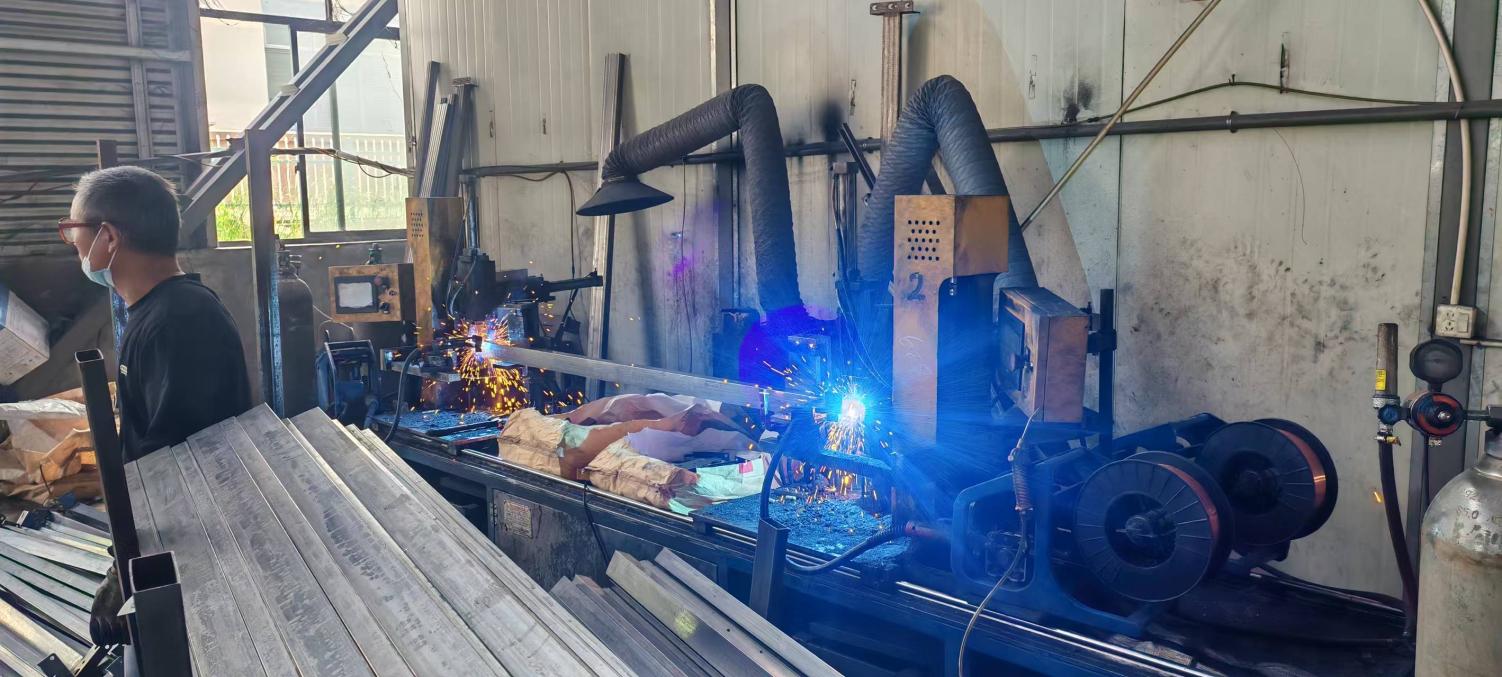
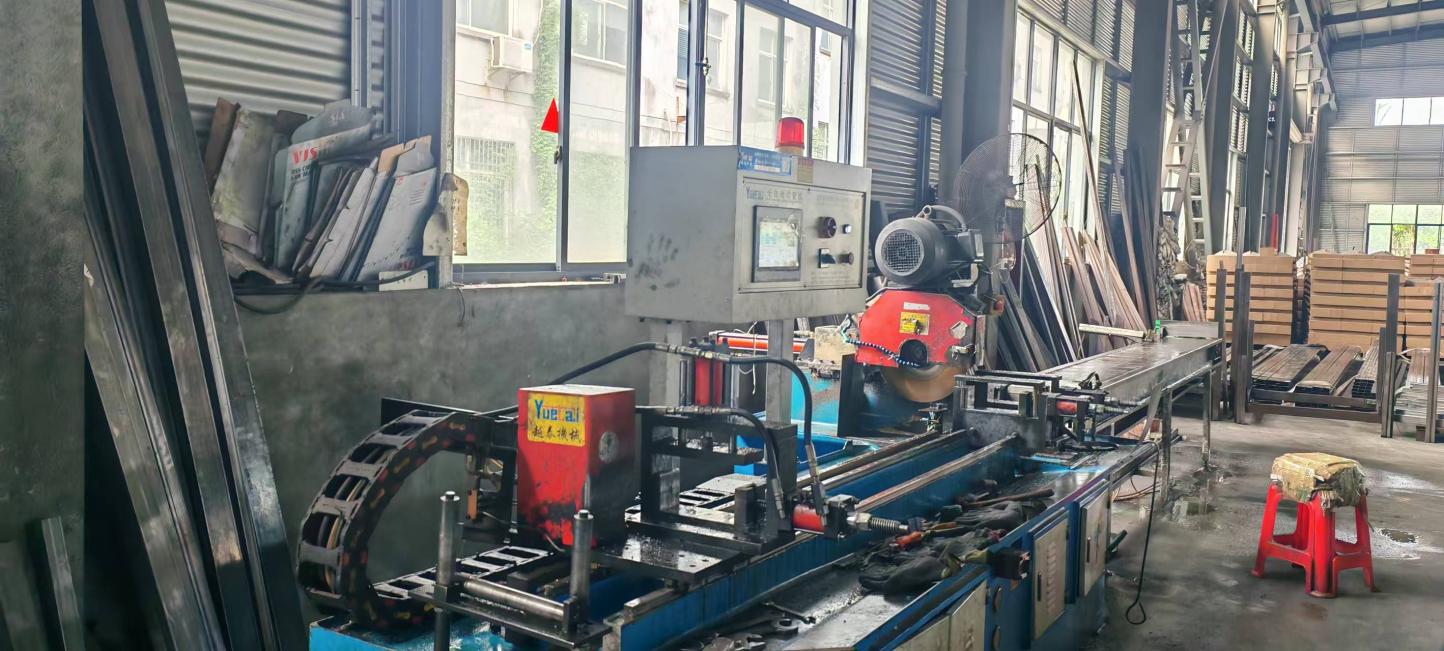
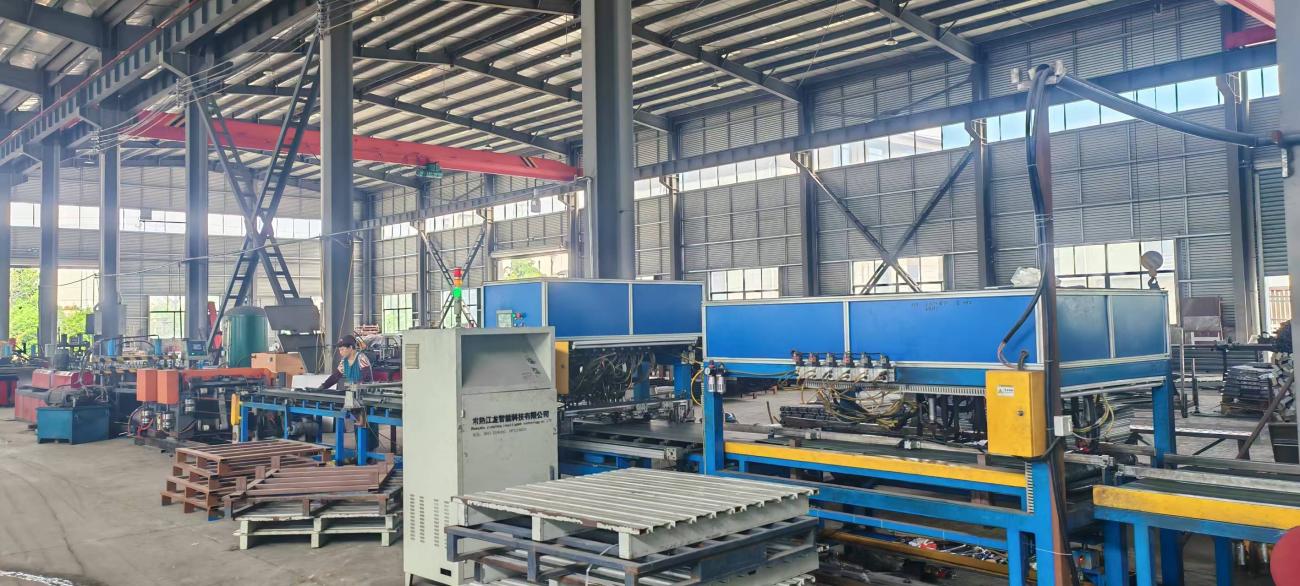
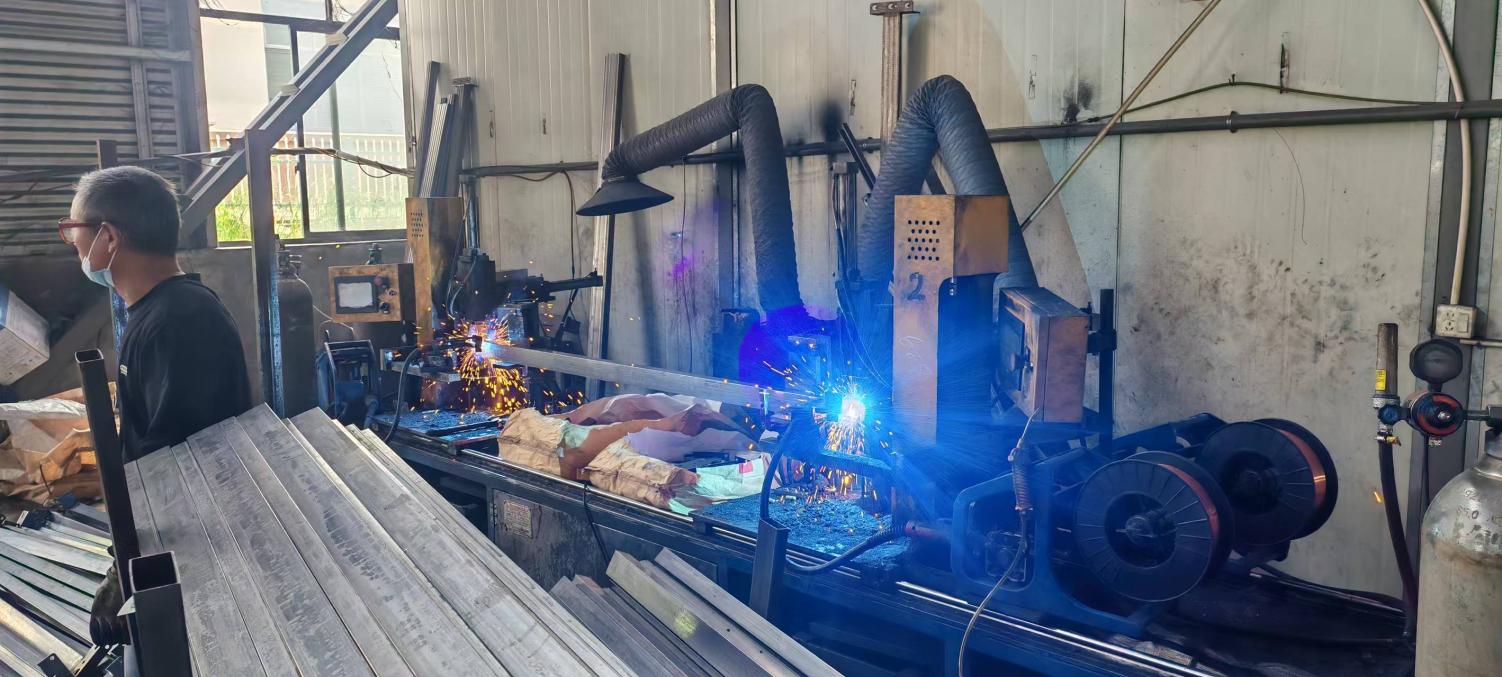
  2. Automated Robotic Welding: Advanced robotic arms carry out continuous welding seams, verified by ultrasonic testing, to eradicate microscopic air pockets and structural weak points.
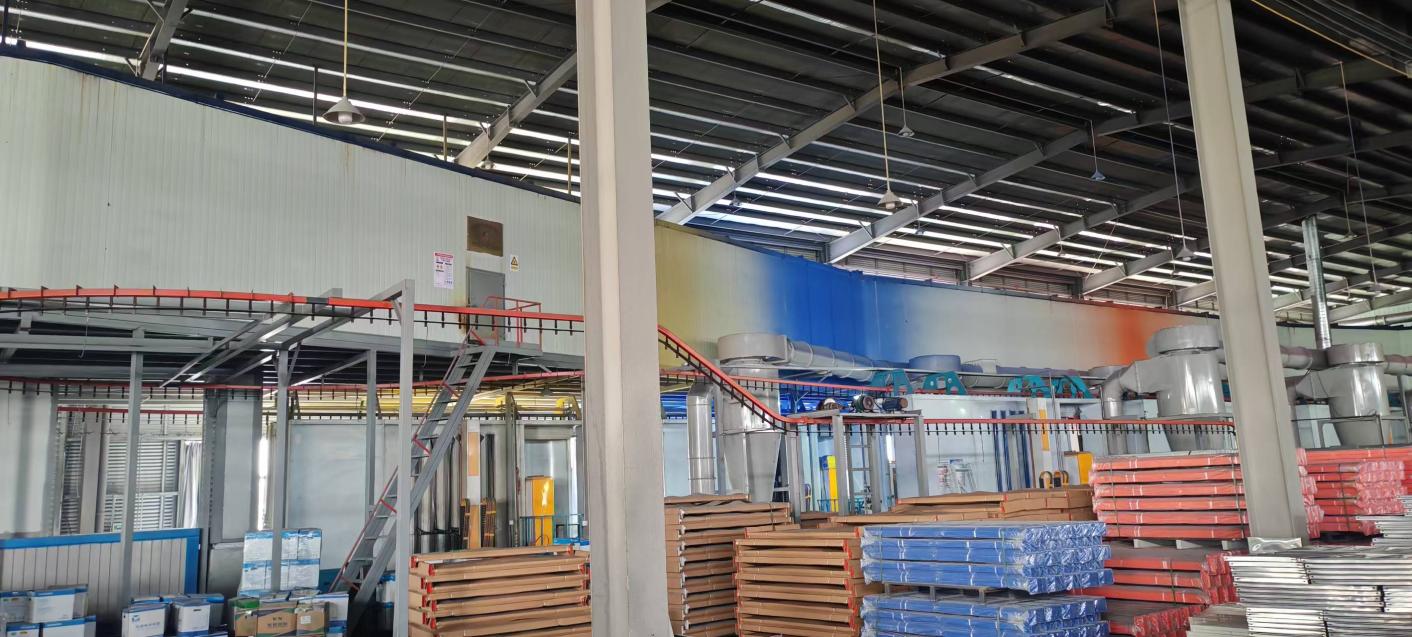
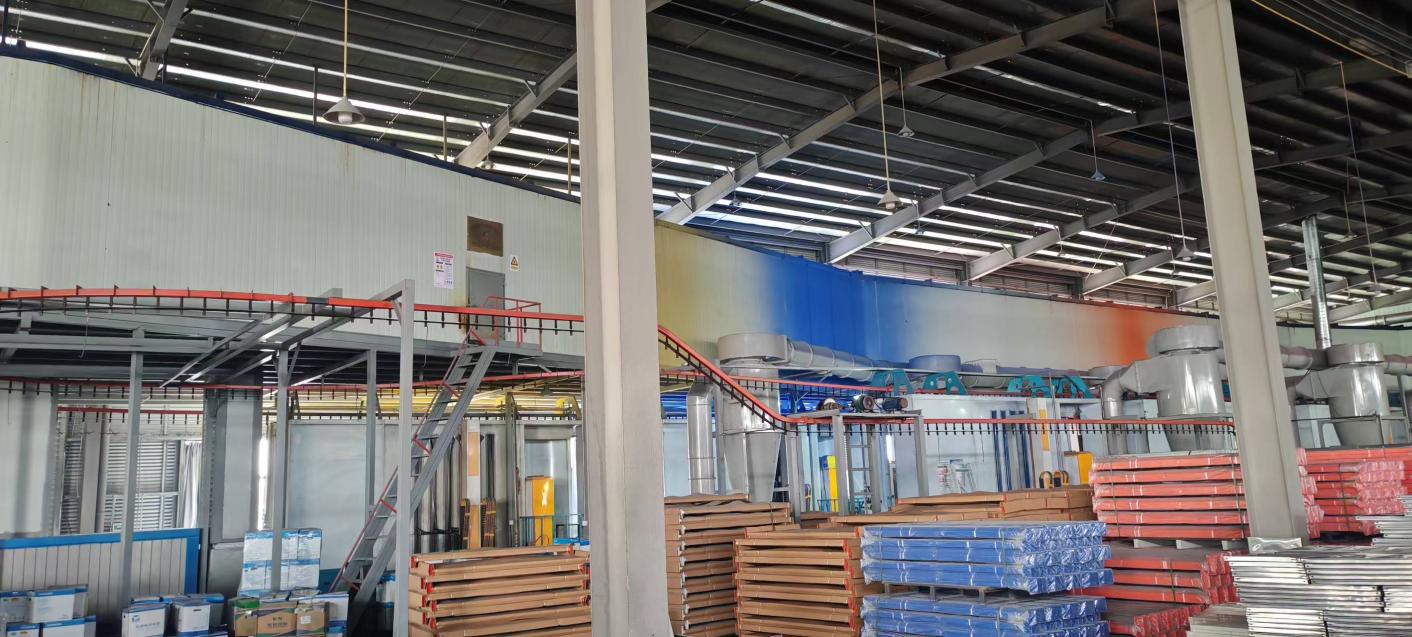
  3. Eco-Friendly Powder Coating: An electrostatic powder-coating line cures finishes at high temperatures, creating an scratch-resistant, impact-absorbing surface that handles forklift impact and prevents rust in coastal dampness.
  4. Load Verification: In-house hydraulic stress rigs simulate maximum point and uniformly distributed loads (UDL) to certify actual safety margins exceed 1.5x structural capacity.

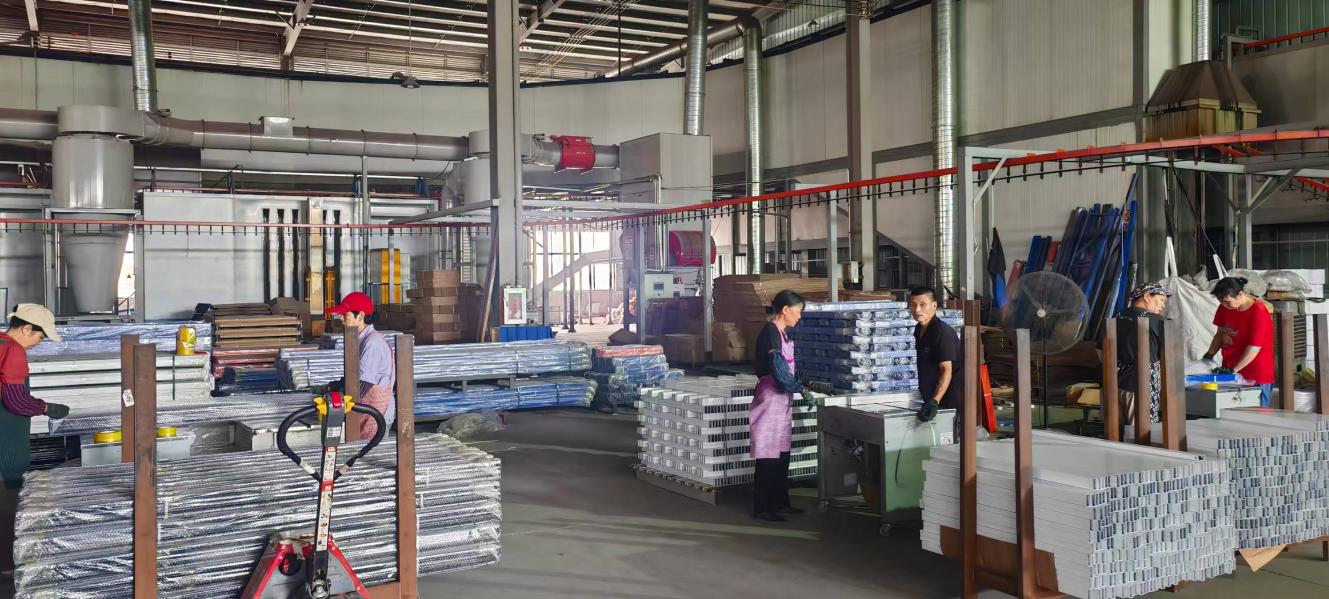
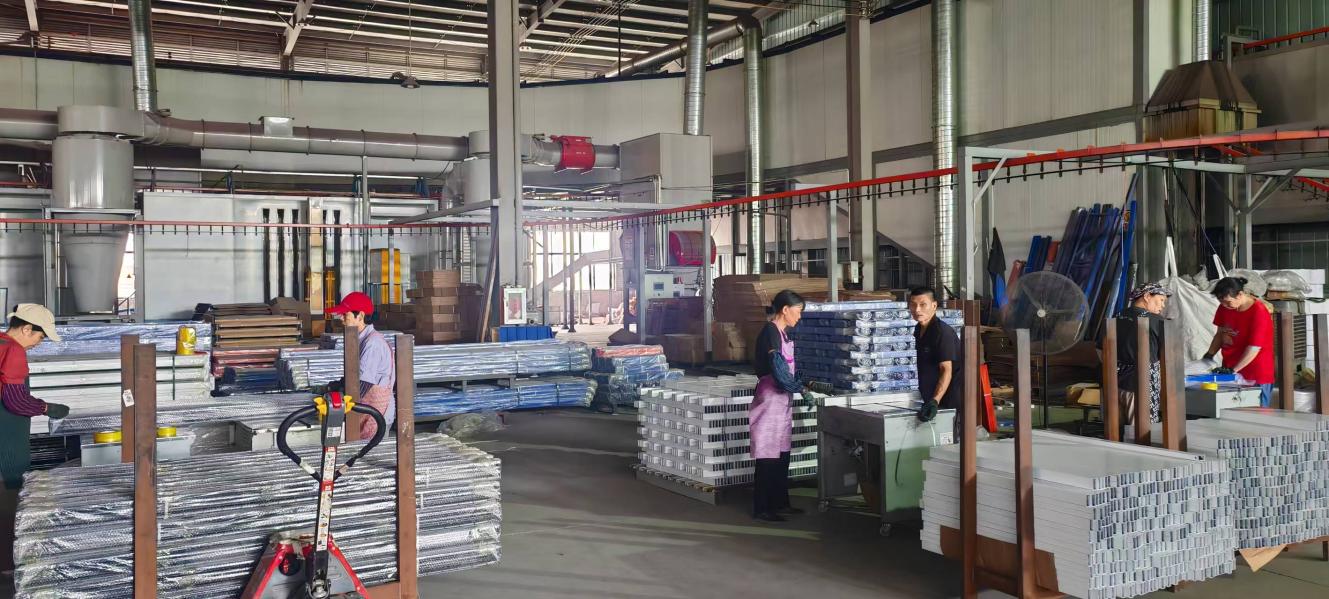
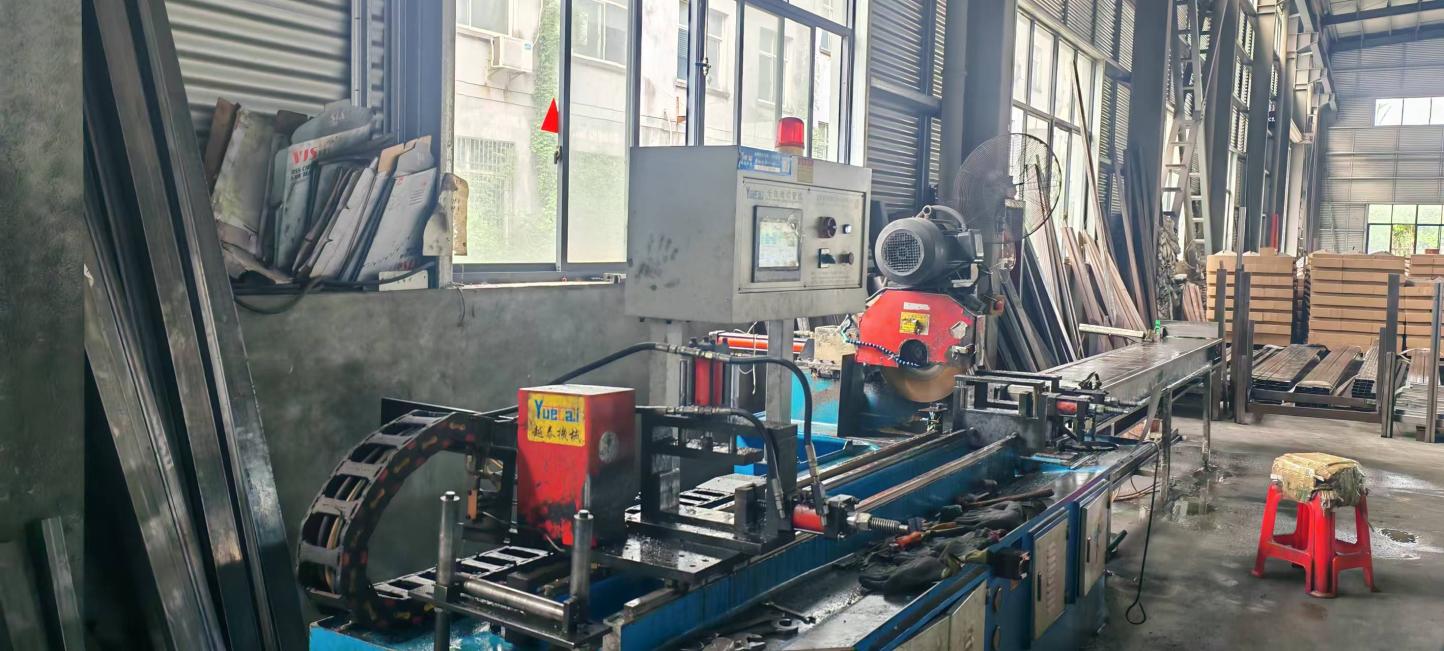
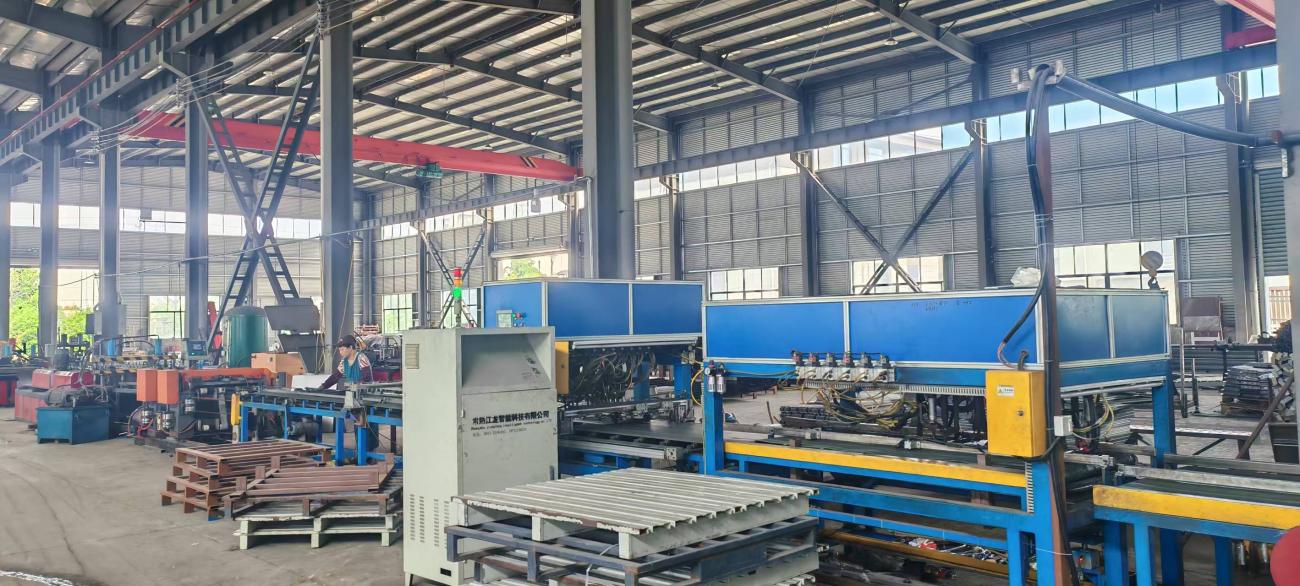
Our automated production lines in Suzhou, China, convert raw steel into certified heavy-duty warehouse racking solutions exported directly to Hamburg logistics hubs.
Technical Roadmap: Next-Generation Warehousing Systems

The logistics landscape is transitioning from manual storage toward hybrid, semi-automated, and fully automated storage systems. Guci Storage is actively positioning itself at the intersection of structural steel mezzanines and automation machinery:

  • AS/RS & AGV Integration: Modifying structural calculations to allow automated guided vehicles (AGVs) and autonomous mobile robots (AMRs) to navigate mezzanine floors safely. This requires ultra-flat steel paneling and precise deflection limits.
  • High-Tensile Thin-Walled Alloys: Utilizing Q420 and higher structural steels to reduce deadweight while maintaining yield strength, saving shipping costs and reducing column profiles.
  • Modular Structural Designs: Interlocking bolt-together designs that eliminate the need for hot-works (welding) during installation, minimizing risk in hazardous environments.

Sustainable Steel & Green Supply Chain Efforts

As the European Union moves forward with the Carbon Border Adjustment Mechanism (CBAM), sustainability in steel sourcing is becoming crucial. We work with leading steel mills using electric arc furnaces (EAF) to integrate green steel initiatives into our supply chain. Combined with zero-VOC powder coatings, this helps our Hamburg clients meet their corporate social responsibility (CSR) goals and obtain DGNB (Deutsche Gesellschaft für Nachhaltiges Bauen) green building certifications.

Optimize Your Hamburg Warehouse Floor Space Today

Request a custom AutoCAD layout and load analysis report from our senior engineering team. Get a transparent quote on CE-certified industrial racking tailored for Germany.

Send Inquiry Now

Industrial Storage, Mobile Shelving & Heavy Steel Racks

Our complete line of heavy-duty industrial cantilevers, mobile shelving, work tables, and high-density storage cabinets optimized for German manufacturing lines.
KD Steel Filing Cabinet Hamburg

Hamburg Office Administration: Easy Assemble KD Steel Filing Cabinet 3 Drawer Lateral Metal Storage Cupboard for Office Furniture Global Shipping

View Specifications
Electric Mobile Shelving Hamburg

Hamburg Archiving Hub: Electric Smart Mobile Compact Shelving, Intelligent Steel High Density Filing System with Touch Screen Control

View Specifications
Clean Room Workstation Hamburg

Hamburg Bio-Tech Cleanroom: Modern Combined Workstation, Multi-functional Tool Station with Stainless Steel Top for Clean Room Use

View Specifications
Stainless Steel Shelving Hamburg

Hamburg Cold Chain Storage: Shelf Warehouse Storage Stainless Steel Shelving Display Storage Multi-storage Household Load Bearing Floor Heavy Iron Shelves

View Specifications
Cantilever Racking Hamburg

Hamburg Heavy Metal Profiles: Heavy Duty Stainless Steel Cantilever Racking System Industrial Storage Rack Corrosion Protection Galvanized/Powder Coated

View Specifications
Heavy Duty Shelving Hamburg

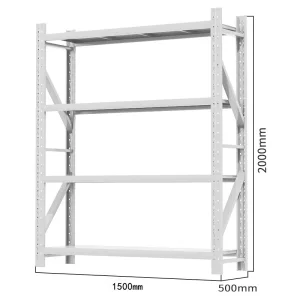
Hamburg Auto Parts Depot: Custom Heavy Duty Shelving 300 Kg Layer Garage Black 4 Tier Warehouse Storage Metal Stacking Shelf Rack Unit for Warehouse

View Specifications
Heavy Duty Cantilever Shelves Hamburg

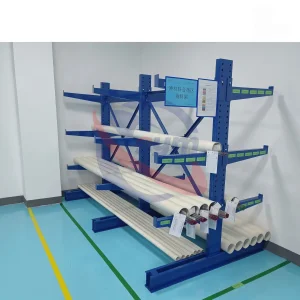
Hamburg Timber Yard: Industrial Storage Rack Cantilever Racking System Heavy Duty Storage Shelves for Long Load Management

View Specifications
Boltless Warehouse Racks Hamburg

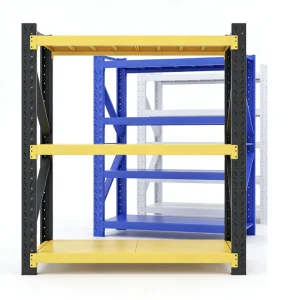
Hamburg Assembly Workshop: Durable Steel Warehouse Racks Adjustable Shelves for Workshop Studio Storage-Boltless Assembly Anti-Rust Corrosion Protection

View Specifications

Hamburg Industrial Racking: FAQ & Engineering Advice

Everything you need to know about structural design, local building regulations, and safety codes for multi-tier industrial racking systems in Germany.

1. How do we ensure local building permit (Baugenehmigung) approval for Chinese-made structural mezzanines in Germany?
To obtain building approval in Hamburg, local regulatory bodies (Bauamt) require verified structural calculations (Statische Berechnung) based on Eurocode 3 (DIN EN 1993) standards. Guci Storage supports your local structural engineer by providing full dimensional engineering drawings, raw material certificates (Q235B/Q355B steel), and FEA (Finite Element Analysis) deflection test reports. Our compliance documentation ensures your local civil engineers can verify and stamp the structural submissions without delay.
2. What are the specific fire safety regulations for mezzanine systems installed in Hamburg?
Fire safety regulations in Germany are governed by the local state building code (Hamburgische Bauordnung - HBauO). If a mezzanine floor exceeds a certain footprint (usually 200m²), or is utilized as an active workspace, it requires integrated fire protection. This typically includes the installation of dynamic smoke detectors, fire-resistant escape stairwells (according to DIN 18065), and under-deck sprinkler systems. Guci designs custom perforated steel decking profiles (up to 50% open area) to ensure sprinkler water can easily penetrate from the primary ceiling lines, simplifying municipal fire department approvals.
3. How does Guci Storage prevent rust and corrosion in the damp marine climate of the Port of Hamburg?
Hamburg's coastal position introduces high humidity levels and salt spray, which can accelerate the corrosion of standard steel structures. To address this, Guci provides optional hot-dip galvanized (HDG) steel components (compliant with DIN EN ISO 1461) or C4/C5 grade industrial thermosetting powder coatings. These specialized surface finishes prevent oxidation, maintaining structural stability and appearance in marine cargo hubs and temperature-controlled cold warehouses.
4. What is the deflection limit for a heavy-duty structural steel mezzanine?
In compliance with Eurocode 3 standards, the deflection limit for structural steel members under load should not exceed L/200 (for general storage platforms) or L/300 (for platforms hosting regular manual workers or sensitive sorting equipment), where L is the span length between columns. Guci's engineering team calculates beam sections and column layouts to strictly comply with these parameters, preventing sagging and maintaining a solid base for robotic automation or manual assembly teams.
5. Can your mezzanine systems integrate with automated systems like conveyors and AGVs?
Yes. Modern industrial mezzanines operate as hybrid platforms. We design columns and joists to handle the localized vibration and weight load of overhead conveyor systems. For Automated Guided Vehicles (AGVs) or Autonomous Mobile Robots (AMRs), we provide specialized decking layouts utilizing high-density particle board over structural steel deck, or flat steel plate sheeting, ensuring a smooth path for autonomous sensors and heavy wheel loads.