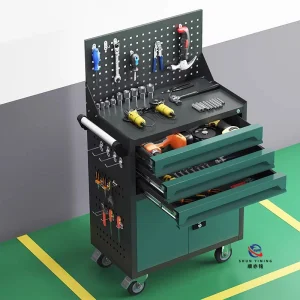
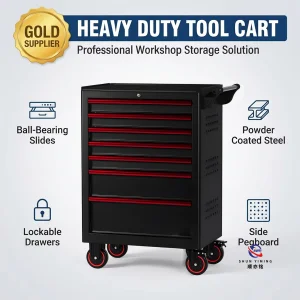
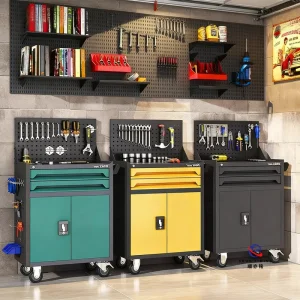
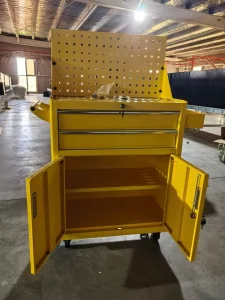
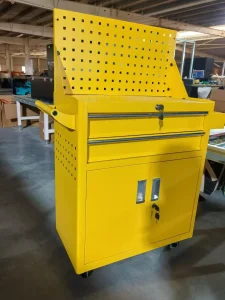
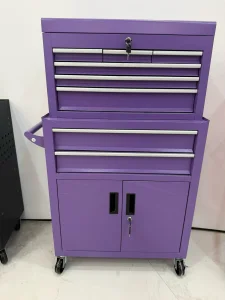
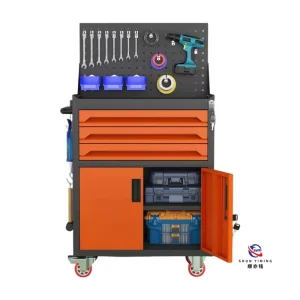
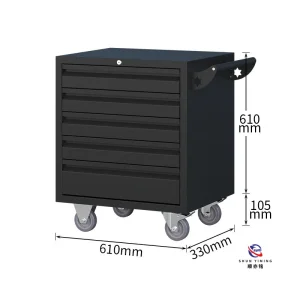
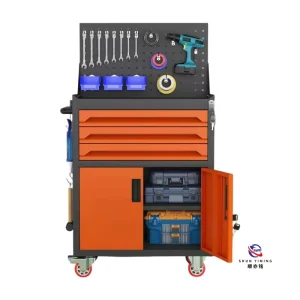
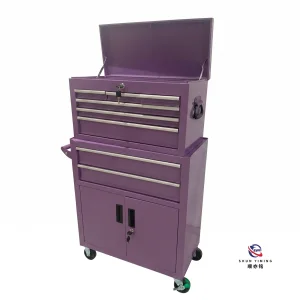
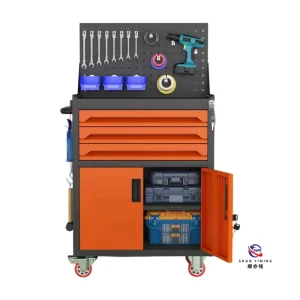
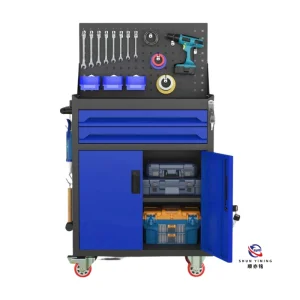
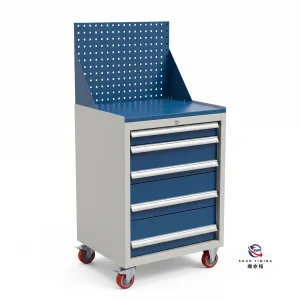
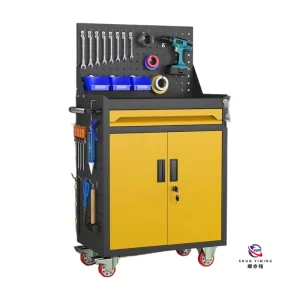
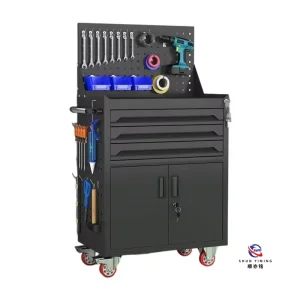
Engineered for high density storage layouts and continuous mobile use in high-efficiency factories.
Japan’s manufacturing sector, legendary for its Monozukuri (the art, science, and philosophy of making things) and the globally adopted Kaizen (continuous improvement) methodology, maintains some of the most stringent quality and organization standards in the world. From the automotive assembly lines in Toyota City and Nagoya to the precision semiconductor plants in Kumamoto and Tohoku, work environment efficiency is directly linked to material placement optimization.
Under the 5S framework (Seiri/Sort, Seiton/Set in order, Seiso/Shine, Seiketsu/Standardize, Shitsuke/Sustain), tool storage is not merely a utility; it is a critical variable in minimizing "Muda" (wasteful movements). In highly optimized workshops, a tool trolley must act as an extension of the technician, providing rapid access, total mobile safety, and absolute heavy-load integrity under intensive shift cycles.
Our heavy-duty tool trolleys are designed with these specific requirements in mind, offering smooth anti-topple locking drawers, premium quiet-glide bearing casters for cleanroom environments, and chemical-resistant powder finishes that stand up to industrial degreasers and harsh cutting oils.
Strategically bridging high-output advanced manufacturing in Suzhou with the high-reliability expectations of Japanese enterprises.
For Japanese purchasing managers, the decision to source industrial storage from overseas hinges on one primary question: Can an international supplier consistently match domestic Japanese quality while offering structural cost advantages?
At Guci Storage Equipment (Suzhou) Co., Ltd., we bridge this gap through advanced manufacturing automation and strict quality gatekeepers. Our location in the Yangtze River Delta industrial hub puts us within days of direct shipping routes to Japan's primary ports (Tokyo, Yokohama, Nagoya, Osaka, Kobe), dramatically lowering logistics overhead and lead times compared to Western manufacturers.
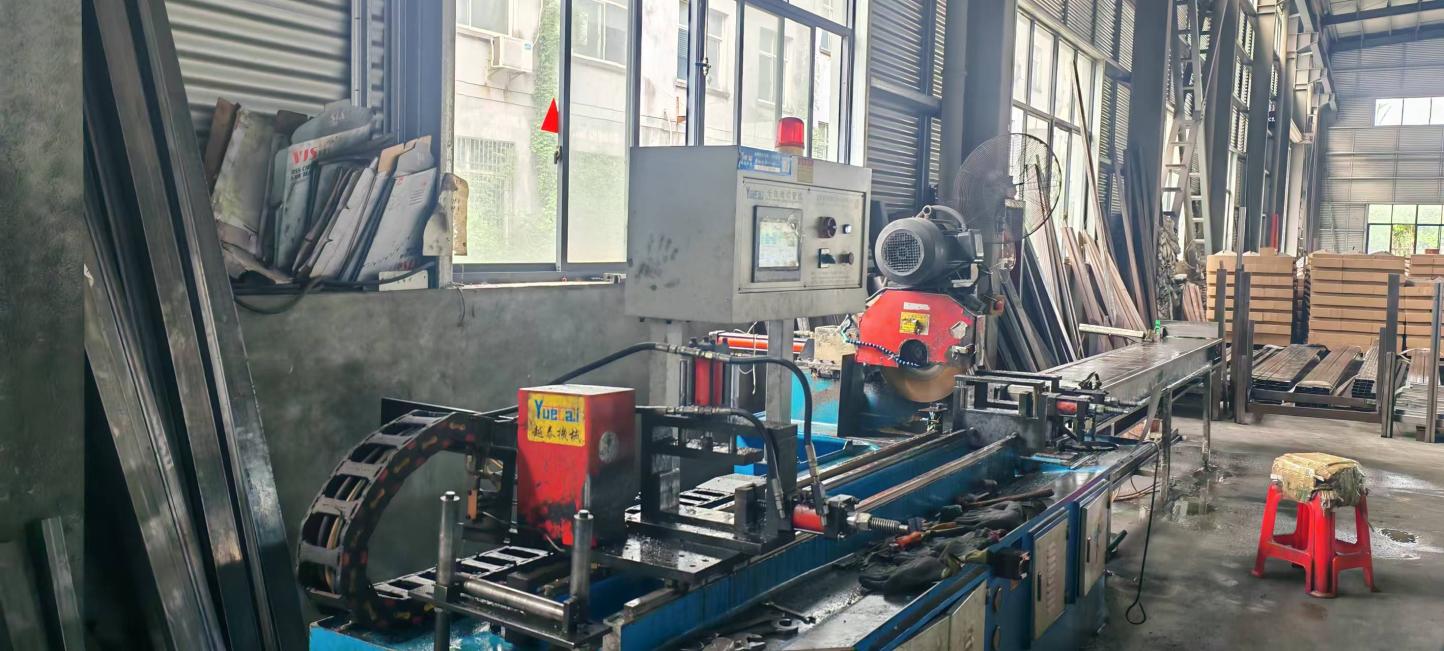
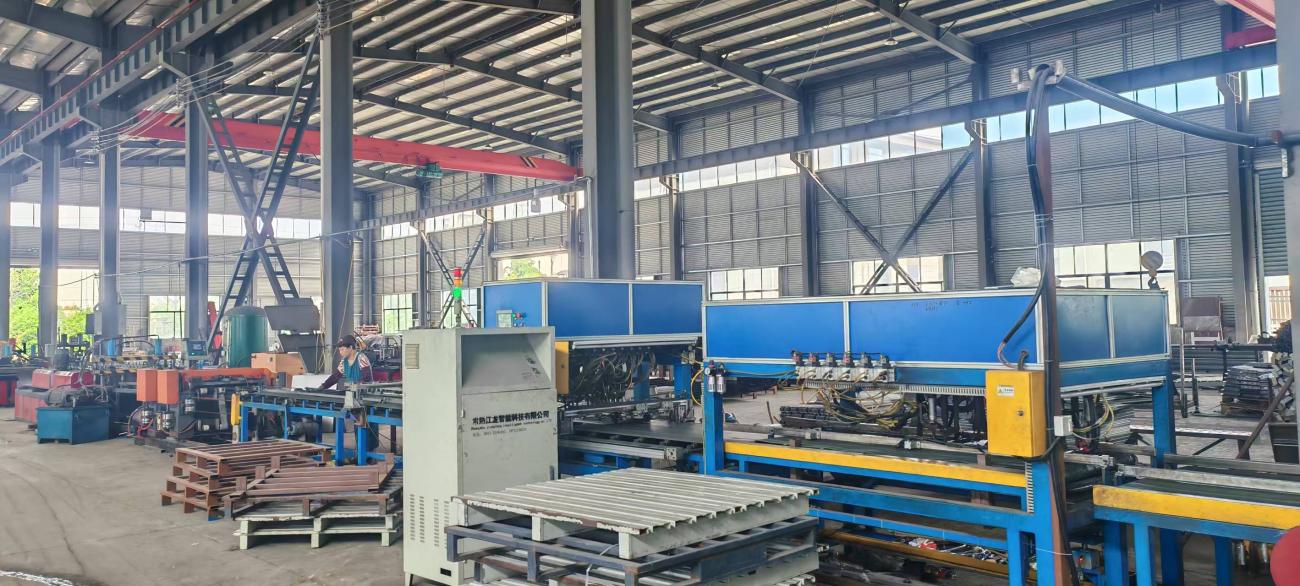
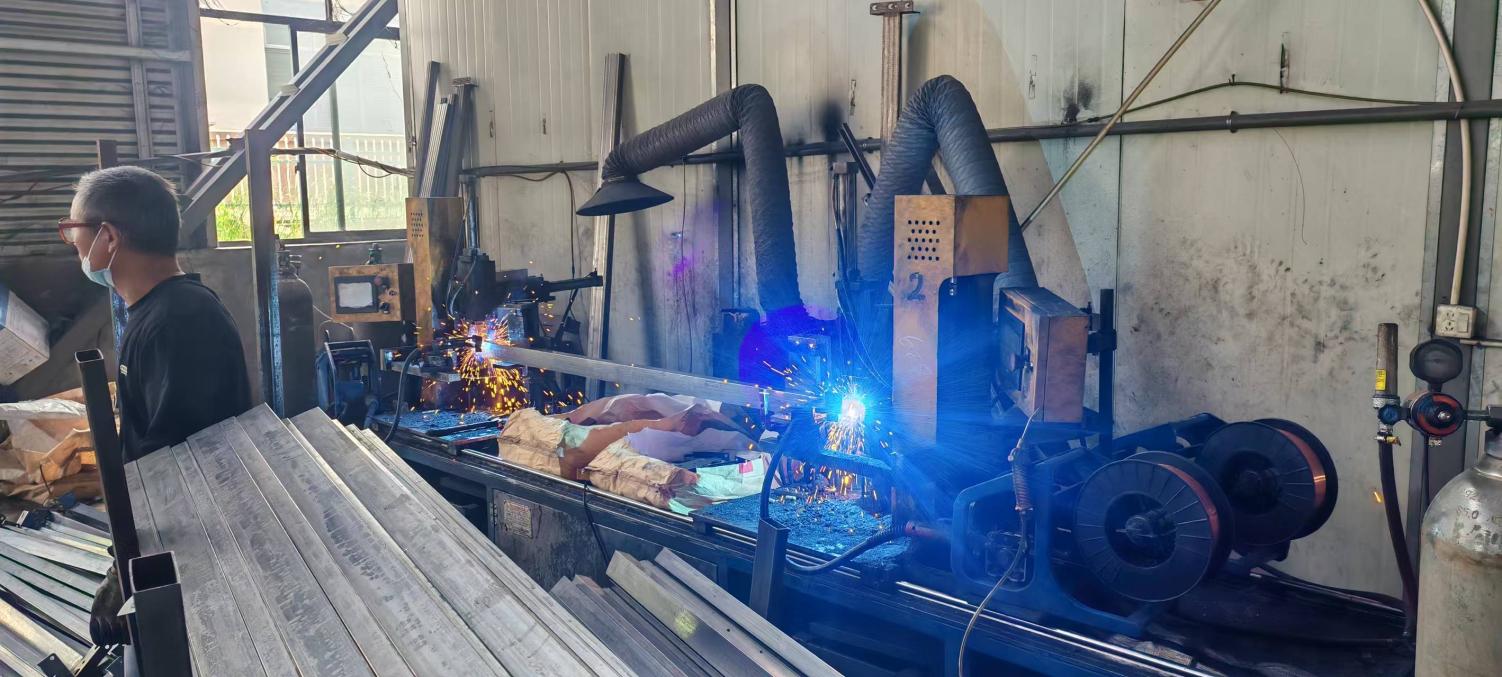
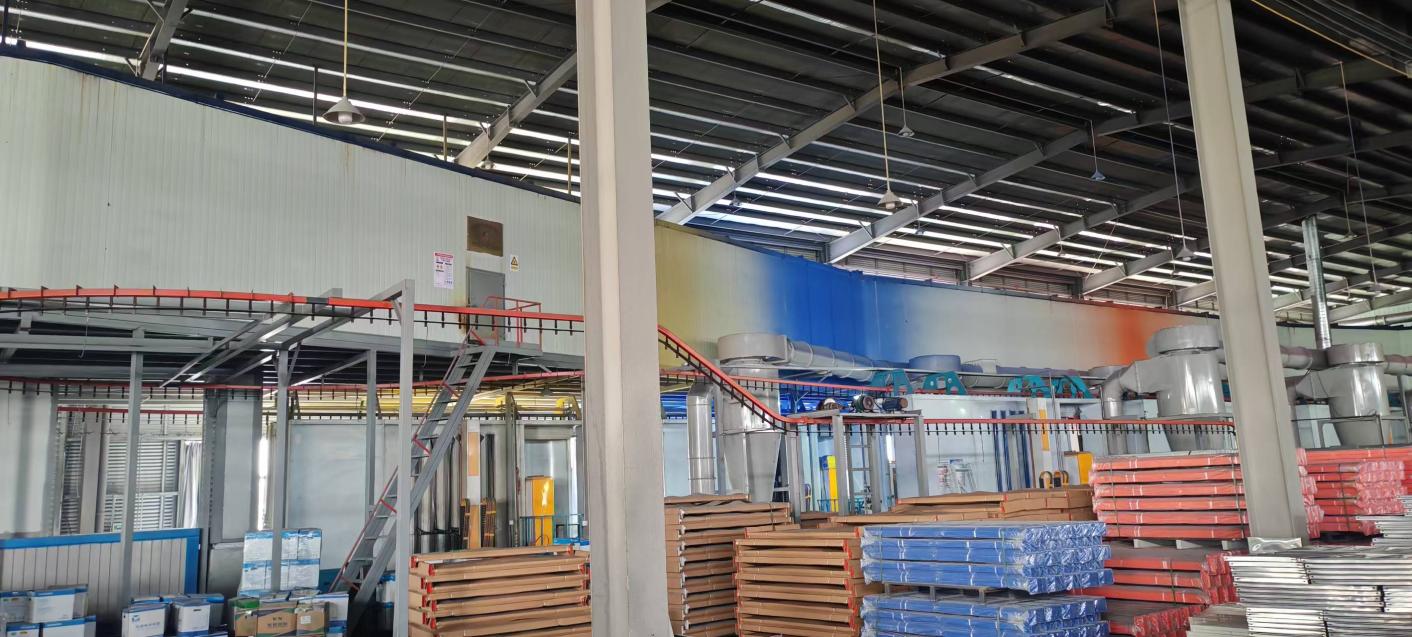
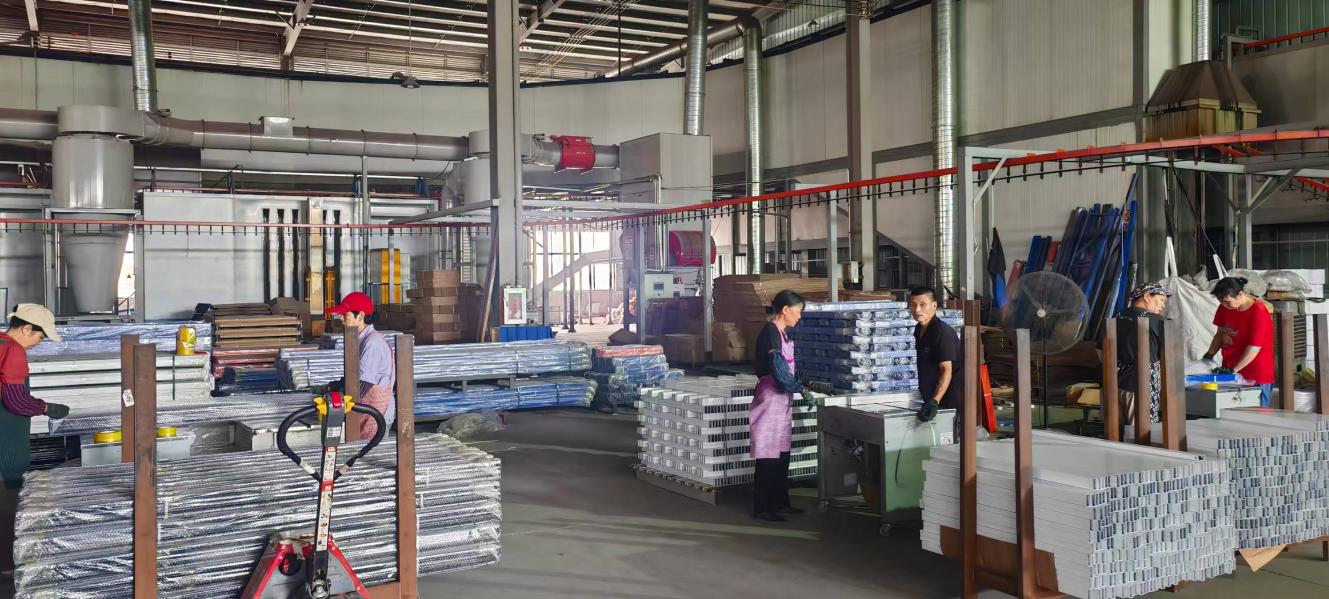
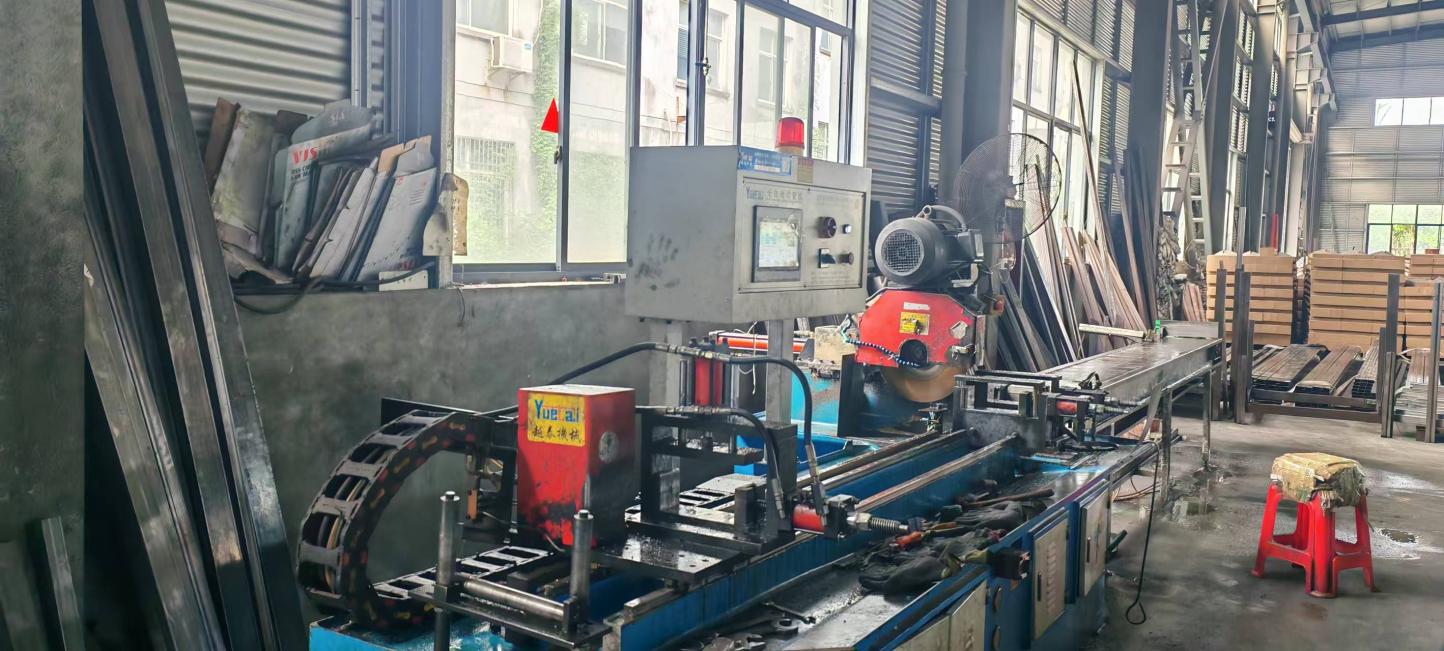
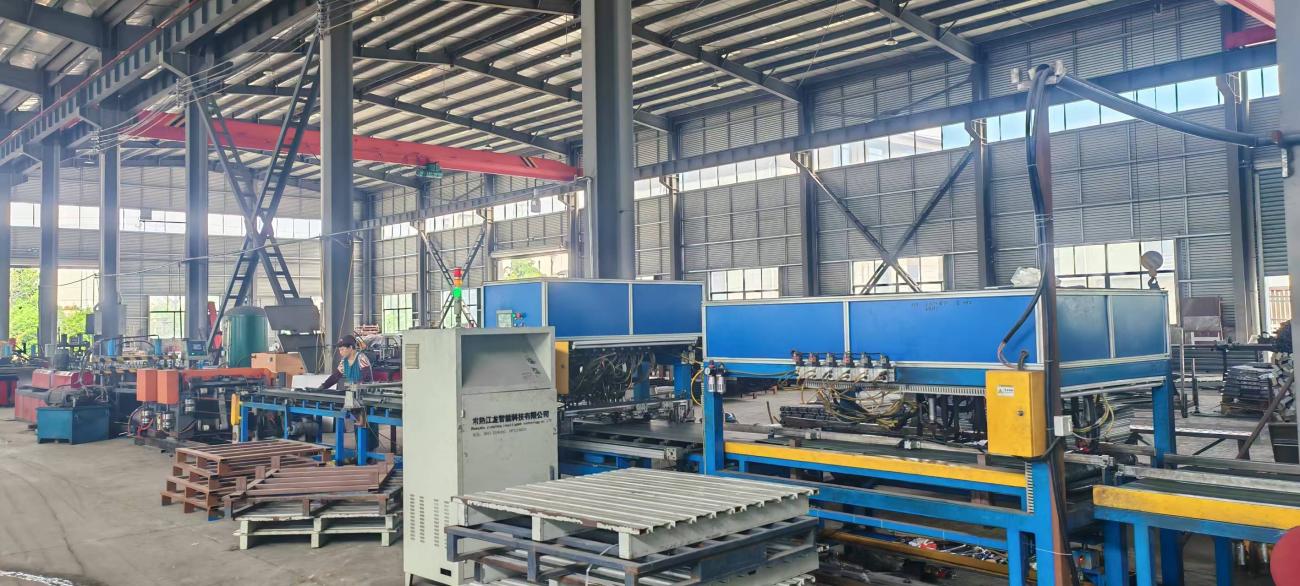
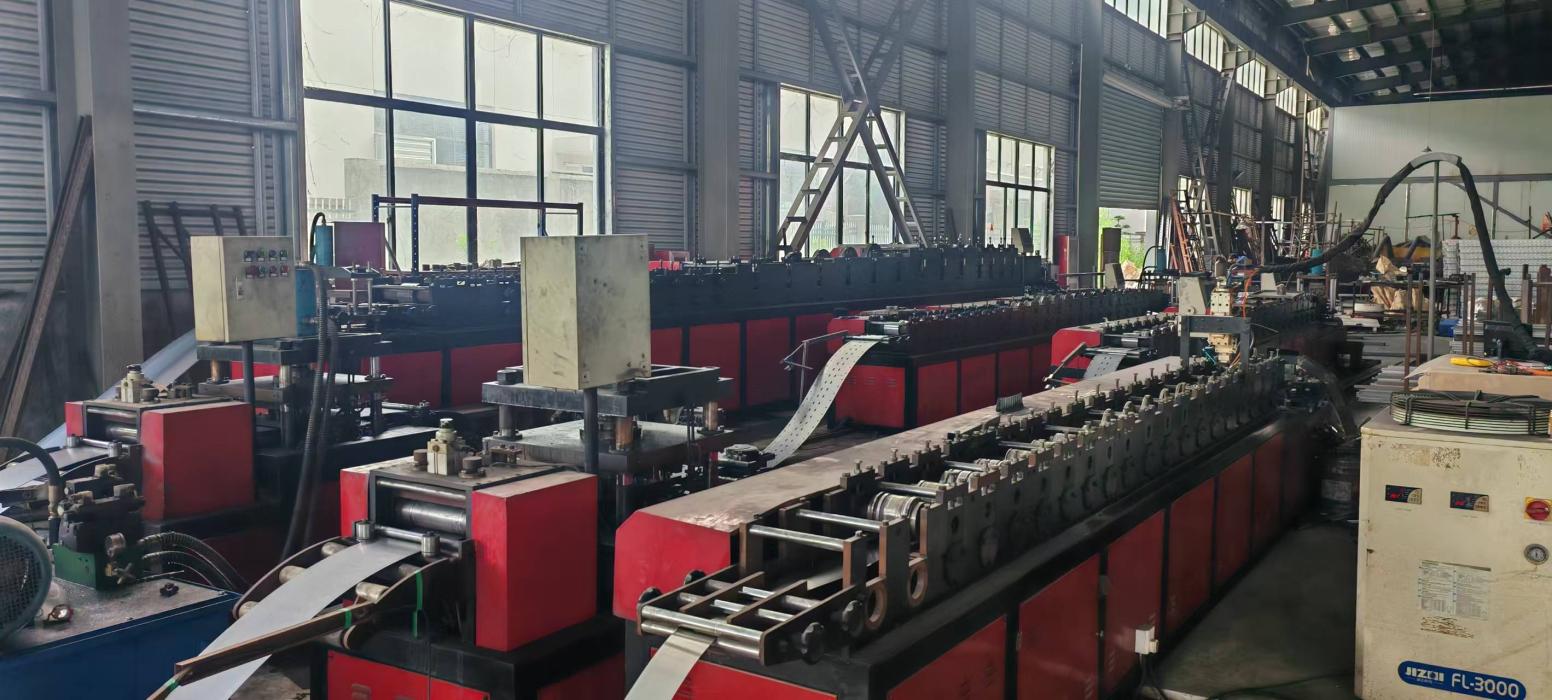
By integrating automated robotic welding stations, high-precision CNC fiber laser cutting, and eco-friendly electrostatic powder coating lines, we ensure that every panel, runner, lock, and caster joint meets the exact tolerances expected by Japanese workshop floor managers. Our scale of operations allows us to reduce raw material procurement costs by up to 25% compared to local Japanese fabricators, translating to direct cost savings for our clients without a single compromise on steel gauge, load rating, or safety factor.
The global industrial landscape is undergoing rapid digitization under Industry 4.0 paradigms. Even traditional hardware items like mobile tool cabinets are undergoing a major tech evolution to support automated workflows, smart asset management, and improved safety regulations:
Smart tool trolleys are now equipped with RFID scanning pockets and electromagnetic locking mechanisms. When a technician opens a drawer, the system automatically registers which tools are taken, matching tool IDs to worker badges. This practically eliminates missing tools, improving security in aviation repair and precision cleanrooms.
With the expansion of semiconductor and EV electronics production across Japan, static control is paramount. Modern trolleys utilize custom electrostatic discharge (ESD) paint coatings and conductive wheels to ground any static charge, protecting sensitive circuit components during mobile transport.
Technicians no longer accept one-size-fits-all cabinets. Modern designs feature modular pegboards, quick-swap drawer dividers, and side-mounted accessory rails that allow users to customize their carts on the fly, depending on the dynamic daily shift goals.
How global enterprises are deploying Guci tool storage solutions in real-world Japanese manufacturing hubs.
Providing customized 7-drawer rolling cabinets with custom foam tool layouts. Integrated anti-vibration drawer liners ensure that delicate torque wrenches and calibration instruments remain secure and precise through constant movement across the testing floor.
Sourcing cleanroom-compatible 3-tier utility carts finished in non-off-gassing, high-purity electrostatic paint. Specialized nylon composite casters eliminate any microscopic particulate shed, fully protecting microelectronic substrate fabrication zones.
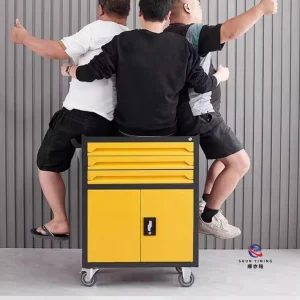
Deploying heavy-load capacity tool storage cabinets with up to 800kg weight thresholds. Utilizing dual-lock industrial grade systems to handle heavy air tools, heavy impacts, and bulky hardware sets required for earthmoving and turbine production lines.
An optimized industrial facility requires dynamic integration between mobile hardware storage (Tool Trolleys) and heavy structural storage (Warehouse Racking). Guci Storage Equipment Co., Ltd. is uniquely positioned to offer this holistic macro-level solution.
By matching the structural design of our mobile tool trolleys to dock directly into specialized bays beneath our industrial racking systems, we help facilities optimize vertical and horizontal space simultaneously. This creates a cohesive supply chain framework: raw materials move from heavy pallet racks to work-in-progress areas via mobile units, and finally to assembly via specialized tool carts. It’s an end-to-end material flow strategy designed to maximize facility efficiency and spatial footprint utilization.
Established in 2015, Guci Storage Equipment (Suzhou) Co., Ltd. is a leading B2B manufacturer specializing in heavy-duty warehouse racking and industrial storage solutions. Spanning a modern manufacturing facility of 35,000 m², the company brings over 11 years of deep industry expertise and 8 years of global trade experience, serving client bases across North America, Europe, and Southeast Asia with an annual export revenue reaching $18 million.
To maintain superior product standards, Guci Storage enforces a rigorous quality management process—combining ultrasonic flaw detection, load-capacity stress testing, and surface coating thickness inspections. Our dedicated quality control team of 25 QA/QC professionals ensures every rack system and tool trolley complies with international safety standards such as ISO9001 and CE.
Backbone by a strong trade background and an extensive network of over 800 supply chain partners, we primarily serve enterprise clients, including third-party logistics (3PL) providers, global distributors, mega e-commerce fulfillment centers, and large-scale industrial plants.
Innovation drives our success. Supported by a skilled team of 18 R&D engineers, Guci Storage offers comprehensive OEM/ODM customization options, tailoring load capacity, dimensions, structural layouts, and surface finishes to meet specific site requirements. In the past year alone, our team successfully launched 45 new product designs to optimize modern high-density warehouse efficiency.
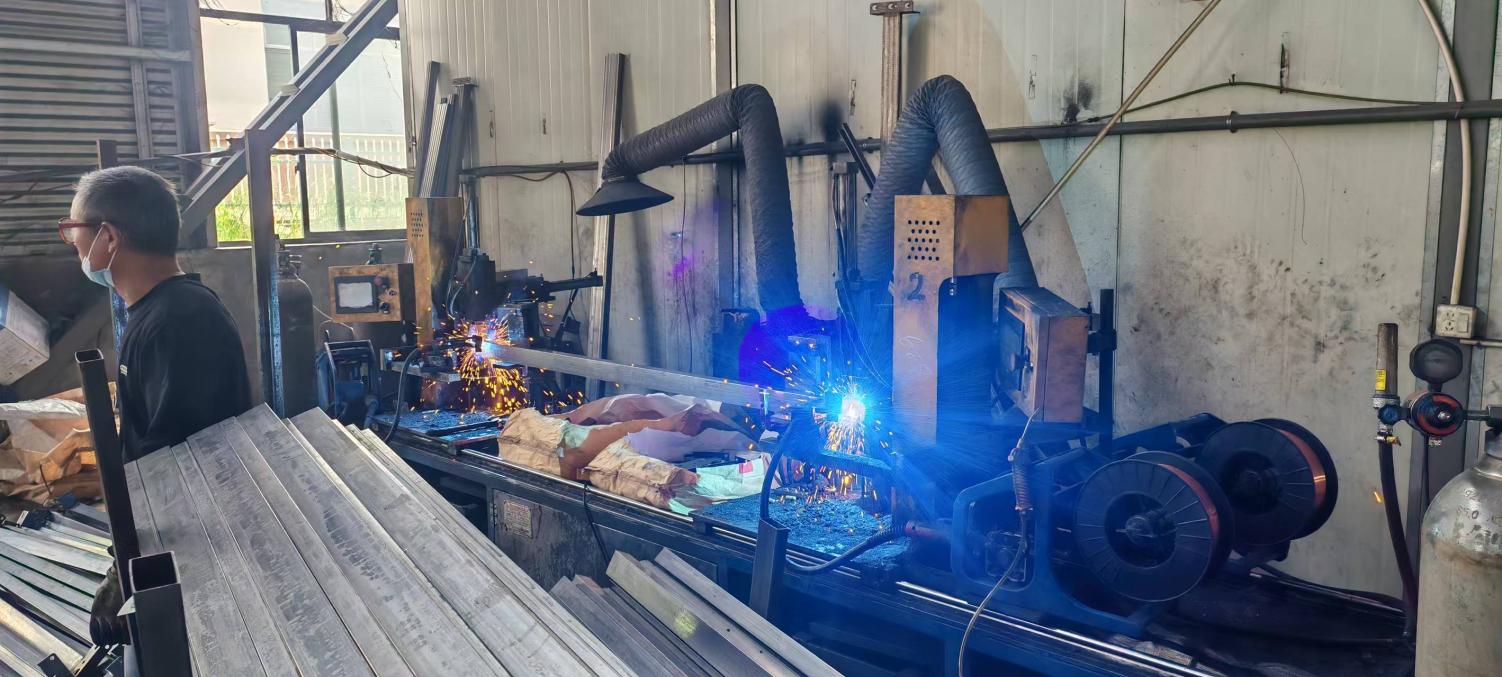
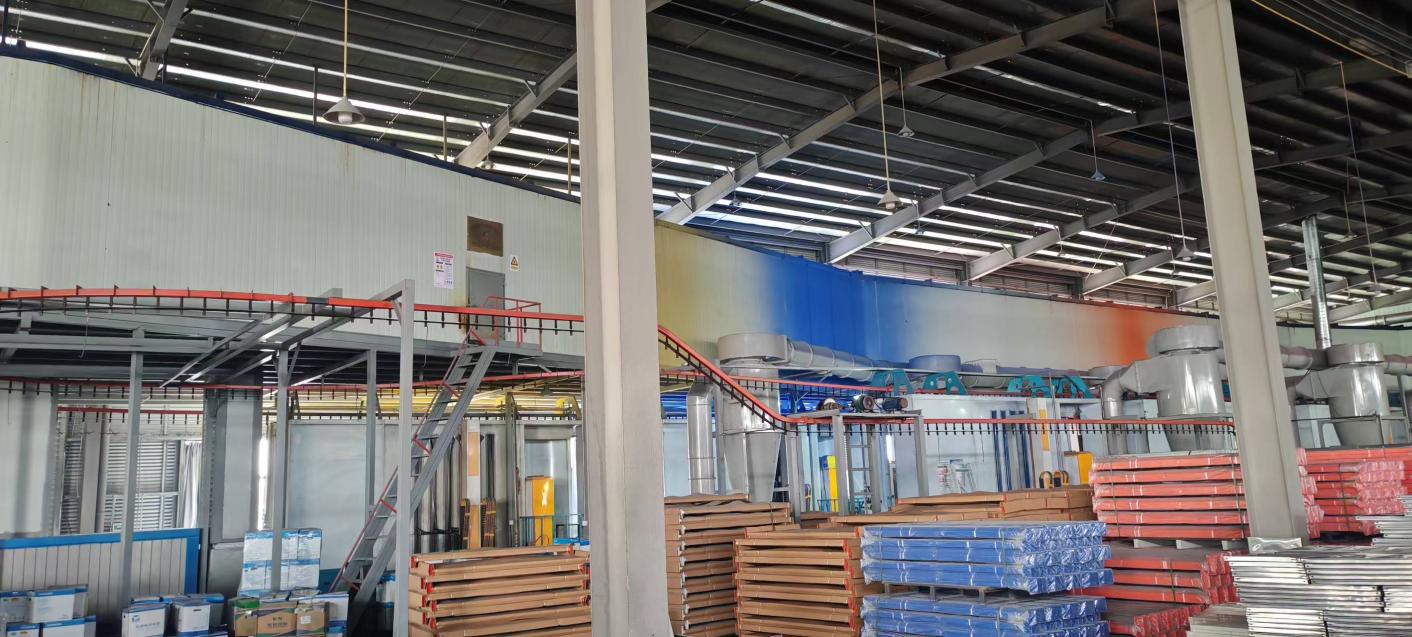
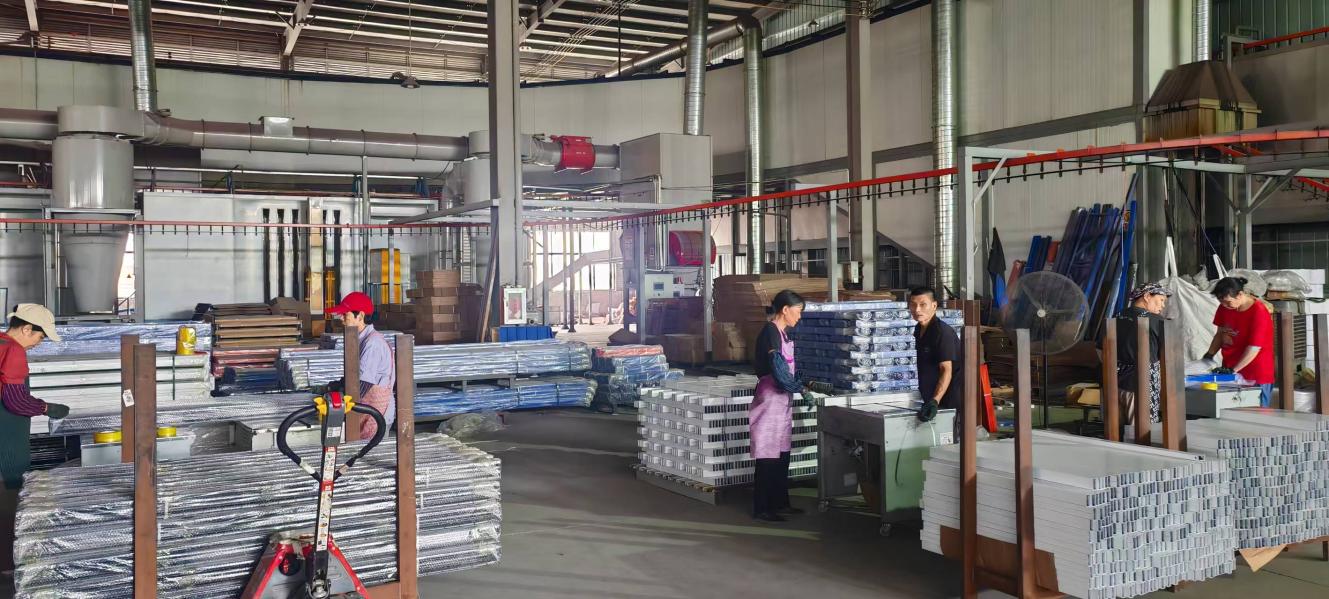
When procurement teams evaluate global suppliers, comparing spec sheets alone is not enough to ensure operational longevity. We recommend evaluating manufacturers based on these core engineering parameters:
| Technical Spec | Standard Requirement | Guci Manufacturing Standard | Operational Impact |
|---|---|---|---|
| Steel Thickness (SPCC) | 0.8 mm - 1.0 mm | 1.2 mm - 1.5 mm structural frames | Prevents structural deformation under maximum drawer loads. |
| Drawer Slide Rating | 30 kg rating | 45 kg to 60 kg heavy-duty ball bearing slides | Ensures smooth, sag-free drawer extension over thousands of cycles. |
| Caster Load Capacity | 300 kg total unit load | 600 kg to 800 kg static / dynamic load limits | Prevents wheel flattening when stored loaded for long periods. |
| Finish Process | Liquid painting | Electrostatic powder coat (60-80 micron thickness) | Resists scratching, impact chipping, corrosion, and chemical exposure. |
Premium steel tool trolleys, modular rolling chests, and industrial carts engineered for global high-intensity workspaces.
Answering major technical, regulatory, and logistics questions for Japanese and global procurement managers.
Talk to our industrial design experts to receive a customized spatial planning quote and technical drawings for your Japanese facility operations.
Send Inquiry Now GuciRack